

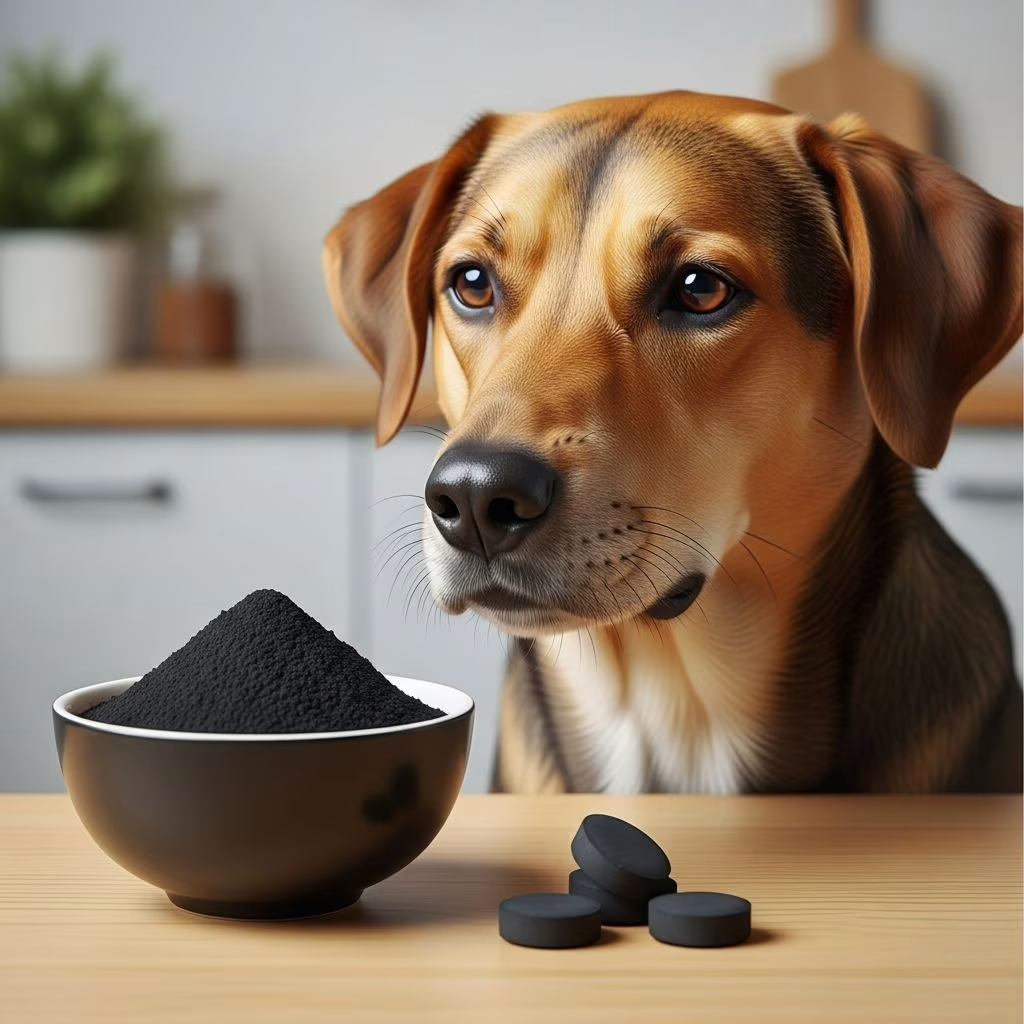
Activated charcoal serves as a key intervention in veterinary medicine for dogs that have ingested harmful substances. This porous substance binds to many toxins in the gastrointestinal tract, preventing their absorption into the bloodstream and aiding elimination through feces.
Understanding the Science Behind Activated Charcoal
Activated charcoal is produced by heating carbonaceous material like wood or coconut shells at high temperatures in the presence of activating agents. This process creates a vast surface area—up to 3,000 square meters per gram—enabling it to adsorb (bind to the surface of) a wide range of chemicals and poisons.
In dogs, it works primarily in the stomach and intestines by trapping toxins. For substances undergoing enterohepatic recirculation—where toxins are reabsorbed from the gut into the liver and back—it interrupts this cycle, reducing overall toxicity.
- Adsorption mechanism: Toxins adhere to charcoal particles via weak chemical bonds.
- Non-specific binding: Effective against organic compounds but not all substances.
- Dosing timing: Most effective within 1 hour of ingestion; efficacy drops after 4 hours.
Common Toxins Responsive to Activated Charcoal Treatment
Veterinarians recommend activated charcoal for specific poisonings where binding is strong. Prompt administration can significantly mitigate damage.
| Toxin Category | Examples | Why It Works |
|---|---|---|
| Medications | NSAIDs (ibuprofen), acetaminophen, antidepressants, phenobarbital | Binds well to organic pharmaceuticals |
| Food Toxins | Chocolate (methylxanthines), xylitol (limited efficacy) | Interrupts absorption in GI tract |
| Rodenticides/Pesticides | Bromethalin, organophosphates, pyrethrins | Prevents enterohepatic cycling |
| Other | Ivermectin, certain household cleaners | Adsorbs non-corrosive chemicals |
Note: It does not bind alcohols, heavy metals (lead, arsenic), corrosives (acids, bleach), or hydrocarbons like gasoline.
When Activated Charcoal Is Not Appropriate
Not all poisoning cases suit activated charcoal. Vets assess risks like aspiration before use. Contraindications include conditions heightening inhalation danger.
- Neurological symptoms: Seizures, tremors, disorientation, or coma reduce gag reflex.
- GI issues: Ulcers, perforations, recent surgery, or reduced motility (ileus).
- Systemic conditions: Dehydration, electrolyte imbalances, kidney disease, megaesophagus.
- Timing: Over 4 hours post-ingestion or after toxicity signs appear.
- Non-binding toxins: Minerals, salts, caustics.
In these scenarios, alternatives like induced emesis, gastric lavage, or IV fluids take precedence.
Potential Side Effects and Complications
Under veterinary control, activated charcoal is safe with a wide margin (doses up to 15g/kg non-fatal). However, issues can arise:
- Vomiting: Especially with rapid dosing; increases aspiration risk.
- GI effects: Constipation, diarrhea, black stools.
- Dehydration/Hypernatremia: From fluid binding; monitor electrolytes.
- Aspiration pneumonia: Inhaled particles cause pneumonitis; fatal if untreated.
- Staining: Temporary black discoloration around mouth, fur.
Anti-emetics are often pre-administered to minimize vomiting.
Veterinary Administration Protocols
Never give over-the-counter charcoal at home—human products lack efficacy against pet toxins and risk improper dosing. Vets use veterinary-grade suspensions.
- Dosage: 1-5g/kg orally, repeated every 4-6 hours if needed (up to 3 doses).
- Forms: Liquid slurry safest; avoid dry powder due to inhalation risk.
- Monitoring: Physical exam, vital signs; sedation if uncooperative.
- Follow-up: Supportive care like fluids, diagnostics.
In hospitals, it’s part of decontamination: stabilize, decontaminate, support.
Prevention Strategies for Pet Owners
The best approach is avoiding toxins. Secure medications, chocolates, rodenticides. Know symptoms: vomiting, lethargy, tremors—rush to vet immediately.
- Store hazards high/up.
- Contact ASPCA Poison Control or vet hotline first.
- Pet-proof home: No human foods, toxic plants.
FAQs on Activated Charcoal for Canine Toxin Management
Q: Can I give my dog activated charcoal from a health store?
A: No. OTC products are ineffective and dangerous without vet guidance.
Q: How quickly does it work?
A: Binds immediately in GI tract; most effective <1 hour post-ingestion.
Q: Is it safe for puppies or senior dogs?
A: Case-by-case; higher aspiration risk in compromised animals.
Q: What if my dog vomits after dosing?
A: Risk of aspiration—seek emergency vet care.
Q: Does it treat all poisons?
A: No; ineffective against metals, acids, alcohols.
Emerging Research and Veterinary Consensus
Studies affirm its role in multi-dose therapy for sustained-release toxins. Recent guidelines emphasize vet-only use due to risks. Always prioritize professional evaluation.
References
- Activated Charcoal for Dogs and Cats — PetMD. 2023. https://www.petmd.com/emergency/activated-charcoal-dogs-cats
- Activated Charcoal for Dogs: Uses, Side Effects, and Alternatives — American Kennel Club. 2024-01-15. https://www.akc.org/expert-advice/health/activated-charcoal-for-dogs/
- Activated Charcoal for Dogs: Uses, Dosage, Side Effects — GoodRx. 2024. https://www.goodrx.com/pet-health/dog/activated-charcoal-for-dogs
- Principles of Toxicosis Treatment in Animals — Merck Veterinary Manual. 2023-05-01. https://www.merckvetmanual.com/toxicology/toxicology-introduction/principles-of-toxicosis-treatment-in-animals
- Activated Charcoal — VCA Animal Hospitals. 2024. https://vcahospitals.com/know-your-pet/activated-charcoal



