

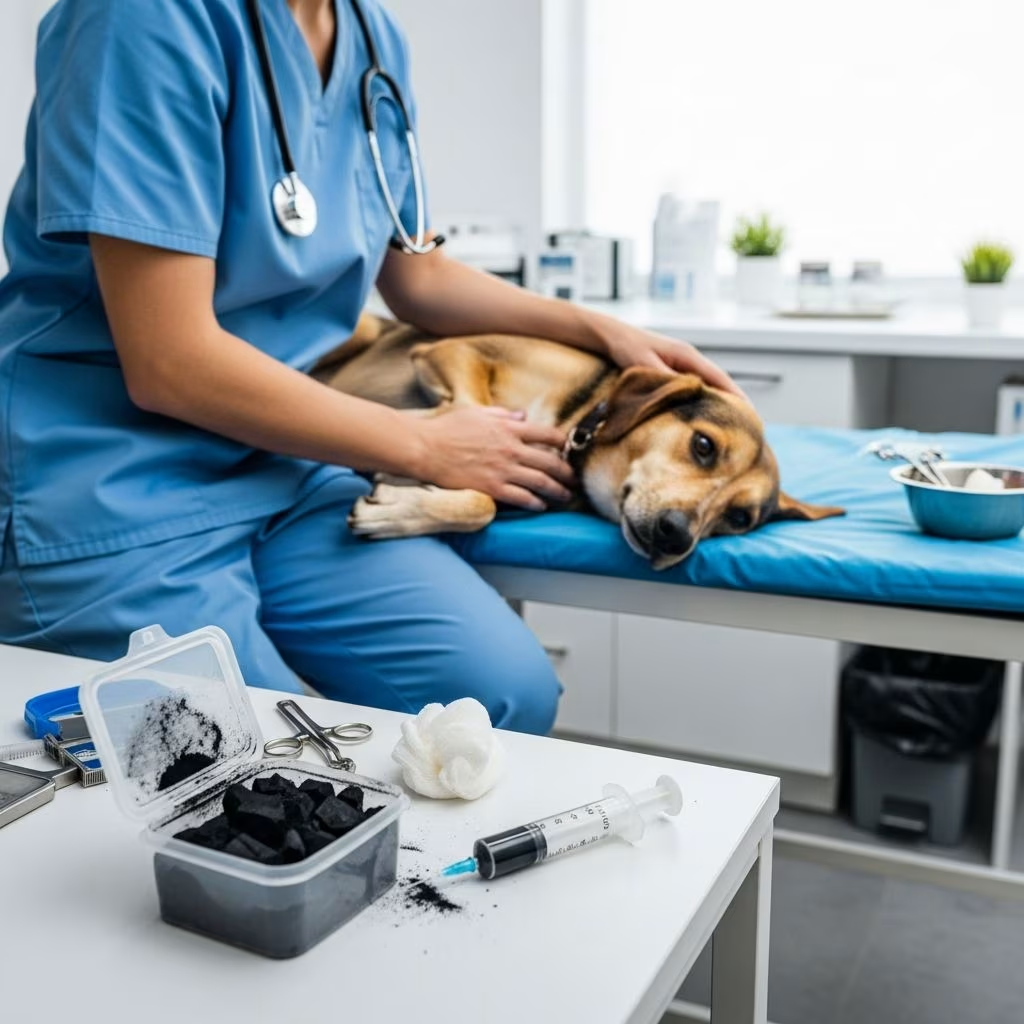
When a beloved dog accidentally ingests something toxic, pet owners often face moments of panic and urgency. One treatment option that veterinarians may consider during emergency situations is activated charcoal. However, this substance requires careful understanding and professional administration to be truly effective and safe. This guide explores the mechanisms of action, appropriate uses, significant risks, and essential protocols surrounding activated charcoal treatment for canine poisoning cases.
Understanding the Mechanism Behind Activated Charcoal
Activated charcoal functions through a sophisticated adsorption process that differs fundamentally from absorption. When charcoal undergoes activation through specialized manufacturing techniques, the process creates an intricate network of microscopic pores and cracks throughout the substance’s structure. This dramatically increases the surface area available for binding to harmful compounds.
Once administered orally, activated charcoal travels through the digestive tract where it acts like a molecular trap. Toxins that have entered the stomach and upper intestines bind to the charcoal’s porous surface through a process called adsorption. Rather than being absorbed into the bloodstream and distributed throughout the body, these toxins remain bound to the charcoal particles. When the activated charcoal passes through the gastrointestinal system, it carries the bound toxins with it, effectively removing them from the body through elimination.
The timing of administration is critically important because this binding process must occur before toxins enter the bloodstream. Once a poison has crossed the intestinal barrier and entered systemic circulation, activated charcoal becomes ineffective. This is why veterinary professionals emphasize the importance of immediate emergency care when toxin ingestion is suspected.
Toxins Where Activated Charcoal Proves Effective
Activated charcoal demonstrates proven efficacy against a specific range of substances commonly encountered in pet poisoning scenarios. Understanding which toxins respond to this treatment helps veterinarians make informed decisions about emergency protocols.
- Pharmaceutical toxins: Acetaminophen (commonly found in pain relievers and fever reducers), non-steroidal anti-inflammatory drugs like ibuprofen, and certain antidepressant medications bind effectively to activated charcoal
- Common household products: Chocolate toxicity, particularly from darker varieties with higher theobromine content, responds well to charcoal treatment
- Recreational substances: Marijuana ingestion in dogs can be managed with activated charcoal administration
- Pest control products: Certain rodenticides and insecticides bind sufficiently to charcoal for emergency treatment consideration
Substances Where Activated Charcoal Fails
Equally important as knowing what activated charcoal treats is understanding its limitations. Many common household toxins simply do not bind effectively to activated charcoal, rendering the treatment useless and potentially dangerous if it delays more appropriate interventions.
| Toxin Category | Specific Examples | Why Charcoal Ineffective |
|---|---|---|
| Alcohols | Ethanol, isopropanol | Poorly bound to charcoal surface |
| Antifreeze | Ethylene glycol products | Organic molecules resist adsorption |
| Caustic substances | Bleach, battery acid, drain cleaner | Chemical structure prevents binding |
| Heavy metals | Lead, iron, mercury | Inorganic molecules do not adsorb |
| Petroleum products | Gasoline, paint thinner, mineral oil | Hydrocarbon structure incompatible |
| Sweetening agents | Xylitol in sugar-free products | Molecular structure poorly bound |
| Mineral compounds | Salt, nitrate-based fertilizers | Inorganic composition prevents binding |
Critical Patient Contraindications and Risk Factors
Certain dogs are not appropriate candidates for activated charcoal treatment regardless of the toxin ingested. Veterinarians must conduct thorough physical examinations and consider individual patient factors before administration, as inappropriate use can transform a manageable situation into a life-threatening emergency.
Dogs experiencing active vomiting or showing signs of lethargy represent a primary contraindication. When a dog is actively vomiting or shows reduced consciousness, the risk of aspiration dramatically increases. Rather than traveling down the esophagus into the stomach, activated charcoal particles may be inhaled into the trachea and lungs, causing aspiration pneumonia and severe respiratory compromise.
Animals with compromised airway protection including those that are unconscious, seizing, heavily sedated, or demonstrating reduced gag reflex should not receive activated charcoal via oral administration. These dogs lack the neurological coordination necessary to safely swallow without aspiration risk.
Pre-existing gastrointestinal conditions create significant complications. Dogs with intestinal blockages, perforations, ulcers, decreased muscle contractions (reduced peristalsis), or megaesophagus face serious risk from activated charcoal. Similarly, dogs requiring surgical intervention or endoscopy should not receive charcoal treatment.
Underlying metabolic disorders such as diabetes, Addison’s disease, Cushing’s disease, and kidney disease elevate treatment risks substantially. These conditions already compromise electrolyte balance and fluid regulation, making the additional stress of activated charcoal administration potentially dangerous.
Understanding Potential Side Effects and Complications
While activated charcoal is generally well-tolerated when administered correctly by veterinary professionals, side effects can occur. Some effects are minor and temporary, while others represent serious medical emergencies.
Gastrointestinal effects are most common and typically mild. Dogs may experience vomiting, particularly if charcoal is administered too rapidly. Diarrhea or constipation may develop as charcoal moves through the digestive tract. Black or darkened stools are normal and expected, as is temporary staining around the mouth and chest area from contact with the black powder.
Dehydration and electrolyte abnormalities represent more serious concerns. Activated charcoal can interfere with the body’s balance of essential minerals including sodium and potassium. Hypernatremia, characterized by elevated blood sodium levels, occurs more frequently in small-breed dogs. Electrolyte imbalances disrupt normal heart function, muscle contraction, and nerve signaling, potentially causing weakness, irregular heartbeats, or additional complications requiring aggressive management.
Aspiration pneumonia stands as the most serious potential complication. If activated charcoal is inhaled into the lungs rather than swallowed into the stomach, severe lung inflammation develops. This condition causes difficulty breathing, requires emergency intervention, and can become life-threatening if not treated promptly with advanced respiratory support.
Medication interactions create an additional consideration. Activated charcoal binds not only to toxins but also to many oral medications. Dogs receiving daily medications may require dosage adjustments or temporary switching to intravenous administration. Typically, medications must be given at least two to four hours before or after activated charcoal to ensure adequate absorption.
Why Over-the-Counter Activated Charcoal Is Dangerous at Home
Pet owners can readily purchase activated charcoal products without prescriptions from pharmacies and online retailers. This accessibility creates a dangerous misconception that home administration is appropriate for managing suspected poisonings. Multiple critical factors make this assumption fundamentally incorrect.
Over-the-counter activated charcoal products designed for human use typically contain insufficient doses for effective canine treatment. Proper veterinary administration requires calculating precise dosages based on the dog’s weight, the specific toxin involved, and the time elapsed since ingestion. Standard consumer products do not account for these variables.
Veterinarians possess the expertise to identify which toxins actually respond to activated charcoal treatment versus those requiring alternative interventions. Administering charcoal for substances it cannot bind wastes critical time that might be better spent pursuing appropriate treatments. For example, a dog that ingests antifreeze needs aggressive fluid therapy, monitoring, and specific antidotes—not charcoal.
Professional veterinarians can administer alternative antidotes, gastrointestinal decontamination methods, supportive care, and monitoring protocols that home treatment cannot replicate. In some cases, veterinarians use specialized equipment such as nasogastric tubes (tubes placed through the nose into the stomach) for safe administration when oral delivery poses risks.
Perhaps most importantly, inappropriate home use of activated charcoal may delay necessary and appropriate emergency care. A dog showing signs of toxin ingestion needs immediate professional evaluation to determine the actual substance involved, assess the quantity consumed, evaluate the dog’s current health status, and develop the most effective treatment protocol. Using activated charcoal at home while delaying veterinary consultation can transform a potentially manageable situation into a medical emergency.
Proper Administration Protocols in Professional Settings
When veterinarians determine that activated charcoal is appropriate, administration follows specific protocols designed to maximize safety and effectiveness. Professional administration differs significantly from how activated charcoal is used for other purposes.
The veterinarian first performs a complete physical examination and reviews the dog’s medical history to identify contraindications. Blood work may be performed to assess current electrolyte balance and organ function. The veterinarian calculates the precise dose based on the dog’s body weight and the specific toxin involved.
Administration typically occurs via oral administration of a slurry (activated charcoal mixed with water) when the dog is alert and can safely swallow. In cases where aspiration risk exists but treatment is essential, veterinarians may pass a nasogastric tube through the nose into the stomach, allowing direct placement of activated charcoal without aspiration risk.
Following administration, veterinarians monitor the dog for adverse effects and may recommend supportive care including fluid therapy to maintain hydration and support electrolyte balance. Multiple doses of activated charcoal may be administered in certain cases, though this increases risk of electrolyte complications and requires careful monitoring.
Recognizing When Alternative Treatments Are Necessary
Activated charcoal represents only one tool in the veterinary toxicology toolkit. Many poisoning cases require completely different approaches or combination therapies. Veterinarians select treatment based on the specific toxin, the dog’s physical condition, and the time elapsed since ingestion.
For toxins like antifreeze, specific antidotes such as fomepizole or ethanol provide more effective protection than activated charcoal could ever offer. Heavy metal poisoning requires chelation therapy rather than adsorption. Caustic substance ingestion demands careful monitoring and supportive care without aggressive gastrointestinal decontamination.
Induced vomiting through medications like apomorphine or hydrogen peroxide may be more appropriate than activated charcoal in certain situations, particularly when toxin ingestion was very recent. Gastric lavage (stomach pumping) occasionally plays a role in emergency management.
Frequently Asked Questions About Activated Charcoal for Dogs
Q: Can I use human activated charcoal products for my dog?
A: No. Human formulations contain incorrect dosages and may include additives unsuitable for dogs. Always consult your veterinarian rather than attempting home treatment with any activated charcoal product.
Q: How quickly must activated charcoal be given after toxin ingestion?
A: Timing is critical. Activated charcoal works best when administered within 1-2 hours of ingestion, though some toxins may still respond to treatment given up to 4 hours after ingestion. This urgency emphasizes why immediate veterinary contact is essential.
Q: Will activated charcoal harm my dog if used correctly?
A: When administered by veterinarians with appropriate patient selection and monitoring, activated charcoal is generally well-tolerated with minimal side effects. However, even appropriate use carries some risk, particularly regarding electrolyte abnormalities in small dogs.
Q: What should I do if I suspect my dog has been poisoned?
A: Contact your veterinarian immediately or go to an emergency veterinary clinic. Provide information about the suspected substance, approximate quantity, and time of ingestion. Let professionals determine whether activated charcoal or alternative treatments are appropriate.
Q: Can activated charcoal be used preventatively?
A: No. Activated charcoal is an emergency treatment for acute poisoning cases, not a preventative measure. Prevention through environmental management (securing toxic substances, supervising outdoor access) and awareness remains the best approach.
Conclusion: Partnership With Veterinary Professionals
Activated charcoal can serve as a valuable emergency tool when used appropriately under veterinary supervision for suitable cases. However, its limitations, contraindications, and potential risks make home administration dangerous and inappropriate. Pet owners who suspect toxin ingestion should immediately contact veterinary professionals rather than attempting self-treatment. Veterinarians possess the expertise, equipment, and training to make informed decisions about activated charcoal versus alternative treatments, proper administration protocols, and appropriate monitoring. This professional guidance ultimately offers the best chance for positive outcomes when dogs face accidental poisoning.
References
- Activated Charcoal for Dogs and Cats — PetMD. 2024. https://www.petmd.com/emergency/activated-charcoal-dogs-cats
- Activated Charcoal for Dogs: Uses, Side Effects, and Alternatives — American Kennel Club. 2024. https://www.akc.org/expert-advice/health/activated-charcoal-for-dogs/
- What Is Activated Charcoal for Dogs? Does My Dog Need It? — Chewy. 2024. https://www.chewy.com/education/dog/health-and-wellness/activated-charcoal-for-dogs
- Activated Charcoal — VCA Animal Hospitals. https://vcahospitals.com/know-your-pet/activated-charcoal
- Activated Charcoal in Dogs – Conditions Treated, Procedure — Wag!. https://wagwalking.com/treatment/activated-charcoal
- Activated Charcoal For Cats and Dogs: Poisoning and Toxicity – A Guide for Pet Parents — Vetic. 2024. https://vetic.in/blog/pet-health/activated-charcoal-in-pet-poisoning-and-toxicity-a-guide-for-pet-parents/
- Activated Charcoal — MSPCA-Angell. https://www.mspca.org/angell_services/activated-charcoal/



