

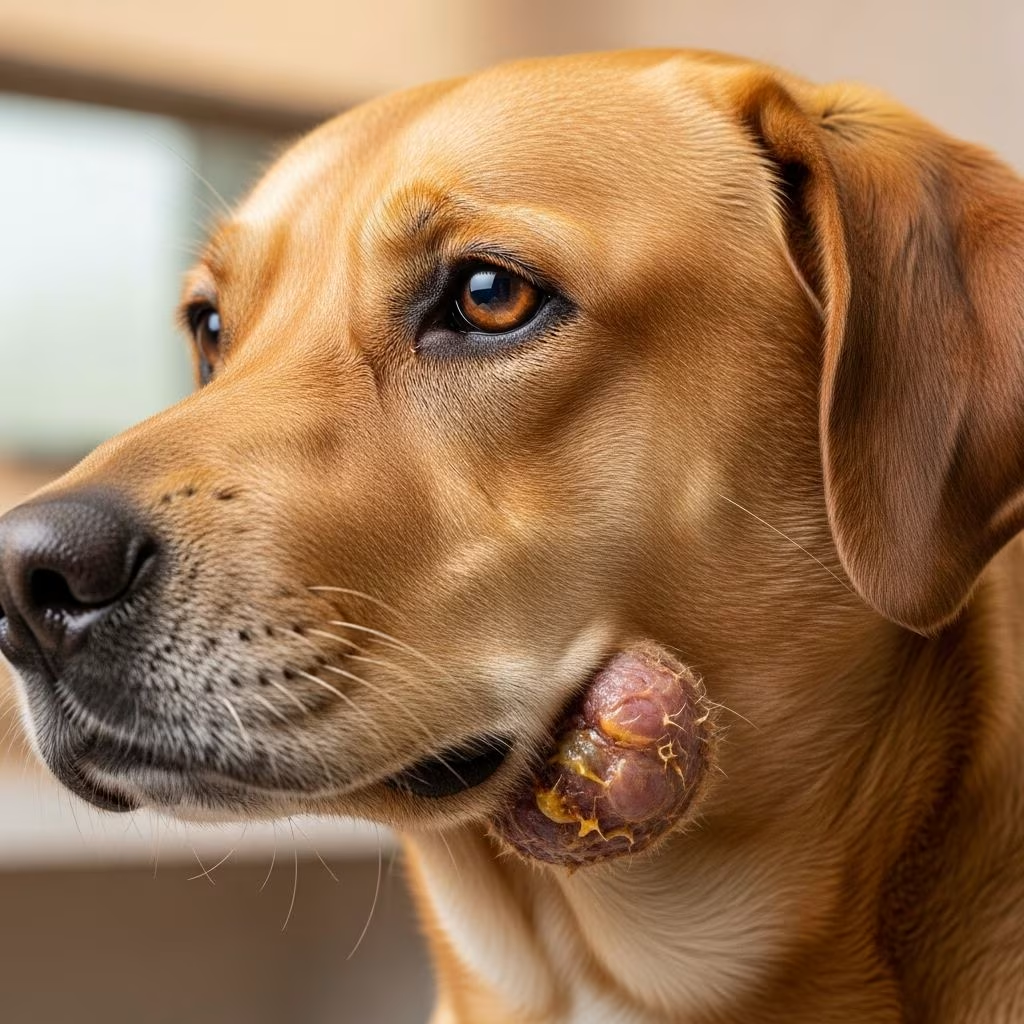
Actinomycosis represents a serious bacterial infection in dogs, primarily triggered by Actinomyces viscosus, leading to abscess formation, tissue damage, and potential systemic complications. This condition often stems from environmental factors or injuries, demanding prompt veterinary attention for successful management.
Understanding the Nature of Actinomycosis
This infection arises from anaerobic bacteria normally present in the mouth, respiratory tract, or gastrointestinal system of dogs. When these bacteria penetrate deeper tissues via wounds, foreign bodies like grass awns, or dental issues, they provoke intense inflammatory responses. Unlike typical infections, actinomycosis forms characteristic pus-containing granules, resembling sulfur grains, which are clusters of bacterial filaments.
Common in medium to large breeds, it affects dogs of all ages but shows higher incidence in those exploring outdoor environments prone to plant penetration. The bacteria thrive in low-oxygen settings, complicating eradication without targeted intervention.
Common Causes and Risk Factors
Key triggers include:
- Traumatic injuries such as bite wounds or penetrating foreign objects like foxtail grass, facilitating bacterial entry into subcutaneous tissues.
- Dental trauma or periodontal disease, allowing oral Actinomyces to invade jawbones or facial structures.
- Respiratory aspiration of bacteria, leading to pyothorax or pneumonia.
- Compromised immunity from concurrent illnesses, increasing susceptibility.
Dogs frequenting grassy fields or engaging in rough play face elevated risks. Preventive measures like muzzle use in high-risk areas and routine dental checks can mitigate exposure.
Recognizing Early Symptoms
Symptoms vary by infection site but often start subtly, progressing to severe manifestations if untreated. Pet owners should monitor for:
- Facial or neck swellings: Firm lumps or abscesses with draining tracts exuding pus, sometimes containing yellow granules.
- Pain and lameness: Reluctance to move, jaw tenderness, or limping if bones or joints are involved.
- Respiratory distress: Coughing, rapid breathing, or lethargy signaling pyothorax.
- Systemic signs: Fever, appetite loss, weight reduction, and behavioral changes like fatigue.
- Oral issues: Difficulty chewing, excessive salivation, or eye discharge if periorbital.
Early detection hinges on vigilance; subtle signs like mild swelling can escalate rapidly into osteomyelitis or spinal complications.
Diagnostic Approaches in Veterinary Practice
Veterinarians employ a multi-step process to confirm actinomycosis, distinguishing it from mimics like nocardiosis or fungal infections. Initial assessment includes:
- Comprehensive history and physical exam to identify trauma or abscesses.
- Bloodwork revealing elevated white cells, inflammation markers, or anemia.
- Imaging: X-rays showing bone changes like periosteal reaction or osteolysis; ultrasound for soft tissue abscesses.
- Cytology and biopsy: Microscopic exam of pus or tissue for bacterial filaments.
- Culture: Though challenging due to anaerobic needs, it identifies the pathogen and sensitivities.
| Diagnostic Method | Purpose | Key Findings |
|——————-|———|————–|
| Physical Exam | Detect swellings, pain | Abscesses, draining tracts |
| Blood Tests | Assess infection severity | High WBC, fever indicators |
| X-rays/Ultrasound | Visualize extent | Bone erosion, fluid pockets |
| Biopsy/Culture | Confirm bacteria | Sulfur granules, Actinomyces |
This table outlines efficient diagnostics, ensuring accurate differentiation.
Comprehensive Treatment Strategies
Treatment combines medical and surgical elements, tailored to infection locus and severity. Core components include:
- Antibiotics: Prolonged courses (3-6+ months post-resolution) with penicillin, amoxicillin, or clindamycin for resistant strains. Avoid aminoglycosides or metronidazole.
- Surgical intervention: Drainage of abscesses, debridement, or foreign body removal. Pyothorax cases require chest tube placement or thoracotomy.
- Supportive care: Pain relief (e.g., NSAIDs), nutritional supplements, and fluids to bolster recovery.
Success rates improve with early, aggressive therapy; recurrence occurs in ~50% without full courses.
Post-Treatment Care and Monitoring
Recovery demands diligent follow-up:
- Weekly vet checks initially, tapering as symptoms resolve.
- Monitor for recurrence: Redness, swelling, or drainage prompts immediate contact.
- Maintain hygiene around surgical sites; restrict activity to prevent reinjury.
- Complete antibiotic regimens to avert resistance.
Prognosis excels for localized cases (80-90% resolution) but wanes with thoracic or osseous involvement.
Prevention Tips for Dog Owners
Proactive steps reduce incidence:
- Supervise outdoor activities in grassy areas; inspect for awns post-play.
- Regular dental cleanings to curb oral bacterial overgrowth.
- Prompt wound care and antibiotics for bites.
- Vaccination and health screenings for at-risk breeds.
Annual exams catch subclinical issues early.
Potential Complications and Long-Term Outlook
Untreated actinomycosis can lead to chronic osteomyelitis, spinal deficits, or fatal pyothorax. With adherence, most dogs regain full function, though vigilance persists lifelong due to reinfection risks.
Frequently Asked Questions (FAQs)
What is the typical duration of antibiotic treatment for actinomycosis?
Minimum 4-6 weeks, often extending 3-4 months after symptoms vanish to ensure eradication.
Can actinomycosis spread to other organs?
Yes, from skin to bones, lungs, or spine, causing pyothorax or neurological issues.
Is surgery always necessary?
No, but essential for abscess drainage or foreign bodies; medical management suffices for mild cases.
How do I know if my dog has sulfur granules?
Vets identify them via pus cytology; they appear as yellow clusters.
What breeds are most prone?
No strict breed predilection, but active, outdoor dogs face higher risks.
Key Takeaways for Pet Parents
Actinomycosis, while challenging, responds well to combined therapies. Early symptom recognition—swellings, pain, respiratory changes—and swift vet consultation are pivotal. By understanding risks and committing to long-term care, owners can safeguard their dogs’ vitality.
References
- Actinomycosis in Dogs: A Closer Look — PetCareRx. 2023. https://www.petcarerx.com/article/actinomycosis-in-dogs-a-closer-look/6656
- Bacterial Infection (Actinomycosis) in Dogs — PetMD. 2024-02-15. https://www.petmd.com/dog/conditions/skin/c_dg_actinomycosis
- What is the diagnosis and treatment of Actinomycosis in canines — DrOracle.ai. 2024. https://www.droracle.ai/articles/113003/what-is-the-diagnosis-and-treatment-of-actinomycosis-in
- EP – 14 Actinomycosis in Dogs & Cats: Diagnosis, Signs & Treatment — YouTube (Pet Care Partners Podcast). 2023-10-01. https://www.youtube.com/watch?v=FKfv5EtD1hw
- Actinomycosis in Dogs — Merck Veterinary Manual. 2025-01-20. https://www.merckvetmanual.com/dog-owners/disorders-affecting-multiple-body-systems-of-dogs/actinomycosis-in-dogs



