

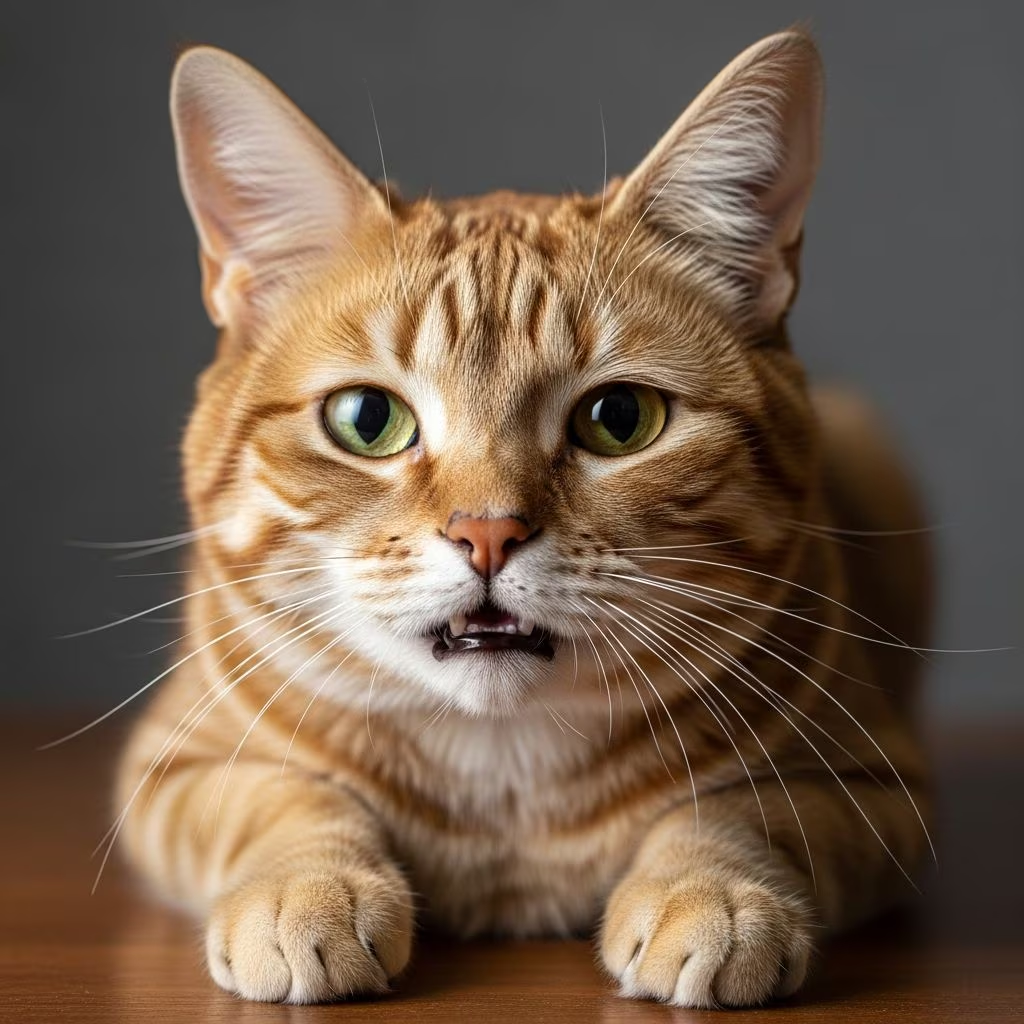
Acromegaly in Cats: Understanding This Serious Hormonal Disorder
Acromegaly, also known as hypersomatotropism, is a serious hormonal disorder that affects cats of all ages and breeds. This condition results from chronic excessive secretion of growth hormone in adult animals, typically caused by a growth hormone-secreting tumor of the anterior pituitary gland. The disease is particularly significant because it commonly develops in cats with diabetes mellitus, making it an important differential diagnosis for veterinarians treating diabetic felines. Understanding acromegaly is crucial for cat owners and veterinary professionals, as early recognition and appropriate management can significantly improve a cat’s quality of life and prognosis.
What Causes Acromegaly in Cats?
Acromegaly in cats is caused by a pituitary tumor that secretes excessive amounts of growth hormone. The anterior pituitary gland, located at the base of the brain, normally produces growth hormone in regulated amounts. When a benign tumor develops in this gland, it produces growth hormone without the normal regulatory controls, leading to elevated insulin-like growth factor 1 (IGF-1) levels throughout the body. These tumors typically grow slowly in cats and can remain undetected for extended periods before clinical signs become apparent. The chronic elevation of growth hormone and IGF-1 causes progressive changes throughout the body, affecting multiple organ systems and metabolic processes.
The exact reason why these tumors develop in cats remains unclear, though age appears to be a factor, as acromegaly typically affects middle-aged to older cats. The condition is relatively common among cats with diabetes mellitus, suggesting an association between growth hormone abnormalities and metabolic dysfunction. Interestingly, the prevalence of acromegaly among diabetic cats appears to be higher than previously estimated, with recent studies revealing that a significant proportion of diabetic cats may have underlying acromegaly.
Clinical Signs and Symptoms
The clinical presentation of acromegaly in cats can be highly variable and often subtle, making diagnosis challenging. While classic signs associated with the disease include enlargement of the feet and head, many cats display less obvious symptoms. The most common clinical signs include:
- Insulin-resistant diabetes mellitus that is difficult to control with standard insulin therapy
- Weight gain despite appropriate diet management
- Enlarged paws and facial features, including a broader face and prominent chin
- Increased interdental spacing and dental abnormalities
- Joint and bone changes leading to lameness and difficulty moving
- Neurological signs including dullness, lethargy, abnormal behavior, circling, and in severe cases, blindness
- Secondary renal failure and kidney dysfunction
- Cardiovascular changes and heart disease, including congestive heart failure
Many cats with acromegaly also develop secondary complications. Glomerulopathy and renal failure are significant concerns, as histologic evaluation of kidneys in affected cats reveals thickening of the glomerular basement membrane, Bowman’s capsule, periglomerular fibrosis, and degeneration of renal tubules. Additionally, degenerative arthropathy and peripheral diabetic neuropathy contribute to lameness and mobility issues. Cardiovascular complications are particularly serious, with echocardiography revealing various changes including atrial enlargement, interventricular septal thickening, left ventricular hypertrophy, and diastolic dysfunction.
Diagnosis of Feline Acromegaly
One of the primary challenges in managing acromegaly is that no single diagnostic test exists for the condition. Diagnosis requires a combination of clinical suspicion based on history and physical examination findings, along with specific laboratory tests and imaging studies. The diagnostic approach typically follows these steps:
Initial Evaluation
The diagnostic process begins with a thorough physical examination and complete medical history. Veterinarians should pay particular attention to cats presenting with diabetes mellitus that is poorly responsive to standard therapy, including high-protein, low-carbohydrate diets and insulin administration. Physical examination findings such as enlarged paws, facial changes, increased interdental spacing, or neurological signs should raise suspicion for acromegaly.
Laboratory Testing
Blood work and urinalysis are typically recommended during the initial evaluation. Measurement of insulin-like growth factor 1 (IGF-1) levels is the primary screening tool for acromegaly. Elevated IGF-1 levels are suggestive of acromegaly and warrant further investigation. Some laboratories also measure feline growth hormone (GH) levels directly, and a combination of both IGF-1 and feline GH determination provides greater diagnostic confidence. Many of the abnormalities noted in complete blood counts and serum chemistry profiles of affected cats reflect concurrent diabetes mellitus, underscoring the importance of careful clinical evaluation.
Imaging Studies
Once IGF-1 or feline GH determination suggests acromegaly, intracranial imaging is indicated. Computed tomography (CT) or magnetic resonance imaging (MRI) of the pituitary region can help identify pituitary enlargement or tumors. Intracranial contrast-enhanced CT and/or MRI successfully established a definitive diagnosis of acromegaly in approximately 94% of carefully assessed cases. However, false negative results have been documented, and differentiation of specific pituitary abnormalities is not always possible based on imaging alone. Therefore, imaging should be used in conjunction with hormonal test results to establish a confident diagnosis.
Cardiac Evaluation
Given the cardiovascular complications associated with acromegaly, echocardiography is recommended to assess the heart’s structure and function. This evaluation helps guide treatment decisions and monitor for potential cardiac complications.
Treatment Options for Acromegalic Cats
Treatment options for feline acromegaly include medical management, radiation therapy, surgical intervention, and supportive care. The choice of treatment depends on various factors including the cat’s overall health status, the owner’s preferences, financial considerations, and the expertise of the veterinary team.
Radiation Therapy
Radiation therapy is currently considered the most effective and most accessible treatment option for feline acromegaly. Traditional external beam radiation therapy delivers radiation to the pituitary tumor over multiple treatments. Recently, stereotactic radiation therapy (SRT), also known as stereotactic radiosurgery (SRS), represents the newest and most convenient treatment available. This advanced radiation technology delivers treatment with extreme accuracy and precision, allowing for high radiation doses directly to the tumor while nearby critical organs, such as the eyes and surrounding brain tissue, receive much lower doses. The advantage of SRT is that it typically requires fewer treatment sessions than conventional radiation therapy.
However, radiation therapy has limitations. Pituitary tumors take more than three years to shrink significantly, meaning the timeline for improvement can be lengthy. Additionally, resolution or improvement of diabetes mellitus and neurological signs may take considerable time to manifest. Some cats may experience improved glycemic control or even remission of diabetes following successful radiotherapy.
Medical Management
Medical treatment options include dopamine agonists, somatostatin analogues, and high-dose insulin therapy. Dopamine agonists such as bromocriptine have been used in human acromegaly treatment, though their effectiveness in cats has been limited. Somatostatin analogues represent a newer pharmacological approach. Treatment with pasireotide, a novel somatostatin analogue, has shown success in some cats with acromegaly; however, dosing requirements need further study, and treatment is relatively expensive. Long-acting somatostatin analogue preparations have provided some evidence of benefit in certain acromegalic cats, though results remain unpredictable.
High-dose insulin therapy is often used as a palliative measure, particularly when other treatments are unavailable or declined. Cats with acromegaly typically require increasingly higher doses of insulin due to insulin resistance caused by excess growth hormone. While this approach does not address the underlying tumor or hormonal excess, it helps manage the secondary diabetes mellitus.
Surgical Treatment (Hypophysectomy)
Hypophysectomy, or surgical removal of the pituitary gland, is a viable but less commonly performed treatment option. While successful hypophysectomy can result in rapid remission of clinical signs due to decreased hormone concentrations, the procedure carries significant risks. Adverse effects commonly observed after hypophysectomy include transient diabetes insipidus and other complications associated with pituitary insufficiency. Additionally, hypophysectomy requires advanced surgical expertise and may not be available at all veterinary facilities.
Prognosis and Long-Term Management
The prognosis for cats with acromegaly depends on several factors including the treatment chosen, the cat’s response to therapy, and the presence of concurrent complications. Short-term prognosis with appropriate treatment is generally fair to good, with many cats showing improvement in clinical signs and glycemic control. However, long-term prognosis remains poor, as acromegaly is ultimately a lifelong disease for affected cats. Most cats eventually succumb to organ failure, commonly from congestive heart failure or progressive renal failure.
Regardless of the treatment modality selected, affected cats require lifelong management and monitoring. Regular follow-up examinations, repeated laboratory testing to assess hormonal levels and kidney function, and cardiac monitoring help detect disease progression or treatment complications. Many cats with acromegaly are not diagnosed until after death, highlighting the importance of including acromegaly in the differential diagnosis for diabetic cats with unusual presentations or poor response to standard therapy.
Frequently Asked Questions About Feline Acromegaly
What is the difference between acromegaly and gigantism in cats?
Gigantism refers to excessive growth hormone secretion that occurs before the growth plates close, typically in young animals, resulting in overall increased body size. Acromegaly occurs after skeletal maturity when growth plates have already closed, resulting in abnormal growth of the extremities and facial features rather than proportional body enlargement. In cats, acromegaly is the typical presentation because the condition usually develops in middle-aged to older animals after growth cessation.
How common is acromegaly in cats?
Recent studies suggest that acromegaly is more prevalent among diabetic cats than previously recognized. A significant proportion of diabetic cats appear to have underlying acromegaly, though the exact prevalence across the general feline population remains unclear. Many cases likely go undiagnosed because clinical signs are subtle or attributed solely to diabetes mellitus.
Can acromegaly in cats be cured?
While treatment can successfully manage clinical signs and improve quality of life, acromegaly cannot be permanently cured in most cats. Radiation therapy provides the best long-term response, potentially achieving remission in some cases, but pituitary tumors grow slowly and may take years to respond. Most cats require lifelong treatment and monitoring.
How much does acromegaly treatment cost?
Treatment costs vary significantly depending on the modality chosen. Medical management with medications such as somatostatin analogues can be relatively expensive but ongoing. Radiation therapy, particularly stereotactic radiation, represents a substantial upfront investment but may reduce long-term medication costs. Surgical hypophysectomy costs depend on surgical expertise and facility availability.
Should I test my diabetic cat for acromegaly?
Yes, veterinarians now recommend testing diabetic cats for acromegaly, particularly those who are not responding well to standard insulin therapy or demonstrate other clinical signs suggestive of acromegaly. IGF-1 testing is a simple blood test that serves as an effective screening tool. Early diagnosis allows for more informed treatment decisions and improved management of the condition.
References
- Acromegaly in Cats – Causes, Treatment and Associated Conditions — Vetster. 2024. https://vetster.com/en/conditions/cat/acromegaly
- Feline acromegaly: The keys to diagnosis — DVM360. 2024. https://www.dvm360.com/view/feline-acromegaly-keys-diagnosis
- Radiation Oncology: Feline Acromegaly, Pituitary tumors in Cats — NC State College of Veterinary Medicine. 2024. https://hospital.cvm.ncsu.edu/services/small-animals/cancer-oncology/radiation-oncology/feline-acromegaly-pituitary-tumors-in-cats/
- Feline Acromegaly: An Essential Differential Diagnosis for the Diabetic Cat — NCBI/PMC. 2024. https://pmc.ncbi.nlm.nih.gov/articles/PMC10845472/
- Acromegaly in Cats – Endocrine System — MSD Veterinary Manual. 2024. https://www.msdvetmanual.com/endocrine-system/the-pituitary-gland/acromegaly-in-cats



