

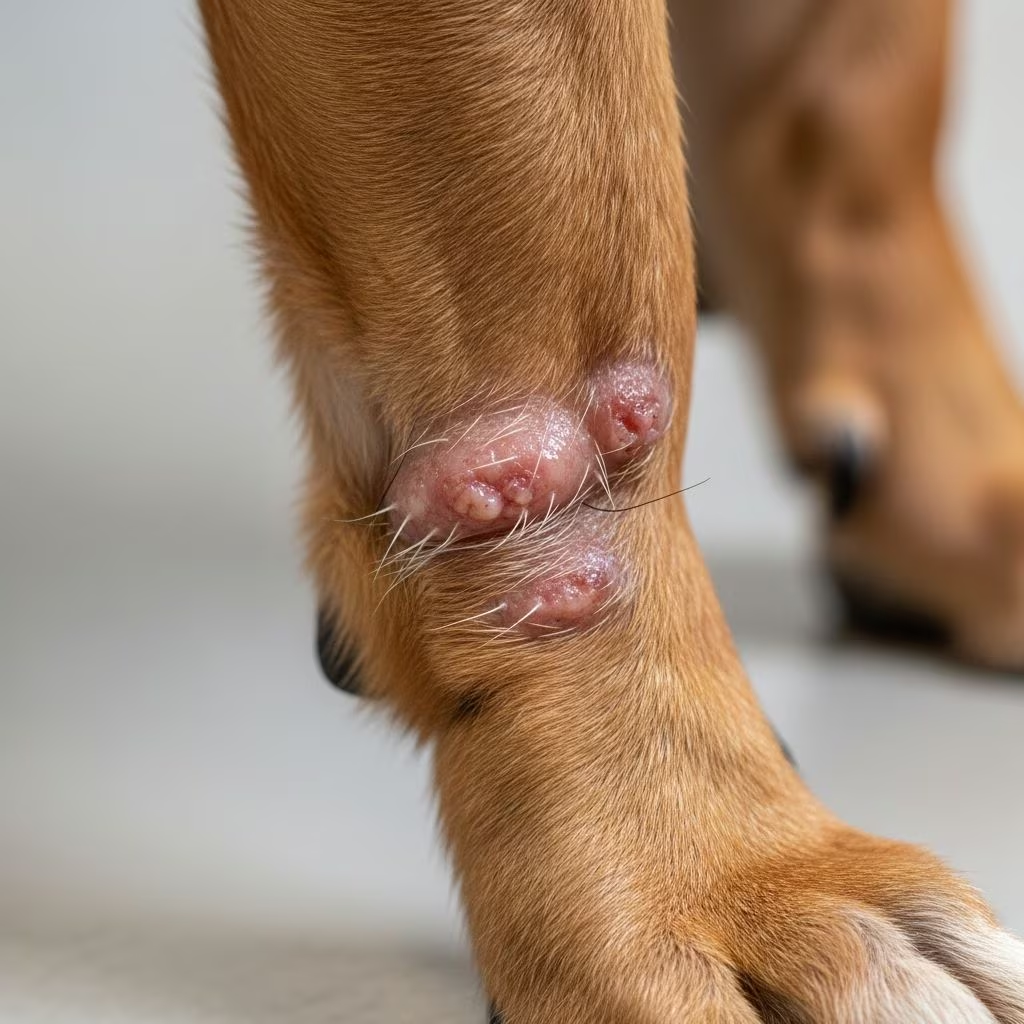
Acral lick dermatitis, commonly referred to as lick granuloma, is a persistent skin condition in dogs characterized by self-inflicted lesions from excessive licking, primarily on the lower limbs. This frustrating disorder creates a cycle of itchiness and licking that thickens and ulcerates the skin, often resisting simple treatments.
Recognizing the Signs of Lick Granulomas
Dogs with this condition typically show repetitive licking focused on specific spots, leading to visible changes in the skin. Early detection is crucial to break the cycle before it worsens.
- Hair loss in a defined area, starting small but expanding with continued licking.
- Redness and inflammation, making the site appear irritated and warm to the touch.
- Thickened, raised plaques that feel firm, evolving into eroded or ulcerated nodules over time.
- Moist or weeping lesions due to saliva and serum, preventing natural healing and inviting secondary infections.
- Occasional odor or discharge if bacterial involvement occurs, common in chronic cases.
These symptoms most frequently appear on the front legs near the carpal joint (wrist) or the hind legs at the hock (ankle), areas easily accessible in a resting position.
Primary Locations Affected
| Body Part | Frequency | Common Breeds |
|---|---|---|
| Front leg carpus | Most common | Labrador Retriever, Doberman Pinscher |
| Hind leg hock | Second most common | Great Dane, German Shepherd |
| Feet or paws | Less frequent | Golden Retriever, Irish Setter |
Large and medium breeds over five years old are predisposed, with males slightly more affected.
Root Causes Behind the Licking Behavior
The exact trigger varies, but a combination of physical and psychological factors initiates the compulsive licking. Identifying the underlying issue is key to effective management.
Physical Triggers
- Allergies: Environmental (atopic dermatitis), food sensitivities, or flea allergies cause initial itchiness, prompting licking for relief. These are the leading causes.
- Infections: Bacterial folliculitis, fungal issues, or parasites like demodex mites exacerbate irritation.
- Pain from injuries: Joint problems (arthritis), neuropathy, trauma, or foreign bodies in the skin.
- Neoplasia or other diseases: Rarely, tumors or orthopedic issues contribute.
Psychological Factors
Once physical irritation starts, behavioral elements sustain it. Boredom, anxiety, separation stress, or obsessive-compulsive tendencies release endorphins during licking, reinforcing the habit like a natural opioid. Secondary deep bacterial infections then perpetuate the itch-lick cycle, even after the original trigger resolves.
How the Condition Develops Over Time
The progression follows a predictable path:
- Initial irritation: Minor itch from allergy or injury prompts licking.
- Self-trauma: Constant moisture from saliva erodes skin, causing hair loss and redness.
- Thickening and infection: Skin hyperpigments and firms; bacteria invade follicles, leading to furunculosis.
- Chronic granuloma: Firm plaque forms, resistant to healing due to nerve damage and endorphin reinforcement.
Lesions are usually solitary but can multiply if untreated, recurring at the same or new sites.
Diagnosing Acral Lick Dermatitis
Veterinarians start with a thorough history and physical exam, noting lick patterns and lesion characteristics. Differential diagnoses include malignancies or deep pyoderma.
- Skin scrapings and cytology: Rule out mites or bacteria.
- Culture and biopsy: Identify infections or confirm granuloma via histopathology showing lichenification and inflammation.
- Allergy testing: Intradermal or blood tests for atopy; elimination diets for food issues.
- Imaging: X-rays for joint or bone abnormalities.
Addressing secondary infections is vital, as they sustain the cycle.
Treatment Strategies to Break the Cycle
Management combines addressing root causes, preventing licking, and treating lesions. Success rates improve with early intervention, though chronic cases challenge even experts.
Topical and Localized Therapies
- Antibiotics: Oral or topical for bacterial infections, often 4-8 weeks based on culture.
- Steroids or anti-inflammatories: Intralesional injections for rapid reduction in severe cases.
- Protective devices: Elizabethan collars, bandages, or boots to block access.
Systemic Medications
- Apoquel or Cytopoint: For allergic itch control.
- Antidepressants: Clomipramine or fluoxetine for compulsive behavior.
- Anticonvulsants: Like gabapentin for neuropathic pain.
Behavioral and Environmental Changes
Increase exercise, puzzle toys, and mental stimulation to combat boredom. Desensitization training helps anxiety-driven cases.
| Treatment Type | Examples | Success Rate Insight |
|---|---|---|
| Preventive | Collars, bandages | High initially, drops if cause untreated |
| Medical | Antibiotics, steroids | 60-80% with combined therapy |
| Behavioral | Exercise, meds | Essential for recurrence prevention |
Prevention Tips for Dog Owners
Proactive steps reduce risk:
- Monitor for early itching or allergies with regular flea control and hypoallergenic diets.
- Provide ample physical and mental activity for high-energy breeds.
- Schedule routine vet check-ups, especially for seniors prone to joint issues.
- Use protective gear post-injury to prevent habit formation.
When to Seek Veterinary Help Urgently
Consult a vet if licking persists over days, lesions enlarge, or lameness appears. Delays worsen fibrosis and complicate recovery.
Frequently Asked Questions (FAQs)
Can acral lick dermatitis heal on its own?
Rarely, as the self-perpetuating cycle requires intervention. Early cases may resolve with cause removal, but most need treatment.
Is it painful for my dog?
Initially itchy more than painful, but chronic lesions cause discomfort from inflammation and infection.
Which breeds are most at risk?
Great Danes, Labradors, Dobermans, and other large breeds over age 5.
How long does treatment take?
Weeks to months; recurrence is common without addressing root causes.
Can diet help manage it?
Yes, if food allergies underlie it—trial hydrolyzed diets under vet guidance.
Long-Term Outlook and Prognosis
With comprehensive care, many dogs achieve remission, though vigilance prevents relapse. Multidisciplinary approaches yield best results, blending dermatology, behavior, and orthopedics. Owners report improved quality of life post-management, emphasizing patience and consistency.
References
- Diagnosis and Treatment of Canine Acral Lick Dermatitis — PubMed/NCBI. 2018-09-28. https://pubmed.ncbi.nlm.nih.gov/30268424/
- Acral Lick Granulomas in Dogs — PetMD. Recent update. https://www.petmd.com/dog/conditions/skin/acral-lick-granulomas-dogs
- Lick Granuloma in Dogs — VCA Animal Hospitals. Recent update. https://vcahospitals.com/know-your-pet/lick-granuloma-in-dogs
- Acral Lick Dermatitis – Canine — University of Minnesota Open Library (.edu). Recent. https://open.lib.umn.edu/animaldermatology3/chapter/1m-acral-lick-dermatitis-canine/
- Acral Lick Dermatitis in Dogs — WagWalking. Recent update. https://wagwalking.com/condition/acral-lick-dermatitis
- Acral Lick Granuloma — DCFAWA Veterinary Dermatology. Recent. https://www.dcfawa.com/acral-lick-granuloma
- Acral lick granuloma: stopping the itch-lick cycle — DVM360. Recent. https://www.dvm360.com/view/acral-lick-granuloma-stopping-itch-lick-cycle



