

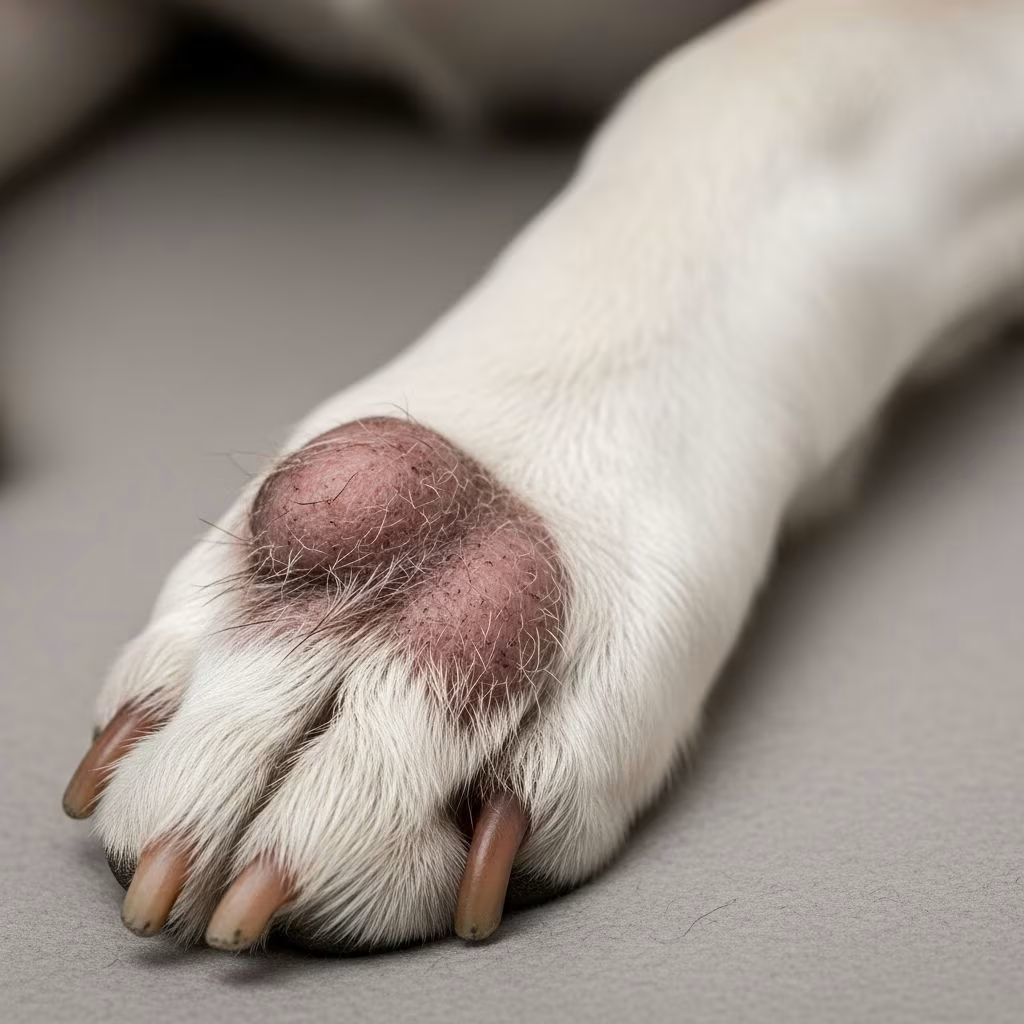
Acral lick dermatitis, commonly referred to as lick granuloma, is a frustrating skin condition in dogs characterized by self-inflicted lesions from repetitive licking, primarily on the lower limbs. This cycle of itch and lick often stems from underlying physical or psychological triggers, leading to thickened, ulcerated skin that resists healing without intervention.
Understanding the Nature of Lick Granulomas
Lick granulomas develop when dogs obsessively target a specific spot, usually the carpal pad on the front leg or the hock on the hind leg, causing hair loss, redness, and firm, raised plaques. The constant moisture from saliva prevents proper healing, fostering secondary bacterial infections that perpetuate the behavior. Unlike simple wounds, these lesions are self-trauma driven, making them challenging to manage without addressing root causes.
Medium to large breeds such as German Shepherds, Dobermans, Labrador Retrievers, Golden Retrievers, Great Danes, Weimaraners, and Irish Setters are most susceptible, possibly due to genetic predispositions to allergies or anxiety. The condition typically emerges in middle-aged dogs, though it can affect any age if triggers are present.
Common Symptoms to Watch For
Early detection is crucial to interrupt the damaging cycle. Key signs include:
- Intense, repetitive licking focused on one area, often noticed at night or when alone.
- Hairless, reddened skin that progresses to thickened, leathery plaques.
- Ulceration or oozing from the lesion, with a characteristic firm nodule feel.
- Lameness or reluctance to bear weight if the site is painful or infected.
- Secondary issues like foul odor from bacterial overgrowth or yeast involvement.
Owners might first notice a small irritated spot that rapidly worsens despite home remedies like cones or bandages, which the dog circumvents.
Root Causes Behind the Compulsive Licking
Acral lick dermatitis rarely has a single cause; it’s multifactorial, blending physical irritants with behavioral components. Primary triggers include:
| Category | Examples | Prevalence |
|---|---|---|
| Allergies | Atopic dermatitis, food sensitivities, flea allergy | Most common |
| Infections/Parasites | Bacterial folliculitis, demodicosis, fungal issues | Frequent secondary |
| Pain Sources | Osteoarthritis, neuropathy, trauma, foreign bodies | Common in seniors |
| Psychological | Anxiety, boredom, OCD-like behaviors, stress | Contributing factor |
Allergies top the list, with environmental pollen, dust mites, or food proteins sparking initial itch that evolves into habit. Pain from joint diseases prompts licking for endorphin relief, while psychological factors like separation anxiety amplify the behavior, creating a self-reinforcing loop. Deep bacterial infections, often Staphylococcus, sustain irritation once established.
Diagnostic Approaches for Accurate Identification
Veterinarians employ a systematic process to pinpoint causes, starting with a thorough history and physical exam. Key steps include:
- Skin scrapings and cytology to rule out parasites like Demodex or mites.
- Culture and biopsy for bacterial/fungal confirmation and to exclude neoplasia.
- Allergy testing (intradermal or serum) or elimination diets for hypersensitivity.
- Radiographs or joint taps if orthopedic pain is suspected.
- Behavioral assessment for anxiety indicators.
Differentiating from similar conditions like interdigital cysts or mast cell tumors requires histopathology, revealing characteristic lichenification and fibrosis. Early diagnosis prevents chronicity, as untreated cases deepen the lick cycle.
Multifaceted Treatment Strategies
Treatment targets both the lesion and underlying drivers, often requiring a multimodal plan. Core components:
Preventing Access to the Site
Physical barriers like Elizabethan collars, padded boots, or bitter sprays deter licking temporarily. Radiation therapy or laser ablation offers longer relief for stubborn cases.
Addressing Infections
Topical and systemic antibiotics (e.g., cephalexin) based on cultures clear secondary pyoderma. Antifungals if yeast predominates.
Managing Underlying Conditions
- Allergies: Antihistamines, Apoquel, Cytopoint injections, or immunotherapy.
- Pain: NSAIDs, joint supplements, physical therapy.
- Behavior: Fluoxetine or clomipramine for OCD, plus environmental enrichment.
Success rates improve with combined therapies; for instance, allergy control plus behavior modification resolves 70-80% of cases.
Prevention and Long-Term Management
Proactive steps reduce recurrence:
- Regular flea prevention and hypoallergenic diets.
- Daily exercise to combat boredom and anxiety.
- Mental stimulation via puzzle toys and training.
- Annual vet check-ups for early allergy or joint detection.
Monitor for relapse triggers like seasonal allergens, adjusting protocols accordingly.
Frequently Asked Questions (FAQs)
What breeds are most prone to acral lick dermatitis?
Large breeds like German Shepherds, Labs, and Dobermans due to allergy and anxiety tendencies.
Can lick granulomas heal on their own?
Rarely, as licking persists; intervention is essential to break the cycle.
Is surgery an option for lick granulomas?
Yes, for refractory cases, including CO2 laser or cryosurgery post-infection control.
How long does treatment take?
Weeks to months, depending on cause resolution; patience is key.
Can diet help with acral lick dermatitis?
Yes, novel protein diets identify food allergies triggering licks.
Case Studies: Real-World Recovery Stories
Consider a 5-year-old Labrador with a carpal lesion: Allergy testing revealed pollen sensitivity, treated with Cytopoint and fluoxetine, healing in 8 weeks. Another Great Dane’s hock granuloma linked to osteoarthritis responded to NSAIDs and boot therapy. These illustrate tailored approaches’ efficacy.
In summary, acral lick dermatitis demands detective work to uncover triggers, followed by persistent management. With veterinary guidance, most dogs regain comfort and skin integrity.
References
- Diagnosis and Treatment of Canine Acral Lick Dermatitis — PubMed/NCBI. 2018-09-01. https://pubmed.ncbi.nlm.nih.gov/30268424/
- Acral Lick Granulomas in Dogs — PetMD. 2023-05-15. https://www.petmd.com/dog/conditions/skin/acral-lick-granulomas-dogs
- Acral Lick Dermatitis – Canine — University of Minnesota Open Library (.edu). 2022-08-10. https://open.lib.umn.edu/animaldermatology3/chapter/1m-acral-lick-dermatitis-canine/
- Lick Granuloma in Dogs — VCA Animal Hospitals. 2024-02-20. https://vcahospitals.com/know-your-pet/lick-granuloma-in-dogs
- Acral Lick Dermatitis in Dogs — WagWalking. 2023-11-05. https://wagwalking.com/condition/acral-lick-dermatitis
- What is acral lick dermatitis in dogs? — Fetch Pet Insurance. 2024-01-12. https://www.fetchpet.com/the-dig/acral-lick-dermatitis-in-dogs
- Acral lick granuloma: stopping the itch-lick cycle — dvm360. 2023-07-18. https://www.dvm360.com/view/acral-lick-granuloma-stopping-itch-lick-cycle



