

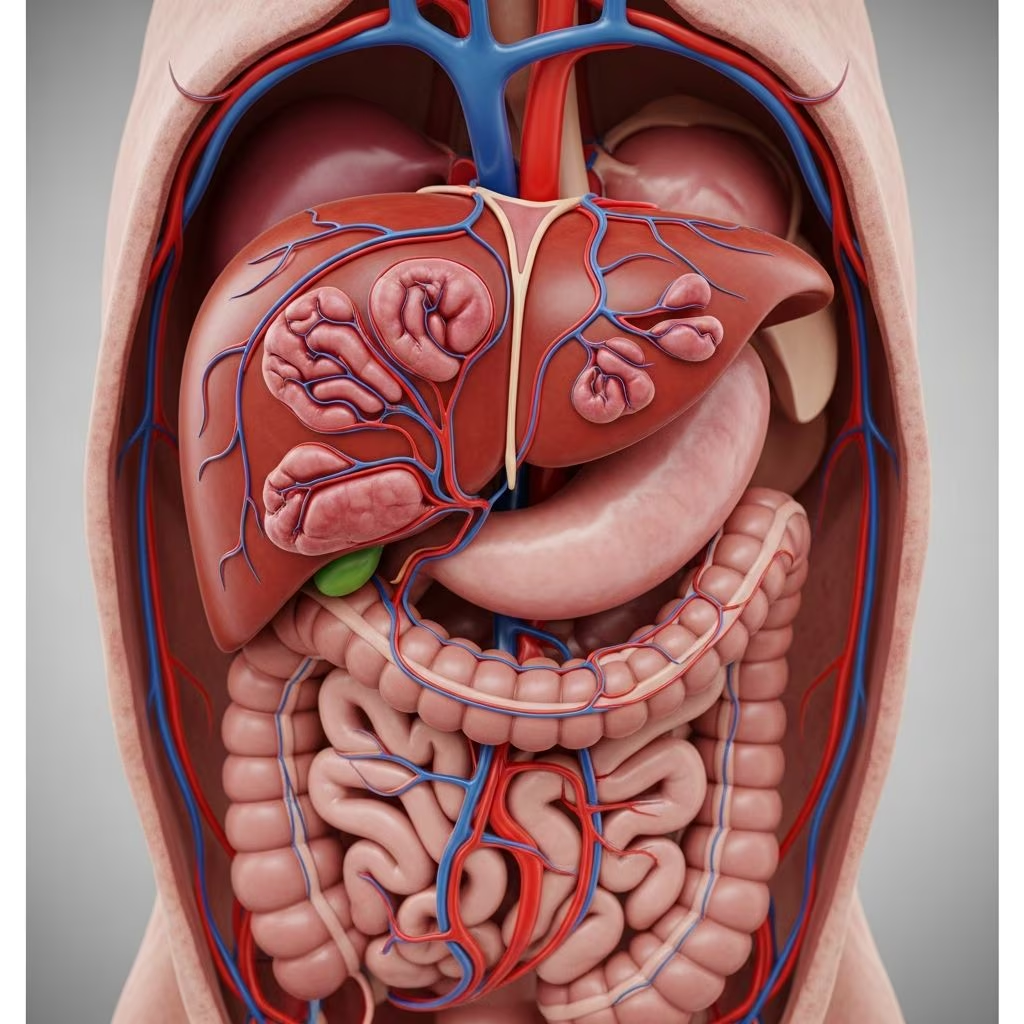
Acquired portosystemic shunts (APSS) develop in dogs and cats as a response to elevated pressure in the portal vein system, known as portal hypertension. These abnormal blood vessels bypass the liver, allowing toxins to enter the general circulation untreated, leading to various health complications.
Understanding Portal Hypertension and Shunt Formation
Portal hypertension arises from blockages or damage in the portal venous system, which carries blood from the digestive organs to the liver for detoxification. When pressure builds, the body compensates by opening dormant embryonic vessels, forming multiple tortuous shunts typically 4-6 weeks after the onset of hypertension.
Common locations for these shunts include areas near the left kidney (via gonadal veins), colorectal regions, and splenic vessels. Unlike human esophageal varices, these are rarely seen in pets, with nests of dilated vessels detectable via Doppler ultrasound showing turbulent flow.
Primary Causes of Acquired Shunts
APSS stem from diverse underlying issues categorized as prehepatic, hepatic, or posthepatic. Prehepatic causes involve blockages before the liver, such as portal vein thrombosis or strictures.
- Portal vein issues: Thrombosis, strictures, fibrosis, or inflammation narrowing the vessel.
- Hepatic parenchymal diseases: Chronic hepatitis, cirrhosis, fibrosis, or neoplasia impairing intrahepatic blood flow.
- Posthepatic obstructions: Hepatic vein thrombosis (Budd-Chiari-like syndrome), veno-occlusive disease, or sinusoidal occlusion syndrome blocking outflow to the vena cava.
These conditions trigger microvascular changes, leading to widespread shunt development rather than a single vessel.
Recognizing Clinical Signs in Affected Pets
Pets with APSS exhibit signs similar to congenital shunts but often alongside liver disease symptoms. Neurological issues from hepatic encephalopathy, such as disorientation, seizures, or coma, result from ammonia buildup.
| System Affected | Common Signs |
|---|---|
| Neurological | Head pressing, ataxia, depression, seizures |
| Gastrointestinal | Vomiting, diarrhea, poor appetite, weight loss |
| Urinary | Excessive thirst, urination; ammonium biurate crystals |
| General | Stunted growth, ascites, bruising |
These manifestations reflect both toxin accumulation and portal hypertension effects like fluid leakage into the abdomen.
Diagnostic Approaches for Confirmation
Diagnosis requires distinguishing APSS from congenital single shunts, as treatment differs markedly. Initial screening involves bloodwork showing low protein, elevated bile acids, and low urea.
Imaging modalities:
- Abdominal ultrasound with color Doppler to visualize tortuous vessels and exclude single shunts.
- CT or MRI angiography for detailed vascular mapping.
- Scintigraphy to quantify shunt fraction via radiotracer uptake.
Liver biopsy is essential to identify the hypertension cause, revealing fibrosis, thrombosis, or neoplasia. Finding APSS contraindicates surgery for presumed congenital shunts, emphasizing thorough evaluation.
Differentiating Congenital vs. Acquired Shunts
Congenital shunts are single vessels present at birth, common in small breeds (extrahepatic) or large breeds (intrahepatic), amenable to surgical correction.
Acquired shunts, conversely, are multiple, develop later, and signal severe liver pathology. Surgical closure risks acute portal hypertension and liver failure, as shunts serve as vital decompressors.
| Feature | Congenital | Acquired |
|---|---|---|
| Number of vessels | Single | Multiple/tortuous |
| Age of onset | Birth/young | Adult/older |
| Breed predilection | Small dogs, cats | Any |
| Treatment | Surgery possible | Medical only |
Medical Management Strategies
Treatment focuses on the underlying cause and symptom palliation, as shunt ligation is contraindicated.
- Dietary modification: Protein-restricted, lactulose-supplemented diets reduce ammonia production.
- Medications: Lactulose for bowel acidification, antibiotics like neomycin or metronidazole to decrease bacterial toxins, and diuretics for ascites.
- Addressing root cause: Anticoagulants for thrombosis, anti-inflammatories for hepatitis, or chemotherapy for neoplasia.
Monitoring includes serial bile acid tests, ultrasound, and clinical reassessment to adjust therapy.
Prognosis and Long-Term Care
Outcomes depend on the underlying liver disease severity. Early intervention in reversible causes like thrombosis improves survival, but advanced cirrhosis carries a guarded prognosis.
Owners must commit to lifelong management: regular vet visits, medication adherence, and dietary compliance. Many pets achieve stable quality of life with diligent care.
Recent Advances in Veterinary Care
Interventional radiology offers minimally invasive options for select cases, such as coil embolization for intrahepatic components, though primarily for congenital shunts. Research into antifibrotic drugs and targeted therapies for chronic hepatitis may reduce APSS incidence in the future.
Frequently Asked Questions (FAQs)
What triggers acquired portosystemic shunts?
They form due to portal hypertension from liver diseases, vein clots, or outflow blocks, reopening collateral vessels.
Can surgery fix acquired shunts?
No, surgery risks fatal hypertension; medical management is the standard.
How do I know if my pet has APSS?
Symptoms like seizures, poor growth, and high bile acids prompt ultrasound and biopsy for confirmation.
Is there a breed risk for acquired shunts?
Unlike congenital, acquired shunts affect any breed, linked to liver health rather than genetics.
What is the expected lifespan post-diagnosis?
Varies by cause; reversible issues yield better outcomes, with medical control extending life comfortably.
References
- Acquired Portosystemic Shunts in Small Animals — Merck Veterinary Manual. 2023. https://www.merckvetmanual.com/digestive-system/hepatic-diseases-of-small-animals/acquired-portosystemic-shunts-in-small-animals
- Portosystemic Shunts in Dogs (Proceedings) — dvm360. 2022-05-01. https://www.dvm360.com/view/portosystemic-shunts-dogs-proceedings
- Portosystemic Shunt in Dogs — VCA Animal Hospitals. 2024. https://vcahospitals.com/know-your-pet/portosystemic-shunt-in-dogs
- Care for Patients with Portosystemic Shunts — Veterinary Internal Medicine Nursing. 2023. https://veterinaryinternalmedicinenursing.com/medical-nursing-podcast/care-for-patients-with-portosystemic-shunts
- Portosystemic Shunt — Southpaws Specialty & Referral Vet. 2023. https://www.southpaws.com.au/portosystemic-shunt/
- Portosystemic Shunts in Cats — Vetster. 2024. https://vetster.com/en/conditions/cat/portosystemic-shunts



