

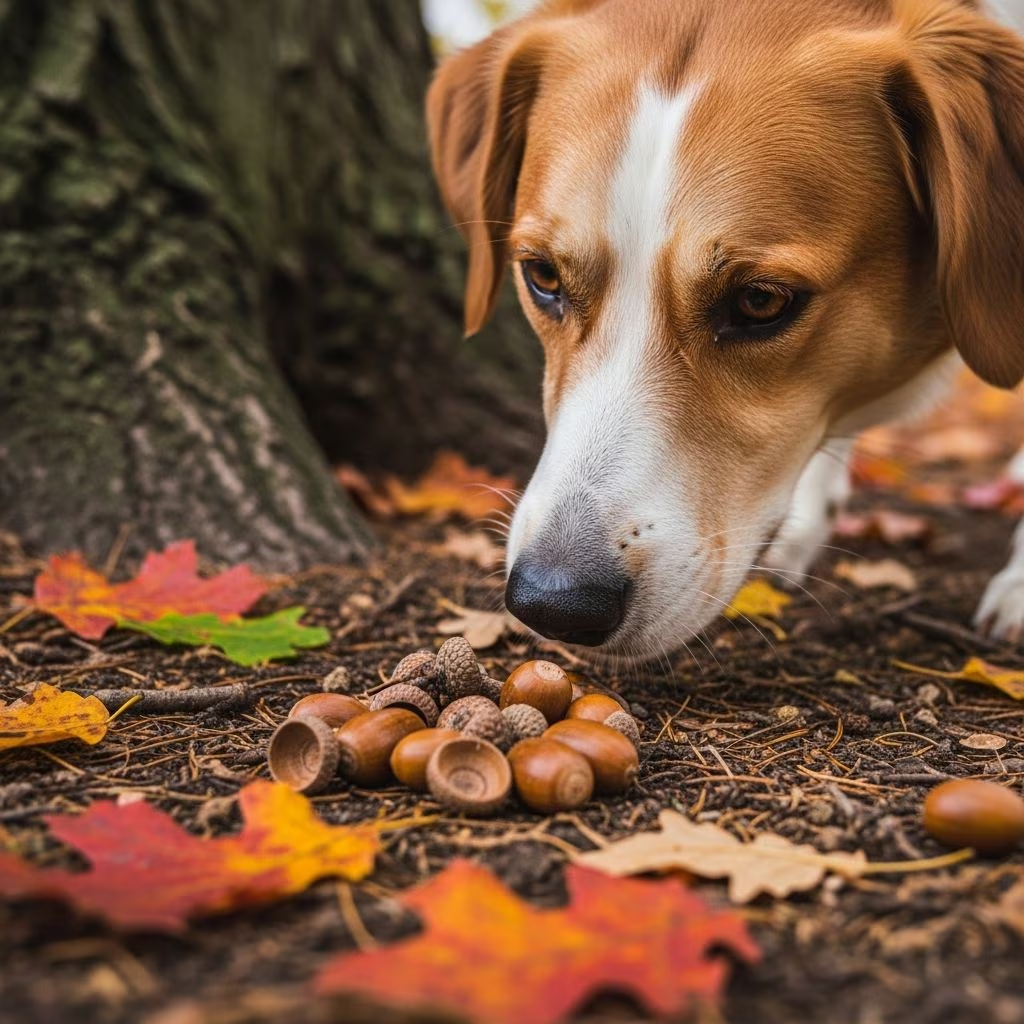
During autumn months, many dog owners notice their pets showing interest in fallen acorns scattered across yards and parks. While these nuts might appear harmless and natural, they present serious health threats to dogs. Acorns are toxic to canines and can cause multiple medical complications ranging from mild gastrointestinal upset to life-threatening organ failure. Understanding these dangers and taking preventive measures is essential for responsible pet ownership.
Understanding Acorn Composition and Toxicity
Acorns, the fruit of oak trees, contain naturally occurring compounds that are inherently hazardous to dogs. The primary toxic component is a group of substances called tannins, which are bitter, astringent compounds found throughout the acorn structure. When consumed by dogs, these tannins trigger a cascade of harmful effects on their digestive and organ systems.
According to the American Kennel Club’s Chief Veterinary Officer, tannins can provoke severe gastrointestinal distress and, when ingested in sufficient quantities, lead to kidney failure or fatal outcomes. The body’s process of breaking down tannins produces a byproduct called gallic acid, which is responsible for causing damage to vital organs like the liver and kidneys. Additionally, acorns that have sat on the ground for extended periods may develop mold, which produces toxic compounds called mycotoxins. These mycotoxins can trigger neurological symptoms including tremors, seizures, and organ failure if ingested by dogs.
Multiple Pathways to Harm
Acorns threaten dogs through three distinct mechanisms of injury: chemical toxicity, physical obstruction, and mechanical trauma.
Chemical Poisoning from Tannins
The tannin content in acorns represents the most significant chemical threat. Even consuming a small number of acorns can irritate a dog’s sensitive digestive tract lining. This irritation typically manifests as gastrointestinal symptoms that may appear within hours of ingestion. Dogs that consume larger quantities face exponentially greater risks, as the accumulation of tannins and their metabolic byproducts can overwhelm the kidneys and liver, potentially causing permanent damage or death.
Green or unripe acorns pose heightened dangers because they contain substantially higher concentrations of tannins compared to fully mature acorns. Similarly, wet or fermenting acorns that have decomposed on the ground can produce particularly severe gastrointestinal problems. The condition associated with acorn poisoning is medically referred to as Quercus poisoning, named after the scientific genus of oak trees.
Physical Choking and Blockage Risks
Beyond their toxic chemical composition, acorns present serious mechanical hazards. Their hard texture and irregular shape make them choking hazards, particularly for small dog breeds and puppies. The awkward dimensions of acorns can lodge in a dog’s throat, potentially obstructing the airway and requiring emergency intervention.
If acorns are swallowed whole or in large pieces, they can become lodged in the esophagus, stomach, or intestines, creating a potentially life-threatening intestinal blockage. Such obstructions may necessitate emergency surgical intervention. A case documented in veterinary literature involved a seven-year-old Labrador Retriever that required six days of intensive hospital care following acute kidney injury and liver dysfunction caused by acorn ingestion.
Dental and Oral Trauma
When dogs bite into the hard shell of acorns, they risk sustaining dental damage. The acorn’s hardness can crack or chip teeth, causing immediate pain and requiring veterinary dental care. Additionally, the sharp edges of broken acorn shells can puncture or lacerate the mouth and throat tissue.
Acute Clinical Symptoms Following Ingestion
Dogs that consume acorns may exhibit recognizable symptoms indicating poisoning has occurred. These warning signs typically develop rapidly:
- Loss of appetite or refusal to eat
- Vomiting
- Diarrhea (possibly containing blood in severe cases)
- Abdominal pain or discomfort
- Lethargy and reduced energy levels
- Dehydration
- Shock in severe cases
Some dogs may appear visibly lethargic and queasy following an outdoor activity where acorn ingestion occurred. Owners often notice their normally energetic dog becoming withdrawn and nauseated. The severity and onset speed of symptoms depend on the number of acorns consumed and the individual dog’s size and sensitivity.
Risk Stratification Based on Dog Size
A dog’s body weight significantly influences how much acorn consumption becomes dangerous. Smaller dogs require far less toxic exposure to develop serious symptoms compared to larger breeds.
| Dog Size Category | Weight Range | Potentially Toxic Amount |
|---|---|---|
| Extra-small | 2–10 pounds | 1–2 acorns |
| Small | 11–20 pounds | 2–3 acorns |
| Medium | 21–50 pounds | 3–4 acorns |
| Large | 51–90 pounds | 4–5 acorns |
| Extra-large | 91+ pounds | 5–6 acorns |
Even a single acorn can cause stomach upset or pose significant choking hazards in small dogs. The risk is not strictly dose-dependent; other factors including the dog’s individual metabolism, age, health status, and whether previous acorn exposure has occurred all contribute to the severity of poisoning.
Vulnerable Populations
Certain dogs face elevated risks from acorn exposure. Puppies and senior dogs have less resilient organ systems and may suffer more severe consequences from tannin ingestion. Small dog breeds like Chihuahuas, terriers, and toy poodles are particularly vulnerable both to poisoning and choking hazards due to their diminutive size. Curious dogs that demonstrate a behavioral tendency to pick up and ingest inappropriate items face higher probability of acorn consumption and are therefore at particular risk.
Immediate Actions if Acorn Ingestion Occurs
If you observe your dog consuming acorns or suspect ingestion has occurred, immediate action is critical to prevent serious complications.
- Contact your veterinarian immediately rather than waiting to see if symptoms develop. Delaying treatment can allow toxins and obstructions to cause irreversible damage.
- Provide information about the incident including the approximate number of acorns consumed, the type (green vs. mature), and the timeframe of ingestion.
- Never induce vomiting at home unless specifically instructed by a veterinarian. This well-intentioned action could cause additional harm, particularly if choking is a risk or if aspiration into the lungs occurs.
- Avoid giving your dog food or water until receiving veterinary guidance, as additional material in the stomach may complicate diagnostic procedures or treatment.
- Collect a sample of the acorns if possible to show your veterinarian, which aids in determining tannin content and potential mold contamination.
During the veterinary consultation, the doctor will inquire about the quantity of acorns ingested and your dog’s size to determine appropriate diagnostic testing and treatment protocols. Veterinarians may perform blood work to assess liver and kidney function, abdominal imaging to rule out blockages, or other diagnostics based on your dog’s presentation.
Treatment and Management Approaches
Veterinary treatment for acorn poisoning is primarily supportive, as no specific antidote exists for tannin toxicity. Management strategies focus on preventing further absorption of toxins and supporting affected organ systems.
Activated charcoal may be administered if acorn ingestion is reported within a narrow timeframe, as this can help absorb remaining toxins in the gastrointestinal tract. Intravenous fluids are often provided to support kidney function and promote the elimination of toxic metabolites through increased urination. Dogs may receive anti-nausea medications to manage vomiting, antibiotics if secondary infections develop, and medications to protect gastric lining integrity.
Cases involving intestinal blockage require surgical intervention to remove the obstruction and prevent tissue death. Hospitalization may be necessary for dogs with severe symptoms or significant organ involvement, as happened with the Labrador Retriever case that required six days of intensive care.
Seasonal Prevention Strategies
Preventing acorn ingestion is far more effective than treating poisoning after it occurs. During autumn months when oak trees shed acorns, dog owners should implement protective measures:
- Regularly inspect your yard and remove fallen acorns before your dog accesses the area
- Supervise outdoor activities in parks and natural areas where oak trees grow
- Use a leash during walks in locations with abundant acorn coverage
- Train your dog to drop or leave items on command, reducing the likelihood they will consume found objects
- Consider using a basket muzzle during walks if your dog has a strong habit of picking up ground items
- Rake or clear acorn debris from beneath oak trees on your property
Awareness of oak tree locations on your property and in areas you frequent with your dog enables proactive prevention. Understanding that acorn toxicity is not limited to the nuts themselves is also important—dogs can experience oak tree poisoning by consuming oak leaves, bark, buds, or other plant material from oak trees.
Related Oak-Associated Toxins
While acorns are the most commonly ingested oak-derived hazard, other parts of oak trees present similar risks. Oak leaves, particularly when tender and new in spring, contain high tannin concentrations. Green oak buds emerging in spring are particularly dangerous. Chewing on oak bark can also expose dogs to tannins and potentially cause physical trauma to the mouth and gastrointestinal tract.
If your dog has access to areas with oak trees, preventing ingestion of any oak-derived material reduces overall risk of Quercus poisoning regardless of the specific plant part involved.
Frequently Asked Questions
Can all dogs safely consume occasional acorns?
No. While some sources suggest occasional acorn consumption by large dogs may be tolerated if thoroughly chewed prior to ingestion, this represents a risky generalization. Individual dogs respond differently to tannin exposure, and the margin for safety is narrow. Preventing acorn ingestion entirely remains the safest approach for all dogs regardless of size.
Why do dogs eat acorns when they are harmful?
Dogs investigate acorns through natural foraging instincts, curiosity about novel objects, and sometimes simple playfulness. The taste or texture may appeal to some dogs despite being toxic. This innate behavior cannot be fully eliminated, making environmental management and supervision essential.
How quickly do symptoms appear after acorn ingestion?
Gastrointestinal symptoms can develop within hours of ingestion. However, organ damage from tannin accumulation may progress silently without obvious external symptoms until significant damage has occurred. This is why veterinary evaluation is critical even if your dog appears well.
Are there any acorns that are safe for dogs to eat?
All acorns from oak trees contain tannins and pose toxicity risks. Maturity level and environmental conditions affect tannin concentration, but no acorns are reliably safe for dog consumption.
What if my dog ate one acorn but seems fine?
Contact your veterinarian for guidance even if your dog appears well. A single acorn may not cause noticeable symptoms in large dogs, but veterinary assessment ensures no hidden complications develop. For small dogs, even one acorn warrants professional evaluation.
Conclusion
Acorn ingestion represents a genuine health threat to dogs that requires serious consideration during autumn months. The combination of chemical toxicity from tannins, physical hazards from choking and obstruction, and potential mold contamination creates multiple pathways to serious illness or death. By understanding these risks, recognizing symptoms, and implementing prevention strategies, dog owners can significantly reduce the likelihood of acorn-related emergencies. Prompt veterinary attention if exposure occurs remains the most important factor in preventing permanent organ damage and ensuring recovery.
References
- Can Dogs Eat Acorns and Other Tree Nuts? — American Kennel Club. https://www.akc.org/expert-advice/nutrition/can-dogs-eat-acorns-tree-nuts/
- Can Dogs Eat Acorns? Why They’re Toxic and What To Do — Chewy. https://www.chewy.com/education/dog/food-and-nutrition/can-dogs-eat-acorns
- Are acorns poisonous to dogs? — Vets Now. https://www.vets-now.com/pet-care-advice/acorns-and-dogs/
- Should You Keep Dogs Away From Acorns? — Texas A&M University College of Veterinary Medicine and Biomedical Sciences. https://vetmed.tamu.edu/news/pet-talk/dogs-and-acorns/
- Are acorns bad for dogs? — The Royal Kennel Club. https://www.royalkennelclub.com/health-and-dog-care/health-dog-care/health/health-and-care/a-z-of-health-and-care-issues/acorns/
- Can Dogs Eat Acorns? Risks Every Pet Owner Should Know — Cornerstone Veterinary Clinic. https://cornerstonevetclinic.com/?p=2151
- Dogs Eat Acorns: Can Dogs Eat Acorns? Risks and Safety Tips — Halo Collar. https://www.halocollar.com/blog/dog-safety/dogs-eat-acorns/



