

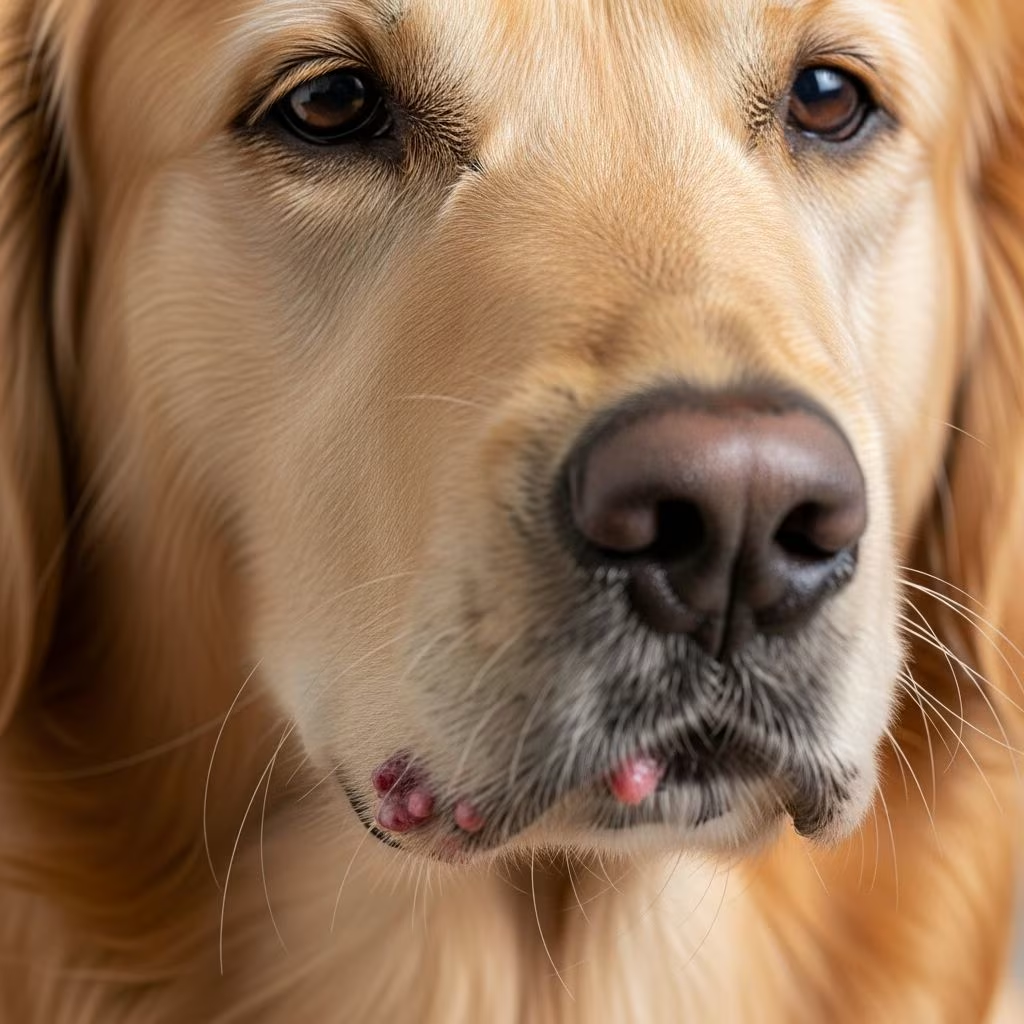
Understanding Canine Acne in Dogs
Canine acne is an inflammatory skin condition that primarily affects young dogs, particularly on the chin, muzzle, and lips. While often considered an adolescent issue similar to human acne, this condition can significantly impact your dog’s comfort and quality of life if left untreated. Understanding the underlying causes and available treatment options is essential for pet owners seeking to manage this common dermatological problem effectively.
The condition manifests as small, red, pimple-like lesions that may cause discomfort and itching. Although canine acne is generally considered benign and self-limiting, proper care and treatment can minimize symptoms and prevent complications such as secondary bacterial infections or scarring.
What Causes Canine Acne?
Canine acne develops through several interconnected mechanisms, and understanding these causes is crucial for effective prevention and treatment. While the exact etiology remains not fully understood, researchers have identified multiple contributing factors that increase the likelihood of acne development in dogs.
Skin Trauma and Folliculitis
One of the primary triggers for canine acne is trauma to the skin around the chin and muzzle area. Many cases of canine acne are thought to be triggered by trauma to the skin of the chin or muzzle, which can cause hairs to break off near the skin’s surface. This trauma leads to a condition called folliculitis, which describes damage to the hair follicles, subsequent infection, itchiness, and pain.
When the hair follicle ruptures due to trauma, its contents are released into the surrounding skin, creating further inflammation since the hair follicle contents are recognized as foreign by the surrounding tissues. This initial inflammation is often sterile (non-infected) in the early stages, but bacteria can easily colonize this damaged skin and lead to secondary infections if not properly managed.
Clogged Hair Follicles and Sebum Accumulation
Excess oily sebum, a substance produced by the sebaceous glands, can mix with dead skin cells and clog hair follicles, causing blackheads, whiteheads, and inflammatory bumps. This accumulation of debris in hair follicles creates an environment conducive to bacterial growth and inflammation, similar to human acne development.
Bacterial Infections
Bacteria such as Staphylococcus and Staphylococcus pseudintermedius can invade damaged hair follicles, causing inflammation and acne formation. When bacteria colonize the damaged follicular tissue, they trigger an inflammatory response that perpetuates the acne cycle and can lead to more severe skin lesions if untreated.
Genetic and Breed Predisposition
Certain dog breeds are more prone to developing acne than others, particularly short-coated breeds such as Boxers, English Bulldogs, and Rottweilers. Genetic factors and breed disposition play a significant role in determining which dogs are more susceptible to this condition. Abnormal follicular keratinization, a condition where skin cells don’t shed properly, is believed to contribute to acne in these breeds in particular.
Hormonal Fluctuations
Just like in humans, hormonal fluctuations can cause acne in dogs, especially during puberty. This is more common in younger dogs and usually diminishes as they grow older, making canine acne primarily an adolescent condition in most cases.
Allergic Reactions and Food Sensitivities
Dogs can develop acne due to allergic reactions to food, environmental factors, or certain grooming products. Food allergies and environmental allergens can lead to skin irritation and the formation of pimples, particularly around the mouth and face. These allergies trigger inflammatory responses that compromise the skin barrier and predispose dogs to acne development.
Poor Grooming and Hygiene
Inadequate grooming can lead to the accumulation of dirt, oils, and bacteria on a dog’s skin, which contributes to pimple development. Additionally, dirt, oil, and debris accumulation on the chin can clog hair follicles, leading to acne formation. Regular cleaning and proper hygiene can help prevent bacterial infections and reduce acne occurrences.
Contact Dermatitis
Frequent rubbing against irritants like scratched plastic bowls can irritate the skin and trigger breakouts on a dog’s chin. Dogs that have contact with abrasive materials or irritating substances are more prone to developing acne in affected areas.
Recognizing Canine Acne Symptoms
Identifying the symptoms of canine acne is the first step toward getting your dog appropriate treatment. Symptoms are usually localized to the chin and lips and may vary in severity depending on the underlying cause and the dog’s individual susceptibility.
Primary Symptoms
The main clinical signs of canine acne include:
– Papules (small, red, pimple-like skin lesions)- Pustules (small yellow skin lesions filled with pus)- Blackheads and whiteheads- Mild itchiness around the lesions- Red, inflamed bumps on the chin and muzzle area
Advanced or Severe Symptoms
In more severe cases, canine acne may present with additional complications:
– Ulcerated lesions with or without discharge- Pain and tenderness in affected areas- Extremely red and irritated skin- Scarring from repeated lesions- Secondary bacterial infections causing swelling and discomfort
Associated Conditions
Sometimes canine acne can be accompanied by or complicated by other skin conditions, including:
– Demodicosis (mite infestations)- Malassezia Dermatitis (yeast infections)- Dermatophytosis (ringworm)- Autoimmune disorders affecting skin health
Treatment Options for Canine Acne
The good news is that canine acne is highly treatable, with numerous evidence-based treatment options available to help your furry friend recover. Treatment approaches range from topical solutions to oral medications and lifestyle modifications, depending on the severity of the condition and underlying causes.
Topical Treatments
Benzoyl Peroxide: The most common treatment for canine acne is topical benzoyl peroxide. This product helps to flush out the hair follicle and reduce bacterial contamination. In mild cases, benzoyl peroxide alone may be sufficient to resolve canine acne; in more severe cases, long-term benzoyl peroxide may be used to decrease the likelihood of recurrence. Benzoyl peroxide is excellent for cleaning clogged follicles and preventing bacterial colonization of damaged skin.
Topical Antibiotics: Your veterinarian may recommend topical antibiotics to treat bacterial infections and reduce inflammation. These medications are often used in conjunction with benzoyl peroxide for enhanced effectiveness.
Medicated Shampoos and Gels: Special pet-safe shampoos or gels containing benzoyl peroxide can help cleanse the skin and reduce acne. These products should be used regularly as part of your dog’s grooming routine to maintain follicular health.
Topical Sprays: A topical spray such as Vetericyn® Plus may be recommended to provide soothing relief and promote healing of affected areas.
Retinoids: Effective but can dry out the skin, so these should be used with caution and under veterinary supervision.
Oral Medications
For more severe cases, your veterinarian may prescribe oral medications to complement topical treatments:
– Antibiotics (typically prescribed for 2-3 weeks) to treat bacterial infections- Antifungals to address any yeast infections contributing to skin inflammation- Steroids for short-term use only to reduce inflammation and pain- Anti-inflammatory medications to reduce overall skin inflammation
Important Note: Oral antibiotics can sometimes lead to digestive upset, such as diarrhea, so monitor your dog’s stomach health during treatment.
Behavioral and Environmental Modifications
Your veterinarian may suggest behavioral therapy to help your dog avoid injuring the area from rough play or rubbing their face on rough surfaces. Identifying and minimizing trauma-causing behaviors is essential for successful treatment outcomes.
Prevention and Home Care Management
While professional veterinary treatment is important, several home care strategies can support treatment and prevent acne recurrence.
Maintaining Proper Hygiene
Regularly cleaning your dog’s chin and face can remove dirt, oil, and bacteria that contribute to acne. Use a gentle, pet-safe cleanser and a soft cloth to clean the area. Gently clean your dog’s chin daily to remove any debris and bacteria. Avoid using human acne treatments on your dog, as these products can be too harsh and cause further irritation.
Regular Grooming Routine
Grooming your dog on a regular schedule (not too often but also not infrequently) and cleaning the area around their muzzle can keep dirt and bacteria from accumulating. Maintaining a consistent grooming routine can prevent the buildup of dirt and bacteria on your dog’s skin and help manage and prevent acne.
Dietary Considerations
Ensure your dog receives high-quality, nutritious food that meets their dietary needs. Food allergies can contribute to acne, and your veterinarian may suggest an elimination diet to identify and avoid allergenic foods. Dog food for canines with sensitive skin can provide the nutrients necessary to maintain a healthy coat, and skin supplements may also help support skin health.
Environmental Management
Reducing exposure to environmental allergens and ensuring your dog’s living area is clean can help prevent acne. Using hypoallergenic grooming products can minimize skin irritation and reduce the risk of acne flare-ups.
Identifying and Minimizing Trauma
Watch for damaging behavior and activity that may trigger acne breakouts. Using their muzzle to root in the dirt or regular face scratching are possible examples of trauma-causing behaviors that should be monitored and minimized.
When to Consult Your Veterinarian
Before you start treating your dog’s acne, check with your veterinarian. They can make a recommendation based on their assessment of your dog’s skin condition and health history. Professional diagnosis is particularly important because some skin conditions may mimic acne but require different treatment approaches.
Your veterinarian can also provide expert advice on the most appropriate treatment options and help determine whether your dog’s acne is caused by underlying conditions such as allergies, hormonal imbalances, or other dermatological issues that require specific management.
Frequently Asked Questions About Canine Acne
Q: Is canine acne contagious?
A: No, canine acne is not contagious. It is a skin condition specific to individual dogs and cannot be transmitted to other dogs or humans.
Q: Will canine acne go away on its own?
A: Canine acne is generally considered a self-limiting condition that often improves as dogs mature, particularly if hormonal factors are involved. However, treatment can accelerate healing and prevent complications such as secondary infections or scarring.
Q: How long does it take to treat canine acne?
A: Treatment duration varies depending on severity and underlying causes. Mild cases with benzoyl peroxide alone may resolve within a few weeks, while more severe cases may require several months of treatment and long-term management.
Q: Can I use human acne products on my dog?
A: No, human acne treatments are too harsh for dogs’ sensitive skin and can cause additional irritation. Always use pet-specific products recommended by your veterinarian.
Q: What breeds are most prone to canine acne?
A: Short-coated breeds such as Boxers, English Bulldogs, and Rottweilers are more prone to acne due to genetic predisposition and abnormal follicular keratinization.
Q: Can diet affect canine acne?
A: Yes, food allergies can contribute to acne development. A high-quality diet with appropriate nutrients supports skin health, and your veterinarian may recommend elimination diets to identify problematic foods.
References
- Treatment of Dog Acne — PetMD. 2025. https://www.petmd.com/dog/conditions/skin/c_dg_acne
- Dog Acne on Chin: How to Treat It — Yalesville Veterinary Hospital. 2025. https://yalesvillevet.com/blog/dog-acne-on-chin-how-to-treat-it/
- Pimple-Like Bump on Your Dog? Dog Acne Symptoms & Treatment — Purina. 2025. https://www.purina.com/articles/dog/health/skin-fur-ears/dog-acne-pimples
- Understanding and Treating Dog Acne — Park Veterinary Hospital. 2025. https://parkvet.net/blog/dog-acne/
- Dog Pimples: Causes, Symptoms, & Treatment For Dog Acne — Spot and Tango. 2025. https://www.spotandtango.com/blog/dog-pimples
- Acne in Dogs (Canine Acne) — VCA Animal Hospitals. 2025. https://vcahospitals.com/know-your-pet/acne-in-dogs
- Dog Acne: Causes, Symptoms, and Treatment — Wag!. 2025. https://wagwalking.com/condition/acne
- Acne in Dogs – Causes, Treatment and Associated Conditions — Vetster. 2025. https://vetster.com/en/conditions/dog/acne
- Canine Acne and Treatment for Dogs — Pet Health Network. 2025. https://www.pethealthnetwork.com/dog-health/dog-diseases-conditions-a-z/canine-acne



