
Acids and Bases in Veterinary Disinfection
Exploring the vital roles of acidic and alkaline agents in preventing infections and maintaining hygiene in animal care settings.
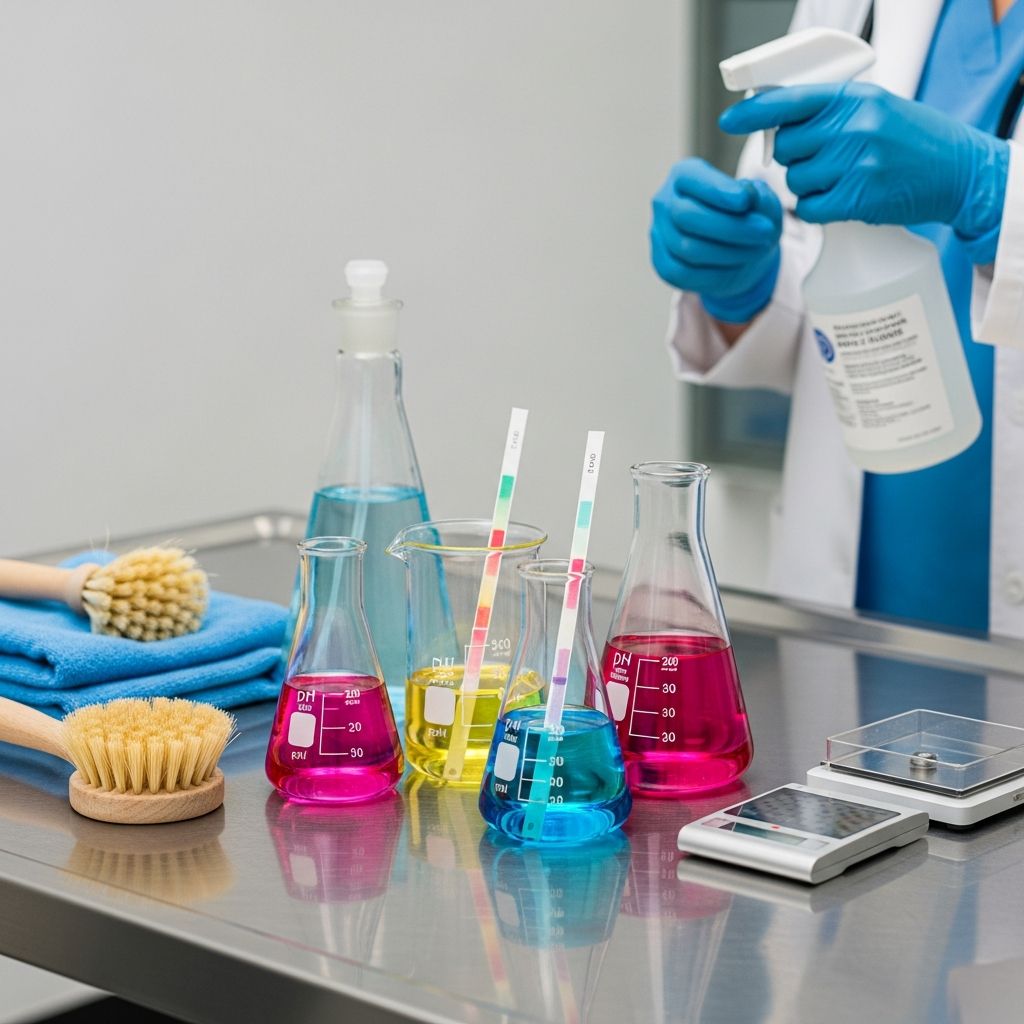
Acids and alkaline substances play crucial roles in veterinary medicine by disrupting microbial cell structures through pH alterations, making them essential for wound care, surface sanitation, and environmental control in animal facilities. These agents offer broad-spectrum activity against bacteria, fungi, and some viruses when used correctly.
Fundamental Principles of pH-Based Antimicrobial Action
The effectiveness of acids and bases stems from their ability to change the environmental pH, which interferes with microbial enzyme function and membrane integrity. Acidic solutions lower pH to levels that denature proteins in bacterial cells, while alkaline agents raise pH, saponifying fats in cell walls. In veterinary settings, this property is leveraged for both topical applications on live tissue and disinfection of inanimate objects.
Veterinary professionals must select agents based on the target surface: antiseptics for skin and mucous membranes, and disinfectants for equipment and kennels. Proper dilution and contact time are key to maximizing efficacy while minimizing tissue damage.
Key Acidic Agents for Animal Health
Acetic acid, commonly known as vinegar in diluted forms, exemplifies acidic antiseptics. At concentrations of 5%, it effectively combats bacterial growth on superficial wounds and in ear infections common in dogs and cats. Its mild nature allows repeated use without significant irritation.
- Organic acids like citric and lactic acid penetrate biofilms, aiding in the removal of debris from chronic wounds.
- These agents are particularly useful in small animal practices for debriding ulcers and preventing secondary infections.
Boric acid solutions serve as eye washes and mild disinfectants for avian and exotic species. With low toxicity, boric acid maintains an acidic environment inhospitable to fungi such as those causing aspergillosis in birds.
Applications in Wound Management
In wound care, acidic dressings promote healing by reducing bacterial load. For instance, solutions with pH around 4-5 mimic the skin’s natural acidity, fostering an optimal microenvironment for tissue regeneration. Veterinary studies highlight their role in managing diabetic ulcers in pets, where traditional antibiotics may falter due to resistance.
| Acidic Agent | Concentration | Primary Use | Safety Notes |
|---|---|---|---|
| Acetic Acid | 0.5-5% | Wound irrigation, otitis | Mild irritant; rinse after use |
| Boric Acid | 2-3% | Eye flush, fungal control | Avoid ingestion; dilute properly |
| Citric Acid | 1-2% | Biofilm disruption | Compatible with metals |
Alkaline Disinfectants in Practice
Alkaline compounds, such as sodium hydroxide and ammonia-based cleaners, excel in environmental disinfection. They break down organic matter and kill resilient pathogens like parvovirus on kennel floors. In farms, lime (calcium hydroxide) is scattered to neutralize acidic soils harboring clostridial spores.
These agents are indispensable for large-scale operations, where high-volume cleaning is required. Their caustic nature demands protective gear for handlers, but they provide rapid action against spore-formers.
- Quaternary ammonium compounds, mildly alkaline, combine cleaning with disinfection for surgical prep areas.
- High-pH solutions effectively sanitize milking equipment, reducing mastitis incidence in dairy herds.
Surface and Equipment Sanitation
For veterinary clinics, alkaline disinfectants are rotated with acids to prevent microbial adaptation. A protocol might involve alkaline scrubbing followed by acidic rinsing to achieve comprehensive coverage. This approach ensures no residue buildup, preserving instrument functionality.
Combining Acids and Bases for Enhanced Efficacy
Alternating pH extremes disrupts microbial resilience more effectively than single-agent use. Veterinary protocols often include acid-alkali cycles for outbreak control, such as in shelter parvovirus incidents. This method not only kills pathogens but also removes their protective matrices.
In aquaculture, acidic dips followed by alkaline baths treat fungal infections on fish scales, balancing water chemistry while eradicating Saprolegnia.
Safety Considerations and Best Practices
While potent, acids and alkalis pose risks including chemical burns and respiratory irritation. Veterinary staff should employ PPE, ensure ventilation, and store incompatibles separately to avoid exothermic reactions.
- Dilute concentrates immediately before use to prevent accidents.
- Test compatibility with surfaces; acids corrode metals, alkalis degrade plastics.
- Monitor animal reactions, especially in sensitive species like reptiles.
Regulatory guidelines from bodies like the EPA emphasize label adherence for residue-free results in food animal production.
Comparative Efficacy Across Pathogens
| Agent Type | Bacteria | Viruses | Fungi | Spores |
|---|---|---|---|---|
| Acids | High | Moderate | High | Low |
| Bases | High | High | Moderate | High |
Acids shine against vegetative bacteria and yeasts, whereas bases target enveloped viruses and endospores. Selection depends on the prevalent threat in the facility.
Emerging Trends and Innovations
Recent advancements include pH-responsive nanoparticles that release acids locally in infected tissues, minimizing systemic exposure. Nano-formulated alkaline gels provide prolonged surface protection in kennels. These innovations promise reduced frequency of applications and lower environmental impact.
Research into natural sources, like fermented plant extracts yielding lactic acid, offers eco-friendly alternatives for organic farms.
Case Studies in Veterinary Application
In a canine shelter outbreak, alternating acetic acid washes and lime dusting eradicated ringworm within two weeks, restoring population health. Similarly, porcine farms using alkaline footbaths curtailed foot-and-mouth disease spread, demonstrating practical scalability.
Frequently Asked Questions
What is the difference between acidic antiseptics and alkaline disinfectants?
Acidic antiseptics are gentler for live tissue, targeting surface microbes, while alkaline disinfectants are stronger for non-living surfaces, handling tougher pathogens.
Can acids be used on all animal wounds?
No; avoid deep or alkaline-sensitive wounds. Consult dilution charts and veterinary guidance.
How do I neutralize accidental exposure?
Rinse acids with bases like baking soda solution, and bases with acids like vinegar, followed by water.
Are these agents safe for food-producing animals?
Yes, when rinsed thoroughly per label instructions to eliminate residues.
What storage precautions apply?
Keep in cool, labeled containers away from each other to prevent reactions.
References
- Overview of Antiseptics and Disinfectants for Use With Animals — Merck Veterinary Manual. 2023. https://www.merckvetmanual.com/pharmacology/antiseptics-and-disinfectants/overview-of-antiseptics-and-disinfectants-for-use-with-animals
- Antiseptics and disinfectants — PubMed (Veterinary Research Communications). 1998-05-01. https://pubmed.ncbi.nlm.nih.gov/9556847/
- GUIDELINE for Disinfectant choice in feline veterinary hospitals — ABCD cats & vets. 2023. https://www.abcdcatsvets.org/guideline-for-disinfectant-choice-in-feline-veterinary-hospitals-shelters-and-cat-households/
- Oxidizing Agents as Antiseptics and Disinfectants for Use With Animals — MSD Veterinary Manual. 2023. https://www.msdvetmanual.com/pharmacology/antiseptics-and-disinfectants/oxidizing-agents-as-antiseptics-and-disinfectants-for-use-with-animals
Similar Articles








Read full bio of Sneha Tete


