

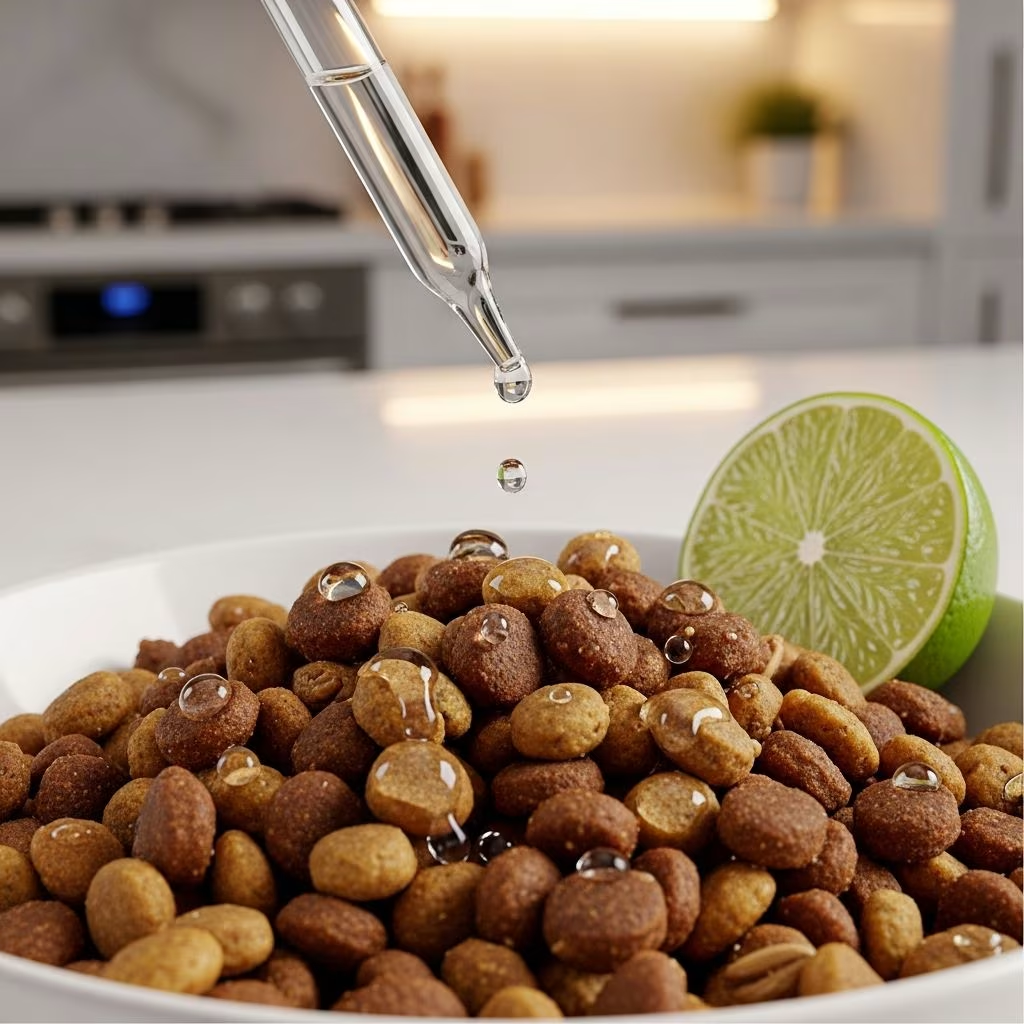
Acidifying cat foods, designed to promote a slightly acidic urine environment, play a key role in managing and preventing certain urinary tract conditions in felines. These specialized diets help dissolve struvite crystals and reduce recurrence risks by maintaining optimal urine pH levels around 6 to 6.5.
Understanding Urine pH in Cats
Urine pH measures acidity or alkalinity, with 7 being neutral; below 7 is acidic, above is alkaline. Normal cat urine is mildly acidic at 6-6.5 pH. Diets influence this balance significantly, as extreme pH shifts can lead to crystal formation or infections.
Struvite crystals thrive in alkaline urine (pH >7), common in some cats due to diet or dehydration. Acidifying foods counteract this by lowering pH, making urine less hospitable to these crystals while supporting overall urinary health.
Benefits of Low pH Diets for Urinary Health
Low pH cat foods target feline lower urinary tract disease (FLUTD), including struvite uroliths and idiopathic cystitis. By creating acidic urine, they aid in dissolving existing struvite stones and prevent new ones.
- Crystal Prevention: Acidic environments inhibit struvite formation, a primary cause of blockages in male cats.
- Improved Hydration: Wet acidifying foods boost moisture intake, diluting urine and reducing mineral concentration.
- Balanced Mineral Absorption: Grain-free options enhance phosphorus and magnesium uptake without excess.
Research shows diet impacts FLUTD etiology, management, and prevention, with acidifying formulas proving effective for struvite cases.
When to Consider Acidifying Foods
Not all cats need acidifying diets; they’re ideal for those with struvite history or at risk. Healthy cats maintain natural pH, and unnecessary acidification may disrupt balance long-term.
| Condition | Recommended pH | Diet Type |
|---|---|---|
| Struvite Crystals | Acidic (6-6.5) | Acidifying Wet Food |
| Oxalate Stones | Neutral/Slightly Alkaline | Non-Acidifying |
| Healthy Cats | Natural 6-6.5 | Balanced Standard |
| CKD Concerns | Monitor Phosphorus | Low-Phosphorus Variants |
Veterinary diagnosis via urinalysis guides selection; avoid self-prescribing.
Key Nutritional Components
Effective acidifying foods prioritize high-quality animal proteins, controlled minerals, and high moisture. Phosphorus levels under 0.5% dry matter basis suit many, but balance with protein quality is crucial.
- High meat content for obligate carnivores.
- Added cranberries or DL-methionine for pH control.
- Avoid high-carb dry kibble, which raises pH and dehydrates.
Wet foods excel, providing 70-80% moisture to flush the urinary system.
Potential Risks and Considerations
Over-acidification risks calcium oxalate crystals, favoring neutral pH. Long-term use in healthy cats may imbalance minerals.
Phosphorus management ties in; excess strains kidneys, especially in seniors. Low-phosphorus acidifying blends support dual urinary-kidney health.
Transition gradually over 7-10 days to prevent digestive upset. Monitor via regular vet checkups, including urine specific gravity and SDMA tests.
Choosing the Right Acidifying Cat Food
Look for AAFCO statements, vet-recommended brands, and labels specifying urinary support. Compare via nutrient profiles:
| Nutrient | Ideal Level (Dry Matter) | Why It Matters |
|---|---|---|
| Phosphorus | <0.5% | Kidney support |
| Protein | 30-40% | High-quality sources |
| Moisture | >70% | Hydration |
| Magnesium | <0.1% | Crystal prevention |
Raw or home-cooked options with vet guidance offer customization.
Supporting Urinary Health Beyond Diet
Diet pairs with environmental enrichment, stress reduction, and ample fresh water. Fountains encourage drinking; litter box hygiene prevents infections.
For CKD overlap, prioritize moisture-rich, moderate-phosphorus acidifying foods.
FAQs
Can healthy cats eat acidifying urinary food?
Short-term is fine, but long-term may alter natural pH balance unnecessarily.
What pH is best for cat urine?
6-6.5 mildly acidic range supports health without extremes.
Does dry food cause urinary issues?
High minerals and low moisture contribute to crystalluria risks.
Is low phosphorus needed with acidifying food?
Yes, especially for seniors or kidney concerns; aim for 0.3-0.5%.
How to switch to acidifying diet?
Mix gradually: 25% new food days 1-2, up to 100% by day 10.
Holistic Approaches to Feline Urinary Wellness
Integrate probiotics for gut-bladder axis support, omega-3s for inflammation, and herbs like d-mannose under vet supervision. Raw diets balance pH naturally via meat minerals.
Annual screenings catch issues early; 30% of cats over 10 face kidney challenges, often linked to urinary history.
References
- Low Phosphorus Cat Foods and Your Cat’s Health — Weruva. 2023. https://www.weruva.com/blogs/happy-healthy-hub/low-phosphorus-cat-foods-and-your-cats-health
- Can Normal Cats Eat Urinary Food? — Under the Weather. 2023. https://www.undertheweatherpet.com/blogs/under-the-weather/can-normal-cats-eat-urinary-food
- Nutritional Needs: Low Phosphorus Cat Food Explained — Holistic Vet Blend. 2024. https://holisticvetblend.com/blogs/news/nutritional-needs-low-phosphorus-cat-food-explained
- Cat food’s role in urinary tract health now unclear — Petfood Industry. 2019-12-10. https://www.petfoodindustry.com/pet-food-market/market-trends-and-reports/article/15453925/cat-foods-role-in-urinary-tract-health-now-unclear
- Raw food: the solution to urinary problems in cats — Faim Museau. 2022-04-26. https://faimmuseau.com/en/blog/2022/04/26/raw_food_solution_urinary_problems_cats/
- Feline Nutrition – Answers: The Paradox of Prescription Diets for Cats — Hare Today. 2023. https://hare-today.com/feline-nutrition/answers/answers-the-paradox-of-prescription-diets
- The effect of diet on lower urinary tract diseases in cats — PubMed (Peer-reviewed). 1998. https://pubmed.ncbi.nlm.nih.gov/9868257/



