Acid Reflux in Dogs: Causes and Care
Discover effective strategies to manage acid reflux in dogs, from symptoms and causes to treatments and prevention tips for better pet health.
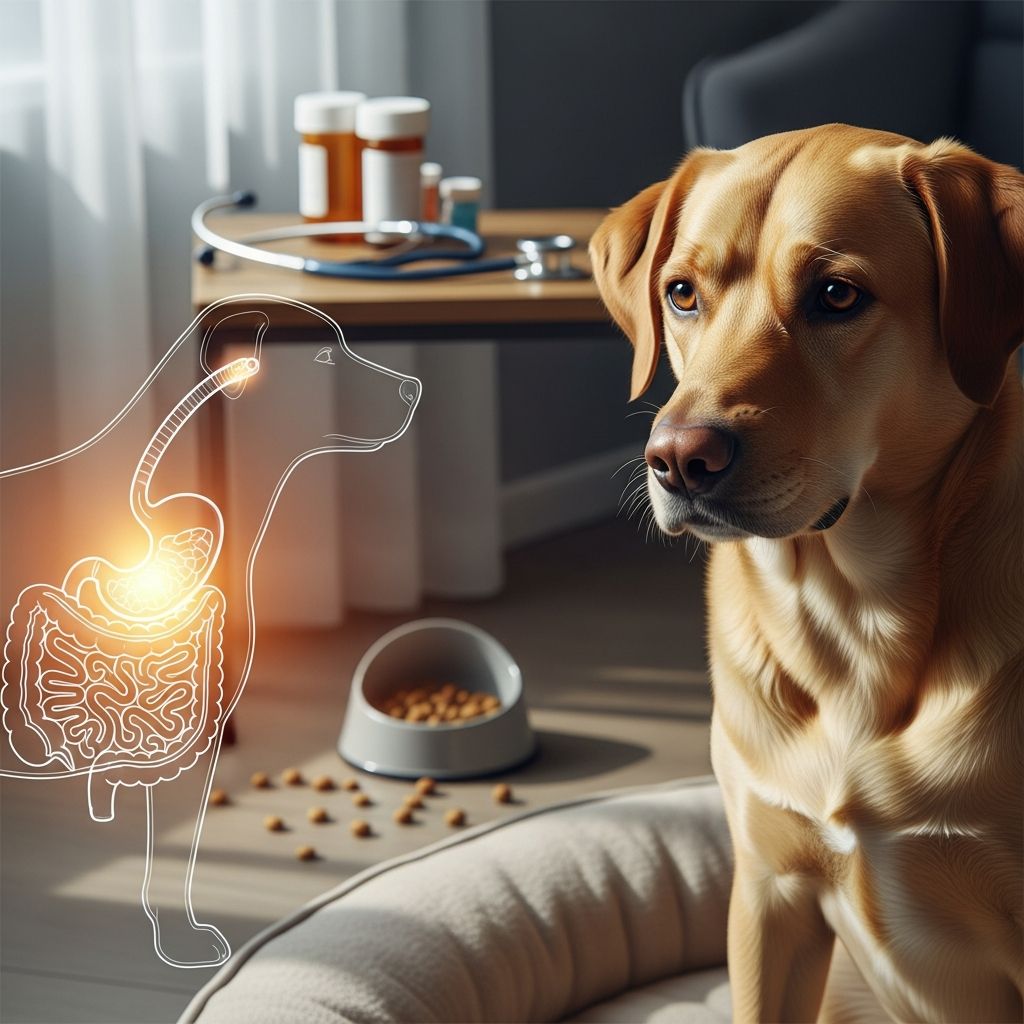
Acid reflux, also known as gastroesophageal reflux disease (GERD) in dogs, occurs when stomach contents flow back into the esophagus, causing irritation and discomfort. This condition affects dogs of various ages and breeds, leading to symptoms that can significantly impact their quality of life if left unmanaged.
Recognizing the Signs of Acid Reflux
Dogs with acid reflux often display subtle yet persistent signs that owners might initially overlook. Common indicators include regurgitation of undigested food or clear liquid shortly after eating, excessive drooling or lip licking, and signs of pain such as whining during swallowing or gulping air. Other symptoms encompass foul breath, coughing, weight loss due to reduced appetite, and in severe cases, vomiting bile or blood-tinged material.
These signs can mimic other gastrointestinal issues, making veterinary diagnosis essential. For instance, young puppies may show incomplete development of esophageal sphincters, leading to temporary reflux that improves with age. Adult dogs might experience episodes triggered by excitement, exercise, or fasting.
Primary Causes Behind Canine Acid Reflux
Several factors contribute to acid reflux in dogs. High-fat diets relax the lower esophageal sphincter (LES), allowing stomach acid to escape upward. Processed foods, food sensitivities, and microbiome imbalances like small intestinal bacterial overgrowth (SIBO) exacerbate the issue by promoting inflammation and poor digestion.
- Dietary Influences: Fatty meals increase gastric acid secretion and delay stomach emptying.
- Medical Triggers: Anesthesia relaxes sphincters and impairs swallowing, often causing post-procedure reflux.
- Health Conditions: Issues like pancreatitis, hiatal hernia, inflammatory bowel disease (IBD), or hypochlorhydria (low stomach acid) disrupt normal motility.
- Lifestyle Factors: Stress, antibiotic use, and nutrient deficiencies weaken gut barriers and immunity.
Understanding these triggers helps tailor effective interventions, preventing progression to complications like esophageal ulcers or aspiration pneumonia.
Diagnostic Approaches for Accurate Identification
Veterinarians diagnose acid reflux by excluding other conditions through physical exams, bloodwork, and imaging like endoscopy or barium swallows to visualize esophageal damage. Gastric motility assessments evaluate how well the stomach empties, while ruling out underlying diseases ensures comprehensive care.
Early detection is crucial, as chronic reflux can lead to esophagitis, scarring, or secondary infections. Owners should note symptom patterns, such as timing after meals or anesthesia, to aid diagnosis.
Veterinary Treatment Strategies
Treatment focuses on symptom relief, acid reduction, and addressing root causes. Most plans combine medications, diet modifications, and monitoring.
| Treatment Type | Examples | Purpose |
|---|---|---|
| Antacids & Acid Reducers | Famotidine, Omeprazole, Sucralfate | Neutralize acid, protect esophagus lining |
| Prokinetics | Metoclopramide, Cisapride | Strengthen LES, improve motility |
| Dietary Changes | Low-fat prescription food, small frequent meals | Reduce acid production, prevent overfilling |
| Other | Antibiotics (if infection), Surgery (hiatal hernia) | Treat complications or structural issues |
Medications like proton pump inhibitors (PPIs) offer potent acid suppression but require vet oversight due to potential long-term risks such as nutrient malabsorption. Prokinetics enhance peristalsis, minimizing reflux episodes. For anesthesia-related cases, fasting protocols and elevated feeding post-procedure help recovery.
Holistic and Home Management Options
Complementing vet care, natural approaches support healing without solely relying on drugs. Probiotics restore gut flora, combating imbalances from antibiotics or SIBO. Digestive enzymes aid food breakdown, while zinc supports hydrochloric acid production for proper digestion.
Herbal remedies soothe irritation: ginger reduces nausea, slippery elm and marshmallow root coat the esophagus, and licorice promotes mucosal healing. Aloe vera juice offers gentle protection, but dosages must be vet-approved to avoid toxicity.
- Feed a late-night snack to buffer overnight acid buildup.
- Implement elimination diets to identify sensitivities, introducing single proteins gradually.
- Use stress reducers like ashwagandha for microbiome stability.
Ashwagandha calms the nervous system, indirectly aiding digestion disrupted by anxiety. These methods promote long-term wellness alongside conventional treatments.
Preventive Measures for Long-Term Health
Prevention emphasizes proactive habits. Maintain a consistent low-fat, highly digestible diet fed in smaller portions multiple times daily to avoid LES relaxation. Avoid fasting before non-essential procedures and monitor post-anesthesia.
Regular vet check-ups catch early signs, while supporting gut health with probiotics prevents dysbiosis. Weight management reduces abdominal pressure on the stomach, and elevated feeding bowls minimize air swallowing. For breeds prone to reflux, like those with brachycephalic features or hiatal hernias, tailored plans are vital.
Potential Complications and When to Seek Help
Untreated reflux risks severe esophagitis, strictures, or pneumonia from aspirated contents. Chronic cases link to weight loss, anemia from poor nutrient uptake, and rarely, esophageal cancer. Seek immediate care for blood in vomit, persistent pain, or breathing issues.
Lifelong management is common, but most dogs thrive with combined therapies. Track progress and adjust as needed with veterinary guidance.
Frequently Asked Questions (FAQs)
Can acid reflux in dogs be cured permanently?
While not always curable, especially with structural issues, symptoms often resolve with management. Underlying causes like hernias may require surgery.
Is it safe to give my dog human antacids?
No—doses differ, and some contain harmful additives. Always consult a vet for canine-specific options like famotidine.
How does diet impact acid reflux?
High-fat foods worsen it by relaxing the LES; opt for low-fat, frequent meals to stabilize gastric acid.
Are natural remedies effective for canine GERD?
Yes, herbs like slippery elm soothe linings, and probiotics aid balance, but use under vet supervision.
Why does anesthesia cause reflux in dogs?
It relaxes sphincters and swallowing reflexes, allowing backflow; fast pre-procedure and feed carefully after.
Nutrition and Lifestyle Tips Table
| Tip | Benefit |
|---|---|
| Small, frequent meals | Prevents stomach distension |
| Low-fat diet | Reduces acid secretion |
| Elevate food bowl | Decreases air intake |
| Probiotics daily | Supports microbiome |
| Avoid exercise post-meal | Minimizes LES pressure |
References
- Acid Reflux In Dogs: Understanding The Causes And Treatments — Kingsdale Animal Hospital. 2023. https://www.kingsdale.com/acid-reflux-in-dogs-understanding-the-causes-and-treatments
- Acid Reflux In Dogs: Symptoms And Treatment — Dogs Naturally Magazine. 2023. https://www.dogsnaturallymagazine.com/acid-reflux-in-dogs/
- Acid Reflux in Dogs — PetMD. 2024. https://www.petmd.com/dog/conditions/digestive/c_multi_gastroesophageal_reflux
- Acid Reflux in Dogs — ElleVet Sciences. 2023. https://www.ellevetsciences.com/blog/acid-reflux-in-dogs/
- Acid Reflux (Gastric Reflux) in Dogs — Vetster. 2024. https://vetster.com/en/conditions/dog/acid-reflux
- Gastric Reflux in Dogs: Causes, Symptoms, and Treatment — FirstVet. 2023. https://firstvet.com/us/articles/do-dogs-get-gastric-reflux
- Gastroesophageal Reflux Disease (GERD) in Non-Brachycephalic Dogs — VCA Animal Hospitals. 2024. https://vcahospitals.com/know-your-pet/gastroesophageal-reflux-disease-gerd-in-nonbrachycephalic-dogs
Similar Articles








Read full bio of Sneha Tete