

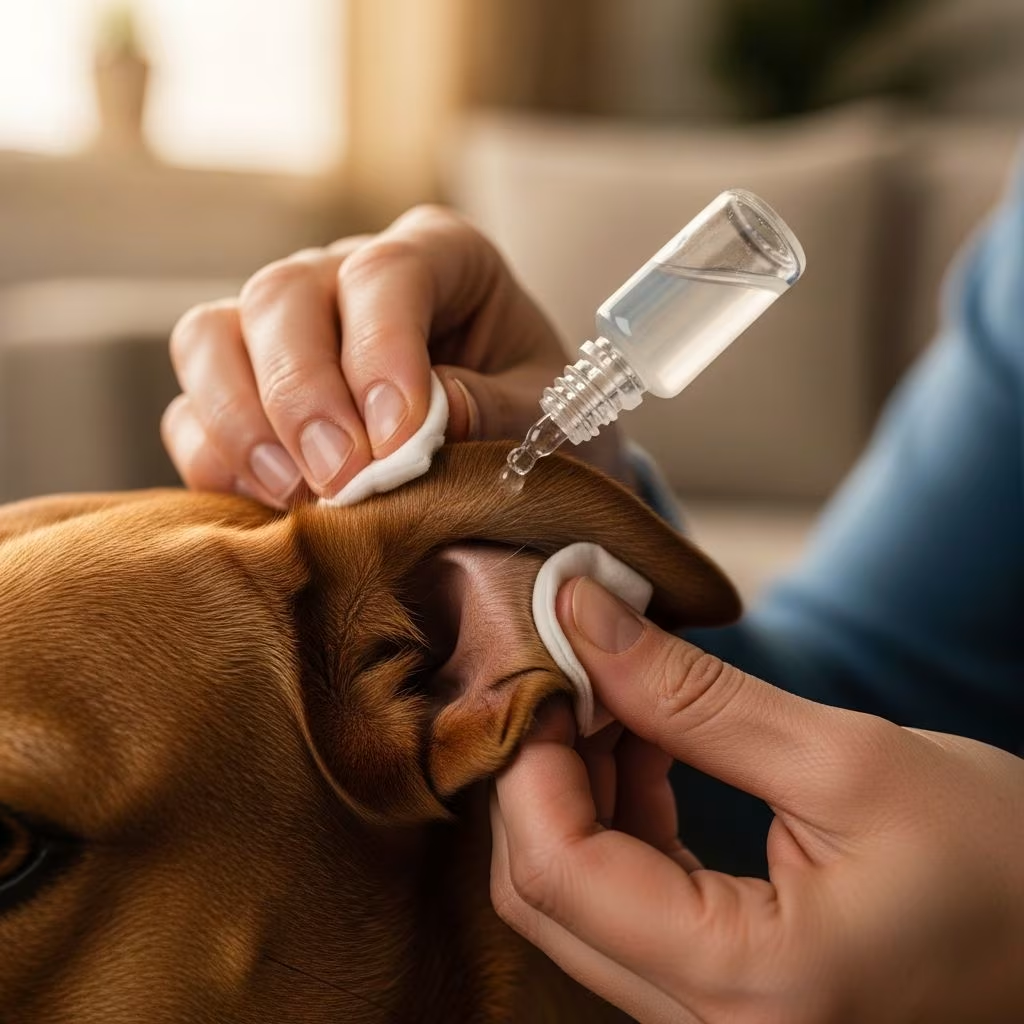
Acetic Acid/Boric Acid Topical for Pets: A Comprehensive Guide
Pet owners often encounter various skin conditions in their dogs and cats that require veterinary treatment. One effective medication frequently recommended by veterinarians is acetic acid/boric acid topical, commonly known by the brand name Malacetic®. This comprehensive guide covers everything you need to know about this important topical treatment, including how it works, proper application methods, potential side effects, and safety considerations.
What is Acetic Acid/Boric Acid Topical?
Acetic acid/boric acid topical is an antibacterial and antifungal medication specifically designed to treat surface skin infections in pets. This medication is particularly effective against infections caused by bacteria and yeast organisms that commonly affect the skin of dogs and cats. The combination of these two active ingredients works synergistically to combat multiple types of microbial infections that can cause discomfort and irritation in your pet’s skin.
The acidic pH of acetic acid/boric acid formulations typically ranges from 4.5 to 5.5, which creates an environment on the skin surface that is unfavorable for the development of microorganisms. This pH adjustment is crucial because it mimics the natural slightly acidic pH of healthy pet skin, helping to restore proper skin balance while inhibiting microbial growth.
Beyond treating skin infections, some formulations of acetic acid/boric acid may also be used to treat ear infections. In addition to the primary active ingredients, many formulations may include other beneficial components such as ketoconazole, chlorhexidine, and/or steroids to enhance therapeutic effectiveness. It is important to note that while this medication is available over the counter (OTC), it should only be used under the direction of a veterinarian to ensure proper treatment of your pet’s specific condition.
Veterinarians may also use this medication “off label” or “extra label” in other animal species when clinically appropriate. Many drugs are commonly prescribed for off-label use in veterinary medicine, and these applications should always be done following your veterinarian’s specific directions and cautions.
Treatment Applications and Skin Conditions
Acetic acid/boric acid topical is recommended for several specific skin conditions in pets:
– Surface bacterial skin infections- Yeast dermatitis and fungal infections- Oily seborrhea- Dermatitis between the toes (pododermatitis)- Skin inflammation and irritation- Brachycephalic skin fold dermatitis- Maintenance of skin health during treatment of various dermatological conditions
This medication is particularly helpful for pet owners who have difficulty bathing their animals, as many formulations can be applied without requiring a full bath. The versatility of acetic acid/boric acid topical makes it a valuable tool in veterinary dermatology for managing a wide range of skin conditions.
How to Administer Acetic Acid/Boric Acid Topical
Proper application of acetic acid/boric acid topical is essential for achieving the best results and minimizing the risk of adverse reactions. Understanding the different formulations available and following your veterinarian’s specific instructions will help ensure safe and effective treatment.
Available Formulations
Acetic acid/boric acid topical comes in several convenient forms that allow for flexible treatment options:
– Shampoos for cleansing and treating larger areas- Liquid sprays or droppers for precise application- Wipes for targeted treatment and convenient application
Each formulation type has specific advantages depending on the location of the infection and your pet’s individual needs. Your veterinarian will recommend the most appropriate form for your pet’s particular condition.
Application Instructions
To ensure proper application and maximum effectiveness:
– Shampoos, liquids (sprays or droppers), and wipes are applied topically directly onto the skin- Follow your veterinarian’s specific directions for the product prescribed for your pet- Do not allow your pet to lick or chew affected sites for at least 30 minutes after application to prevent ingestion and allow the medication to work effectively- Avoid contact with eyes, as this can cause irritation- Wash your hands thoroughly after application- Give this medication to your pet for the entire time prescribed by your veterinarian, even if your pet appears to be feeling better and the infection seems to have cleared
Completing the full course of treatment as directed is particularly important, as stopping treatment prematurely can result in incomplete eradication of the infection and potential recurrence of symptoms.
Potential Side Effects
While acetic acid/boric acid topical is generally well-tolerated by most pets, certain side effects may occur during treatment. Understanding these potential reactions will help you monitor your pet’s response to medication and know when to contact your veterinarian.
Common Side Effects
The most frequently reported side effect of acetic acid/boric acid topical is:
– Irritation or reddening of skin at the application site
This localized reaction is typically mild and often diminishes as treatment continues. However, if irritation persists or worsens, contact your veterinarian for guidance.
Rare Allergic Reactions
Although uncommon, allergic reactions can occur with this medication. Signs of an allergic reaction include:
– Irregular breathing- Rash- Fever- Puffiness and swelling around the face
If you observe any of these symptoms, contact your veterinarian immediately. Do not continue using the medication without veterinary guidance.
Important Monitoring Considerations
Drug sensitivities can develop over time with repeated exposure. Your pet may have no reaction after the first few doses but may develop a sensitivity later in the treatment course. It is crucial to watch for signs of an allergic reaction over the entire course of treatment, even if your pet initially tolerated the medication well.
Additionally, acetic acid solutions may markedly irritate the ear canal, especially at concentrations of 2% or higher, so special care should be taken if using this medication in the ears. If your pet experiences any unusual symptoms during treatment, contact your veterinarian immediately for evaluation and guidance.
Risk Factors and Precautions
Certain situations and conditions require special consideration when using acetic acid/boric acid topical.
Contraindications
This medication should be AVOIDED in animals with:
– Allergies to any component of the formulation- Severely irritated skin or ears (for otic formulations)- Immature, pregnant, or nursing status (for otic formulations)
Before beginning treatment, ensure that your pet does not have a known sensitivity to any ingredients in the specific formulation prescribed.
Long-Term Use Considerations
This medication should be used with CAUTION when given long-term as part of a combination product containing a steroid. Potential systemic effects can occur with long-term steroid use, so your veterinarian may recommend periodic monitoring or may adjust the treatment duration as appropriate for your pet’s condition.
Drug Interactions
No known drug interactions have been reported for acetic acid/boric acid topical medication. However, it is important to inform your veterinarian about any other medications your pet is taking, including vitamins, supplements, or herbal therapies, before starting this treatment. This ensures comprehensive evaluation of your pet’s overall treatment plan and prevents any potential complications.
Monitoring and Follow-Up Care
Proper monitoring after completing a course of acetic acid/boric acid topical treatment is an essential part of ensuring successful recovery from the skin infection.
Your veterinarian may schedule a follow-up visit after the course of medication is complete. During this visit, your veterinarian will:
– Evaluate whether the infection has been completely cleared- Perform additional tests if necessary to confirm that the correct medication was used for the specific infection present- Assess the healing status of the affected skin- Determine whether additional treatment is needed
If your veterinarian recommends a follow-up visit, follow their directions carefully. This ensures that the infection has been completely resolved and helps prevent recurrence of the skin condition.
Effectiveness and Clinical Applications
Clinical research has demonstrated the effectiveness of acetic acid/boric acid products in treating various pet skin conditions. Boric acid solutions are generally effective at managing chronic recurrent yeast otitis and effective in treating mild to moderate acute yeast otitis. In chronic recurrent yeast infections, products containing boric or acetic acid can be effective in preventing recurrence of infection, making them valuable for long-term management of prone animals.
Additional active substances commonly found in combination with acetic and boric acids include allantoin and panthenol, which soothe irritation, promote natural healing processes and epidermal regeneration, and glycerine, which provides a moisturizing effect to prevent further skin drying.
Frequently Asked Questions
Q: Can acetic acid/boric acid topical be used on all areas of my pet’s body?
A: Yes, this medication can be used on most skin areas. However, avoid contact with eyes and mucous membranes. For ear infections, use the specific otic formulation. Always follow your veterinarian’s recommendations for the location and frequency of application.
Q: How long does treatment typically last?
A: Treatment duration depends on the specific condition being treated and the severity of the infection. Complete the full course of treatment as prescribed by your veterinarian, even if symptoms improve, to prevent recurrence.
Q: Can I use acetic acid/boric acid topical without a veterinarian’s recommendation?
A: While this medication is available over the counter, it should only be used under veterinary direction. A veterinarian can properly diagnose the skin condition, determine if this medication is appropriate, and provide specific dosing and application instructions.
Q: What should I do if my pet has an allergic reaction?
A: Contact your veterinarian immediately if you notice signs of an allergic reaction such as irregular breathing, rash, fever, or facial swelling. Do not continue using the medication without veterinary guidance.
Q: Is this medication safe for pregnant or nursing pets?
A: The otic formulation should be avoided in pregnant or nursing animals. Consult your veterinarian about using the topical formulation in these situations.
Q: Can acetic acid/boric acid topical be used for preventive purposes?
A: Yes, for pets with chronic recurrent yeast infections, acetic acid/boric acid products can be effective in preventing recurrence of infection. Discuss with your veterinarian about establishing a preventive maintenance routine if your pet is prone to recurring infections.
References
- Acetic Acid/Boric Acid Topical — VCA Animal Hospitals. 2024. https://vcahospitals.com/know-your-pet/acetic-acidboric-acid-topical
- Dr Seidel Spray with Boric and Acetic Acids — Dr Seidel. 2024. https://drseidel.pl/en/dr-seidel-spray-with-boric-and-acetic-acids/
- Acetic Acid/Boric Acid: Otic — VCA Animal Hospitals. 2024. https://vcahospitals.com/know-your-pet/acetic-acidboric-acid-otic
- Otitis Externa Series, Part 2: Topical Therapy for Otitis Externa — Today’s Veterinary Practice. 2024. https://todaysveterinarypractice.com/dermatology/topical-therapy-for-otitis-externa/
- A Pilot Study of the In Vitro Antimicrobial Activity and In Vivo Residual Effects of Acetic Acid/Boric Acid Wipes — PubMed Central. 2019. https://pubmed.ncbi.nlm.nih.gov/31666075/
- MalAcetic Otic – Ear Cleanser for Pets — VetRxDirect. 2024. https://www.vetrxdirect.com/product/view/malacetic-otic-pet-ear-cleaner-otc
- Malassezia Dermatitis — Zoetis UK. 2024. https://www2.zoetis.co.uk/products-solutions/dermatology/malassezia-dermatitis



