

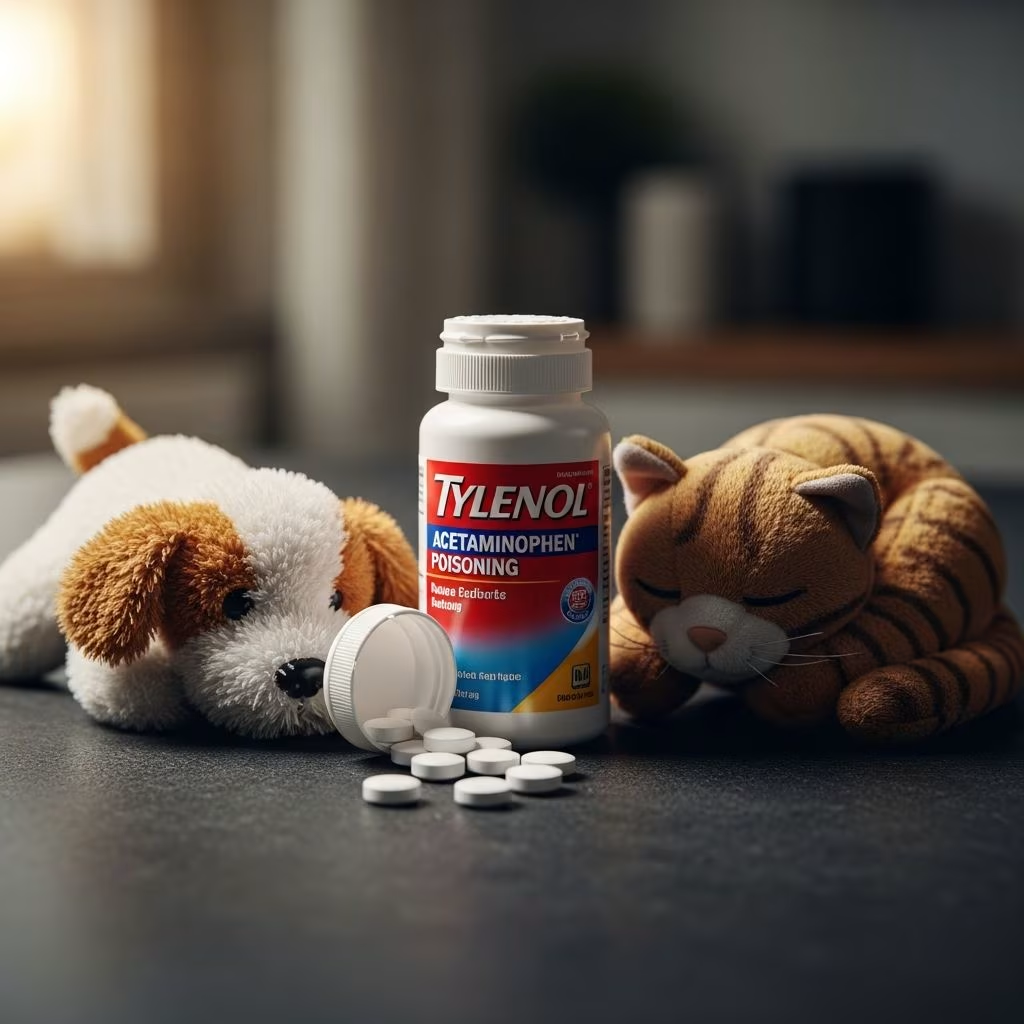
Acetaminophen (Tylenol) Poisoning Alert for Dogs and Cats
IMPORTANT: Acetaminophen (Tylenol) is very dangerous to dogs and cats. This common over-the-counter pain reliever, known by various names including Tylenol, Paracetamol, APAP, and N-acetyl-p-aminophenol, poses a serious threat to your beloved pets. While acetaminophen is generally considered safe at recommended doses for humans, it can be toxic, poisonous, and even deadly to animals. Pet owners must understand this critical distinction to protect their furry family members from accidental poisoning.
Why is Acetaminophen (Tylenol) Toxic or Poisonous for Dogs and Cats?
The fundamental reason acetaminophen poses such a severe risk to dogs and cats lies in how their bodies process this medication. Unlike humans, dogs and cats metabolize acetaminophen differently, making them far more susceptible to its toxic effects. Relatively small doses—as little as a single pill or even a small piece of a pill—can be toxic or deadly to any animal species, including cats, dogs, ferrets, birds, pigs, primates, and many others.
The altered or abnormal liver metabolism in certain animals puts them at significantly greater risk of harm from acetaminophen exposure. Cats are especially susceptible to acetaminophen toxicosis because they have low glucuronyl transferase activity and therefore have limited capacity for glucuronidation. Acetaminophen is metabolized primarily via sulfation in cats, and when this pathway becomes saturated, toxic metabolites are produced. Dogs, while somewhat more tolerant than cats, still cannot safely metabolize standard doses of this medication without veterinary guidance.
The danger stems from the fact that acetaminophen’s metabolic pathway in animals differs substantially from that in humans. When the normal metabolic pathways become overwhelmed, the medication accumulates in the bloodstream and tissues, causing severe organ damage and cellular dysfunction.
How Much Acetaminophen (Tylenol) is Toxic or Poisonous for Dogs or Cats?
Understanding the toxic dosage is crucial for pet owners, as it helps determine the severity of accidental ingestion and the urgency of seeking veterinary care.
Toxic Doses for Cats
Cats have a dangerously narrow margin of safety with acetaminophen, and in general, any dose or even tiny doses are considered poisonous. Specifically, acetaminophen toxicosis in cats generally occurs with ingestions of 40–50 mg/kg; however, some cats have been reported to develop clinical signs at doses as low as 10 mg/kg. This means that a single tablet of Tylenol, which typically contains 325 milligrams of acetaminophen, would be potentially fatal for the average cat if medical attention is not sought immediately. Abnormal red blood cell damage (methemoglobemia) can occur quickly in cats, often within a few hours of ingestion.
Toxic Doses for Dogs
For dogs, the toxic amount depends on the individual dog’s weight and overall health status. The larger the dose ingested, the greater the risk of serious complications. Clinical signs of acute acetaminophen toxicosis are typically not observed in dogs unless the dose exceeds 100 mg/kg (45 mg/lb). At doses of 200 mg/kg or higher, methemoglobinemia becomes a significant concern. This means a 50-pound dog would need to ingest approximately 2,250 milligrams (roughly seven standard-dose Tylenol tablets) to reach potentially toxic levels, though any amount should be treated as an emergency.
In dogs, liver damage and dry eye can occur with toxic exposure. With very high doses, abnormal red blood cell damage (methemoglobinemia) can develop, severely compromising the dog’s ability to transport oxygen throughout the body.
What Are the Signs of Acetaminophen (Tylenol) Poisoning in a Dog or Cat?
Recognizing the symptoms of acetaminophen poisoning is essential for prompt veterinary intervention. Pet owners should be aware that pets may show no signs initially, or symptoms may develop gradually over several hours.
Common Symptoms in Both Dogs and Cats
Pets exposed to acetaminophen may exhibit a range of clinical signs, including:
- Nausea and vomiting
- Diarrhea
- Lethargy and depression
- Blue gums (cyanosis)
- General weakness and malaise
- Rapid or difficulty breathing
- Collapse or loss of consciousness
- Coma in severe cases
- Edema (swelling) of the face and paws, especially in cats
- Transient keratoconjunctivitis sicca (dry eye) in dogs
- Dark urine and blood in urine
- Pale, dark, or muddy mucous membranes (gums)
Additional Signs with Combined Medications
If the ingested acetaminophen was combined with other drugs such as caffeine, antihistamines, or opioids, your pet may exhibit additional and more severe signs, including:
- Changes in mental status and confusion
- Ataxia (walking as if drunk or uncoordinated)
- Hyperactivity and agitation
- Tremors or muscle twitching
- Seizures
- Increased or decreased heart rate
- Changes in blood pressure and body temperature
Delayed Symptoms
Pet owners should understand that some symptoms may be delayed. Liver damage may not manifest immediately but can develop over several days, with some effects appearing up to one week after ingestion. Some cats develop swelling in the face, paws, and forelimbs several hours after ingesting acetaminophen. If your pet ingested acetaminophen, seek veterinary care immediately, even if no symptoms are currently apparent.
What Happens During Acetaminophen Toxicosis?
Understanding the mechanisms of acetaminophen toxicity helps explain why this medication is so dangerous to pets. Methemoglobinemia and hepatotoxicosis (liver damage) characterize acetaminophen toxicosis in cats. In cats, methemoglobinemia turns mucous membranes brown or muddy in color and is usually accompanied by tachycardia (increased heart rate), hyperpnea (rapid breathing), weakness, and lethargy. Heinz body formation follows methemoglobinemia, further compromising red blood cell function.
Methaemoglobin cannot bind oxygen, resulting in tissue hypoxia—a condition where cells do not receive adequate oxygen for proper function. This creates a cascading effect of cellular damage throughout the body. In dogs, icterus (yellowing of the skin and whites of the eyes), hepatotoxicosis, and necrosis are more common than in cats. Acute kidney injury is also possible in both species.
What’s the Prognosis for a Dog or Cat’s Recovery if Exposed to Acetaminophen?
In general, the sooner you get treatment (and the more aggressive it is), the better the prognosis or chance of recovery for your pet. Early intervention can mean the difference between a full recovery and permanent organ damage or death.
The prognosis for acetaminophen poisoning depends on many critical factors, including:
- The initial health status of your pet before exposure
- The amount of acetaminophen ingested
- Whether any other drugs were combined with the acetaminophen
- How soon decontamination was performed
- Whether the pet showed any signs of liver damage, coagulopathy (bleeding disorder), methemoglobinemia, or anemia at the time treatment was initiated
Pets that receive immediate veterinary care have significantly better outcomes than those whose poisoning goes unrecognized for hours. Treatment is most effective when started within the first few hours of ingestion, before toxic metabolites have caused irreversible organ damage.
What Should You Do If Your Pet Ingests Acetaminophen?
Contact your veterinarian or emergency veterinary clinic immediately. Time is critical in acetaminophen poisoning cases. Do not wait to see if symptoms develop. Provide your veterinarian with the following information:
- The exact time of ingestion (if known)
- The amount of acetaminophen ingested
- The strength of the medication (e.g., regular strength, extra strength)
- Whether the acetaminophen was combined with any other medications
- Your pet’s weight and age
- Any symptoms your pet has already exhibited
Keep the medication bottle or packaging available to show your veterinarian. This information will help your vet determine the appropriate treatment protocol and assess the severity of the situation.
How to Prevent Acetaminophen Poisoning in Your Home
The best approach to acetaminophen poisoning is prevention. Follow these guidelines to keep your pets safe:
- Store medications securely: Keep all acetaminophen-containing products in a locked cabinet or drawer where pets cannot access them
- Never self-medicate your pet: Never give your pet any human medication, including acetaminophen, without explicit veterinary direction
- Supervise your pet: Monitor your pet in areas where medications might be left unattended
- Educate family members: Ensure all household members understand the danger and never give medications to pets
- Check combination medications: Some cold and flu medications, pain relievers, and other OTC products contain acetaminophen; check labels carefully
- Use veterinary-approved alternatives: If your pet requires pain relief or fever management, consult your veterinarian for safe alternatives
Frequently Asked Questions (FAQs)
Q: Can acetaminophen ever be safely given to dogs or cats?
A: For cats, there is no safe dose of acetaminophen. Cats should never be given this medication under any circumstances. For dogs, acetaminophen is occasionally recommended by veterinarians and should only be given under their explicit direction, in precisely measured doses, with close monitoring. At this time, acetaminophen is not commonly recommended by veterinarians in dogs due to the risk of life-threatening liver failure and other serious complications.
Q: What are safe pain relief options for my pet?
A: Many safer alternatives exist for managing pain and fever in pets. Your veterinarian can recommend appropriate medications such as NSAIDs (non-steroidal anti-inflammatory drugs) specifically formulated for animals, or other pain management strategies. Always consult your veterinarian before giving any medication.
Q: My cat ate a small piece of Tylenol. What should I do?
A: Contact your veterinarian or emergency veterinary clinic immediately. Even small amounts of acetaminophen can be dangerous to cats. Do not wait for symptoms to develop. Bring the medication bottle with you to help your veterinarian assess the situation.
Q: How long does acetaminophen poisoning take to show symptoms?
A: Symptoms can begin within a few hours of ingestion, though some pets may not show immediate signs. Liver damage can develop over several days and may appear up to one week after exposure. This is why immediate veterinary evaluation is crucial, even if your pet appears normal.
Q: What products contain acetaminophen that I should be aware of?
A: Acetaminophen is found in many common products including Tylenol, various cold and flu medications, some pain relievers, and certain combination products. Always read medication labels carefully. If you’re unsure whether a product contains acetaminophen, consult your pharmacist or veterinarian.
Q: Are other pets at risk from acetaminophen besides dogs and cats?
A: Yes, acetaminophen is toxic to many animal species, including birds, rabbits, ferrets, pigs, and primates. Ferrets appear to have similar susceptibility to cats due to slow conjugation of acetaminophen. Keep all acetaminophen-containing products away from all pets and animals in your home.
References
- Acetaminophen (Tylenol) Poisoning Alert for Dogs and Cats — Clarksville Animal Hospital. 2025. https://www.clarksvilleanimalhospital.com/acetaminophen-tylenol-poisoning-alert-for-dogs-and-cats
- Acetaminophen Toxicity in Cats — VCA Animal Hospitals. 2025. https://vcahospitals.com/know-your-pet/acetaminophen-toxicity-in-cats
- Acetaminophen Toxicity in Pets — Towne Center Animal Hospital. 2025. https://www.townecenteranimalhospital.com/acetaminophen-toxicity-cats-dogs/
- Toxicoses From Human Analgesics in Animals — Merck Veterinary Manual. 2024. https://www.merckvetmanual.com/toxicology/toxicoses-from-human-analgesics/toxicoses-from-human-analgesics-in-animals
- Tylenol (Acetaminophen) Toxicity in Dogs — PetMD. 2025. https://www.petmd.com/dog/poisoning/tylenol-acetaminophen-toxicity-in-dogs
- Acetaminophen — American College of Veterinary Pharmacists. 2025. https://vetmeds.org/pet-poison-control-list/acetaminophen/
- The Diagnosis of Acetaminophen Toxicosis in a Cat — National Center for Biotechnology Information. 2000. https://pmc.ncbi.nlm.nih.gov/articles/PMC340185/
- Protocol for Management of Paracetamol/Acetaminophen Toxicity in Dogs and Cats — Veterinary Education. 2018. https://veteducation.com/wp-content/uploads/2018/05/Paracetamol-Toxicity-Protocol.pdf



