

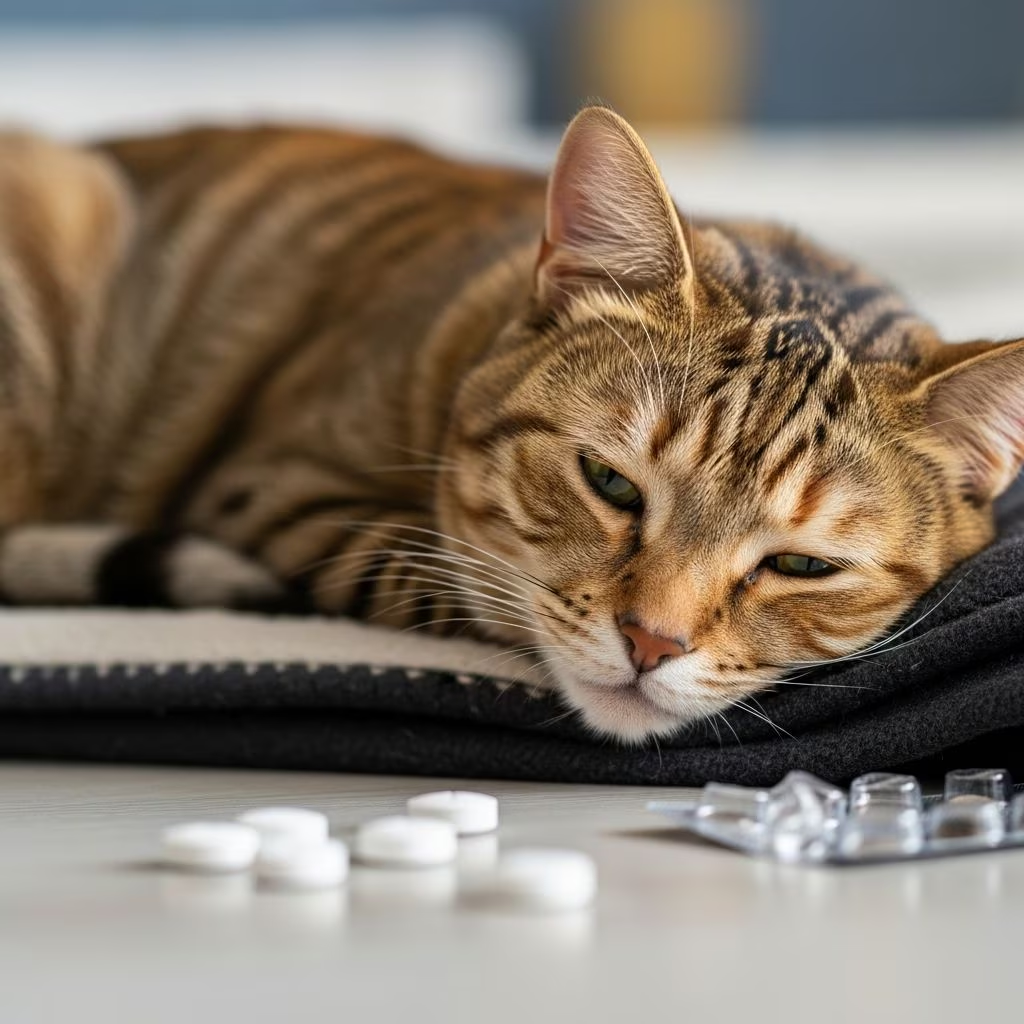
Understanding Acetaminophen Toxicity in Cats
Acetaminophen, commonly known by the brand name Tylenol, is a widely used over-the-counter pain reliever and fever reducer for humans. However, this medication poses a serious threat to cats and can be extremely toxic to their bodies. Unlike humans, cats lack certain liver enzymes necessary to safely metabolize acetaminophen, making them particularly vulnerable to poisoning from even small doses. Understanding the dangers of acetaminophen toxicity is crucial for cat owners who want to protect their feline companions from accidental or intentional exposure to this dangerous substance.
Acetaminophen toxicity in cats can occur rapidly and cause severe, life-threatening complications. The toxin affects multiple body systems, primarily targeting red blood cells and the liver. Pet owners must be aware that acetaminophen is present in numerous over-the-counter medications beyond pain relievers, including cold medicines, flu medications, and combination pain relief products. Accidental ingestion can happen when curious cats access medications left on nightstands, countertops, or bathroom cabinets.
How Acetaminophen Affects Cats
When a cat ingests acetaminophen, the medication is absorbed into the bloodstream and metabolized by the liver. The metabolic breakdown of acetaminophen creates toxic compounds that cause damage to red blood cells and hepatic tissue. One of the most serious effects is the conversion of hemoglobin, the oxygen-carrying protein in red blood cells, into methemoglobin—a form that cannot effectively transport oxygen throughout the body. This condition, known as methemoglobinemia, develops within a few hours of ingestion and disrupts the cat’s ability to deliver oxygen to vital organs.
Additionally, acetaminophen can cause direct liver damage and the formation of Heinz bodies in red blood cells, leading to hemolytic anemia. The combination of these effects creates a cascading series of complications that can quickly become life-threatening if left untreated. Cats are far more susceptible to acetaminophen toxicity than dogs because they have limited conjugation capacity in their livers, meaning they cannot efficiently process and eliminate the drug from their bodies.
Toxic Dosage in Cats
The toxic dose of acetaminophen in cats is remarkably low compared to other species. Clinical signs of toxicity typically develop with ingestions of 40 to 50 mg/kg of body weight. However, some cats have been reported to develop clinical signs at doses as low as 10 mg/kg, demonstrating individual variations in sensitivity to the toxin. To put this in perspective, a single regular-strength acetaminophen tablet contains approximately 325 mg, which could be toxic to many cats depending on their weight.
Even a small amount of acetaminophen can cause serious problems in cats. A cat weighing just 4 kilograms (approximately 9 pounds) could experience toxic effects from as little as 40 to 50 mg of acetaminophen. This means that what might seem like a minor exposure to a human medication can have devastating consequences for a feline. Pet owners should never give acetaminophen or any other human medication to their cats without explicit veterinary approval.
Recognizing the Signs of Acetaminophen Poisoning
Early recognition of acetaminophen toxicity is critical for improving treatment outcomes. Signs of poisoning may develop within 1 to 4 hours of ingestion, though some symptoms can appear later. It is essential for cat owners to be familiar with these warning signs so they can seek emergency veterinary care immediately if their cat has accessed acetaminophen.
Early Clinical Signs
The initial symptoms of acetaminophen toxicity often begin subtly. Cats may exhibit progressive depression, appearing lethargic or unusually quiet. Progressive weakness and loss of appetite (anorexia) are common early indicators that something is wrong. Many affected cats will show rapid breathing (tachypnea) and an elevated heart rate as their bodies struggle to compensate for reduced oxygen delivery to tissues. Some cats may pant heavily, appearing to be in respiratory distress.
Gastrointestinal signs typically emerge early as well. Vomiting and drooling (salivation) are frequently observed, and cats may experience abdominal pain, leading to reluctance to eat or move. These early signs should never be ignored, as they indicate that the toxin is already affecting the cat’s body systems.
Advanced Clinical Signs
As acetaminophen toxicity progresses, more severe and distinctive symptoms develop. One of the most characteristic signs is discoloration of the mucous membranes. Healthy cat gums should be bright pink, but in acetaminophen toxicity cases, the gums and tissue around the eyes may develop a bluish color called cyanosis. This bluish discoloration is caused by the presence of methemoglobin, which gives affected tissues a distinctive appearance. In some cases, the mucous membranes may develop a chocolate brown color from the methemoglobin formation.
Facial and limb swelling may also develop several hours after acetaminophen ingestion. Cats may experience edema (fluid buildup) in the face, paws, and forelimbs, making these areas noticeably puffy or swollen. The urine may become dark brown or even chocolate-colored due to the presence of blood or methemoglobin in the urine (conditions called hematuria and methemoglobinuria).
Critical Warning Signs
In severe cases, acetaminophen toxicity can be rapidly fatal. Cats may develop respiratory distress, difficulty breathing, or show signs of shock. Yellowing of the skin or mucous membranes (jaundice) indicates liver damage. Hypothermia (abnormally low body temperature) may occur. In the most severe cases, death can occur as the first sign of acetaminophen toxicity, with fatalities occurring 18 to 36 hours after ingestion if treatment is not provided. This sobering reality emphasizes the importance of immediate emergency care.
Liver Damage from Acetaminophen
While methemoglobinemia is the primary concern in acute acetaminophen toxicity, liver damage (hepatotoxicity) is also a significant concern, particularly with large ingestions. Liver damage typically begins 24 to 36 hours after ingestion, though clinical signs of hepatic involvement may not appear for 3 to 6 days. When liver damage does develop, cats may show jaundice (yellowing of the skin and mucous membranes), dark urine, pale mucous membranes, lethargy, anorexia, and vomiting.
The liver plays a crucial role in detoxifying harmful substances and producing proteins necessary for blood clotting and other vital functions. Damage to this critical organ can have long-lasting consequences for the cat’s health and recovery.
Emergency Treatment and Decontamination
Time is of the essence when a cat has ingested acetaminophen. Early decontamination and treatment significantly decrease the risk of serious poisoning and improve the chances of a full recovery. The window for effective decontamination is narrow, making immediate veterinary intervention critical.
Initial Decontamination Procedures
If acetaminophen ingestion occurred within 15 to 20 minutes, a veterinarian may induce vomiting to remove the medication from the stomach before absorption occurs. It is absolutely essential that vomiting induction be performed only by veterinary professionals and never attempted at home, as improper technique can cause severe stomach irritation and other serious complications.
After vomiting is controlled, veterinarians may administer medical-grade activated charcoal to decrease the absorption of remaining acetaminophen by the gastrointestinal tract. Activated charcoal must only be administered by veterinary professionals, as improper administration can lead to aspiration into the lungs or life-threatening changes in sodium levels.
Advanced Medical Management
Depending on the dose ingested and the severity of the case, hospitalization may be necessary. Fluids may be administered either under the skin (subcutaneously) or intravenously to maintain hydration and electrolyte balance. IV fluid therapy is particularly important for cats showing signs of toxicity, as it helps support organ function and facilitate the elimination of the toxin.
Gentle handling is imperative for clinically affected pets, as cats with acetaminophen toxicity are often fragile and easily stressed. Rough handling can exacerbate their condition and cause additional complications.
Specific Antidote and Supportive Medications
An effective antidote is available for acetaminophen poisoning called N-acetylcysteine (NAC, also known by the brand name Mucomyst). This medication works by improving the metabolism of acetaminophen and helping to prevent further damage to red blood cells and the liver. However, it is important to note that NAC does not reverse damage that has already occurred, which is why early treatment is so critical.
Beyond the specific antidote, veterinarians may prescribe additional liver protectant medications to safeguard hepatic function. Vitamin C (ascorbic acid) may be administered, as it helps reduce methemoglobin levels in the blood. These supportive medications work alongside fluid therapy and careful monitoring to give the cat the best chance of recovery.
Blood Transfusions and Intensive Care
In severe cases where acetaminophen toxicity has caused significant red blood cell damage or anemia, blood transfusions may be necessary to restore oxygen-carrying capacity. Cats with severe respiratory distress may require oxygen therapy. Intensive monitoring of blood work, vital signs, and clinical response to treatment is essential throughout the hospitalization period.
Recovery and Prognosis
Most cats with acetaminophen poisoning require hospitalization for observation and treatment lasting 3 to 5 days. During this time, veterinarians will perform repeated blood work to assess anemia levels, monitor red blood cell damage, check for Heinz bodies, and recheck liver values to ensure the liver is recovering.
The prognosis for acetaminophen toxicity depends significantly on several factors. The amount of acetaminophen ingested plays a major role in outcomes, as does the time it takes to receive veterinary care. Cats treated within 14 hours of ingestion have the best prognosis for full recovery. Those treated within the critical first few hours have significantly better outcomes than those presenting with advanced symptoms.
With prompt and aggressive treatment, many cats can recover from acetaminophen toxicity. However, cats that present with severe methemoglobinemia, liver damage, or significant anemia face a more guarded prognosis. Some cats may experience lingering effects or complications even with appropriate treatment.
Prevention: The Best Medicine
The best treatment for acetaminophen toxicity is prevention. Store all medications, including over-the-counter pain relievers, fever reducers, and combination cold and flu medications, safely out of reach of cats. Keep medications in closed cabinets, drawers, or containers that curious cats cannot access.
Never give your cat any human medication without explicit approval and dosing instructions from your veterinarian. Even medications that are safe for humans can be toxic to cats. If your cat requires pain relief or fever reduction, consult your veterinarian for safe, feline-appropriate alternatives.
Educate family members and visitors about the dangers of acetaminophen and other human medications to cats. Children should understand that giving “medicine” to pets can be extremely dangerous. Keep emergency veterinary contact information readily available and know the location of the nearest emergency animal hospital.
Frequently Asked Questions About Acetaminophen Toxicity in Cats
Q: What should I do if my cat ingests acetaminophen?
A: Contact your veterinarian or emergency animal hospital immediately. Do not wait to see if symptoms develop. Call poison control if available, and provide information about the amount and time of ingestion. Time is critical, and early treatment significantly improves outcomes.
Q: Can I induce vomiting at home if my cat eats acetaminophen?
A: No. Inducing vomiting at home can cause severe gastric irritation and other serious complications. Only veterinary professionals should induce vomiting using appropriate medications and techniques. Seek professional help immediately instead.
Q: How long does it take for acetaminophen to cause symptoms in cats?
A: Clinical signs can develop within 1 to 4 hours of ingestion. Red blood cell changes occur within 4 to 12 hours, and liver damage may take 24 to 36 hours to develop. Do not wait for symptoms to appear before seeking veterinary care.
Q: Is there a cure for acetaminophen poisoning in cats?
A: An antidote called N-acetylcysteine (NAC) is available and can prevent further damage if given early. However, it cannot reverse damage already done. Early treatment offers the best chance for recovery.
Q: What is the recovery time for cats treated for acetaminophen toxicity?
A: Most cats require hospitalization for 3 to 5 days. Full recovery typically takes several weeks as the body repairs damage to red blood cells and the liver. Cats treated early have significantly better recovery outcomes.
Q: Are some cats more susceptible to acetaminophen toxicity than others?
A: All cats lack sufficient liver enzymes to safely process acetaminophen, making all felines susceptible. However, kittens, elderly cats, and those with pre-existing liver disease may be at higher risk for severe complications.
Q: What safe pain relief options are available for cats?
A: Consult your veterinarian for safe pain management options designed specifically for cats. Veterinary-approved NSAIDs and other pain medications that are safe for felines are available. Never use human medications without veterinary guidance.
References
- Acetaminophen Toxicity in Cats — VCA Animal Hospitals. Accessed 2025. https://vcahospitals.com/know-your-pet/acetaminophen-toxicity-in-cats
- Toxicoses From Human Analgesics in Animals — Merck Veterinary Manual. 2024. https://www.merckvetmanual.com/toxicology/toxicoses-from-human-analgesics/toxicoses-from-human-analgesics-in-animals
- Tylenol (Acetaminophen) Poisoning in Cats — PetMD. Accessed 2025. https://www.petmd.com/cat/poisoning/tylenol-poisoning-in-cats
- The Diagnosis of Acetaminophen Toxicosis in a Cat — National Center for Biotechnology Information (NCBI). Accessed 2025. https://pmc.ncbi.nlm.nih.gov/articles/PMC340185/
- Acetaminophen Toxicity in Cats — Tri-County Animal Hospital. Accessed 2025. https://tricountyah.com/pet-health/acetaminophen-toxicity-cats/



