

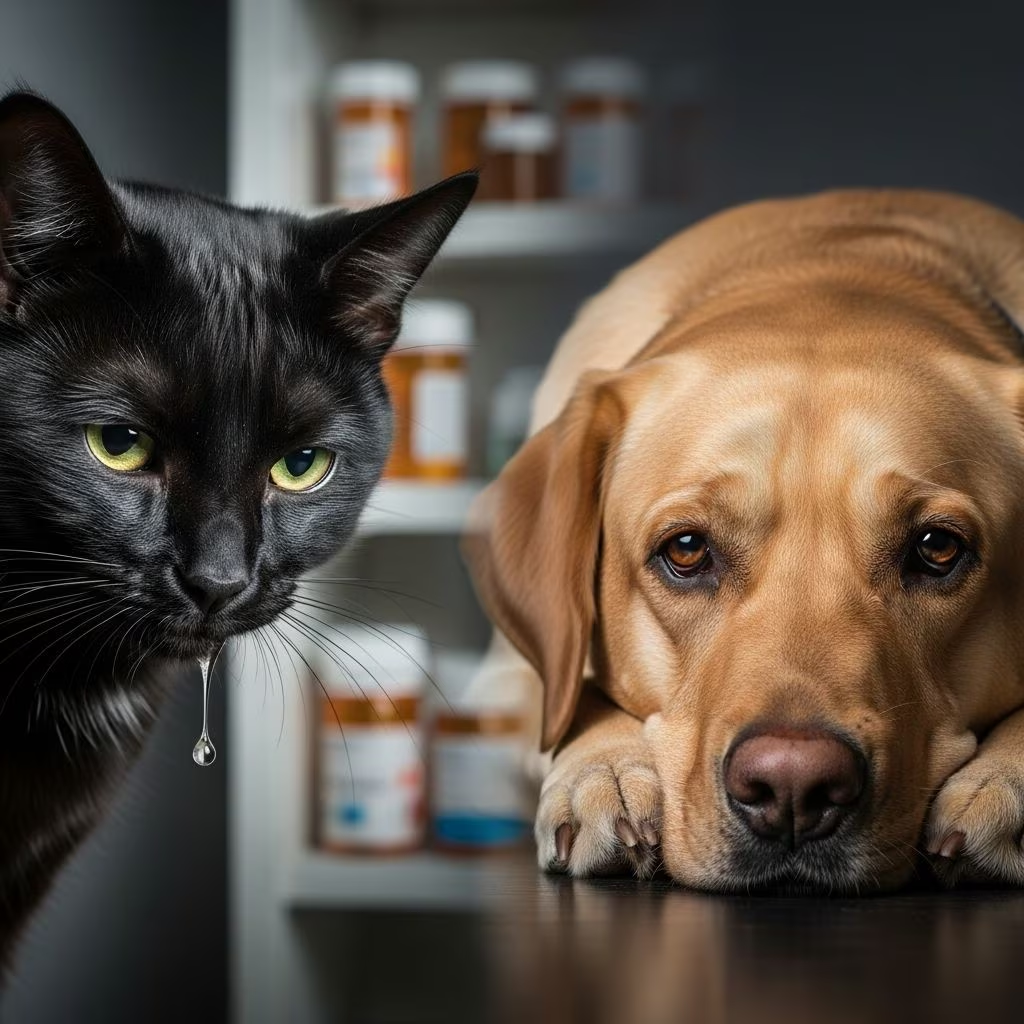
Is Acetaminophen Toxic to Cats and Dogs?
Acetaminophen, commonly known by the brand name Tylenol, is a widely used over-the-counter pain reliever and fever reducer found in many households. While this medication is generally safe for humans when used as directed, it poses a serious threat to our beloved pets. Both cats and dogs can experience severe toxicity from acetaminophen, but cats are particularly vulnerable due to their unique metabolic limitations. Unfortunately, acetaminophen poisoning in pets is relatively common, often occurring when well-meaning owners attempt to treat their pet’s pain at home without professional veterinary guidance.
Why Are Cats More Susceptible Than Dogs?
Cats are significantly more susceptible to acetaminophen toxicity than dogs because they lack sufficient levels of glucuronyl transferase, an enzyme essential for metabolizing acetaminophen. In cats, the primary metabolic pathway for acetaminophen is through sulfation, which quickly becomes saturated. When this pathway is overwhelmed, toxic metabolites accumulate in the body, leading to severe health consequences. Additionally, cats have a relative absence of the specific high-affinity acetaminophen glucuronoyl transferase enzyme that efficiently processes this medication in other species.
Dogs have a greater capacity to metabolize acetaminophen through glucuronidation, making them somewhat more tolerant than cats. However, this does not mean dogs are safe from acetaminophen toxicity. Dogs still lack the enzyme systems humans possess and can suffer serious poisoning at relatively modest doses compared to human tolerance levels.
Toxic Doses in Cats and Dogs
Understanding the toxic threshold for each species is critical for pet owners. The difference between a safe dose and a toxic one can be remarkably small, particularly in cats.
Cats
There is no safe dose of acetaminophen for cats. Clinical signs of toxicity have been documented at doses as low as 10 mg/kg of body weight. The generally reported toxic dose range falls between 40–50 mg/kg, though some cats develop symptoms at the lower threshold. To put this in perspective, a single standard 325 mg tablet of Tylenol could be fatal for an average cat without immediate veterinary intervention. At approximately 22 milligrams per pound of body weight, even a small amount of acetaminophen represents a serious threat to feline health.
Dogs
Dogs show greater tolerance than cats but remain highly vulnerable to acetaminophen toxicity. Clinical signs in dogs typically do not appear unless the dose exceeds 100 mg/kg of body weight, which equals approximately 45 milligrams per pound. Methemoglobinemia, a condition affecting the blood’s oxygen-carrying capacity, may develop at doses exceeding 200 mg/kg. Renal failure can occur with doses ranging from 175–300 mg/kg, while central nervous system effects appear at doses greater than 400 mg/kg. Doses exceeding 600 mg/kg are potentially lethal in dogs. Toxicosis can also develop in dogs at lower doses with repeated exposure over time.
How Acetaminophen is Absorbed and Processed
Once swallowed, acetaminophen rapidly enters the bloodstream within approximately thirty minutes. In humans, the body efficiently metabolizes this compound, but in pets, the process is fundamentally different and problematic. The lack of adequate metabolic enzymes means that toxic compounds accumulate rather than being safely eliminated from the body. This accumulation leads to oxidative stress and cellular damage, particularly affecting the red blood cells and liver.
Clinical Signs of Acetaminophen Toxicity
Recognizing the early signs of acetaminophen poisoning is essential for obtaining timely veterinary treatment. Symptoms can appear within one to four hours of ingestion, though some effects may take longer to develop.
Signs in Cats
Cats poisoned by acetaminophen typically exhibit the following symptoms:
– Depression and lethargy- Weakness and listlessness- Rapid breathing and high heart rate- Panting and labored breathing- Loss of appetite and refusal to eat- Vomiting or drooling- Abdominal pain- Bluish discoloration of mucous membranes (cyanosis), particularly affecting the gums and tissue around the eyes- Chocolate brown or muddy coloration of mucous membranes from methemoglobin formation- Facial and paw swelling several hours after ingestion- Hypothermia- Dyspnea (difficulty breathing)
Signs in Dogs
Dogs experiencing acetaminophen toxicity may display these clinical indicators:
– Loss of appetite and anorexia- Abdominal pain and tenderness- Vomiting- Lethargy and depression- Trembling and shaking- Facial and paw edema (swelling)- Increased heart rate (tachycardia)- Increased respiratory rate (tachypnea)- Dry eyes- Dark or discolored urine- Pale, dark, or muddy mucous membranes- Jaundice and icterus (yellowing of skin and mucous membranes)
At higher doses, dogs may experience seizures, ataxia (loss of coordination), coma, and potentially fatal complications including liver necrosis and hepatotoxicosis.
Understanding the Toxic Mechanisms
Methemoglobinemia
One of the primary mechanisms of acetaminophen toxicity involves the formation of methemoglobin, an abnormal form of hemoglobin that cannot effectively carry oxygen. In cats, methemoglobinemia develops within a few hours of acetaminophen ingestion, followed by Heinz body formation. Heinz bodies are inclusions within red blood cells that the spleen recognizes as abnormal and removes from circulation, leading to hemolytic anemia. This reduced oxygen-carrying capacity manifests as cyanosis, weakness, rapid breathing, and potentially life-threatening complications.
Hepatotoxicity
Acetaminophen can cause significant liver damage in both cats and dogs, though the manifestation differs between species. In dogs, icterus, hepatotoxicosis, and hepatic necrosis are more commonly observed with acetaminophen poisoning. In cats, severe liver damage typically occurs only with large ingestions. However, chronic exposure even at lower doses can gradually compromise liver function.
Nephrotoxicity
Kidney damage represents another serious consequence of acetaminophen toxicity, particularly in dogs. Elevated blood urea nitrogen and creatinine levels indicate compromised kidney function. The glomerular filtration rate may decrease significantly, potentially progressing to acute kidney injury or complete renal failure.
Diagnosis of Acetaminophen Toxicity
Veterinarians diagnose acetaminophen toxicity based on a combination of factors: the history of ingestion, clinical signs observed, and laboratory findings. Blood tests may reveal elevated methemoglobin levels, liver enzyme abnormalities, or evidence of kidney dysfunction. Urine analysis can detect methemoglobinuria and acetaminophen metabolites. The presence of subcutaneous edema of the head and brown or muddy mucous membranes in a cat with a history of acetaminophen exposure strongly suggests toxicity. In dogs, icterus combined with other clinical signs points toward acetaminophen poisoning.
Treatment Options for Acetaminophen Poisoning
Antidote: N-Acetylcysteine
An effective antidote exists for acetaminophen poisoning: N-acetylcysteine (NAC). This medication works by replenishing glutathione, an important cellular antioxidant that helps neutralize toxic metabolites of acetaminophen. N-acetylcysteine is most effective when administered as soon as possible after acetaminophen ingestion, ideally within the first few hours. The sooner treatment begins, the better the prognosis for recovery.
Supportive Care and Additional Medications
Beyond N-acetylcysteine, veterinary treatment typically includes hepatoprotective medications to support liver function and prevent further damage. Supportive care measures address specific symptoms and complications. Blood transfusions may be necessary if severe anemia develops from hemolysis. IV fluids help maintain hydration and support kidney function, particularly important in cases involving potential renal failure. In severe cases, hospitalization with continuous monitoring becomes essential to manage life-threatening complications such as severe methemoglobinemia or hepatic failure.
Prevention: Keeping Pets Safe from Acetaminophen
Prevention is far preferable to treatment when it comes to acetaminophen toxicity. Pet owners should take several precautions to protect their animals:
– Store all acetaminophen-containing medications in secure locations inaccessible to pets, ideally in locked cabinets or drawers- Never give acetaminophen or any human medication to your pet without explicit veterinary approval and guidance- Be aware that many over-the-counter combination cold and pain medications contain acetaminophen as an ingredient- Educate family members and guests about the dangers of acetaminophen to pets- Dispose of unused or expired acetaminophen properly, ensuring pets cannot access discarded medication- Contact your veterinarian immediately if you suspect your pet has ingested acetaminophen, even in small amounts
What To Do If Your Pet Ingests Acetaminophen
Time is critical when acetaminophen ingestion occurs. If you suspect your pet has consumed acetaminophen, take these steps immediately:
1. Contact your veterinarian or emergency veterinary clinic without delay2. If possible, have information ready about the amount ingested and the time of ingestion3. Bring the medication bottle or packaging to help identify the exact product and dose4. Seek emergency care even if your pet appears asymptomatic, as signs may not appear for several hours5. Do not attempt home remedies or induced vomiting unless directed by a veterinarian6. Follow your veterinarian’s treatment recommendations precisely
Frequently Asked Questions
Q: Can I give my cat a small dose of acetaminophen for pain relief?
A: No. There is no safe dose of acetaminophen for cats. Even small amounts can cause serious toxicity. Always consult your veterinarian for safe pain management options specifically formulated for feline patients.
Q: Is acetaminophen safe for dogs if given in very small amounts?
A: While dogs tolerate acetaminophen better than cats, there is no universally safe dose. Dogs should only receive acetaminophen under direct veterinary supervision and guidance, as individual sensitivity varies. Your veterinarian can recommend safer pain relief alternatives.
Q: How quickly do acetaminophen poisoning symptoms appear?
A: Signs can develop within one to four hours of ingestion, though some effects like liver damage may take longer to become apparent. This is why immediate veterinary care is essential even before symptoms develop.
Q: What is the survival rate for pets treated for acetaminophen toxicity?
A: Prognosis depends on the amount ingested, the time elapsed before treatment, and the severity of organ damage. Early treatment with N-acetylcysteine significantly improves survival rates. Cats treated within the first few hours of ingestion have better outcomes than those treated later.
Q: Are other common pain relievers also dangerous for pets?
A: Yes, other over-the-counter pain medications including ibuprofen and naproxen are also toxic to pets. Pets are similarly susceptible to these medications at relatively low doses. Always consult your veterinarian before giving any medication to your pet.
Q: What other species besides cats and dogs are susceptible to acetaminophen toxicity?
A: Many other species including birds, rabbits, ferrets, pigs, and other animals can experience acetaminophen toxicity. Ferrets, in particular, have metabolic limitations similar to cats and are similarly susceptible to adverse effects.
References
- Toxicoses From Human Analgesics in Animals — Merck Veterinary Manual. 2024. https://www.merckvetmanual.com/toxicology/toxicoses-from-human-analgesics/toxicoses-from-human-analgesics-in-animals
- Acetaminophen Toxicity in Cats — VCA Animal Hospitals. 2024. https://vcahospitals.com/know-your-pet/acetaminophen-toxicity-in-cats
- The Diagnosis of Acetaminophen Toxicosis in a Cat — National Center for Biotechnology Information, NIH. 2024. https://pmc.ncbi.nlm.nih.gov/articles/PMC340185/
- Acetaminophen and Cats — ASPCApro. 2024. https://www.aspcapro.org/sites/default/files/a-vettech_0103.pdf
- Management of Acetaminophen and Ibuprofen Toxicoses in Dogs and Cats — American College of Veterinary Emergency and Critical Care. 2024. https://www.aspcapro.org/sites/default/files/c-veccs_july00.pdf
- Acetaminophen | Pet Poison Control List — American College of Veterinary Pharmacists. 2024. https://vetmeds.org/pet-poison-control-list/acetaminophen/



