

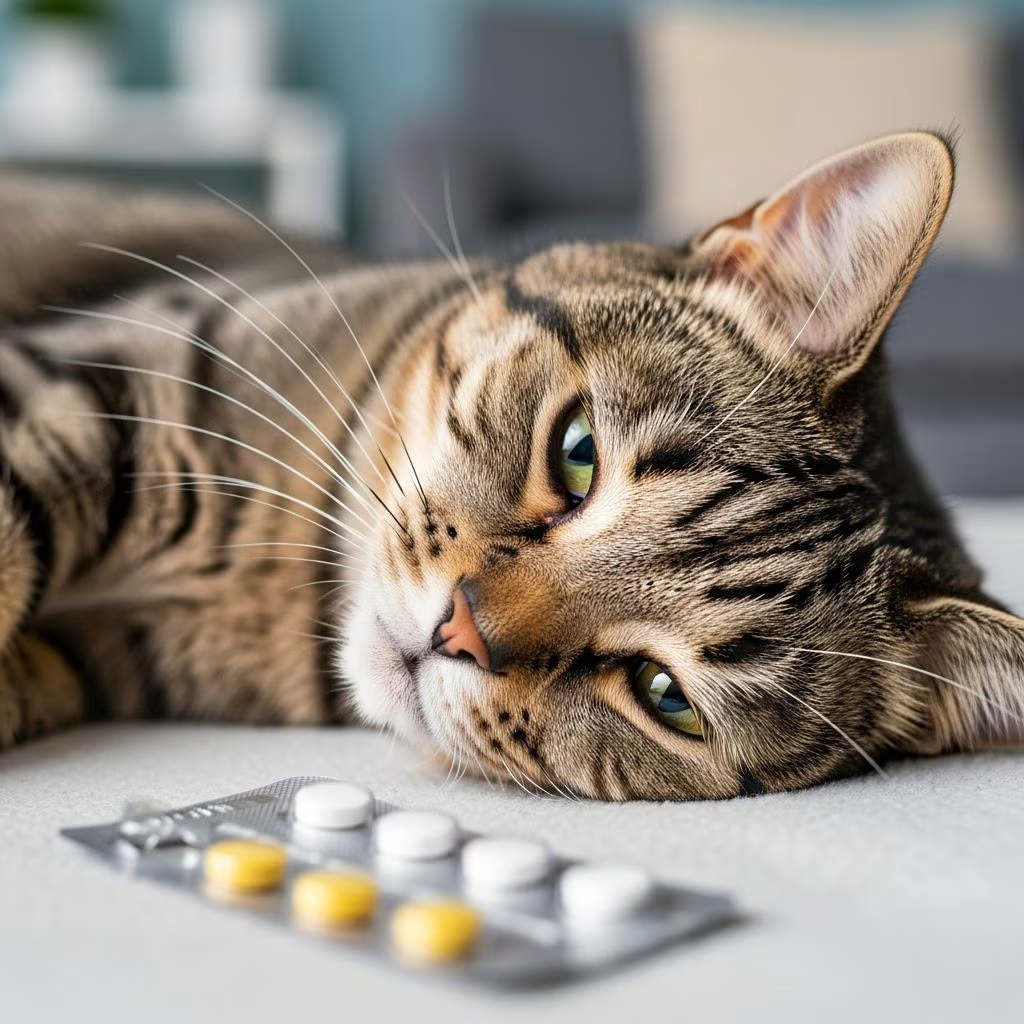
Acetaminophen Toxicity in Cats: A Comprehensive Guide
Acetaminophen, commonly known by brand names like Tylenol, is a widely used over-the-counter pain reliever and fever reducer for humans. While generally safe for people when used as directed, acetaminophen poses a serious and potentially life-threatening risk to cats. Unlike humans, cats lack certain liver enzymes that help break down and eliminate acetaminophen from their bodies, making them extremely susceptible to toxicity from even small doses. Understanding the dangers of acetaminophen, recognizing the signs of poisoning, and knowing how to respond quickly can mean the difference between life and death for your feline companion.
Why Are Cats So Vulnerable to Acetaminophen?
Cats are particularly vulnerable to acetaminophen toxicity due to their unique metabolic limitations. The feline liver lacks the glucuronidation enzymes necessary for efficiently metabolizing acetaminophen, which means the drug accumulates in their system much more quickly than it would in humans or even dogs. When acetaminophen accumulates in a cat’s body, it undergoes metabolism through alternative pathways that produce toxic byproducts. These byproducts, primarily N-acetyl-p-benzoquinone imine (NAPQI), cause oxidative damage to red blood cells and liver tissue. This metabolic vulnerability means that cats can develop serious toxicity from doses as low as 10 mg/kg, though clinical signs typically appear with ingestions of 40–50 mg/kg.
Signs and Symptoms of Acetaminophen Poisoning in Cats
Recognizing the early signs of acetaminophen toxicity is crucial for seeking emergency veterinary care. The symptoms can develop rapidly and progress quickly, sometimes within just a few hours of ingestion.
Early Signs (1–4 Hours After Ingestion)
The initial signs of acetaminophen toxicity typically appear within one to four hours of ingestion. These early warning signs include:
– Progressive depression and lethargy- Weakness or lack of energy- Rapid or difficult breathing (tachypnea)- Increased heart rate- Panting- Loss of appetite (anorexia)- Drooling or excessive salivation- Vomiting- Abdominal pain- Decreased body temperature (hypothermia)
Advanced Signs (4–12+ Hours After Ingestion)
As acetaminophen toxicity progresses, more severe symptoms develop. The most characteristic sign is a change in the color of mucous membranes, the moist tissues inside the mouth, around the eyes, and other areas. Normally pink in healthy cats, these tissues may develop a bluish discoloration called cyanosis due to the formation of methemoglobin, an abnormal form of hemoglobin that cannot carry oxygen effectively. Alternatively, mucous membranes may develop a chocolate-brown color from the methemoglobin itself.
Other advanced signs include:
– Facial swelling- Swelling of the paws and forelimbs- Dark or chocolate-colored urine (indicating blood or hemoglobin in the urine)- Jaundice (yellowish discoloration of the skin and mucous membranes)- Severe depression- Difficulty breathing or respiratory distress- Collapse
In the most severe cases, death can occur 18–36 hours after ingestion. Tragically, occasionally the first sign of acetaminophen toxicity is sudden death, which underscores the importance of preventing access to these medications.
How Acetaminophen Damages Cats
Methemoglobinemia
The primary mechanism of acetaminophen toxicity in cats involves the formation of methemoglobin. Acetaminophen metabolites convert hemoglobin, the oxygen-carrying protein in red blood cells, into methemoglobin, which is incapable of transporting oxygen. This occurs within a few hours of ingestion. The resulting methemoglobinemia severely impairs the blood’s ability to deliver oxygen throughout the cat’s body, leading to respiratory distress, weakness, depression, and potentially organ failure. Additionally, methemoglobin formation can trigger hemolysis, the destruction of red blood cells, leading to anemia and further compromising the cat’s oxygen-carrying capacity.
Liver Damage
In addition to methemoglobinemia, acetaminophen can cause hepatotoxicity (liver damage), particularly with larger ingestions. Liver damage may begin 24–36 hours after ingestion but clinical signs of liver dysfunction may not appear for 3–6 days. Cats suffering from liver damage may develop jaundice, loss of appetite, vomiting, and lethargy. The liver’s reduced function further compromises the cat’s ability to detoxify harmful substances and maintain metabolic balance.
Emergency Treatment for Acetaminophen Toxicity
Early Decontamination
The most effective treatment for acetaminophen toxicity begins with early decontamination. If acetaminophen ingestion occurred within 15–20 minutes, a veterinarian may induce vomiting to remove the medication from the stomach before it can be absorbed into the bloodstream. It is critical that vomiting induction only be performed by a veterinarian, as attempting this at home can cause severe stomach irritation or other complications.
After vomiting is controlled, the veterinarian may administer medical-grade activated charcoal to bind any remaining acetaminophen in the gastrointestinal tract and prevent absorption. Activated charcoal must only be given by a veterinarian, as improper administration can lead to aspiration into the lungs or dangerous changes in sodium levels in the blood.
Antidote Therapy with N-Acetylcysteine (NAC)
An antidote specifically designed to counteract acetaminophen toxicity is available: N-acetylcysteine, commonly abbreviated as NAC and marketed under brand names such as Mucomyst. N-acetylcysteine works by improving the metabolism of acetaminophen and helping to prevent further damage to red blood cells and the liver. It is most effective when administered early, ideally within the first 8–24 hours after ingestion. However, it is important to note that NAC cannot reverse damage that has already occurred; therefore, early treatment is essential for the best outcomes.
Supportive and Intensive Care
Depending on the dose of acetaminophen ingested and the severity of the cat’s condition, hospitalization may be necessary. Cats suffering from acetaminophen toxicity require gentle handling, as they are often in a fragile state. Supportive care typically includes:
– Intravenous or subcutaneous fluid therapy to maintain hydration and electrolyte balance- Liver protectants and antioxidant medications- Vitamin C (ascorbic acid), which helps reduce methemoglobin levels- Oxygen therapy if respiratory distress is severe- Blood transfusions if anemia becomes severe or if the cat develops a critically low red blood cell count- Pain management- Continuous monitoring of vital signs and blood parameters
Hospitalization and Recovery
Most cats with acetaminophen toxicity will require hospitalization for 3–5 days for observation and intensive treatment. During this period, veterinarians will perform periodic blood work, including complete blood cell counts to assess anemia and screen for red blood cell damage, as well as liver function tests to monitor for hepatic complications. The specific duration of hospitalization depends on the severity of the poisoning and the cat’s response to treatment.
The prognosis for acetaminophen toxicity varies significantly based on two critical factors: the amount of acetaminophen ingested and how quickly the cat receives veterinary care. Cats treated within 14 hours of ingestion have the best prognosis for recovery. Conversely, cats treated after 24 hours have a significantly poorer outlook, particularly if they have developed severe methemoglobinemia or liver damage.
Prevention: The Best Medicine
Since acetaminophen toxicity can be fatal and there is no truly effective reversal treatment once damage has occurred, prevention is by far the best approach. Pet owners should:
– Store all medications, including over-the-counter pain relievers and fever reducers, in secure, locked cabinets or drawers that cats cannot access- Never administer human medications to cats without explicit veterinary approval and guidance- Be especially cautious with combination medications that may contain acetaminophen as one ingredient- Keep medications in their original containers with clear labeling- Educate family members and guests about the dangers of acetaminophen for cats- If a cat has ingested acetaminophen, contact a veterinarian or animal poison control center immediately
What to Do If Your Cat Ingests Acetaminophen
If you suspect your cat has ingested acetaminophen, time is of the essence. Immediately contact your veterinarian or an emergency veterinary clinic. If it is after hours, call an emergency animal hospital or the ASPCA Animal Poison Control Center. Be prepared to provide:
– The approximate time of ingestion- The amount of acetaminophen ingested (if known)- The cat’s weight- Any symptoms the cat is currently experiencing
Do not wait for symptoms to develop before seeking help. Many cats begin showing signs within hours, and early intervention dramatically improves outcomes. If acetaminophen ingestion occurred very recently (within 15–20 minutes), the veterinarian may be able to induce vomiting before significant absorption occurs.
Frequently Asked Questions About Acetaminophen Toxicity in Cats
Q: How much acetaminophen is toxic to cats?
A: Cats can develop clinical signs of toxicity at doses as low as 10 mg/kg, though toxicity generally occurs with ingestions of 40–50 mg/kg. Because cats are so sensitive to acetaminophen, even a single tablet of a standard-dose pain reliever can potentially cause serious harm.
Q: Can I give my cat acetaminophen for pain or fever?
A: No. Acetaminophen should never be given to cats. If your cat is experiencing pain or fever, consult your veterinarian about safe, cat-appropriate pain relievers and fever reducers.
Q: How quickly do symptoms appear after acetaminophen ingestion?
A: Initial symptoms typically develop within 1–4 hours of ingestion. However, severe complications like liver damage may take 24–36 hours to begin and 3–6 days to show clinical signs. This is why seeking immediate veterinary care is crucial, even if your cat appears fine initially.
Q: Is there a cure for acetaminophen poisoning in cats?
A: While N-acetylcysteine (NAC) is an effective antidote when given early, it prevents further damage rather than reversing damage that has already occurred. Early treatment, ideally within 8–24 hours of ingestion, provides the best chance for recovery.
Q: What is the survival rate for cats with acetaminophen toxicity?
A: Survival depends heavily on the dose ingested and how quickly treatment is received. Cats treated within 14 hours of ingestion have significantly better prognosis than those treated later. With prompt, aggressive treatment, many cats can recover, but outcomes are less favorable for cases involving severe overdoses or delayed treatment.
Q: Could my cat have eaten acetaminophen without my knowledge?
A: Yes, cats could potentially access medications if they are not stored securely. Cats are curious and may investigate pills, tablets, or medications left on bedside tables, countertops, or in easily accessible locations. Always store medications securely.
Conclusion
Acetaminophen toxicity represents a serious and potentially fatal threat to feline health. The unique metabolic characteristics of cats make them extraordinarily vulnerable to this common human medication, and even small doses can cause life-threatening complications. By understanding the dangers, recognizing the signs, and taking preventive measures, pet owners can protect their cats from this preventable poisoning. Most importantly, never give acetaminophen or any other human medication to your cat without explicit veterinary guidance, and always store medications securely out of feline reach. In the event of suspected acetaminophen ingestion, seek emergency veterinary care immediately—early intervention can be lifesaving.
References
- Acetaminophen Toxicity in Cats — VCA Animal Hospitals. 2024. https://vcahospitals.com/know-your-pet/acetaminophen-toxicity-in-cats
- Toxicoses From Human Analgesics in Animals — Merck Veterinary Manual. 2024. https://www.merckvetmanual.com/toxicology/toxicoses-from-human-analgesics/toxicoses-from-human-analgesics-in-animals
- Tylenol (Acetaminophen) Poisoning in Cats — PetMD. 2024. https://www.petmd.com/cat/poisoning/tylenol-poisoning-in-cats
- The Diagnosis of Acetaminophen Toxicosis in a Cat — PubMed Central, National Institute of Health. 2024. https://pmc.ncbi.nlm.nih.gov/articles/PMC340185/
- Acetaminophen Toxicity in Cats — Tri-County Animal Hospital. 2024. https://tricountyah.com/pet-health/acetaminophen-toxicity-cats/



