

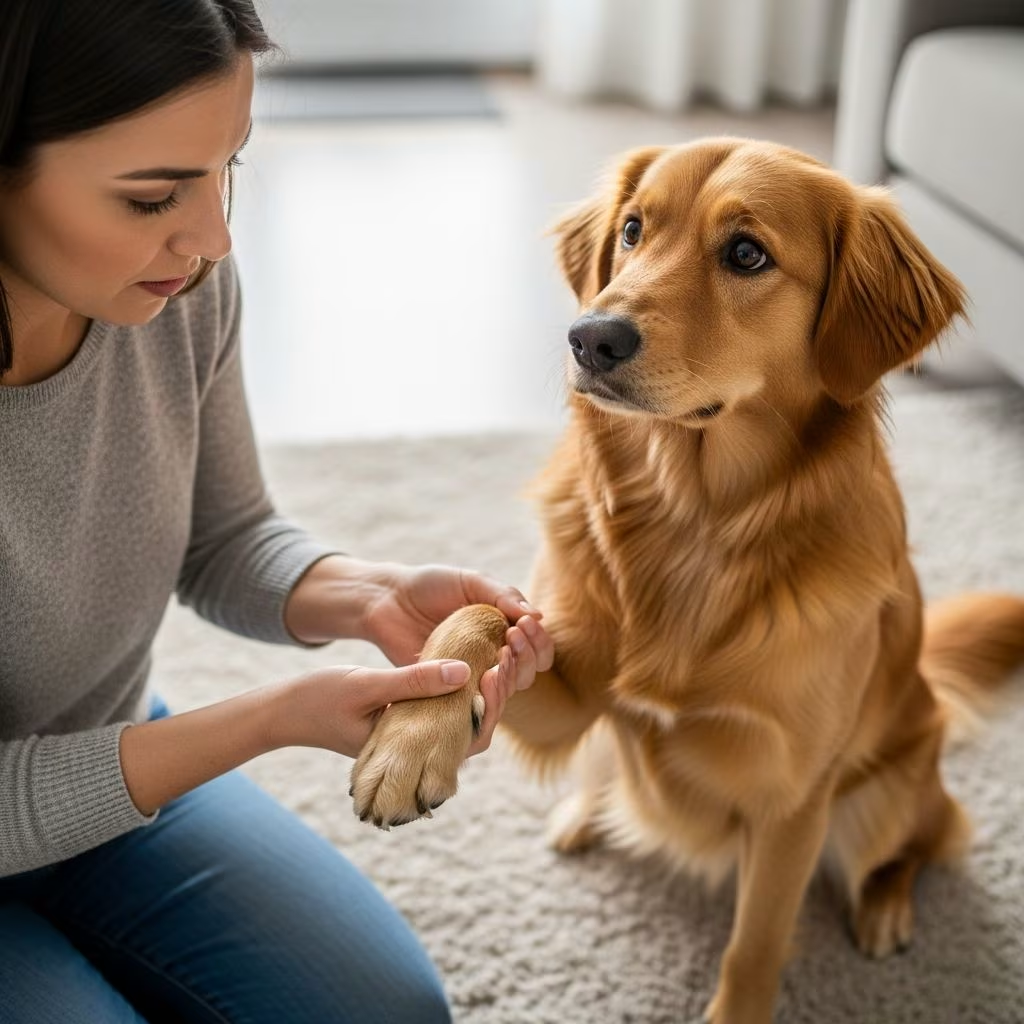
Stepping on your dog’s paw by mistake happens more often than many owners realize, especially in busy households or during play. These incidents can cause pain, bruising, cuts, or even tears in the tough paw pads. Quick action minimizes discomfort and promotes healing, but knowing the difference between minor issues and those needing professional care is crucial.
Understanding Paw Pad Anatomy and Vulnerability
Dog paw pads consist of thick, durable skin layered with fat and connective tissue, designed to cushion impacts, provide traction, and protect against rough surfaces. Despite their resilience, they remain sensitive to blunt force trauma from a human foot, which can lead to bruising, lacerations, or partial tears known as flaps.
When pressure compresses the pad, blood vessels may rupture, causing internal bleeding or visible wounds. The pads’ constant contact with the ground makes them prone to dirt contamination, raising infection risks if not addressed promptly.
Common Symptoms After an Accident
Observe your dog closely right after the incident. Key indicators of injury include:
- Limping or reluctance to bear weight: The dog favors the unaffected paws, often holding the hurt one elevated.
- Verbal distress: Whining, yelping, or sudden barking upon impact or when touching the paw.
- Excessive grooming: Intense licking or chewing at the paw, signaling irritation or pain.
- Visible damage: Swelling, redness, bleeding, or a loose flap of skin on the pad.
- Behavioral shifts: Reduced activity, panting, or withdrawal from normal interactions.
These signs typically appear immediately or within hours. Mild soreness might resolve in a day, but persistence warrants further checks.
Immediate First Aid Steps
Stay calm to avoid stressing your dog. Follow these structured steps for safe initial care:
- Secure the area: Gently restrain your dog if needed, using treats or a helper to prevent pulling away.
- Examine gently: Part the fur and inspect for cuts, foreign objects, swelling, or flaps without forcing the paw open.
- Control bleeding: If blood is present, apply firm but gentle pressure with a clean cloth or gauze for 5-10 minutes. Elevate the paw slightly if possible.
- Clean thoroughly: Rinse with cool, clean water or a mild saline solution (1 teaspoon salt per cup of water). Use pet-safe antiseptics like chlorhexidine if available, avoiding hydrogen peroxide which can damage tissue.
- Disinfect and protect: Pat dry, apply a thin layer of antibiotic ointment, and cover with non-stick gauze.
Avoid human medications like ibuprofen, as they are toxic to dogs. If bleeding persists beyond 10 minutes or the wound gapes, head to the vet immediately.
How to Bandage a Dog’s Injured Paw Properly
Bandaging protects the wound, absorbs discharge, and prevents licking. Use these materials: non-adherent pad, conforming gauze, elastic wrap (like Vetwrap), and tape.
| Step | Action | Tips |
|---|---|---|
| 1. Prep | Trim fur around wound if long | Prevents slipping; clean hands/tools |
| 2. Pad | Place non-stick gauze over wound | Ensure full coverage without bunching |
| 3. Wrap primary layer | Apply 2-3 layers of gauze roll | Snug but not tight; allow toe movement |
| 4. Secure outer layer | Use self-adhering wrap, figure-8 pattern | Covers ankle for stability |
| 5. Check fit | Bandage should allow one finger underneath | Re-check every 2 hours initially |
Change daily or if soiled. Watch for swelling above the bandage, a sign it’s too tight.
Recognizing When Veterinary Intervention Is Needed
Not all paw injuries heal at home. Seek professional help if:
- Bleeding doesn’t stop after 10-15 minutes of pressure.
- Deep cuts, punctures, or large flaps expose tissue.
- Your dog refuses to walk or shows extreme pain.
- Signs of infection emerge: pus, foul smell, fever (warm ears/gums), or lethargy.
- Limping lasts over 24-48 hours despite rest.
Vets may clean deeply, suture wounds, prescribe antibiotics/pain relief, or X-ray for fractures. Early visits prevent complications like abscesses.
Signs of Infection and Complications
Infections thrive in moist, contaminated paw environments. Monitor for:
- Worsening inflammation: Increased redness, heat, or puffiness spreading up the leg.
- Discharge: Yellow/green pus or bloody ooze.
- Systemic illness: Loss of appetite, vomiting, or high fever.
- Bandage issues: Soaking wet, loosening, or causing toe swelling.
Flaps can dehisce if not managed, leading to granulation tissue or scarring that alters gait. Prompt antibiotics curb bacterial spread.
Home Recovery and Healing Timeline
Healing varies: minor bruises resolve in 1-3 days; cuts or flaps take 10-21 days due to constant use. Support recovery with:
- Strict rest: Crate confinement or leash walks only; no running/jumping.
- E-collar or sock: Prevents licking, which introduces bacteria.
- Nutritional boost: High-protein diet aids tissue repair; consider vet-recommended supplements like omega-3s.
- Follow-ups: Weekly vet checks for bandage changes if severe.
Gradually reintroduce activity as limping fades. Full pad regrowth may take weeks, with new skin initially pink and tender.
Preventing Future Paw Accidents and Injuries
Proactive steps reduce risks:
- Awareness training: Teach “wait” at doors; use baby gates in high-traffic areas.
- Pad toughening: Walk on varied surfaces gradually; apply paw balms for conditioning.
- Seasonal care: Booties for hot pavement/salt/ice; inspect after walks.
- Regular checks: Trim nails monthly to improve balance.
Breeds with thin pads (e.g., Greyhounds) or active lifestyles need extra vigilance.
Frequently Asked Questions (FAQs)
What if my dog seems fine after I stepped on their paw?
Monitor for 24 hours. Subtle limping or sensitivity can develop. Rest and observe.
Can I use human bandages on dog paws?
No, they slip easily. Opt for vet wraps that stick to themselves, not fur/skin.
How long until a torn paw pad heals?
Typically 2-4 weeks with proper care. Deeper injuries may scar but function well.
Is swelling normal after stepping on a paw?
Mild swelling from bruising is common, but if it worsens or spreads, consult a vet.
Should I let my dog lick the wound?
No, saliva harbors bacteria. Use an e-collar to block access.
Long-Term Effects and When to Worry
Most dogs recover fully without lasting issues. However, untreated injuries can cause chronic lameness, arthritis predisposition, or gait abnormalities. Annual paw exams during vet visits catch vulnerabilities early. Invest in quality booties for protection during hikes or harsh weather.
By acting swiftly and knowledgeably, you turn a mishap into a quick fix, keeping your dog comfortable and mobile.
References
- Dog Paw Pad Injury Flap: How to Help Your Dog — Saratoga Veterinary Hospital. 2023. https://saratogavethosp.com/blog/dog-paw-pad-injury-flap/
- Dog Paw Pad Injury: What to Do for Flaps, Burns, Cuts, & More — ToeGrips. 2024. https://toegrips.com/dog-paw-pad-injury/
- 7 Common Dog Paw Issues and What to Do About Them — Top Dog Tips (YouTube). 2023. https://www.youtube.com/watch?v=OIemsD2VZT4
- Dog Paw Injury: How to Care for the Wound — CC Animal Clinic. 2023. https://ccanimalclinic.com/news/dog-paw-injury
- Common Dog Paw & Paw Pad Injuries — Purina US. 2024. https://www.purina.com/articles/dog/health/symptoms/paw-pad-injuries
- Treating Paw Pad Injuries — Pedigree. 2023. https://www.pedigree.com/dog-care-articles/treating-paw-pad-injuries
- Dog Paw Problems | Causes, Signs and Treatment — PetAssure. 2023. https://www.petassure.com/new-newsletters/paw-problems/



