

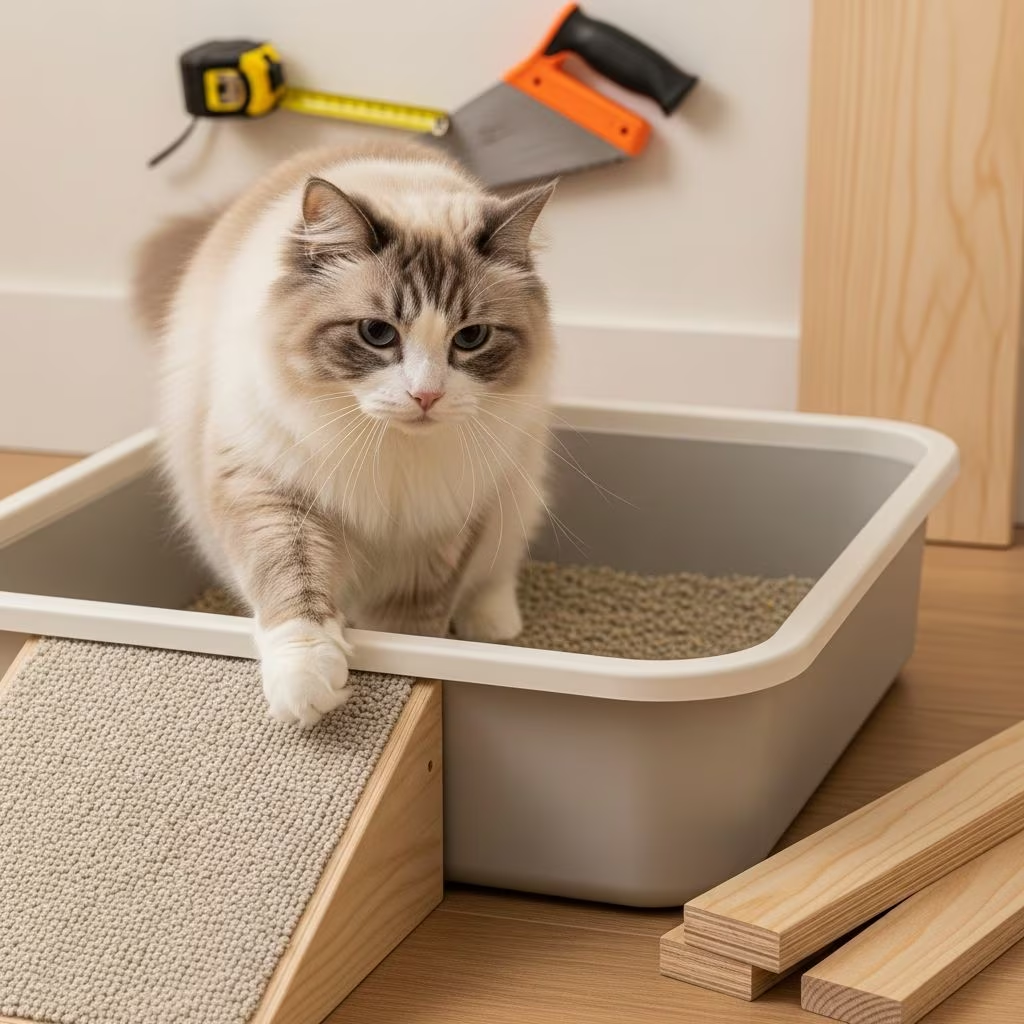
As cats age, their physical capabilities change dramatically. What once seemed like an easy leap into a standard litter box becomes a painful, frustrating experience for senior felines dealing with arthritis, joint stiffness, and reduced mobility. Many pet owners don’t realize that their aging cats may be struggling with bathroom visits, which can lead to inappropriate elimination outside the litter box. The solution doesn’t require expensive commercial products or complicated installations. Instead, thoughtful DIY modifications can transform ordinary household items into comfortable, accessible spaces where your senior cat can maintain their dignity and independence.
Why Standard Litter Boxes Fall Short for Senior Cats
Traditional litter boxes present several challenges for aging felines. The high walls force cats to climb over or jump into the box, movements that cause pain for those with arthritis or degenerative joint disease. Additionally, the confined space makes it difficult for senior cats to position themselves comfortably, especially larger breeds that need more room to turn around. Some cats also experience reduced flexibility, making it harder to squat at the angles required by conventional boxes.
When cats avoid their litter boxes due to discomfort, owners often misinterpret this behavior as a behavioral problem rather than recognizing it as a sign of physical distress. Creating a more accommodating bathroom space can prevent litter box avoidance and help maintain your cat’s quality of life during their golden years.
Understanding the Core Requirements for Senior-Friendly Designs
Effective litter boxes for aging cats share several key characteristics. First, they feature low entry points that require minimal effort to access. Second, they provide ample interior space for senior cats to move comfortably without feeling confined. Third, they incorporate shallow or sloped designs that reduce the physical demands of using the facilities. Finally, they’re constructed from durable, easy-to-clean materials that withstand regular use and maintain sanitary conditions.
The beauty of DIY solutions is that they allow customization based on your specific cat’s needs and your home’s layout.
Simple Storage Container Modifications
Large plastic storage containers offer an excellent foundation for senior-friendly litter boxes. These bins, readily available at hardware and home improvement stores, can be transformed with minimal effort and basic tools.
The Basic Container Design
Start with a large, clear plastic storage bin—typically 20 to 50 gallons—with flat bottoms and straight walls. The clear material allows you to monitor litter levels without lifting the lid, and the substantial size provides plenty of space for your senior cat to move around.
Using a sharp utility knife or box cutter, carefully cut an entrance hole in the front or side of the container. The hole should be positioned low—ideally just 2 inches from the bottom—to minimize the stepping or climbing required. For cats with significant mobility limitations, position the opening as close to ground level as possible. Sand the cut edges thoroughly with medium-grit sandpaper to prevent sharp points that could injure your cat.
You can leave the lid on to reduce litter tracking and odor, or remove it entirely if your cat seems uncomfortable with the enclosed space. Some senior cats find the security of a covered box comforting, while others prefer the openness of a lidless design.
Materials and Tools Required
| Category | Items |
|---|---|
| Materials | Large plastic storage bin (20-50 gallons), optional plastic liner or mat |
| Tools | Sharp utility knife or box cutter, medium-grit sandpaper, sanding block, ruler or measuring tape, permanent marker |
| Safety Equipment | Cut-resistant gloves, safety glasses |
| Optional Additions | Duct tape for reinforcement, non-slip mat for bottom |
Ramp-Assisted Litter Box Solutions
For cats experiencing significant mobility challenges, adding a ramp transforms a basic storage container into a fully accessible facility. This design eliminates the need for any stepping or climbing, allowing even severely limited senior cats to use the box independently.
Ramp Construction Basics
Create a gradual slope using sturdy cardboard, plywood, or foam board. The ramp should extend from the ground to the entrance hole with a gentle incline—never steep enough to be difficult for an unsteady cat. A good rule of thumb is a rise of no more than one inch for every four inches of horizontal length.
Secure the ramp firmly to prevent shifting during use. You can attach it with exterior-grade adhesive, bolts, or sturdy brackets. The ramp surface should provide good traction; consider adding non-slip tape or rubber strips to prevent slipping, especially for long-haired cats.
Interior Platform Considerations
Inside the box, create an elevated platform that aligns with the ramp height. This flush transition eliminates any step or drop, allowing your cat to walk smoothly from the ramp directly onto the litter surface. The platform can be constructed from the bin’s original lid, cut to size and supported on internal braces.
Below this platform, place absorbent pads to catch urine that drains through holes in the upper platform. This two-level system keeps your senior cat separated from wet litter while simplifying cleaning and maintenance.
Shallow-Entry Designs Using Unconventional Materials
Plant Growing Trays as Litter Boxes
Garden centers and home improvement stores stock plant growing trays that, with zero modification, function perfectly as senior cat litter boxes. These trays feature naturally shallow sides—typically 3 to 4 inches high—that require virtually no effort to enter. The shallow design means your cat can step into the tray at ground level without climbing or jumping.
Select trays without drainage holes in the bottom; these are specifically designed as solid containers and won’t leak. The rectangular shape accommodates most cats comfortably, and the durable plastic withstands daily use and thorough cleaning. This solution requires no tools, no construction experience, and no time investment beyond purchasing the tray.
Disposable Paint Trays
Contractors’ disposable paint trays offer another creative alternative. These lightweight, rectangular containers have shallow sides and cost very little to purchase. While they may feel less sturdy than plastic storage containers, they work well for testing whether a low-sided design suits your particular cat before investing in a more permanent solution.
Paint trays are best suited for cats that don’t kick litter excessively or dig intensely. For vigorous diggers, the sides may not contain all the litter satisfactorily. However, their disposable nature means there’s minimal financial risk in trying this approach.
Recycled Cardboard Box Method
Cardboard boxes can be repurposed into temporary or budget-friendly litter boxes for senior cats. Cut the box walls as low as possible while maintaining enough height to contain litter. The advantage is easy customization to your cat’s exact specifications and the minimal cost involved.
The primary limitation is durability. Without protection, urine quickly saturates the cardboard, causing structural failure. Line the interior with heavy-duty plastic sheeting or waterproof pads to extend the box’s lifespan. Plan for regular replacement every few weeks as the cardboard gradually deteriorates.
Managing Litter Scatter with Low-Entry Boxes
One concern with shallow or low-entry designs is litter tracking and scatter. Cats that dig enthusiastically may fling litter outside the box more readily when the walls are lower.
Double-Container Strategy
Address this issue by placing a low-sided litter box inside a larger storage container without cutting entrance holes. This creates a “litter box within a litter box” system where the outer container catches any scattered litter while the inner box provides the comfortable, low-entry access your senior cat needs. Ensure there’s enough clearance for your cat to comfortably enter the inner box without scraping against the outer walls.
Litter Shields and Protective Mats
Alternatively, surround the low-sided litter box with a litter shield—a vertical barrier positioned outside the box that catches flying litter without reducing your cat’s usable box space. Pair this with a large, absorbent litter mat underneath to capture scattered litter before it reaches your floors.
Select mats specifically designed for this purpose, as they feature edges that contain litter effectively and materials that don’t trap moisture against your flooring.
Tools and Safety Considerations
Most DIY senior cat litter box projects require only basic tools: a sharp utility knife, sandpaper, and measuring implements. However, working with cutting tools demands proper safety precautions.
- Always wear cut-resistant gloves when handling sharp blades
- Use safety glasses to protect against plastic fragments
- Work on a stable surface with secure workpieces
- Make multiple light cuts rather than forcing the blade through thick plastic
- Sand all cut edges thoroughly to eliminate sharp burrs
- Allow adequate time for adhesives or sealants to cure fully before introducing your cat
Customization Based on Your Cat’s Specific Needs
Every senior cat has unique requirements. A cat recovering from surgery needs different accommodations than one managing arthritis. A larger breed requires more space than a petite feline.
Assessing Your Cat’s Mobility Level
Observe how your senior cat currently uses the bathroom. Does your cat struggle to climb into the box? Hesitate before entering? Take longer than usual to position themselves? These observations guide your design choices. Cats with severe limitations benefit from ramp systems or the plant tray approach. Those with mild mobility changes may need only a slight lowering of the entrance.
Size Considerations
Larger cats need proportionally larger boxes. A typical senior cat litter box should provide at least 14 to 16 inches across the width and 21 inches along the length—dimensions that give your cat comfortable space to turn around completely. These dimensions ensure adequate room for positioning and movement without forcing awkward postures.
Frequently Asked Questions
How often should I replace a DIY cardboard litter box?
Cardboard boxes typically last 2 to 4 weeks before structural degradation becomes problematic. Inspect the box regularly for soft spots or damage, and replace it as soon as you notice deterioration. Plastic alternatives offer significantly longer lifespans—often several years with proper maintenance.
Can I use a covered DIY litter box for a senior cat?
Yes, but ensure the entrance opening is very low and large enough for your cat to enter without squeezing. Some senior cats find covered boxes comforting and odor-containing, while others feel trapped. Try both covered and uncovered versions to determine your cat’s preference.
What type of litter works best in shallow DIY boxes?
Pelleted litter and crystal litter are excellent for low-sided boxes because they scatter less than traditional clay litter. They also control odor effectively and absorb urine efficiently. However, some senior cats have strong preferences for familiar litter types, so gradual transitions to new litter may be necessary.
Is it normal for a senior cat to avoid a new litter box design?
Cats appreciate consistency, and introducing a dramatically different litter box can cause temporary hesitation. Place the new box near the old one for several days, allowing your cat to investigate at their own pace. Reward exploration with treats and affection. Most cats adapt within a few days to a week.
Maintaining Your DIY Litter Box
Proper maintenance extends the lifespan of your DIY creation and ensures a clean, hygienic environment for your senior cat. Scoop daily to remove waste promptly. Deep clean the entire box weekly with cat-safe cleaners, rinsing thoroughly to remove residue. Check structural integrity regularly, addressing any cracks, sharp edges, or degradation immediately.
For plastic containers, avoid harsh abrasive cleaners that scratch the surface and create harboring places for bacteria. For cardboard boxes, plan regular replacement before deterioration becomes severe.
Conclusion: Improving Your Senior Cat’s Quality of Life
Creating accessible litter boxes for aging cats demonstrates compassion and practical problem-solving. These DIY solutions cost substantially less than commercial alternatives while often performing better because they’re customized to your individual cat’s needs. Whether you choose a simple plant tray, a modified storage container, or an elaborate ramp system, the result is the same: a bathroom space where your senior cat can maintain independence, dignity, and comfort during their final years. Your effort in creating these accommodations directly improves your beloved companion’s daily quality of life.
References
- Understanding Senior Cat Care and Mobility — International Cat Care. 2024. https://www.internationalcatcare.org/
- Feline Arthritis and Environmental Modifications — American Animal Hospital Association. 2023. https://www.aaha.org/
- Litter Box Aversion in Cats — American Veterinary Medical Association. 2024. https://www.avma.org/
- Senior Cat Behavioral and Health Considerations — The Merck Veterinary Manual. 2023. https://www.merckvetmanual.com/



