

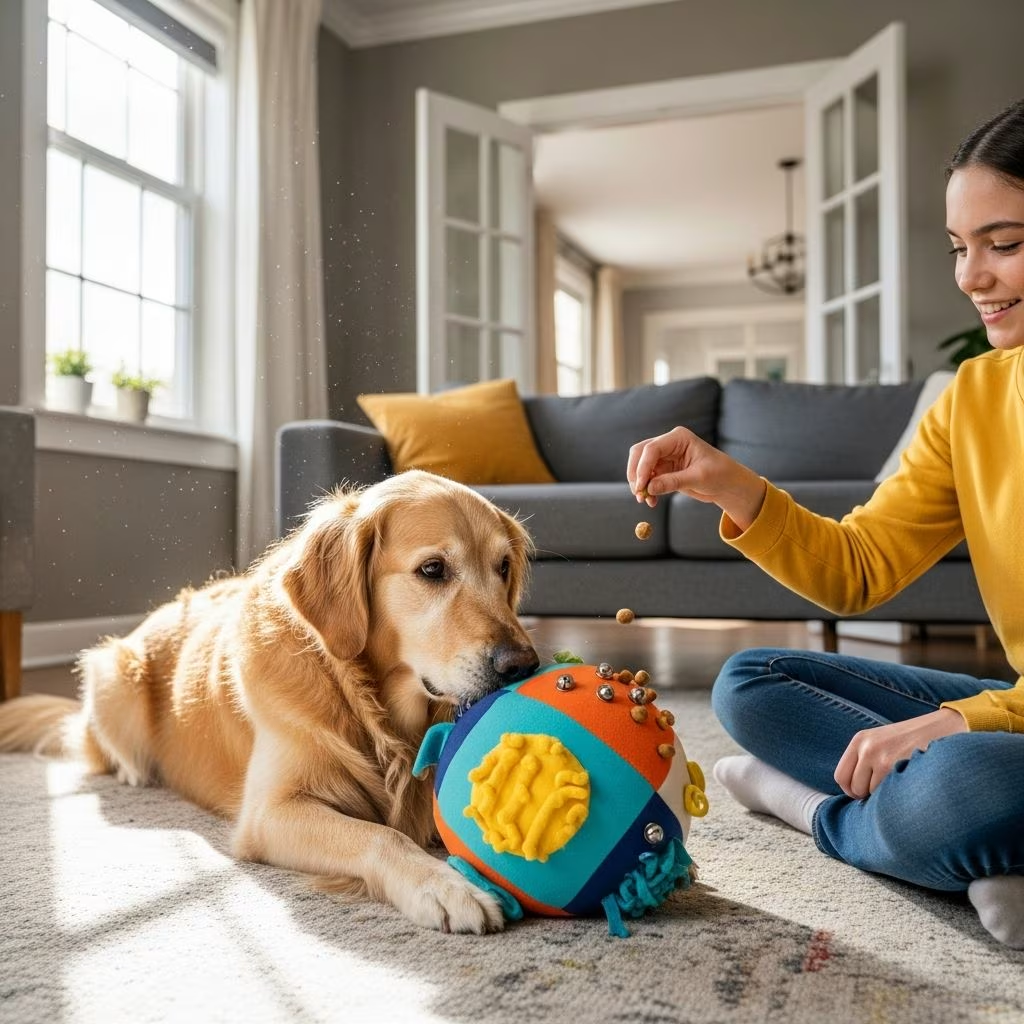
Physical limitations don’t have to end the joy of playing with your dog. These adapted activities focus on mental engagement, gentle interaction, and stationary fun, ensuring both you and your canine companion stay connected and stimulated. Drawing from expert recommendations, this guide offers practical ideas that require minimal physical effort while maximizing enrichment.
Why Mental Games Matter More Than Ever
Dogs thrive on stimulation, and when walks or fetch become challenging, brain games step in as perfect alternatives. These activities enhance cognitive function, reduce boredom, and strengthen your bond without demanding high energy. Research from veterinary sources emphasizes low-impact play for maintaining pet well-being in restricted scenarios.
Benefits include improved problem-solving skills, lower stress levels, and even better obedience through positive reinforcement. For owners with impairments, these games allow participation from a seated position, using voice cues or simple hand movements.
Stationary Scent Challenges
Scent work taps into a dog’s natural sniffing instincts, requiring no running or jumping. Start with basic hide-and-seek variations adapted for immobility.
- Snuffle Mat Hunt: Scatter treats in a snuffle mat placed beside you. Your dog uses their nose to forage, providing hours of engagement.
- Voice-Guided Search: Hide treats under accessible cups or blankets nearby. Use ‘hot’ (excited tone) and ‘cold’ (calm tone) verbal signals to guide them, building listening skills.
- Treat Trail: Wipe a smelly treat along a short path on the floor, ending at a hidden spot. Ideal for scent hounds or any curious pup.
These games promote mental fatigue over physical, often tiring dogs more effectively than a walk. Begin with easy spots and gradually increase complexity.
Puzzle and Interactive Toys
Puzzle toys dispense rewards through clever manipulation, perfect for seated supervision. They’re low-effort for owners and high-reward for dogs.
| Toy Type | How to Use | Benefits |
|---|---|---|
| Treat-Dispensing Balls | Roll gently or let dog nose it around | Encourages pawing and problem-solving |
| Muffin Tin Puzzle | Hide treats under balls or cloths in tin cups | Teaches object permanence, supervised play |
| Three-Cup Shell Game | Shuffle cups with treat under one | Boosts attention and focus on handler |
Supervise to avoid frustration, starting simple. Soft, small treats work best for seniors or those with dental issues. Interactive feeders mimic foraging, extending mealtimes into play.
Gentle Tug and Touch Games
Not all play needs speed. Tug games adapted for stability keep things fun and interactive.
- Seated Tug-of-War: Use a sturdy rope toy from your chair. Let your dog pull while you brace, rewarding with praise.
- Target Touch: Teach nose or paw touches to a stick or your hand, progressing to light tugs on soft toys.
- Squeaky Toy Tease: Dangle or wave toys at dog’s level for batting or gentle grabs.
These build confidence and provide physical outlet without strain. Always match intensity to your dog’s ability.
Indoor Obstacle Adventures
Create mini-courses using household items, focusing on navigation over speed. Keep setups low and stable for safety.
- Surface Circus: Arrange pillows, blankets, and pool noodles for stepping or balancing. Guide verbally from your spot.
- Weave Poles: Space chairs or broomsticks for slalom walking, using treats to lure.
- Tunnel Crawl: Drape a blanket over chairs for a safe tunnel, encouraging confident exploration.
Introduce one element at a time with positive cues. This enhances proprioception (body awareness) gently.
Training Tricks from Your Seat
Obedience and tricks sharpen minds and respond well to voice or clicker training.
- Eye Contact Drill: Reward prolonged gazes, fostering communication.
- Spin or Paw Lift: Lure with treats for stationary spins or lifts.
- Find It Command: Toss nearby toys, naming them for retrieval practice.
Short sessions (5-10 minutes) prevent fatigue. Consistency yields quick results, boosting mutual understanding.
Adapting for Different Disabilities
Tailor games to your specific needs:
- Wheelchair Users: Mount toys on arms for easy access tug or puzzles on trays.
- Arm Limitations: Rely on voice and laser pointers for guiding searches.
- Vision/Hearing Impaired Owners: Use vibrating collars for cues or scent-heavy games.
Observe your dog’s responses and adjust. Consult vets for personalized advice.
Non-Food Enrichment Boosters
Variety prevents boredom. Incorporate sensory play:
- Play calming classical music to reduce anxiety.
- Introduce novel textures like crinkly papers under supervision.
- Desensitization to household sounds via recordings.
Combine with food games for full enrichment spectrum.
Safety First in Every Game
Prioritize non-slip floors, stable setups, and breaks. Monitor for overexertion signs like panting or disinterest. Use durable toys to avoid ingestion risks. For seniors, opt for joint-friendly, soft items.
Building Lasting Bonds Through Play
These games transform limitations into opportunities for deeper connection. Regular sessions improve your dog’s happiness and your shared quality time. Experiment to find favorites, rotating activities weekly.
Frequently Asked Questions
Can these games tire out my energetic dog?
Yes, mental work exhausts dogs comparably to physical exercise, often leading to naps post-play.
What if my dog gets frustrated?
Start easier, use high-value rewards, and end on success. Short sessions build confidence.
Are DIY toys safe?
Use household items without small parts; supervise always. Avoid anything ingestible.
How often should we play?
15-30 minutes daily, split into sessions, suffices for most dogs.
Do these work for puppies or seniors?
Absolutely—scale difficulty by age. Puppies love novelty; seniors need gentle paces.
References
- How to Entertain a Disabled Dog: Mental Games That Actually Work — Natural Farm Pet. 2023. https://www.naturalfarmpet.com/blogs/all/how-to-entertain-a-disabled-dog
- Alternatives to Walking Your Dog when You’re Disabled — Council on Aging. 2024. https://www.councilonaging.org/blog/alternatives-to-walking-your-dog-when-youre-disabled/
- 5 Brain Games for Senior Pets with Mobility Issues — Pooler Vet. 2023. https://poolervet.com/brain-games-senior-pets/
- Fun, Cognitive Training Games to Make Your Dog Smarter — American Kennel Club. 2024-03-15. https://www.akc.org/expert-advice/training/fun-cognitive-training-games-for-dogs/
- 15 Non-Food Enrichment Activities for Dogs from a Certified Expert — Wear Wag Repeat. 2023. https://wearwagrepeat.com/non-food-dog-enrichment-activities/
- 10 Fun Brain Games for Dogs — Purina. 2024. https://www.purina.com/articles/dog/behavior/play/brain-games-for-dogs
- Canine DIY Enrichment — ASPCA. 2023. https://www.aspca.org/pet-care/dog-care/canine-diy-enrichment



