

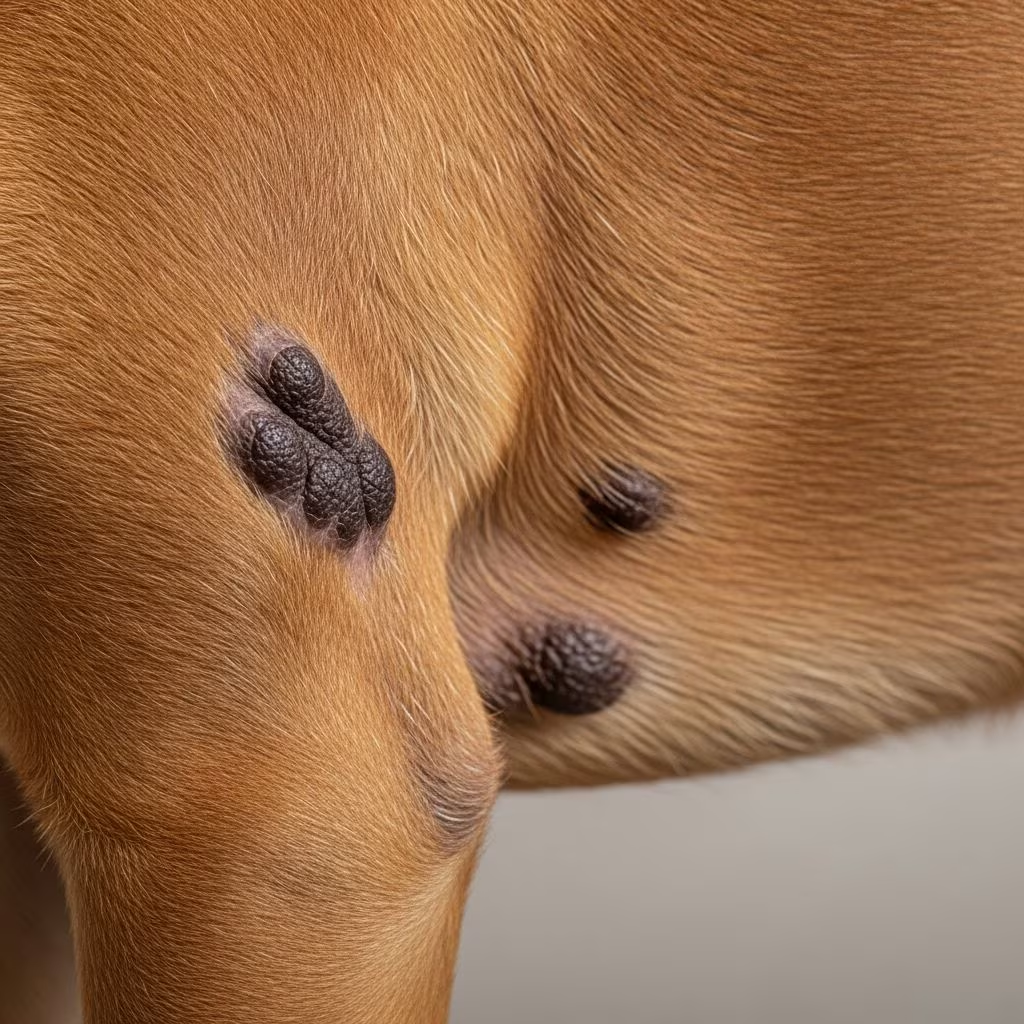
Acanthosis nigricans manifests as darkened, thickened patches on a dog’s skin, often starting in areas like the armpits and groin. This condition divides into primary (genetic) and secondary (acquired) forms, with the primary type predominantly affecting Dachshunds from a young age.
Defining the Condition and Its Visual Impact
In dogs, acanthosis nigricans refers to hyperpigmentation where skin turns black or brown, becoming leathery and hairless. The term ‘acanthosis’ highlights the thickening of the skin’s upper layers observed under microscopic examination. Affected areas frequently develop a greasy texture due to seborrhea, fostering yeast or bacterial overgrowth that leads to odor, itching, and further irritation.
Owners often notice these changes in skin folds, where friction exacerbates the problem. Without intervention, scratching worsens the damage, creating a cycle of inflammation and pigmentation.
Primary vs. Secondary Forms: Key Distinctions
The primary form is a rare genetic disorder, almost exclusive to Dachshunds and their mixes. It emerges between 3 and 12 months, beginning with uniform darkening in axillary (armpit) and inguinal (groin) regions, progressing to lichenification—thick, leathery skin—from friction.
Secondary acanthosis nigricans arises from underlying issues and can impact any breed at any age. It often follows inflammation, differing from the noninflammatory onset of the primary type.
| Feature | Primary Form | Secondary Form |
|---|---|---|
| Breed Predisposition | Dachshunds | Any breed |
| Age of Onset | <1 year | Usually >1 year |
| Initial Pattern | Diffuse in axillae/groin | Variable sites/patterns |
| Underlying Cause | Genetic | Inflammation, infection, etc. |
Common Triggers for Secondary Hyperpigmentation
- Infections: Yeast (Malassezia) or bacterial overgrowth thrives in moist folds, causing foul odors and pain.
- Allergies: Atopic dermatitis leads to chronic itching and rubbing, darkening skin over time.
- Endocrine Disorders: Hypothyroidism, hyperadrenocorticism (Cushing’s), or sex hormone imbalances promote skin changes.
- Obesity and Conformation: Excess fat creates deep folds for friction and moisture buildup.
- Parasites: Mange mites irritate skin, triggering pigmentation.
Addressing the root cause in secondary cases can reverse or lessen pigmentation, unlike the lifelong primary form.
Recognizing Symptoms Early
Early detection prevents complications. Watch for:
- Dark brown or black patches, especially in body folds.
- Thickened, velvety, or wart-like skin texture.
- Hair loss and greasy, crusty surfaces with rancid smell.
- Itching, redness, or pain in affected zones.
- Patchy inflammation resembling lace patterns.
In advanced stages, lesions spread to the neck, abdomen, hocks, or ears, often with secondary infections signaled by erythema at edges.
Diagnostic Approaches by Veterinarians
Vets diagnose via history, clinical exam, and ruling out primaries. For suspected primary cases in young Dachshunds without prior skin issues, no biopsy is needed if signs match. Secondary forms require:
- Skin scrapings and cytology for infections.
- Bacterial cultures if pyoderma suspected.
- Blood tests for thyroid or adrenal function.
- Allergy trials or food elimination diets.
- Skin biopsies for confirmation, revealing epidermal thickening.
Differentiating types is crucial, as many ‘primary’ diagnoses in Dachshunds are actually secondary to allergies or friction.
Treatment Strategies for Relief and Control
Primary acanthosis nigricans lacks a cure but responds to symptom management. Secondary forms improve by treating the cause.
Topical Therapies
- Medicated shampoos (benzoyl peroxide, chlorhexidine) 2-3 times weekly to reduce grease and microbes.
- Topical steroids or tacrolimus for inflammation.
- Antifungal wipes for yeast control.
Systemic Interventions
- Antibiotics or antifungals for infections.
- Hormone supplements for hypothyroidism.
- Weight loss programs for obese dogs.
Consistent care minimizes odor, itching, and secondary issues, enhancing life quality.
Preventive Measures and Home Care
Prevention focuses on breed awareness and health maintenance:
- Avoid breeding affected Dachshunds.
- Maintain ideal weight to reduce folds.
- Regular grooming and fold cleaning.
- Early allergy management with hypoallergenic diets.
- Parasite preventives year-round.
Clip hair in folds for airflow, use hypoallergenic wipes daily, and monitor for changes.
Living with Acanthosis Nigricans: Long-Term Outlook
Dogs with primary forms lead normal lives with diligent care. Secondary cases often resolve once triggers are managed. Regular vet check-ups track progress and adjust plans.
Owners report success with routine bathing and diet tweaks, noting softer skin and less scratching within weeks.
Frequently Asked Questions (FAQs)
Is acanthosis nigricans painful for dogs?
It can be if secondary infections develop, causing itchiness and soreness. Painless in early primary stages.
Can diet help manage this condition?
Yes, omega-3 supplements reduce inflammation; weight control prevents fold issues.
How do I differentiate it from other skin problems?
Vet exam is key—look for location, age onset, and history.
Is surgery ever needed?
Rarely, only for severe, non-responsive infections or conformational surgery in obese dogs.
Does it affect a dog’s lifespan?
No, it’s cosmetic and manageable, not life-threatening.
Expert Insights on Emerging Research
Recent studies emphasize underdiagnosis of secondary infections, advocating cytology as standard. Genetic research in Dachshunds may yield breeding tests soon, per veterinary dermatology advances.
References
- Acanthosis Nigricans — University of Prince Edward Island. Accessed 2026. https://cidd.discoveryspace.ca/disorder/acanthosis-nigricans.html
- Acanthosis Nigricans in Dogs – Symptoms, Causes — WagWalking. Accessed 2026. https://wagwalking.com/condition/acanthosis-nigricans
- Primary Acanthosis Nigricans and Postinflammatory Hyperpigmentation in Dogs — Merck Veterinary Manual. Accessed 2026. https://www.merckvetmanual.com/integumentary-system/acanthosis-nigricans-and-postinflammatory-hyperpigmentation/primary-acanthosis-nigricans-and-postinflammatory-hyperpigmentation-in-dogs
- Acanthosis Nigricans in Dogs: Causes, Signs & Treatment — Pets4Homes. Accessed 2026. https://www.pets4homes.co.uk/pet-advice/black-patches-on-the-skin-acanthosis-nigricans-in-dogs.html
- Cutaneous hyperpigmentation in dogs — PMC (PubMed Central). 2021-12-01. https://pmc.ncbi.nlm.nih.gov/articles/PMC8682925/



