

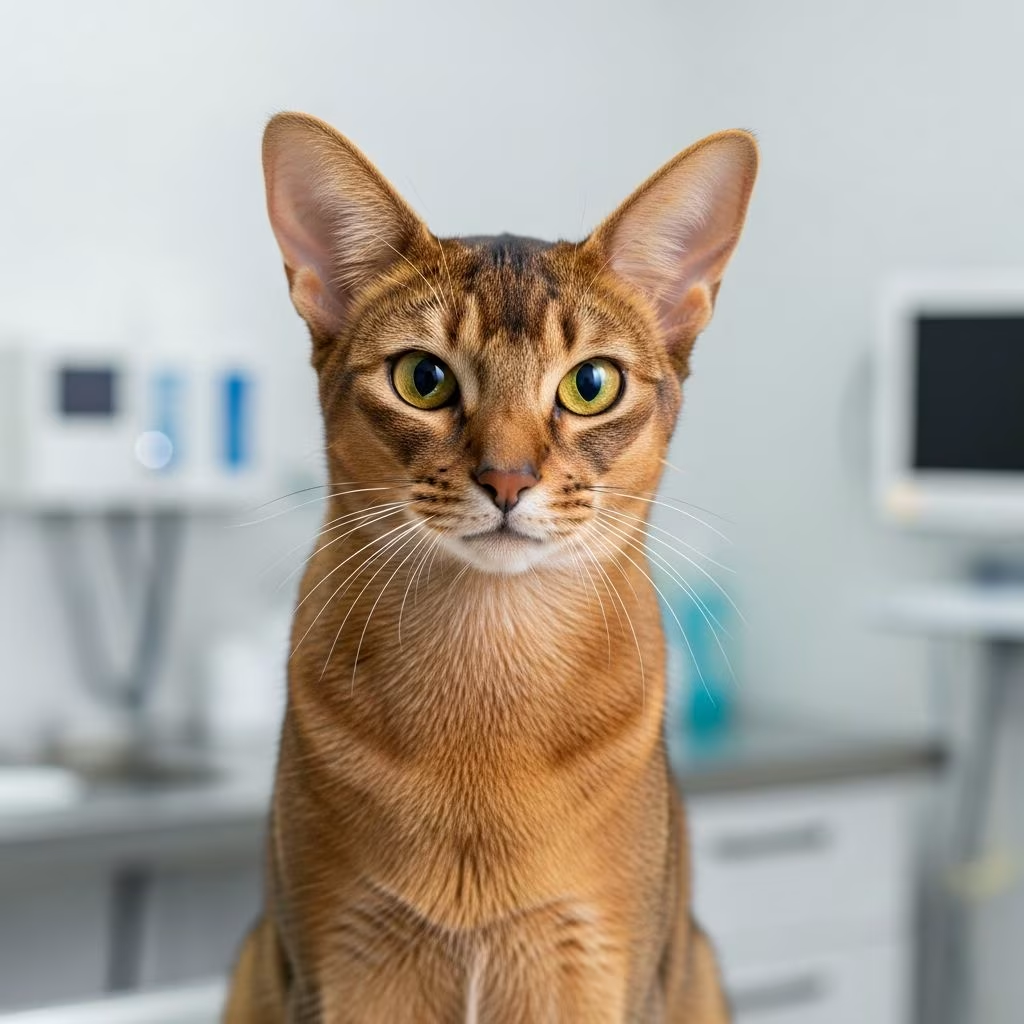
Abyssinian cats captivate owners with their elegant, ticked coats, playful energy, and ancient lineage resembling Egyptian felines. However, this purebred’s selective breeding introduces vulnerabilities to specific hereditary conditions. Understanding these risks empowers owners to pursue genetic screening, routine monitoring, and tailored care, potentially extending lifespan and enhancing quality of life.
Genetic Vulnerabilities in Purebred Abyssinians
Purebred cats like Abyssinians face elevated risks for inherited disorders due to limited gene pools in breeding programs. Conditions arise from recessive genes passed by carrier parents, affecting organs like kidneys, eyes, blood cells, and joints. Reputable breeders mitigate this through DNA tests and health certifications, but vigilance remains essential for all owners.
Key factors amplifying these risks include:
- Limited genetic diversity from breed standards prioritizing appearance over robustness.
- Recessive traits requiring both parents to carry faulty genes for expression in kittens.
- Age-related onset, where early symptoms mimic general feline aging until diagnostics reveal breed-specific issues.
Kidney-Related Disorders: A Primary Concern
Renal conditions dominate Abyssinian health discussions, with amyloidosis leading as a breed hallmark. This disorder involves amyloid protein deposits impairing kidney filtration, progressing to chronic failure often before age five.
Symptoms emerge subtly: increased thirst and urination, appetite loss, weight decline, and lethargy. By diagnosis, damage is typically irreversible, necessitating lifelong management via fluid therapy, phosphorus-restricted diets, and blood pressure medications.
Prevention hinges on breeder screening; genetic tests identify carriers, reducing incidence. Owners should schedule biannual bloodwork to track kidney values like creatinine and BUN levels early.
Blood Disorders: Pyruvate Kinase Deficiency Explained
Pyruvate kinase deficiency (PKD) disrupts red blood cell energy production, causing hemolytic anemia. Affected Abyssinians exhibit pale gums, weakness, rapid heartbeat, muscle wasting, and rare jaundice. Severity varies; mild cases allow adaptation, while acute episodes demand transfusions.
| Symptom | Indication | Management |
|---|---|---|
| Pale mucous membranes | Oxygen deprivation | Monitor hemoglobin |
| Tachycardia | Compensatory heart strain | Rest and supplements |
| Muscle loss | Chronic anemia effects | Nutritional support |
| Jaundice (rare) | Bilirubin buildup | Emergency vet care |
Genetic testing before breeding is straightforward and recommended, as no cure exists beyond supportive care. Bone marrow transplants pose high risks and costs, making prevention preferable.
Vision Impairment: Progressive Retinal Atrophy
Progressive retinal atrophy (PRA) degenerates the retina’s rods and cones, leading to night blindness followed by total vision loss within 1-2 years. Abyssinians share this with breeds like Bengals and Siamese; kittens start with normal sight, masking early progression.
Owners notice dilated pupils, hesitation in dim light, or bumping into objects. No treatment halts advancement, but genetic markers enable pre-breeding exclusion. Blind Abyssinians adapt remarkably using whiskers, hearing, and memory, maintaining activity levels.
Mobility Challenges: Joint and Skeletal Issues
Active Abyssinians suffer patellar luxation—slipping kneecaps—and hip dysplasia, causing limping, arthritis, and reduced agility. These orthopedic problems stem from malformed joints, worsening with weight gain or overexertion.
Management includes:
- Weight control via portioned, high-protein diets.
- Joint supplements like glucosamine and omega-3s.
- Low-impact exercise such as swimming or puzzle feeders.
- Surgical correction for severe luxations.
X-rays confirm diagnoses; breeders should certify hips and patellae in sires and dams.
Dental and Oral Health Predispositions
Gingivitis plagues Abyssinians, inflaming gums and risking periodontal disease, tooth resorption, and bacterial spread. Plaque buildup accelerates in this breed, demanding daily brushing with enzymatic toothpaste and annual cleanings under anesthesia.
Signs include bad breath, drooling, pawing at mouth, or loose teeth. Preventive dental diets with kibble abrasives and water additives reduce tartar effectively.
Infectious and Immune Vulnerabilities
Abyssinians show heightened FIP susceptibility, where coronavirus mutates into a fatal form causing fluid accumulation and organ failure. No reliable test or vaccine exists; choose catteries with clean histories.
Cryptococcosis, a fungal infection, targets respiratory and neural systems, presenting as nasal discharge or neurological signs. Antifungals cure most cases if caught early via titer tests.
Neonatal isoerythrolysis threatens type B kittens nursing from type A queens, destroying blood cells via colostrum antibodies. Blood typing breeders prevents this.
Cardiac and Other Systemic Risks
Dilated cardiomyopathy (DCM), once taurine-linked, persists rarely despite fortified foods, showing rapid breathing, lethargy, and poor appetite. Twice-yearly exams detect murmurs early.
Increased osmotic fragility of erythrocytes causes mild anemia in juveniles, with fragile cells bursting prematurely. Monitoring suffices for most.
Preventive Strategies for Optimal Health
Proactive ownership transforms Abyssinian longevity from average 12-15 years toward upper limits.
- Choose Wisely: Demand OFA certifications, PKD/PRA DNA results, and amyloidosis histories from breeders.
- Regular Monitoring: Annual blood panels, urinalysis, eye exams, and orthopedic checks.
- Nutrition and Lifestyle: High-quality, AAFCO-approved food; dental routines; indoor-only to evade infections.
- Insurance: Covers diagnostics and surgeries for hereditary issues.
- Enrichment: Climbing trees and toys prevent obesity, easing joint strain.
Frequently Asked Questions
Are Abyssinian cats high-maintenance health-wise?
Yes, due to genetic predispositions, but diligent care and screening minimize issues compared to mixed breeds.
Can PK deficiency be cured?
No, but genetic testing prevents inheritance, and symptoms manage supportively.
How do I test for amyloidosis?
Breeder genetic screens; owners use kidney biopsies or biopsies if symptoms appear, though early bloodwork flags risks.
Do all Abyssinians go blind from PRA?
No, only carriers of the mutation; tested parents produce clear kittens.
What’s the best diet for joint health?
Lean protein-rich formulas with glucosamine, avoiding excess calories.
Long-Term Wellness Planning
From kittenhood, establish vet relationships for baseline health profiles. Senior Abyssinians (over 10) require six-monthly seniors panels targeting kidneys, heart, and thyroid. Holistic supports like acupuncture aid mobility in arthritic cats. Community forums offer breed-specific insights, but vet consultations guide individualized plans.
Ultimately, informed ownership celebrates the Abyssinian’s vibrancy while confronting realities head-on, fostering joyful, enduring bonds.
References
- The Vet’s Guide to Abyssinians: Facts, Care, and Training Tips — Vets Love Pets. 2023. https://vetslovepets.com.au/blogs/cat/abyssinian-breed-guide
- Abyssinian Cat Health Problems: Our Vet Discusses 5 Common Issues — Catster. 2024-01-15. https://www.catster.com/ask-the-vet/abyssinian-cat-health-problems/
- Abyssinian Cat Breed Health Information — The Drake Center. 2023. https://www.thedrakecenter.com/services/cats/breeds/abyssinians
- Abyssinian Cat Breed Health and Care — PetMD. 2024-06-10. https://www.petmd.com/cat/breeds/abyssinian
- Abyssinian Cat Health Issues: A Complete Owner’s Guide — Pets4Homes. 2023. https://www.pets4homes.co.uk/pet-advice/the-abyssinian-cat-and-health-issues.html
- Abyssinian — PDSA. 2024. https://www.pdsa.org.uk/pet-help-and-advice/looking-after-your-pet/kittens-cats/abyssinian



