

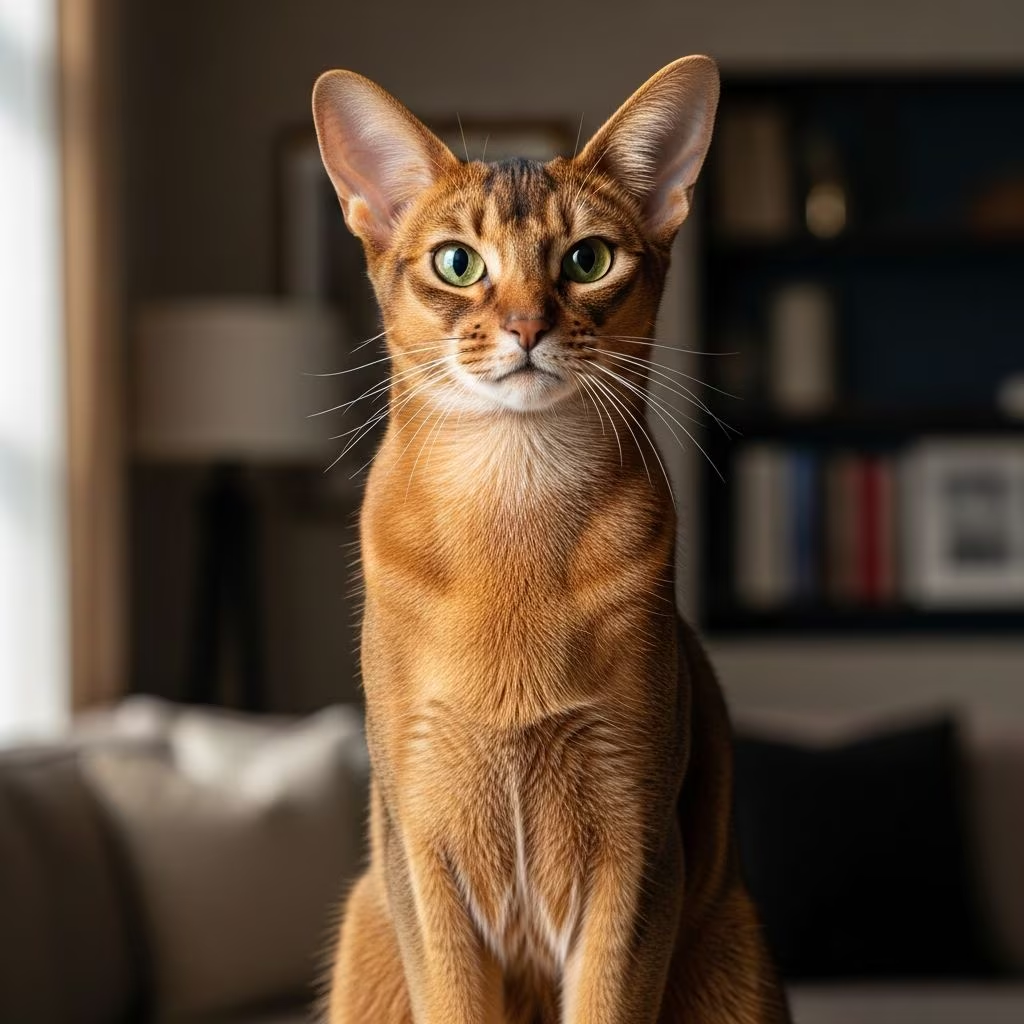
The Abyssinian cat captivates with its sleek, athletic form and vibrant, ticked coat that mimics the wild appearance of ancient felines. This breed combines striking visuals with boundless energy and sharp intelligence, making it a top choice for interactive households.
Origins and Development of the Breed
Contrary to its name, the Abyssinian likely traces its genetic roots to Southeast Asia, particularly the Indian Ocean coasts, rather than Ethiopia. Genetic studies reveal connections to the Bay of Bengal region in India, where merchants may have transported these cats to Europe. The breed’s European chapter began in the late 19th century when specimens arrived in England, possibly via British soldiers returning from military campaigns.
One foundational story involves a cat named Zula, imported around 1868 from what was then Abyssinia (modern Ethiopia). Though Zula’s image shows traits distant from today’s standards, it symbolizes early imports that kickstarted breeding efforts. British fanciers refined the breed by crossing these imports with local ticked tabbies, Russian Blues, and Siamese, shaping the modern conformation with larger ears and reduced striping.
By the early 1900s, Abyssinians competed in shows under foreign cat classes, often against wild species, prompting dedicated breed recognition. The Governing Council of the Cat Fancy granted official status in 1929, boosting global exports despite setbacks from world wars and diseases like feline leukemia. In the US, the Cat Fanciers’ Association listed it among inaugural breeds in 1906, fueling rapid popularity.
Distinctive Physical Traits
Abyssinians boast a lithe, muscular body of medium size, with long, slender legs and a tapering tail that enhances their graceful movement. Their rounded head features large, almond-shaped eyes in hazel, green, or gold hues, framed by expressive markings that accentuate a mischievous gaze. Erect, triangular ears, set high, contribute to their alert, wildcat-like profile.
The hallmark is the short, silky coat with a ticked tabby pattern: each hair bears 4-6 alternating light and dark bands, creating a shimmering effect without stripes on the body. Kittens emerge dark-coated, lightening over months to reveal ruddy brown (usual), red, blue, or fawn shades, with darker tones along the spine, hind legs, and paw pads. The coat feels resilient, not plush, ideal for minimal grooming.
| Color Variety | Base Coat | Tick Color | Eye Color |
|---|---|---|---|
| Ruddy (Usual) | Burnished reddish-brown | Deep black or brown | Hazel to green/gold |
| Red | Rich warm red | Deep orange-red | Gold |
| Blue | Platinum blue-gray | Deep blue | Blue-green |
| Fawn | Soft creamy fawn | Cinnamon | Gold |
This table outlines primary CFA-recognized varieties, emphasizing the breed’s diverse yet harmonious palette.
Temperament and Behavioral Characteristics
Abyssinians embody vivacity and curiosity, often likened to fashion models for their elongated, elegant poise. Highly intelligent, they excel in problem-solving, learning tricks, and navigating obstacles with ease. Their playful spirit turns everyday objects into entertainment, demanding mental stimulation to prevent boredom.
Affectionate yet independent, they form deep bonds with families, greeting owners enthusiastically while respecting personal space. Playful with children and compatible with other pets, they thrive in active environments but may vocalize if ignored. Low aggression and docility make them adaptable, though their high energy suits homes with space for climbing and exploration.
- Energy Level: High – Daily play sessions essential.
- Intelligence: Exceptional – Enjoys puzzle toys and training.
- Sociability: Family-oriented, good with kids and dogs.
- Vocalization: Moderate – Chirps and trills more than meows.
- Independence: Balanced – Enjoys company but self-entertains.
Grooming and Everyday Care
Low-maintenance coats require weekly brushing to distribute oils and reduce shedding, which remains minimal year-round. Bathe rarely, as they self-groom meticulously. Dental care is crucial; provide brushing tools and dental diets to combat common issues.
Nail trims every 10-14 days and weekly ear checks prevent buildup. Their active nature demands interactive toys, tall scratching posts, and vertical spaces like cat trees to mimic natural hunting behaviors.
Nutrition and Feeding Guidelines
High-protein diets support their athletic build, with portions tailored to age, weight (typically 6-10 lbs), and activity. Feed premium kibble or wet food rich in meat, avoiding fillers. Divide meals into 2-3 servings daily, monitoring for obesity in less active adults.
- Kittens: Frequent, small meals for growth.
- Adults: 1/4-1/2 cup dry food daily, adjusted.
- Seniors: Senior formulas for joint health.
Always provide fresh water; fountains appeal to their curiosity.
Health Considerations and Lifespan
Abyssinians enjoy 12-15 years on average, with robust health from diverse breeding. Screen for hereditary risks like hypertrophic cardiomyopathy (HCM), progressive retinal atrophy (PRA), and pyruvate kinase deficiency (PKD) via DNA tests.
Veterinary checkups, vaccinations, and parasite prevention are vital. Past FeLV outbreaks necessitated bloodline imports, enhancing genetic vigor. Spay/neuter reduces cancer risks and curbs roaming instincts.
Training and Enrichment Strategies
Leverage their smarts for litter training (innate) and harness walking. Clicker training teaches commands like ‘sit’ or fetch. Rotate toys to sustain interest; laser pointers and feather wands ignite hunting drives.
Environmental enrichment includes window perches for bird-watching and puzzle feeders for mental workouts, curbing destructive behaviors from understimulation.
Ideal Homes and Lifestyle Fit
Best for active singles, families, or multi-pet homes with time for engagement. Avoid sedentary or isolated settings; apartments work if vertically expanded. Their loyalty shines in patient, playful owners who appreciate a companionable explorer.
Frequently Asked Questions (FAQs)
Are Abyssinian cats good for first-time owners?
Yes, their forgiving nature and trainability suit novices, provided they commit to daily interaction.
Do Abyssinians shed a lot?
No, their short coats shed minimally, requiring light upkeep.
Can Abyssinian cats be left alone all day?
Preferably not; they crave company and may develop anxiety without it.
What is the price of an Abyssinian kitten?
Typically $800-$2000 from reputable breeders, varying by lineage and region.
Are they hypoallergenic?
Not fully, but low-shedding coats reduce allergens compared to longhaired breeds.
Adoption and Breeder Selection Tips
Seek CFA/ TICA-registered breeders who health-test parents and prioritize socialization. Rescues offer adults; verify pedigrees. Avoid puppy mills; ethical sources ensure temperament and vitality.
References
- The Abyssinian Cat – An Early History — Messybeast. Accessed 2026. http://messybeast.com/abyssinian-history.htm
- Abyssinian cat — Wikipedia. Accessed 2026. https://en.wikipedia.org/wiki/Abyssinian_cat
- History of Abyssinian Cats — Aby Cat Assoc. UK. Accessed 2026. https://abycatassoc.uk/history-of-abyssinian-cats/
- Abyssinian Cat | Traits, Appearance, General, Character — Vetamerikan. Accessed 2026. https://www.vetamerikan.org/our-best-friends/cat-types/abyssinian-cat
- Abyssinian Facts – Cat Breeds — Wisdom Panel. Accessed 2026. https://www.wisdompanel.com/en-us/cat-breeds/abyssinian
- History of the Abyssinian Cat — Abyssinian Database. Accessed 2026. http://www.abyssiniandatabase.com/history.php
- Abyssinian Article — Cat Fanciers’ Association. Accessed 2026. https://cfa.org/abyssinian-article/



