

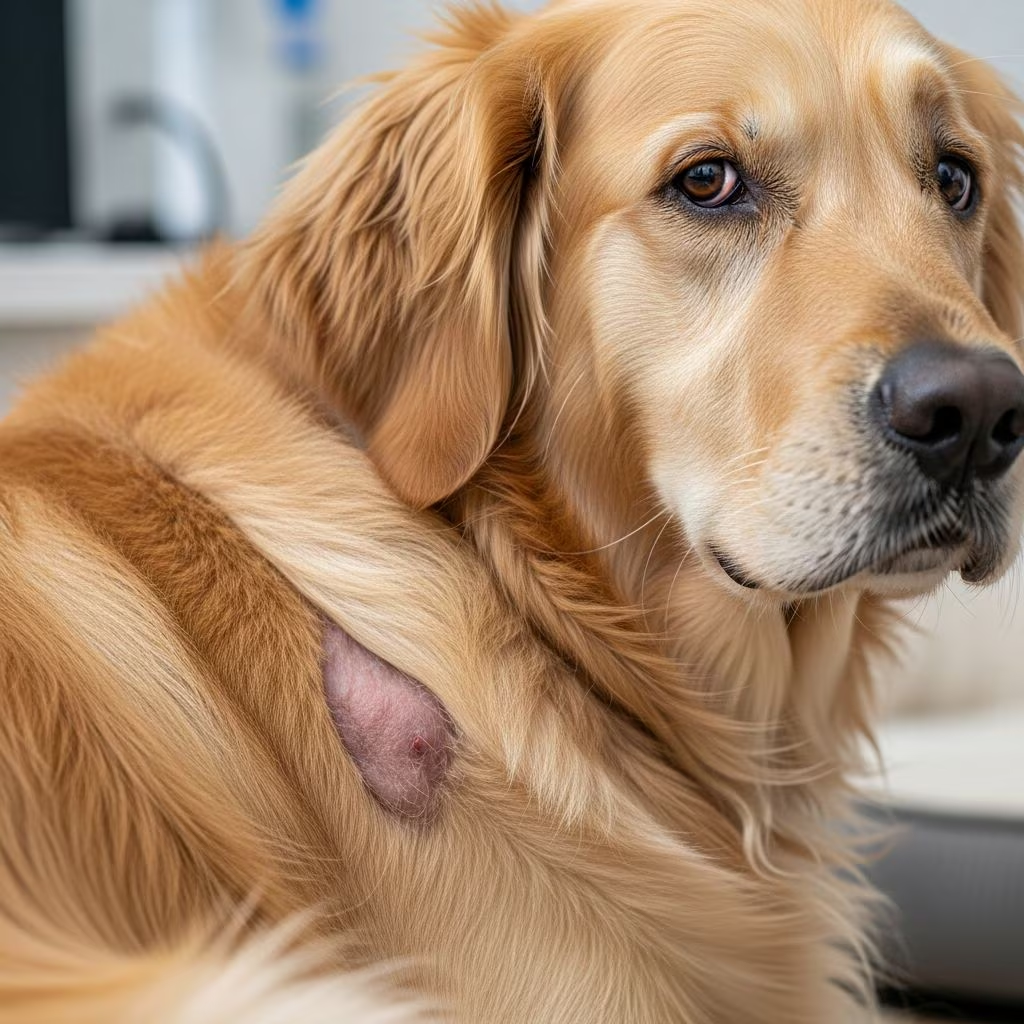
Understanding Abscesses in Dogs
An abscess is a pocket of infection that forms under the skin or within body tissues when bacteria become trapped and the body attempts to wall off the infection. In dogs, abscesses are a common condition that can develop in various locations on or within the body. When bacteria penetrate the skin barrier through wounds or other openings, the immune system responds by creating an inflammatory response, which results in the accumulation of pus and fluid. Understanding what causes abscesses, how to recognize them, and the appropriate treatment options is essential for every dog owner to ensure their pet receives prompt and effective care.
What Causes Abscesses in Dogs?
Abscesses develop when bacteria enter the body through penetrating wounds or infections. The most common causes of abscesses in dogs include:
- Bite wounds from other animals or dogs
- Puncture wounds from sharp objects such as thorns, sticks, or splinters
- Foreign objects embedded under the skin, including foxtails or grass awns
- Scratches or lacerations that become infected
- Dental disease, gum disease, or broken teeth with bacterial invasion
- Impacted or infected anal glands
- Injections or medical procedures that introduce bacteria
- Excessive licking or chewing due to allergies or skin conditions
- Poor grooming habits that lead to skin infections
Dogs with weakened immune systems, chronic health conditions such as diabetes, or those that are unvaccinated may be at increased risk for developing abscesses. Additionally, underlying health conditions can slow the healing process and make infections more likely to establish and spread.
Types of Abscesses in Dogs
Abscesses can develop in various locations throughout a dog’s body, each presenting unique symptoms and treatment considerations.
Skin Abscesses
Skin abscesses are the most common type and typically result from penetrating trauma such as bite wounds or stepping on foreign objects. These abscesses develop when bacteria become trapped beneath the skin surface, causing localized swelling, pain, and pus accumulation. Skin abscesses may appear as firm, painful lumps and can develop anywhere on the body.
Paw Abscesses
Paws are particularly vulnerable to abscesses due to their constant contact with the environment. An abscess on a dog’s paw may cause excessive limping, constant licking of the affected paw, or visible swelling between the toes or pads. If left untreated, paw abscesses can become severely infected and spread to deeper tissues.
Anal Sac Abscesses
A dog anal abscess forms when one or both anal glands become blocked or infected. Thick anal sac material may block the duct through which the anal sac normally empties, creating an environment for bacterial growth. These abscesses require veterinary attention to prevent complications.
Dental Abscesses
Dental abscesses develop from tooth root infections, typically caused by tartar accumulation, gingival inflammation, fractured teeth, or foreign material stuck in the mouth. These infections can be serious and may require tooth extraction.
Neck and Face Abscesses
Abscesses in the neck or facial area often result from bite or puncture wounds. These abscesses may swell quickly and can cause difficulty moving the head, discomfort while eating, or visible pain when the area is touched.
Leg Abscesses
Leg abscesses may appear after trauma, injury, or bite wounds. Swelling, warmth, and limping are common signs. Since legs are highly mobile, abscesses in this location can be particularly uncomfortable for affected dogs.
Internal Abscesses
More serious abscesses can develop internally, including:
- Liver abscesses resulting from generalized blood-borne infections
- Lung abscesses caused by inhaled foreign objects or severe pneumonia
- Brain abscesses resulting from inner ear infections, severe sinus infections, or deep mouth infections
- Prostate abscesses in sexually intact male dogs
Recognizing the Symptoms of Abscesses
Early recognition of abscess symptoms is crucial for prompt treatment. Typically, an abscess appears suddenly as a painful swelling that may be firm to the touch. Common symptoms include:
- Visible swelling or a lump under the skin
- Pain or sensitivity when the area is touched
- Warmth around the affected area
- Redness of the skin
- Pus or discharge from the abscess
- Bad odor emanating from the wound
- Excessive licking or chewing at the affected area
- Limping if the abscess affects a limb or paw
- Difficulty eating if the abscess is in the mouth or jaw area
If the infection spreads beyond the abscess, secondary symptoms may develop, including fever, enlarged lymph nodes, decreased appetite, lethargy, and vomiting. In severe cases, a generalized blood-borne infection may result, which can affect internal organs and become life-threatening.
Diagnosis of Abscesses
Diagnosis of an abscess is typically straightforward and based on physical examination by a veterinarian. Your vet will palpate the affected area and assess the extent of swelling and inflammation. In some cases, further diagnostic tools may be employed, including blood tests to evaluate the dog’s overall health and immune response, bacterial culture to identify the specific bacteria involved, or microscopic examination of fluid from the abscess to confirm diagnosis.
Treatment of Dog Abscesses
Treatment of dog abscesses depends on the location of the abscess and the severity of the infection. Most abscesses are treated on an outpatient basis rather than requiring hospitalization. The key to successful treatment is removing the pocket of pus, either surgically or by draining and flushing the wound.
Surgical Drainage and Cleaning
If the abscess hasn’t broken open on its own, a veterinarian will perform a minor surgical procedure to lance (cut open) and drain the pus. This procedure may be performed under local anesthesia for simple skin abscesses, depending on the location. More complicated sites, especially on the face, or involved cases such as dental or large abscesses, will be addressed under general anesthesia. The wound is then flushed thoroughly to remove bacteria and debris and promote healing.
Antibiotic Therapy
Antibiotic therapy is a critical component of successful abscess treatment. The specific antibiotic chosen will be based on the bacteria involved and may be determined by bacterial culture results. Oral antibiotics are commonly administered to dogs with abscesses. It is extremely important to give antibiotics for the entire time they are prescribed, even if the abscess appears to have healed, to ensure complete elimination of the infection and prevent recurrence.
Pain Management
Pain relief is also important during the treatment of an abscess. Your veterinarian will prescribe appropriate pain medication and anti-inflammatory medication to be given with the antibiotic. These medications help manage discomfort during the healing process and reduce inflammation at the affected site.
Warm Compresses
Warm compresses applied to a painful, inflamed site help enhance blood flow and promote drainage of the abscess. Pet owners are frequently recommended to apply warm compresses to the affected area for several days following treatment. This simple home care measure can significantly aid the healing process.
Foreign Object Removal
If a foreign object caused the abscess, such as a foxtail, grass awn, thorn, or splinter, it is critical to remove it during treatment. If the foreign object is not removed, the abscess will likely return.
Supportive Care
Following abscess treatment, ongoing monitoring is required until recovery is complete to prevent the spread of infection. Home care includes warm compresses, restricted activity, and rest to allow proper healing.
Recovery and Prognosis
With prompt and proper treatment, the majority of affected dogs are able to recover completely from abscesses. Once the cause of the abscess is addressed and the dog is on appropriate treatment, an abscess typically starts to resolve quickly, often within two to three weeks. However, if medical attention is delayed or the condition is left untreated, the infection can spread to other tissues or internal organs, which can become life-threatening.
Complications may occur in immunosuppressed dogs and unvaccinated pets, particularly regarding bite wound abscesses, which carry a risk for rabies exposure. Therefore, vaccination status and overall health status are important considerations in recovery.
Important Considerations and Prevention
Veterinary attention is strongly warranted, as home treatment for abscesses is not recommended. Attempting to drain an abscess at home can introduce additional bacteria, spread infection, and cause pain to your pet. Lancing an abscess should only be performed by a qualified veterinarian under appropriate conditions.
To help prevent abscesses in your dog:
- Keep your dog’s vaccinations current, especially rabies vaccines
- Maintain regular dental care and monitor for dental disease
- Regularly inspect your dog’s paws and skin for wounds or foreign objects
- Manage skin allergies promptly to reduce excessive licking and chewing
- Maintain good grooming practices and hygiene
- Supervise outdoor activities to reduce the risk of bite wounds
- Address any injuries promptly and monitor for signs of infection
When to Seek Emergency Care
Seek immediate veterinary attention if you notice:
- Rapidly spreading swelling or redness
- Signs of systemic infection such as fever, lethargy, or loss of appetite
- Abscesses on the face, neck, or areas affecting breathing or eating
- Internal abscess symptoms such as coughing, vomiting, or behavioral changes
- Bite wound abscesses, which require emergency treatment due to rabies risk
Frequently Asked Questions
Q: What is the difference between an abscess and a cyst?
A: An abscess is a fluid-filled pocket containing pus from a bacterial infection, while a cyst is typically a benign, non-infected fluid-filled sac. Abscesses are painful and require antibiotic treatment, whereas cysts may not require immediate intervention unless they become infected or problematic.
Q: Can I treat a dog abscess at home?
A: No, home treatment for abscesses is not recommended. Attempting to drain or treat an abscess at home can introduce more bacteria, spread the infection, and cause unnecessary pain to your pet. Always seek professional veterinary care for proper diagnosis and treatment.
Q: How long does it take for a dog abscess to heal?
A: With prompt veterinary treatment, most dog abscesses start to resolve quickly, typically within two to three weeks. Complete healing depends on the abscess location, severity, and your dog’s overall health.
Q: Will an abscess go away on its own?
A: While an abscess may rupture and drain on its own, this does not guarantee complete healing. Professional veterinary treatment is necessary to ensure the infection is completely eliminated and to prevent complications or recurrence.
Q: Can abscesses be contagious between dogs?
A: Abscesses themselves are not contagious, but the bacteria causing them can potentially be transmitted through bite wounds or direct contact. Ensuring your dog is up-to-date on vaccinations helps protect against infections from bacterial sources.
Q: What should I do if my dog has a bite wound?
A: Bite wounds should always be treated as emergencies, as they can lead to serious infections, abscesses, and rabies exposure. Seek immediate veterinary attention for any bite wound, even if it appears minor.
References
- Abscesses in Dogs — VCA Animal Hospitals. 2025. https://vcahospitals.com/know-your-pet/abscesses-in-dogs
- Abscesses in Dogs – PetMD — PetMD Editorial. 2025. https://www.petmd.com/dog/conditions/skin/c_dg_abscessation
- Skin Abscesses in Dogs – Causes, Treatment — Vetster. 2025. https://vetster.com/en/conditions/dog/skin-abscesses
- Abscesses in Dogs: Causes, Symptoms & Treatment — Urgent Vet. 2025. https://urgentvet.com/dog-abscess-causes-types-symptoms-treatment/
- Abscesses in Dogs — Joii Pet Care. 2025. https://www.joiipetcare.com/blogs/health-conditions/abscesses-in-dogs
- Does Your Pet Have an Abscess? — State Street Animal Clinic. 2025. https://www.statestreetanimalclinic.com/blog/does-your-pet-have-an-abscess



