

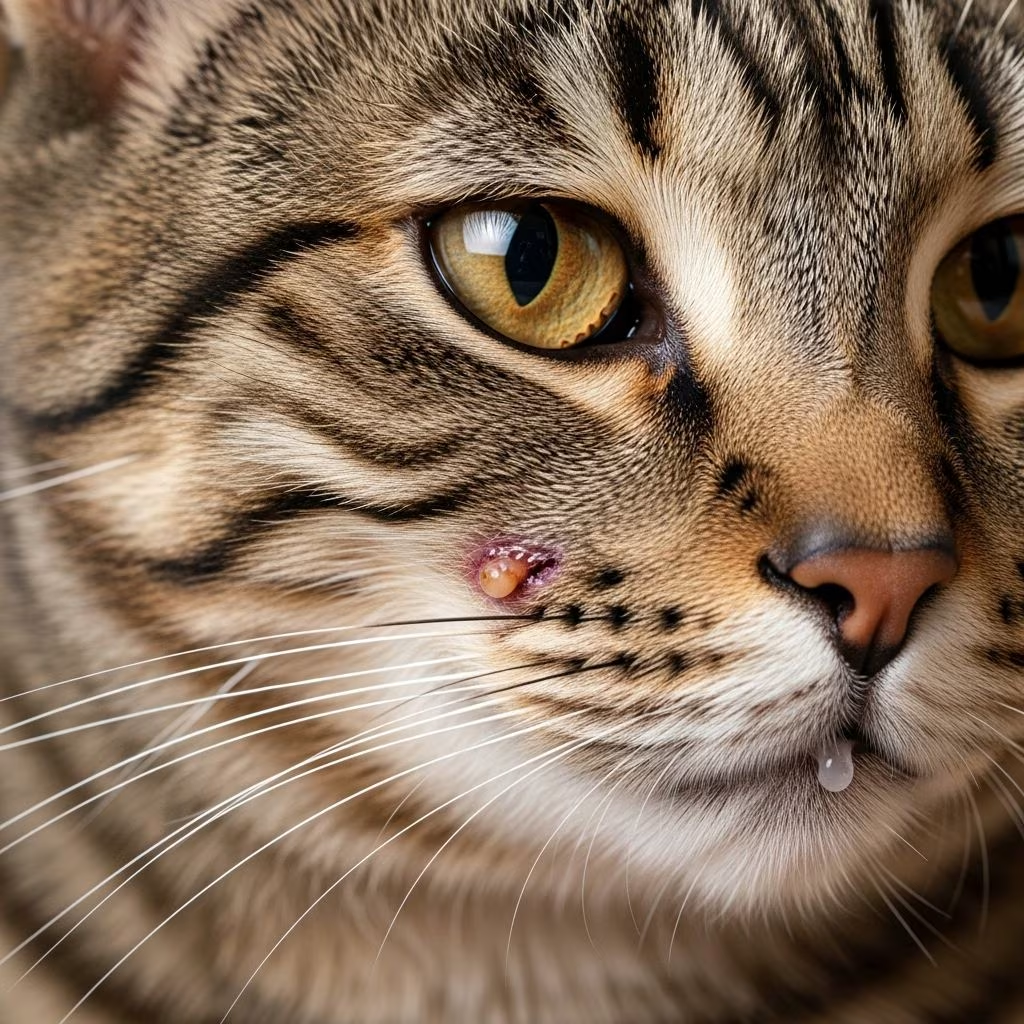
Understanding Abscesses in Cats
An abscess is a localized collection of pus that forms as a result of bacterial infection. In cats, abscesses are relatively common and can develop in various locations on the body. These painful infections require prompt veterinary attention to prevent complications and ensure your cat’s comfort. Understanding what causes abscesses, how to recognize them, and what treatment options are available can help you protect your feline companion and respond quickly if problems arise.
What Causes Abscesses in Cats?
There are many potential causes of abscesses in cats, with some being more common than others. The most frequent cause is a bite from another animal, particularly during cat fights. When a cat is bitten, bacteria from the biting animal’s teeth are introduced deep into the wound. Cats’ skin tends to heal rapidly on the surface, which can seal the wound and trap bacteria underneath. This creates an ideal environment for bacterial proliferation, resulting in an abscess.
The bacteria most commonly involved in bite wound infections include Pasteurella multocida and Staphylococcus species, both of which are naturally present in a cat’s mouth and on their claws. Outdoor cats and those living in multi-cat households are at higher risk of developing abscesses from fight-related injuries.
Other Common Causes
Beyond bite wounds, several other scenarios can lead to abscess formation in cats:
- Penetrating injuries: Objects like sticks, grass seeds, thorns, or barbed wire can puncture the skin and introduce bacteria, especially if the foreign object is not immediately visible or removed.
- Infected ingrown hairs or clogged pores: These can create a buildup beneath the skin that becomes a breeding ground for bacteria.
- Dental infections: Untreated dental problems, such as cracked teeth or gum disease, can allow bacteria to reach the tooth root and form painful abscesses inside the jaw or face.
- Impacted anal glands: If anal glands become blocked and are not expressed properly, they can fill with bacteria and become infected.
- Previous infections: A site that has been previously infected is more susceptible to future abscess formation.
Risk Factors for Abscess Development
Certain cats are more prone to developing abscesses than others. Outdoor cats have increased exposure to fighting and injuries. Cats that have not been spayed or neutered tend to be more aggressive and territorial, increasing their likelihood of fights. Additionally, cats with compromised immune systems are particularly susceptible to abscess formation. Those affected by feline immunodeficiency virus (FIV) or feline leukemia virus (FeLV) cannot properly fight off infections. Immunosuppressive medications, diabetes mellitus, and Cushing’s disease can also compromise the immune system and increase abscess risk.
Common Locations of Abscesses on Cats
While abscesses can develop almost anywhere on a cat’s body, they tend to form more frequently in specific locations. Understanding where abscesses commonly occur can help you perform regular health checks and catch infections early.
Tooth and Dental Abscesses
A tooth root abscess develops when bacteria infect the root of a tooth. These abscesses are particularly painful and require prompt veterinary attention. Signs of a dental abscess include facial swelling, drooling, bad breath, difficulty eating, and sometimes discharge from around the tooth or face. If left untreated, dental abscesses can become serious and may require tooth extraction.
Anal Gland Abscesses
A cat anal abscess develops when the anal glands become impacted or infected. Common signs include excessive scooting across the floor, visible swelling near the anus, pain when sitting or defecating, and sometimes a foul odor. While these abscesses may rupture on their own, they require medical care to prevent further infection and recurrence.
Chin and Cheek Abscesses
Feline acne, scratches, or bite wounds can lead to abscesses around the chin and cheeks. These locations are particularly susceptible because they are high-contact areas where bacteria can easily enter small wounds. An abscess on a cat’s chin or cheeks often results from bacteria entering these wounds during fights or from grooming-related injuries.
Other Common Sites
Cat bite abscesses frequently develop on the tail, top of the head, legs, face, and neck—areas most exposed during fights with other cats. These locations are particularly vulnerable to puncture wounds from teeth and claws.
Symptoms and Signs of Cat Abscesses
Recognizing the symptoms of an abscess is crucial for early intervention. The signs can vary depending on the abscess location and severity, but there are several common indicators that your cat may have an infection.
Visible Signs
Swelling is often the most obvious sign of an abscess, though it may not be the first symptom to appear. The skin around the abscess typically becomes red and inflamed or feels warm to the touch. If the abscess ruptures, it will discharge an unpleasant-smelling secretion that may contain blood or pus. Your cat may attempt to constantly lick or bite the abscess area in an effort to relieve discomfort.
Behavioral and Health Changes
Because an abscess is an infection, affected cats commonly develop a fever, which often results in lethargy, loss of appetite, and a general feeling of malaise. Your cat may seem unusually tired or reluctant to engage in normal activities. These systemic signs indicate that the infection is affecting your cat’s overall health and requires veterinary treatment.
Location-Specific Symptoms
Different abscess locations may present with unique symptoms. Dental abscesses may cause difficulty eating or preference for soft food. Anal gland abscesses result in scooting behavior and difficulty defecating. Facial abscesses may cause facial asymmetry or swelling that affects eating and breathing.
Diagnosis of Cat Abscesses
Veterinarians typically diagnose abscesses through physical examination. During the examination, your vet will palpate the swollen area to assess its size, location, and severity. They may also take the cat’s temperature to confirm fever. In some cases, your veterinarian may recommend sending a sample of the pus to a referral laboratory to be cultured so that the bacteria involved can be identified and an appropriate antibiotic can be chosen. This culture and sensitivity testing helps ensure that the selected antibiotic will be effective against the specific bacteria causing the infection.
Treatment of Cat Abscesses
Abscess treatment depends on the location and the severity of the infection. Most abscesses are treated on an outpatient basis rather than in a hospital setting, which is convenient for cat owners and reduces stress on the cat. However, the treatment approach is comprehensive and multifaceted.
Draining and Cleaning
The key to successful abscess treatment is removing the pocket of pus, either surgically or by draining and flushing. This procedure is typically performed under sedation or anesthesia to ensure your cat’s comfort. The veterinarian will make a small incision to drain the pus and then thoroughly clean the area to remove any remaining debris or bacteria. If the abscess was caused by a foreign object, it is critical that the object is fully removed, or the abscess will return. In some cases, a drain may be left in place temporarily to allow the abscess pocket to drain fully. Your veterinarian will provide detailed instructions on how to care for the drain if one is placed.
Antibiotic Therapy
Appropriate antibiotic therapy is a critical component of successful abscess treatment, regardless of location. The antibiotic will be chosen based on the bacteria involved. Commonly used antibiotics for cat abscesses include amoxicillin-clavulanate, clindamycin, and fluoroquinolones, depending on culture results and the specific infection. The length of antibiotic treatment will depend on both the bacteria and the location of the abscess. It is important to administer the entire course of antibiotics as prescribed to ensure the infection is fully eradicated and prevent recurrence.
Pain Management
Pain management is a crucial component of abscess treatment. It is important to ensure adequate pain relief during treatment of an abscess. Your veterinarian may prescribe pain relievers or anti-inflammatory medications to help alleviate your cat’s discomfort and promote healing. This may include non-steroidal anti-inflammatory drugs (NSAIDs) or other pain management options tailored to your cat’s specific needs.
Special Cases: Dental Abscesses
Tooth root abscesses require special attention and must be treated as soon as possible due to their painful nature. Treatment options for dental abscesses include root canal therapy to save the tooth or surgical extraction of the diseased tooth. In many cases, extraction is the preferred option to completely eliminate the infection and associated pain.
Supportive Care
Following the initial treatment, supportive care is essential for complete recovery. This may include warm compresses to promote healing, use of a cone collar to prevent licking or scratching, and home wound care as directed by your veterinarian. Your vet may ask you to clean your cat’s wound twice daily using salt water and cotton wool. Ensuring your cat maintains good nutrition during recovery also supports the healing process.
Prevention of Abscesses in Cats
While not all abscesses can be prevented, several measures can significantly reduce your cat’s risk of developing these painful infections. Keeping your cat indoors reduces their exposure to fighting and injuries from other animals. If your cat goes outdoors, supervising their time outside and ensuring they are current on vaccinations helps protect them. Having your cat spayed or neutered reduces territorial aggression and fighting behavior. Regular grooming and health checks allow you to identify and address small wounds before they become infected. Maintaining good dental health through regular dental check-ups and cleanings can prevent dental abscesses.
When to Seek Emergency Care
While most abscesses can be treated on an outpatient basis, certain signs indicate an emergency situation requiring immediate veterinary attention. Significant swelling, extreme pain when touched, high fever, low energy, and foul-smelling discharge from the wound all warrant emergency care. Additionally, if your cat has been bitten and shows signs of illness within the next few days, prompt veterinary evaluation is important to prevent complications.
Frequently Asked Questions About Cat Abscesses
Q: How long does it take for a cat abscess to heal?
A: The healing timeline depends on the abscess size and location, but most abscesses begin to improve within a few days of treatment. Complete healing typically takes 1-2 weeks with appropriate treatment and home care.
Q: Can a cat abscess heal on its own without treatment?
A: While some abscesses may rupture and drain on their own, this is not ideal. Without proper veterinary treatment, bacteria can spread, leading to more serious infections. Professional treatment ensures complete infection elimination and reduces recurrence risk.
Q: Is an abscess contagious to other cats?
A: The abscess itself is not contagious, but the bacteria causing it can spread if there is direct contact with the infected area. Separate the affected cat from others during treatment to prevent potential transmission.
Q: What should I do if my cat’s abscess ruptures at home?
A: If an abscess ruptures, gently clean the area with warm salt water and contact your veterinarian immediately. Even though the abscess has drained, your cat still needs professional care to ensure complete infection elimination.
Q: Can antibiotics alone treat a cat abscess?
A: Antibiotics alone are typically insufficient. The abscess pocket must be drained and cleaned to remove the pus and bacteria. Antibiotics work best in combination with proper drainage and wound care.
Q: How can I prevent my indoor cat from getting an abscess?
A: Keep your cat indoors to minimize injury risk, maintain good dental health, ensure proper grooming, and have your cat spayed or neutered. Regular veterinary check-ups help catch any issues early.
References
- Abscesses in Cats — VCA Animal Hospitals. Accessed November 2025. https://vcahospitals.com/know-your-pet/abscesses-in-cats
- Cat Abscesses: Causes, Types, Symptoms & Treatment — UrgentVet. Accessed November 2025. https://urgentvet.com/cat-abscess-causes-types-symptoms-treatment/
- Cat Abscesses: Causes, Signs & Treatment — Purina US. Accessed November 2025. https://www.purina.com/articles/cat/health/symptoms/cat-abscesses
- Cat Bite Abscesses — People’s Dispensary for Sick Animals (PDSA). Accessed November 2025. https://www.pdsa.org.uk/pet-help-and-advice/pet-health-hub/conditions/cat-bite-abscesses
- Abscesses in Cats: Symptoms and Treatments — Keystone Animal Hospital. Accessed November 2025. https://keystoneah.com/blog/abscesses-in-cats/



