

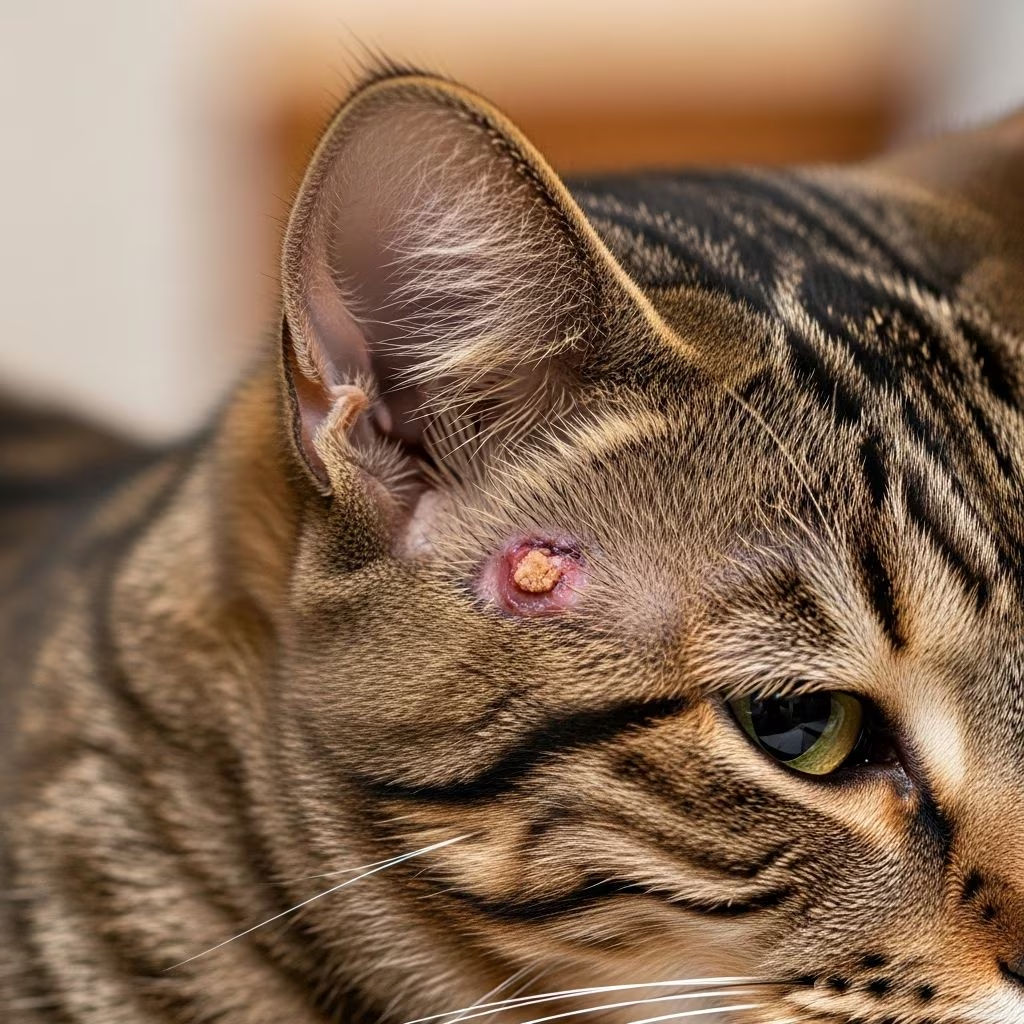
Understanding Cat Abscesses
An abscess is a pocket of pus that forms as a result of a bacterial infection in your cat’s body. These painful swellings can develop anywhere on your feline companion, though some locations are more common than others. Understanding what causes abscesses, recognizing the symptoms, and knowing how to treat them is essential for every cat owner. This guide provides comprehensive information about cat abscesses and how to help your pet recover.
What Causes Abscesses in Cats?
Abscesses in cats develop when bacteria enter the body through a wound and multiply, creating an infection. There are many potential causes of abscesses in cats, each requiring different prevention and treatment approaches.
Bite and Scratch Wounds
One of the most common causes of abscesses in cats is a bite from another animal. During fights with other cats or animals, the bacteria on teeth or claws are effectively injected into the resulting wound. Bacteria like Pasteurella multocida, commonly found in cat mouths, can easily infect these wounds. A cat’s skin tends to heal rapidly, which can seal the wound and trap bacteria underneath the skin, causing an abscess to form.
Penetrating Injuries
Penetrating injuries from inanimate objects like sticks, grass seeds, thorns, or barbed wire fences can also lead to abscess formation. These small foreign objects puncture the skin and introduce bacteria, especially if they are not visible or removed quickly. It is critical that any foreign object is fully removed, or the abscess will return.
Dental Infections
An untreated dental problem, such as a cracked tooth or gum disease, can allow bacteria to reach the tooth root and form a painful abscess inside the jaw or face. Dental abscesses are often very painful and require prompt veterinary attention.
Skin Conditions and Other Causes
Infected ingrown hairs or clogged pores can create a buildup beneath the skin, becoming a breeding ground for bacteria and leading to painful abscesses. Additionally, impacted anal glands that become blocked and are not expressed properly can fill with bacteria and become infected, resulting in a cat anal abscess. Previous infections in the same site can also predispose cats to future abscess formation.
Risk Factors for Abscess Development
Cats that go outdoors, live in groups, or are not spayed or neutered tend to have a higher risk of developing abscesses. Additionally, cats with compromised immune systems, such as those affected by feline immunodeficiency virus (FIV) or feline leukemia virus (FeLV), can be more susceptible to abscess formation, as their body does not properly fight off infection. Immunosuppressive medications, diabetes mellitus, and Cushing’s disease can also compromise the immune system and increase abscess risk.
Common Locations of Abscesses on Cats
While abscesses can appear almost anywhere on your cat’s body, some locations are more common than others. Understanding where abscesses typically form can help you identify them more quickly.
Dental and Tooth Abscesses
A cat tooth abscess, also called a cat dental abscess, can occur when bacteria infects the root of a tooth. These abscesses may cause facial swelling, drooling, bad breath, and difficulty eating. Dental abscesses are often very painful and require prompt veterinary attention. If a tooth root abscess is present, the diseased tooth must be surgically removed.
Anal Gland Abscesses
A cat anal abscess develops when the anal glands become impacted or infected. Signs include scooting, swelling near the anus, and pain when sitting or defecating. These abscesses may rupture on their own, but they require medical care to prevent further infection.
Chin and Cheek Abscesses
Feline acne, scratches, or bite wounds can lead to abscesses around the chin and cheeks. An abscess on your cat’s chin or cheeks is often caused by bacteria entering small wounds in high-contact areas.
Other Common Sites
Cat bite abscesses are most common on the tail, top of the head, legs, face, and neck. These areas are frequently involved in fights with other animals.
Recognizing the Symptoms of Cat Abscesses
Early recognition of abscess symptoms can help you get your cat prompt veterinary treatment. Symptoms vary depending on the abscess location and severity.
Local Symptoms
Swelling is the most obvious sign of a cat abscess, though it is not usually the first symptom to appear. The skin around the bump can become red and inflamed or feel warm to the touch. If the abscess ruptures, it discharges an unpleasant-smelling secretion. Your cat may try to constantly lick or bite the abscess area.
Systemic Symptoms
Initially, your cat might be lethargic, have a fever, or not eat. An abscess is an infection, and it is common for affected cats to develop a fever, which can result in lethargy, loss of appetite, and general malaise.
Location-Specific Symptoms
Dental abscesses may cause facial swelling, drooling, bad breath, and difficulty eating. Anal gland abscesses present with scooting, swelling near the anus, and pain when sitting or defecating.
How Are Abscesses Treated?
Abscess treatment depends on the location and the severity of the infection. Most abscesses are treated on an outpatient basis, rather than in the hospital. The exact treatment depends on the size, location, and severity of the abscess, though most treatments involve draining the abscess and removing infected material.
Draining and Cleaning
The key to treating an abscess is to remove the pocket of pus, either surgically or by draining and flushing. For external abscesses, the primary treatment involves draining and cleaning the abscess. This procedure is typically performed under sedation or anesthesia to ensure your cat’s comfort. The veterinarian will make a small incision to drain the pus and then thoroughly clean the area to remove any remaining debris or bacteria. A drain may be left in place to allow the bacteria in the abscess pocket to drain fully, and you will be given instructions on how to care for the drain, if applicable.
Antibiotic Therapy
Appropriate antibiotic therapy is a critical component of the successful treatment of abscesses, no matter the location. Antibiotics are commonly prescribed to treat the underlying bacterial infection and prevent the abscess from recurring. The antibiotic will be chosen based on the bacteria involved. It is important to administer the entire course of antibiotics as prescribed to ensure the infection is fully eradicated. The length of treatment will depend on both the bacteria and the location of the abscess. Often, your veterinarian will recommend that a sample of the pus be sent to a referral laboratory to be cultured so that the bacteria involved can be identified and an appropriate antibiotic can be chosen.
Pain Management
Pain management is a crucial component of abscess treatment. It is also important to ensure adequate pain relief during treatment of an abscess. Your veterinarian may prescribe pain relievers or anti-inflammatory medications to help alleviate your cat’s discomfort and promote healing. Anti-inflammatory medications can reduce pain and inflammation.
Additional Care Measures
Your veterinarian may recommend additional supportive care measures to promote healing. These may include warm compresses to promote healing, a cone collar to prevent licking or scratching, proper nutrition, and follow-up care. It is likely that your vet will ask you to clean your cat’s wound twice daily using salt water and cotton wool.
Surgical Intervention
In more serious cases, surgical intervention may be necessary to remove damaged tissue or thoroughly clean deep wounds. If a foreign object caused the abscess, it is critical that it is fully removed or the abscess will return. If a tooth root abscess is present, the diseased tooth must be surgically removed.
Treatment Overview Comparison
| Treatment Component | Purpose | Duration |
|---|---|---|
| Lancing and Draining | Remove pus and infected material | Single procedure |
| Antibiotics | Fight bacterial infection | 7-14 days typically |
| Pain Medication | Reduce discomfort | As prescribed |
| Wound Cleaning | Prevent reinfection | Twice daily for 7-10 days |
| Drain Placement | Allow continued drainage | Until healing progresses |
Prognosis and Recovery
In most cases, the prognosis for abscesses is good, and usually they can be treated on an outpatient basis. Adequate draining or removal of the abscess, paired with antibiotics, pain medication, nutrition, and follow-up care, should result in a complete recovery. However, it is important to follow your veterinarian’s instructions carefully to ensure proper healing and prevent complications.
When to Seek Emergency Care
While most abscesses can be treated on an outpatient basis, some situations require emergency veterinary care. Signs that indicate an emergency include significant swelling, extreme pain when touched, fever, low energy, and foul-smelling discharge from the wound. Additionally, although it is rare, cat bites and scratches can put your cat at risk of diseases such as FeLV and FIV, making prompt veterinary evaluation important.
Frequently Asked Questions About Cat Abscesses
Q: How can I prevent my cat from developing abscesses?
A: Preventing abscesses involves minimizing your cat’s risk factors. Keep your cat indoors or provide supervised outdoor time to reduce exposure to fights with other animals. Ensure your cat is spayed or neutered, as this reduces territorial behavior. Maintain good dental hygiene, and have any wounds treated promptly. Regular veterinary check-ups can help identify early signs of infection.
Q: How long does it take for a cat abscess to heal?
A: Healing time varies depending on the abscess location and severity. Most abscesses begin showing improvement within 2-3 days of treatment. Complete healing typically takes 1-2 weeks with proper care and antibiotic administration. Always complete the full course of antibiotics as prescribed, even if your cat appears to be feeling better.
Q: Can an abscess rupture on its own?
A: Yes, an abscess may rupture on its own, particularly anal gland abscesses. However, self-rupture is not ideal as it may not fully drain the infection or remove all infected material. Professional veterinary drainage under controlled conditions is preferable to ensure complete removal of pus and bacteria.
Q: Is antibiotic treatment always necessary for cat abscesses?
A: Antibiotics are typically recommended as part of abscess treatment to fight the bacterial infection and prevent recurrence. However, your veterinarian will determine whether antibiotics are necessary based on the severity of the infection and your individual cat’s health status.
Q: Can abscesses reoccur after treatment?
A: While properly treated abscesses have a good prognosis, recurrence is possible if the underlying cause is not addressed. If a foreign object caused the abscess, it must be completely removed. Similarly, if the cat continues to get into fights, future abscesses may develop. Following your veterinarian’s aftercare instructions carefully reduces the risk of recurrence.
Q: What should I do if I notice my cat has an abscess?
A: Contact your veterinarian for advice as soon as you suspect your cat has an abscess. Do not attempt to drain the abscess at home, as this can lead to incomplete treatment and further complications. Your veterinarian will perform a proper examination and recommend the appropriate treatment plan.
References
- Cat Abscesses: Causes, Symptoms & How To Treat Them — UrgentVet. 2024. https://urgentvet.com/cat-abscess-causes-types-symptoms-treatment/
- Abscesses in Cats: Symptoms and Treatments — Keystone Animal Hospital. 2024. https://keystoneah.com/blog/abscesses-in-cats/
- Cat Abscesses — Evergreen Animal Clinic. 2024. https://www.evergreenanimalclinic.com/cat-abscesses.html
- Abscesses in Cats — VCA Animal Hospitals. 2024. https://vcahospitals.com/know-your-pet/abscesses-in-cats
- Cat Abscesses: Causes, Signs & Treatment — Purina US. 2024. https://www.purina.com/articles/cat/health/symptoms/cat-abscesses
- Cat Bite Abscesses — PDSA. 2024. https://www.pdsa.org.uk/pet-help-and-advice/pet-health-hub/conditions/cat-bite-abscesses
- Treating a Cat Abscess: Emergency Steps to Protect Your Pet — Greater Seattle Veterinary Specialists. 2024. https://gsvs.org/blog/cat-abscess-emergency-care/



