

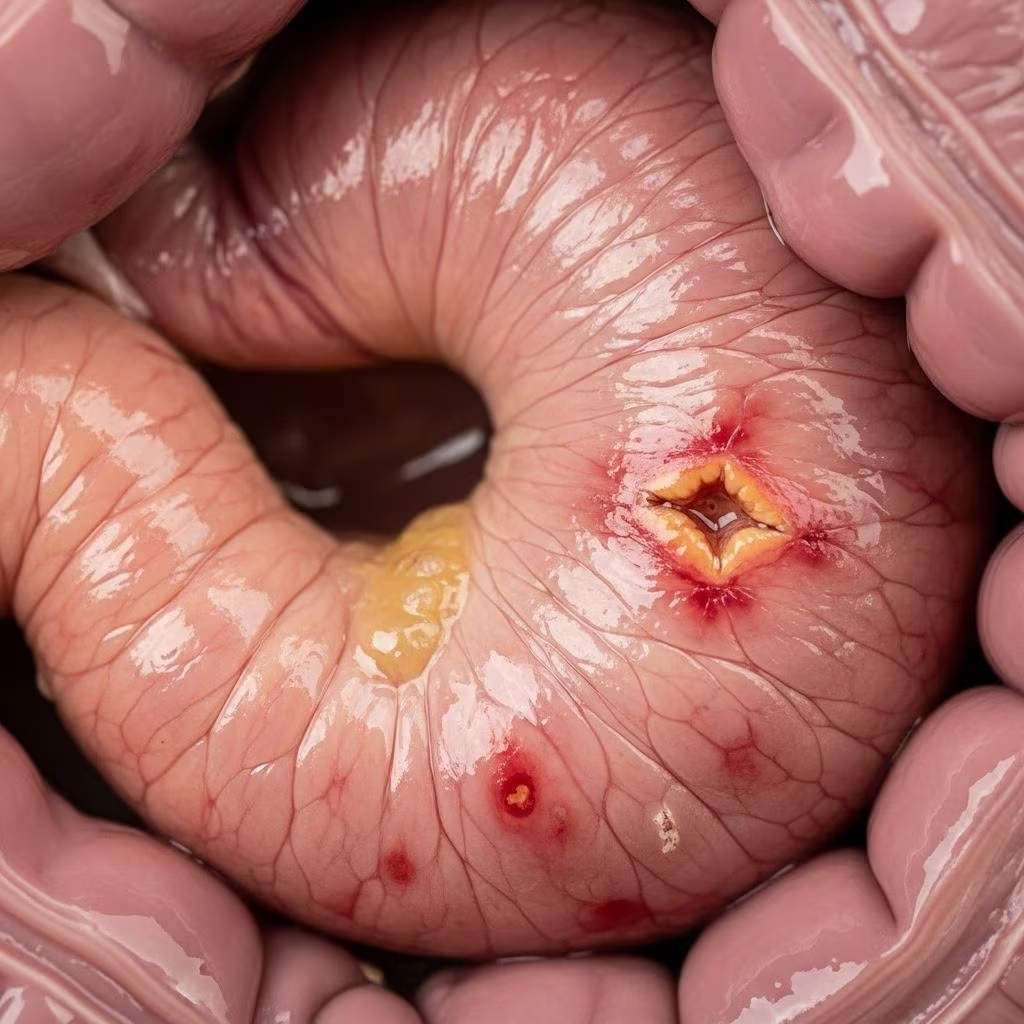
The abomasum, often called the “true stomach” in ruminants, plays a pivotal role in cattle digestion by secreting acids and enzymes to break down proteins and prepare nutrients for intestinal absorption. Disorders affecting this organ, particularly in high-producing dairy cows, can lead to significant production losses and health complications. This article examines the anatomy, common pathologies, diagnostic approaches, therapeutic interventions, and preventive measures for abomasum-related issues in cattle.
Anatomy and Physiology of the Bovine Abomasum
In adult cattle, the stomach comprises four compartments: rumen, reticulum, omasum, and abomasum. The abomasum, positioned along the ventral midline, resembles the monogastric stomach with glandular linings that produce hydrochloric acid, pepsin, and other enzymes essential for protein hydrolysis and microbial inactivation. It receives partially fermented digesta from the omasum, further processes it through acid digestion, and facilitates the breakdown of complex molecules into absorbable forms.
Developmentally, the abomasum dominates in newborn calves, comprising about 60% of stomach capacity, enabling efficient milk digestion via an esophageal groove that bypasses the rumen. As calves mature and transition to solid feeds, the rumen expands to 80% capacity, reducing the abomasum to roughly 8-14%. This shift underscores its specialized role in enzymatic digestion post-microbial fermentation.
- Key functions: Acidic breakdown of proteins, fats, and carbohydrates; enzyme secretion (pepsin); water and electrolyte absorption; pathogen control via low pH.
- Capacity in adults: Smaller relative size but critical for nutrient preparation.
- Protective features: Mucus layer shields against self-digestion by acids.
Common Abomasum Pathologies in Cattle
Abomasum diseases predominantly affect periparturient dairy cows on high-energy diets, leading to conditions like displacements, torsions, ulcers, and bloat. These arise from impaired motility, gas accumulation, or dietary imbalances, disrupting normal digesta flow.
Left Displacement of the Abomasum (LDA)
LDA occurs when the gas-distended abomasum shifts leftward between the rumen and left abdominal wall, most common 1-4 weeks post-calving. High-grain diets increase fermentation gases, reducing abomasal tone and promoting displacement. Prevalence can reach 5-10% in intensive dairy operations.
Right Displacement and Torsion (RDA/Abomasal Torsion)
More severe, RDA involves rightward displacement, often progressing to volvulus (torsion >180°), compromising blood supply and causing necrosis. This emergency affects 1-2% of cows but carries high mortality if untreated.
Abomasal Ulcers and Erosions
Ulcers develop from prolonged acid exposure, stress, or NSAID use, classified as Type 1-4 based on location and perforation risk. Perforating ulcers lead to peritonitis, a life-threatening complication.
Other Conditions
Abomasal bloat, impaction, and vagal indigestion stem from motility disorders, exacerbated by hypocalcemia or ketosis around calving.
| Condition | Prevalence | Mortality Risk | Key Trigger |
|---|---|---|---|
| LDA | High (5-10%) | Low (<5%) | High-grain diet |
| RDA/Torsion | Low (1-2%) | High (20-50%) | Gas distension |
| Ulcers | Moderate | Variable (perforation-dependent) | Stress/NSAIDs |
Risk Factors for Abomasum Diseases
Several factors predispose cattle to abomasal issues:
- Periparturient period: Hormonal changes and negative energy balance weaken motility.
- Dietary shifts: Sudden concentrate increases cause rumen acidosis, gas buildup, and atony.
- High production: Dairy cows yielding >40 kg milk/day face elevated risk.
- Hypocalcemia: Reduces smooth muscle contractility.
- Previous history: Twin births or dystocia double LDA odds.
Breeds like Holstein-Friesians show higher susceptibility due to intense selection for milk yield.
Clinical Signs and Presentation
Symptoms vary by condition severity but often include:
- Decreased appetite and milk yield (50-75% drop).
- Reduced rumen contractions (<1/min) and scant feces (pipe-stream consistency).
- Abnormal “ping” sounds on auscultation-percussion (left or right).
- Ketosis signs: fruity breath, elevated urine ketones.
- Severe cases: colic, dehydration, shock (torsion).
In calves, abomasal issues manifest as diarrhea, poor growth, or bloat from milk overload.
Diagnostic Approaches
Veterinarians employ a multi-step process:
- History and exam: Focus on recent calving, diet, production.
- Auscultation-percussion: Characteristic pings confirm displacement location.
- Ultrasonography: Visualizes abomasum position, wall thickness, contents.
- Lab tests: Blood for ketones, calcium; paracentesis for peritonitis.
- Radiography (rare): In calves or ambiguous cases.
Differential diagnoses include ketosis, metritis, or hardware disease.
Treatment Strategies
Management depends on condition and timeliness:
Conservative for LDA
- Positioning: Roll cow into dorsal recumbency to reposition abomasum.
- Medical: Calcium, fluids, NSAIDs, prokinetics (e.g., metoclopramide).
Surgical Interventions
Omentopexy or abomasopexy: Fixes abomasum to abdominal wall (success >90%). Preferred for LDA.
Torsion correction: Right paramedian laparotomy; detorsion or resection if necrotic.
Supportive Care
- IV fluids, electrolytes.
- Antibiotics for ulcers/peritonitis.
- Gradual diet reintroduction.
Post-op monitoring prevents recurrence (10-20%).
Prevention and Management Protocols
Proactive herd strategies reduce incidence:
- Transition diets: Gradual dry matter increase pre-calving; balanced anion salts prevent hypocalcemia.
- Body condition: Maintain BCS 3.0-3.25 at calving.
- Monitoring: Daily health checks post-calving; early ping detection.
- Feed additives: Buffers (sodium bicarbonate), ionophores for rumen stability.
- Facilities: Comfortable housing minimizes stress.
Vaccination against hypocalcemia and routine mineral supplementation enhance resilience.
Economic Impact on Farms
Abomasum disorders cost dairy operations $100-300 per case via lost milk, vet fees, and culling. LDA alone accounts for 20-30% of post-calving interventions. Effective prevention yields high ROI through sustained production.
FAQs
What causes abomasum displacement in cows?
Primarily gas accumulation from high-concentrate diets and periparturient atony.
How is LDA diagnosed?
Via history, clinical signs, and left-sided ping on auscultation-percussion.
Can abomasum issues affect beef cattle?
Less common than in dairy but possible under intensive finishing diets.
Is surgery always needed for DA?
No; rolling succeeds in 30-50% mild LDA cases, but surgery is definitive.
How to prevent abomasal ulcers?
Avoid NSAIDs, manage stress, ensure fiber intake for saliva buffering.
Research Directions
Ongoing studies explore genetic markers for susceptibility, novel prokinetics, and rumen modifiers to mitigate risks. Precision feeding via sensors promises further reductions in incidence.
References
- Abomasum – Wikipedia — Wikipedia Contributors. 2023-10-15. https://en.wikipedia.org/wiki/Abomasum
- Understanding the Final Step in Ruminant Digestion, Deciphering the Abomasum — Scholars Research Library. 2023. https://www.scholarsresearchlibrary.com/articles/understanding-the-final-step-in-ruminant-digestion-deciphering-the-abomasum-103272.html
- The Digestive System of Beef Cattle – Management and Nutrition — Merck Veterinary Manual. 2023. https://www.merckvetmanual.com/management-and-nutrition/nutrition-beef-cattle/the-digestive-system-of-beef-cattle
- The Ruminant Digestive System — LSU AgCenter. 2023-06-01. https://www.lsuagcenter.com/articles/page1728411297432
- The Overview of the Digestive System of the Calves — University of Wisconsin Dairy Extension. 2022. https://dairy.extension.wisc.edu/articles/the-overview-of-the-digestive-system-of-the-calves/
- The Ruminant Digestive System — University of Minnesota Extension. 2021-05-12. https://extension.umn.edu/dairy-nutrition/ruminant-digestive-system



