

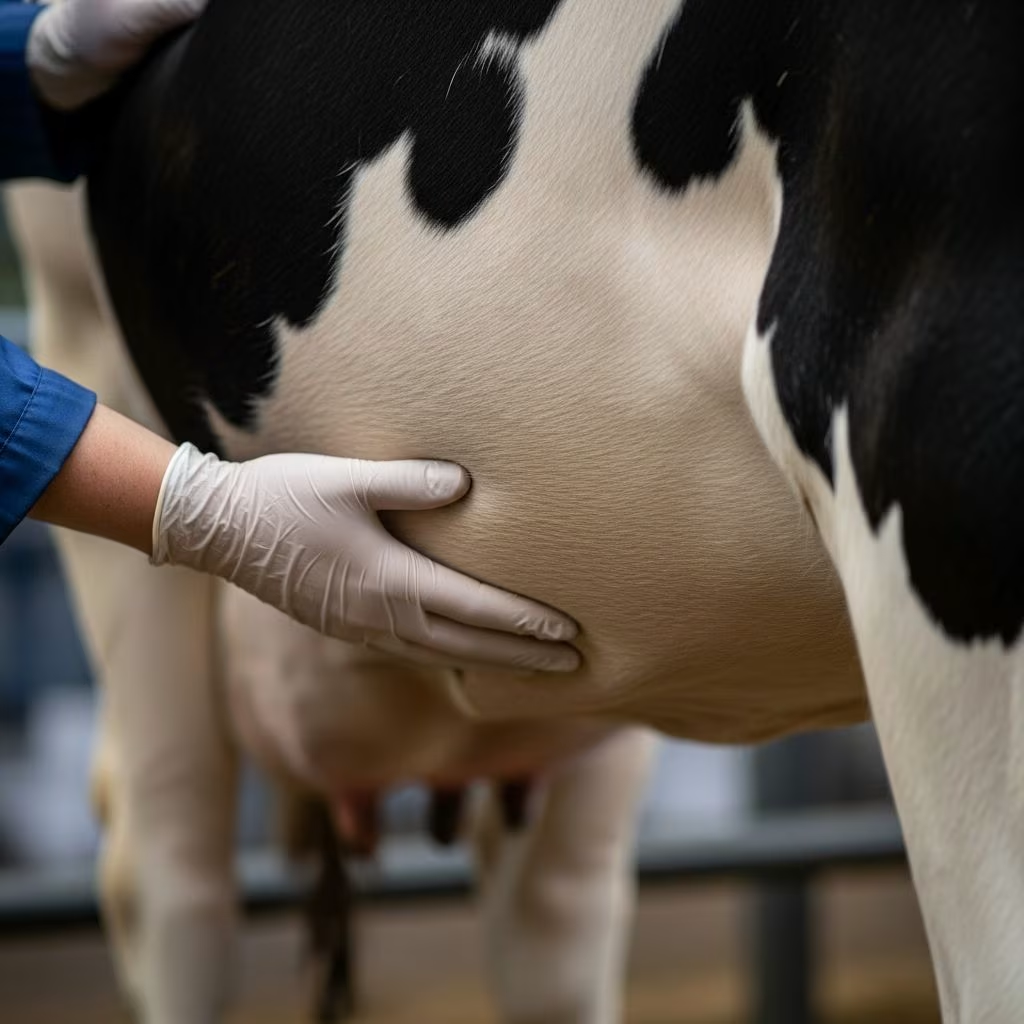
The abomasum, often called the ‘true stomach’ in cattle, plays a vital role in digestion by secreting acids and enzymes to break down food. When it becomes impacted with indigestible material, a condition known as **abomasal impaction** emerges, severely disrupting rumen function and overall health. This disorder is particularly prevalent in beef cattle during winter or when fed low-quality feeds, leading to significant economic losses through reduced productivity and mortality.
Understanding the Ruminant Digestive System
Cattle possess a unique four-compartment stomach: rumen, reticulum, omasum, and abomasum. The abomasum is the final compartment where gastric juices act on partially fermented ingesta from the previous chambers. Blockage here halts the flow of digesta into the intestines, causing backups, dehydration, and metabolic disturbances like hypokalemia and alkalosis.
Poor motility or excessive dry matter accumulation in the abomasum triggers impaction. Unlike simpler monogastric animals, ruminants rely on constant microbial fermentation, making any obstruction catastrophic. Early recognition is key, as untreated cases progress rapidly to irreversible damage.
Primary Causes of Abomasal Blockage
Dietary factors dominate the etiology. Feeding excessive poor-quality roughage—such as straw or hay low in protein and energy—during cold weather increases risk. Pregnant beef cows, ramping up intake to meet metabolic demands, are especially vulnerable.
- High distillers’ grain diets: Common in regions like Southern China, over 15 kg daily for a week causes solid buildup, dehydration, and electrolyte imbalance.
- Sandy or dirty feeds: Hay from sandy soils or root crops leads to sand impaction, resulting in chronic diarrhea and gradual decline.
- Cold stress: Reduced water intake in winter exacerbates dry matter accumulation, mimicking vagal indigestion.
- Finely ground rations: Feedlot cattle on chopped hay-grain mixes suffer fluid overload or atony.
Secondary causes include hypomotility from left displaced abomasum (LDA) or traumatic reticuloperitonitis, though dietary forms predominate in beef herds.
Recognizing Clinical Stages
Symptoms evolve over days, categorized into early, middle, and late stages for precise intervention.
Early Stage (1-4 Days)
Subtle signs include reduced feed intake, minimal rumination, and soft abomasal enlargement on palpation. Feces resemble abacus beads—dry and scant—while water consumption rises. Rumen and omasal sounds weaken.
Middle Stage (5-10 Days)
Appetite plummets, nose dries, and abdominal girth expands. Rumen feels fluid-filled with sloshing on impact palpation; intestinal sounds fade. Urine output drops, feces turn mushy in small amounts.
Late Stage (>10 Days)
Depression sets in with sunken eyes, inverted coat, and hard abdominal swelling. Cattle dodge touch, pass foul tan mucus or bloody feces rarely, and may recumbency. Severe dehydration and alkalosis prevail; death follows in 3-6 days without aid.
| Stage | Key Symptoms | Severity Indicators |
|---|---|---|
| Early | Reduced intake, dry feces, increased thirst | Soft palpation, normal temp |
| Middle | Abdominal distension, fluid rumen, scant mushy feces | No rumen sounds, limited urine |
| Late | Depression, hard swelling, bloody feces | Recumbency, rupture risk |
This progression underscores the need for vigilant monitoring in high-risk groups like late-pregnant cows.
Diagnostic Approaches
Veterinarians rely on history, clinical exams, and imaging. Key steps include:
- History review: Recent diet changes, cold exposure, or distillers’ grain overload.
- Physical exam: Percussion and deep palpation elicit ‘grunts’ from overdistended abomasum; right flank sensitivity noted.
- Auscultation: Absent rumen/omasal motility, weak gut sounds.
- Abdominal puncture: Confirms fluid or sand presence if needed.
- Laparotomy: Definitive for chronic cases, revealing atony or necrosis.
Pathology shows abomasal enlargement, mucosal ulcers, omasal necrosis, and rumen fluid excess. Bloodwork reveals dehydration and alkalosis.
Treatment Strategies
Early intervention yields good prognosis; chronic cases fare worse. Non-surgical first:
- Fluid therapy: IV electrolytes correct imbalances.
- Laxatives: Mineral oil or magnesium sulfate via drench.
- Rumenotoromy: Preferred for flushing abomasum with warm water/oil; high success.
Surgical abomasotomy risks complications like peritonitis, reserved for failures. Sand cases may need repeated flushing. Post-treatment, switch to balanced feeds with ample water.
Prevention Best Practices
Proactive management averts outbreaks:
- Provide quality roughage high in digestible nutrients, especially winter.
- Ensure constant clean water access; heaters in cold climates.
- Limit distillers’ grains to <15 kg/day; balance with forages.
- Monitor pregnant/lactating cows closely; avoid sandy feeds.
- Vaccinate against predisposing infections; regular health checks.
Herd-level strategies like gradual ration changes reduce hypomotility risks.
Economic and Welfare Impacts
Impaction causes 3-6 day mortality in severe cases, plus production losses from weight/milk drop. Outbreaks in beef operations amplify costs via culls and treatments. Welfare suffers from pain, dehydration, and starvation. Early vet involvement saves lives and livelihoods.
Frequently Asked Questions (FAQs)
What triggers abomasal impaction most often?
Poor-quality roughage in cold-fed pregnant beef cattle or excess distillers’ grains.
How do you differentiate from LDA?
Impaction shows hard distension and scant feces; LDA has more gas/ping sounds.
Is surgery always needed?
No, rumenotomy flushing succeeds early; surgery for refractory cases.
Can it affect dairy cows?
Yes, periparturient high-producers via hypomotility or poor transition feeds.
How to prevent in feedlots?
Balanced rations, water access, avoid over-ground roughage.
Conclusion
Abomasal impaction demands swift action through diet optimization and monitoring. Farmers armed with this knowledge can safeguard herds effectively.
References
- Case Report: Abomasum Impaction in Beef Cattle Due to High Intake of Distillers’ Grains — Frontiers in Veterinary Science (PMC). 2021-06-08. https://pmc.ncbi.nlm.nih.gov/articles/PMC8180562/
- DIETARY ABOMASAL IMPACTION IN CATTLE — University of Diyala, College of Veterinary Medicine. 2015. https://vetmed.uodiyala.edu.iq/uploads/Lectures/L4-2015/Internal%20medicine/12-DIETARY%20ABOMASAL%20IMPACTION%20IN%20CATTLE.docx
- Winter cold and abomasal impaction of beef cattle — Canadian Cattlemen. Accessed 2026. https://www.canadiancattlemen.ca/vet-advice/winter-cold-and-abomasal-impaction-of-beef-cattle/
- Abomasal impaction in Cows (Bovis) — Vetlexicon. Accessed 2026. https://www.vetlexicon.com/bovis/alimentary/articles/abomasal-impaction/
- Other abomasal disorders – Large Animal Surgery — University of Minnesota Libraries Open. Accessed 2026. https://open.lib.umn.edu/largeanimalsurgery/chapter/abomasotomy/
- Abomasal impaction due to sand accumulation in two cows — Veterinary Journal (PDF). Accessed 2026. https://vetjournal.it/images/archive/pdf_riviste/4692.pdf
- Left or Right Displaced Abomasum and Abomasal Volvulus in Cattle — MSD Veterinary Manual. Accessed 2026. https://www.msdvetmanual.com/digestive-system/diseases-of-the-abomasum/left-or-right-displaced-abomasum-and-abomasal-volvulus-in-cattle



