
Understanding Abnormal Gait in Dogs
Discover why your dog's walking pattern has changed suddenly
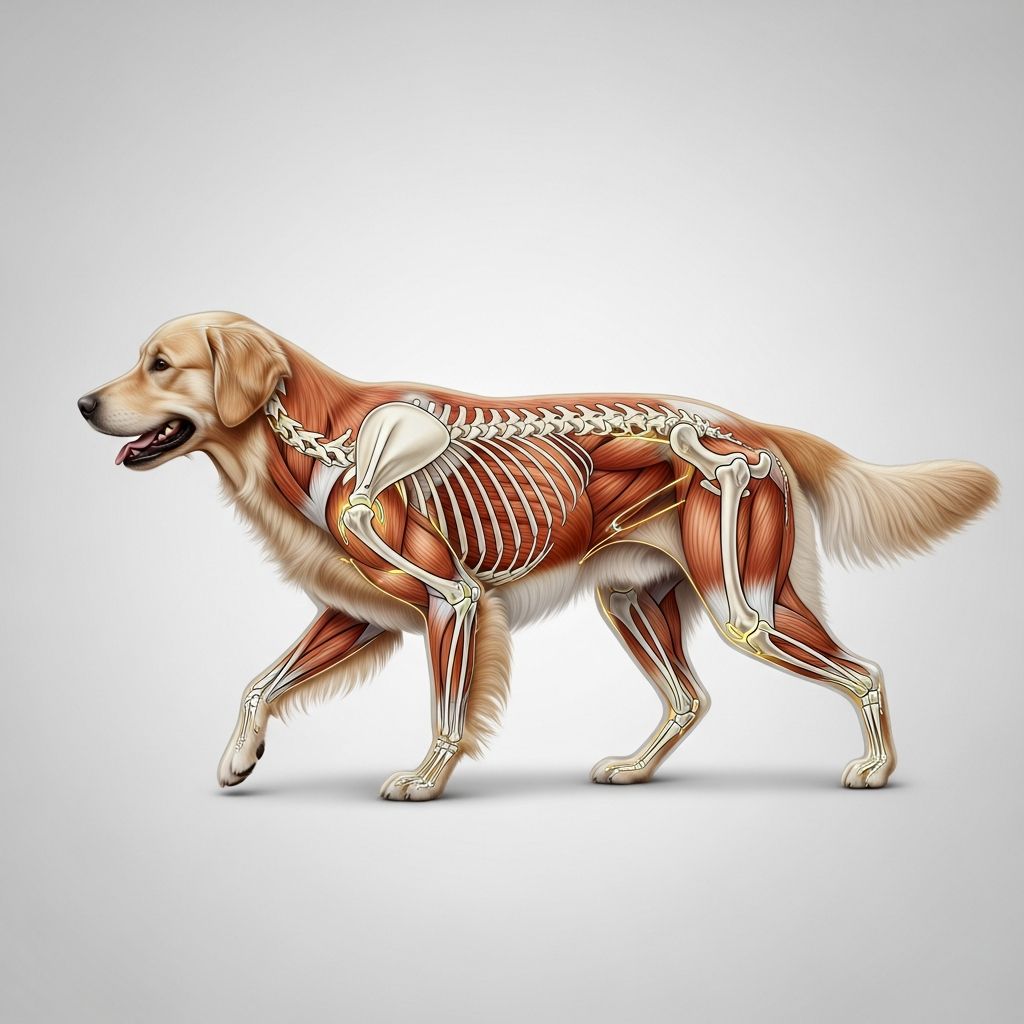
Understanding Abnormal Gait in Dogs: When Your Pet’s Walking Pattern Changes
Observing your dog move through your home or yard is typically a comforting and routine part of pet ownership. However, when your dog begins to move in an unusual manner—particularly if the change occurs suddenly—it can be deeply concerning for any devoted pet owner. If you’ve noticed your dog walking sideways, displaying a crooked gait, or moving with an apparent lack of coordination, this shift warrants careful attention and professional evaluation.
The phenomenon of sideways walking, technically referred to as “crabbing,” represents a deviation from your dog’s normal movement pattern. Rather than moving with a straight, aligned stride, the dog’s rear legs and front legs appear misaligned, creating a distinctive slant or angled trajectory across the floor. While this symptom might initially seem harmless, it frequently signals an underlying health concern that ranges from minor to serious.
Recognizing the Difference Between Gradual and Sudden Onset
The timeline of symptom development provides crucial diagnostic information for your veterinarian. Dogs that have always exhibited a slightly crooked or unusual walking pattern, particularly puppies, may be dealing with developmental bone or joint abnormalities. Nutritional deficiencies during growth phases can result in weaker or improperly formed skeletal structures, affecting movement quality as the dog matures.
In contrast, adult dogs that abruptly develop gait abnormalities require different diagnostic consideration. The sudden emergence of sideways walking or balance loss in an otherwise healthy adult typically indicates acute neurological involvement, injury, or infection rather than developmental issues. This distinction helps guide your veterinarian’s investigative approach and treatment recommendations.
The Role of Balance and the Vestibular System
At the foundation of normal canine movement lies a sophisticated balance system centered in the inner ear. The vestibular apparatus comprises both peripheral components (the inner ear structures) and central components (portions of the brain stem). This interconnected system continuously monitors your dog’s head position, body orientation, and movement relative to gravity, allowing for coordinated and controlled locomotion.
When this system malfunctions, the consequences for your dog’s movement become immediately apparent. Common manifestations include loss of balance, disorientation, reluctance to stand or walk, and characteristic head tilting. The flickering eye movements called nystagmus often accompany vestibular disturbances, creating a distinctive clinical picture that veterinarians recognize readily.
Vestibular Disease: Understanding the Most Common Cause
Vestibular disease represents one of the primary culprits behind sudden sideways walking and balance deterioration, particularly in senior dogs. Idiopathic vestibular disease—meaning the condition arises without a clearly identifiable cause—frequently affects older canines and can develop with startling rapidity. Dogs experiencing this condition may lose their balance within hours, becoming reluctant to move or struggling significantly when attempting to stand.
The clinical presentation of vestibular disease extends beyond sideways walking. Affected dogs often display:
- Pronounced head tilting to one side
- Irregular jerking eye movements
- Leaning or falling toward the affected side
- Widened leg stance for increased stability
- Circular walking patterns
- Vomiting or nausea
- General disorientation
Notably, many cases of idiopathic vestibular disease in older dogs show spontaneous improvement with supportive care, meaning the condition often resolves naturally over time without aggressive intervention. However, younger dogs or those with identifiable underlying causes (such as infections or tumors) may require more involved treatment approaches.
Neurological Conditions Beyond Vestibular Disease
While vestibular disease dominates the differential diagnosis for sudden gait changes, numerous other neurological conditions can produce similar or identical symptoms. Certain neurological problems affect one side of the body preferentially, creating lateral or angled walking patterns where the dog consistently leans or falls toward the affected side. These lateralizing conditions demand careful diagnostic evaluation to identify the specific underlying cause.
Congenital neurological disorders such as hydrocephalus, cerebellar hypoplasia, or caudal occipital malformation syndrome can manifest with movement abnormalities early in life. Acquired neurological issues—those developing after birth—can arise from head trauma, inflammatory conditions, or infections. Infectious agents including toxoplasmosis, tick-borne diseases, and fungal infections like cryptococcosis can trigger brain inflammation that disrupts normal movement coordination.
Ataxia, a general term describing loss of coordination, represents another significant neurological manifestation. Dogs with cerebellar ataxia display exaggerated, uncontrolled movements, while those with proprioceptive ataxia may drag their paws or demonstrate an unusual “drunk-like” gait. The underlying neurological damage determines which specific movement pattern emerges.
Vascular Events and Brain Injuries
Strokes, though uncommon in dogs compared to humans, do occur and can produce sudden dramatic changes in gait and balance. When a stroke affects one side of the brain, the resulting weakness and sensory disruption typically manifest asymmetrically—affecting the opposite side of the body. A dog experiencing a stroke may suddenly display sideways walking, head tilting, loss of balance, disorientation, or even unequal pupil sizes.
Head trauma from accidents, falls, or impacts can cause either temporary or permanent gait disturbances through similar mechanisms. The severity depends on the injury location and extent, with some dogs recovering full function while others experience lasting neurological consequences.
Structural and Joint-Related Causes
Beyond neurological origins, structural problems in the skeletal and joint systems frequently underlie abnormal gait development. Hip dysplasia—a developmental disorder affecting the hip joint—represents a particularly common culprit, especially in predisposed breeds. Dogs with significant hip dysplasia often experience substantial discomfort when walking in a perfectly straight line, prompting compensatory movement patterns.
Dogs suffering from hip dysplasia typically adopt several characteristic movement strategies:
- Swaying hip motion to distribute weight more evenly
- Bunny-hopping gait where rear legs move together
- Angled or sideways gait when one hip causes greater discomfort than the other
- Preference for shifting body weight forward onto the front limbs
Osteoarthritis in senior dogs produces similar movement compensations as the dog attempts to minimize pain through modified gait patterns. Additionally, hind-end weakness—whether from age-related muscle loss, nerve damage, or other causes—can result in sideways walking as the dog struggles to maintain normal body alignment.
Traumatic injuries to the spine, legs, or supporting musculature can also trigger acute gait changes. Large tumors positioned near a limb may physically prevent normal movement by occupying space or exerting pressure on surrounding tissues.
Infections and Inflammatory Conditions
Inner ear infections rank among the most commonly treated causes of balance disorders and abnormal gait in dogs. The inner ear’s critical role in balance maintenance means that infection in this region produces pronounced movement symptoms. Dogs with ear infections may shake their heads vigorously, scratch at affected ears, display discharge or odor, or seem dizzy and disoriented.
When left untreated, inner ear infections can progress and affect the broader vestibular system, intensifying symptoms. Prompt veterinary diagnosis and appropriate treatment—typically involving antibiotics, antifungal medications, or ear cleaning—are essential to prevent progression.
Brain inflammation arising from autoimmune diseases or infectious agents similarly disrupts the neurological control of movement and balance. The inflammation alters normal signaling between the brain and body, resulting in coordination loss and gait abnormalities.
Diagnostic Approach for Gait Abnormalities
Your veterinarian initiates the diagnostic process with a comprehensive physical examination. This evaluation includes palpation of the legs and joints, assessment of basic reflexes (such as the foot-placing test), and careful inspection of the ears for signs of infection. Blood tests help identify systemic infections, organ dysfunction, or metabolic imbalances that could precipitate seizures or strokes.
Imaging studies provide crucial information about structural integrity. Radiographs (X-rays) reveal bone abnormalities, joint degeneration, and skeletal misalignment. Ultrasound can examine abdominal and cardiac structures. Advanced imaging like MRI or CT scanning may be recommended when neurological disease is suspected and initial testing proves inconclusive.
Importantly, creating a video recording of your dog’s abnormal gait to share with your veterinarian can significantly enhance diagnostic accuracy. This documentation allows your vet to observe the specific movement pattern and any asymmetries without relying solely on your description.
Broader Neurological Warning Signs
Sideways walking represents just one potential manifestation of neurological disease in dogs. Pet owners should be alert to other symptoms that suggest central nervous system involvement:
- Stumbling or frequent tripping
- Circling behavior, particularly in one direction
- Head pressing against walls or objects
- Dragging of the rear feet or legs
- Partial or complete paralysis affecting one or more limbs
- Seizure activity
- Sudden vision loss
- Unexplained tremors or muscle quivering
- Persistent head tilting or shaking
The presence of multiple neurological signs typically increases the urgency of veterinary evaluation and may expand the differential diagnosis list.
When to Seek Immediate Veterinary Care
While some cases of abnormal gait resolve spontaneously or respond readily to treatment, any sudden change in your dog’s movement warrants professional evaluation. The unpredictability of underlying causes makes home diagnosis impossible. Conditions ranging from treatable infections to serious neurological events can produce identical or similar symptoms.
Restrict your dog’s activity while awaiting evaluation to prevent injury from falling or loss of balance. Avoid attempting self-diagnosis or self-treatment, as misidentification of the problem could delay appropriate care or even prove harmful.
Treatment Considerations and Prognosis
Treatment approaches vary dramatically depending on the identified cause. Ear infections typically respond well to appropriate antimicrobial therapy. Hip dysplasia and arthritis may benefit from anti-inflammatory medications, joint supplements, physical therapy, or mobility aids. Neurological conditions require targeted approaches determined by the specific diagnosis.
Some conditions, like idiopathic vestibular disease in senior dogs, improve significantly with time and supportive care. Others may require ongoing management to maintain quality of life. Early identification and intervention generally offer the best prognosis across most conditions.
References
- Vestibular Disease in Dogs — PDSA. https://www.pdsa.org.uk/pet-help-and-advice/pet-health-hub/conditions/vestibular-disease-in-dogs
- Vestibular Disease in Dogs: Symptoms & Treatment — VCA Animal Hospitals. https://vcahospitals.com/know-your-pet/vestibular-disease-in-dogs
- Ataxia in Dogs: What It Is, Symptoms, and Treatment — PetMD. https://www.petmd.com/dog/conditions/neurological/ataxia-dogs
- Why Does My Dog Walk Sideways? — Kinship. https://www.kinship.com/dog-behavior/why-does-my-dog-walk-sideways
- Why is My Dog Walking Sideways All of a Sudden? — Walkin’ Pets. https://walkinpets.com/blogs/blog/dog-walking-sideways
Similar Articles








Read full bio of Sneha Tete




