

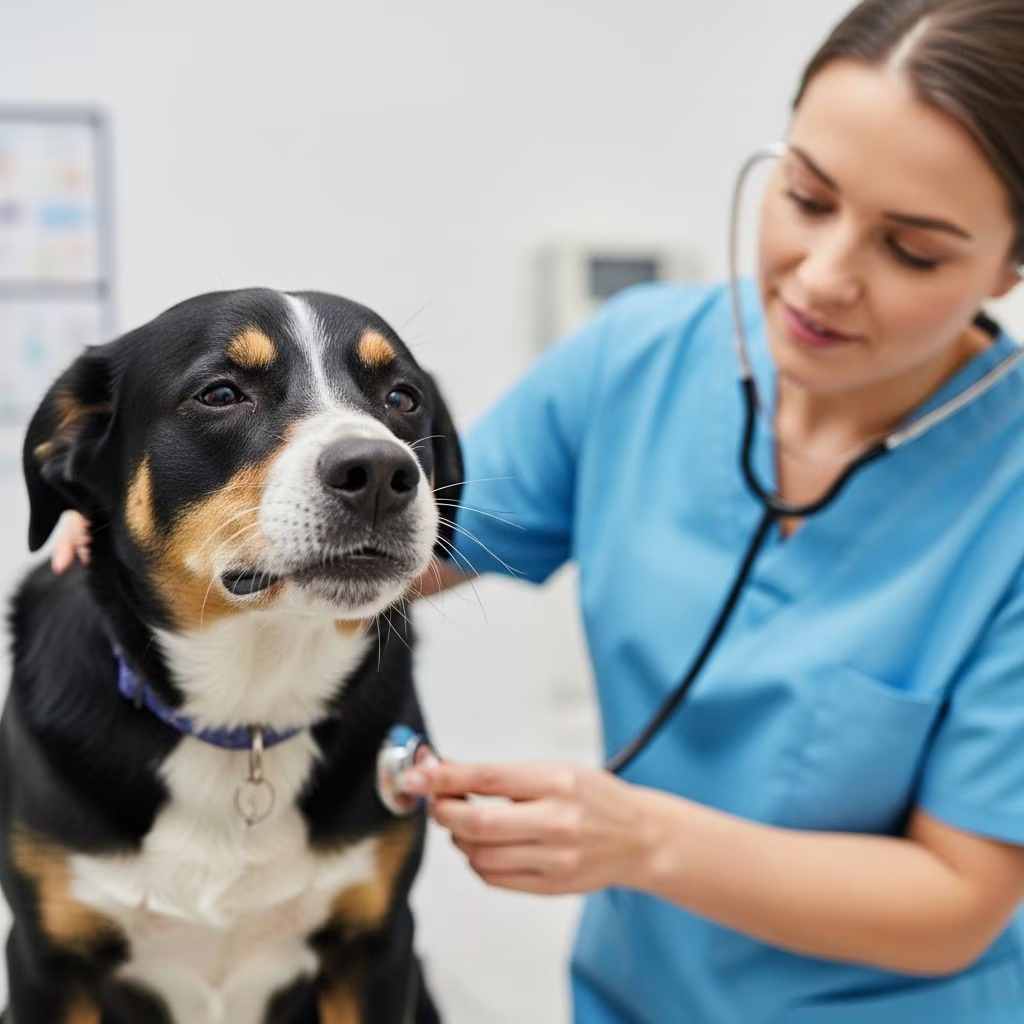
Panting is a natural and expected behavior in dogs. Whether your canine companion is cooling down after a vigorous play session, responding to warm weather, or expressing excitement, breathing more heavily is completely normal. However, distinguishing between routine respiratory behavior and potentially serious health concerns requires awareness and attention to subtle changes in your dog’s breathing patterns. This comprehensive guide explores the various factors that contribute to excessive panting in dogs and provides insights into when veterinary intervention becomes necessary.
The Physiology of Normal Canine Panting
Dogs utilize panting as their primary cooling mechanism, since they lack the ability to sweat efficiently through their skin like humans do. When dogs engage in physical activity or encounter warm environmental conditions, their breathing rate naturally increases to facilitate heat dissipation through the respiratory tract. Normal panting occurs in predictable situations: after exercise, during warm weather, or when experiencing emotional excitement such as greeting a beloved owner after an extended absence.
The distinction between normal and abnormal panting lies in context and duration. Routine panting typically resolves quickly once the triggering stimulus is removed. For example, a dog that has just finished playing should return to normal breathing within minutes of resting. Conversely, persistent panting that continues without an obvious cause, or panting that emerges suddenly during rest periods, warrants careful observation and possible veterinary evaluation.
Environmental and Behavioral Triggers for Increased Breathing
Beyond physical exertion and temperature regulation, several behavioral and environmental factors can trigger noticeable changes in a dog’s respiratory rate. Understanding these common triggers helps owners differentiate between benign causes and potentially serious underlying conditions.
Stress, Anxiety, and Emotional Responses
Dogs experiencing emotional distress respond physiologically in ways similar to humans. During stressful situations—such as thunderstorms, fireworks displays, trips to the veterinary clinic, or separation from their owners—dogs’ bodies rapidly increase cortisol production, a steroid hormone that facilitates stress responses. This hormonal cascade manifests as rapid, often shallow panting. The panting typically subsides once the stressful stimulus is eliminated or the dog becomes accustomed to the situation. Recognizing anxiety-related panting involves observing accompanying behavioral cues, such as trembling, pacing, excessive drooling, or attempts to hide or escape.
Excitement and Anticipation
Positive emotional stimuli also trigger increased panting. A dog anticipating a car ride, recognizing the sound of a treat bag opening, or reacting to an owner’s arrival home may breathe more heavily. This excitement-induced panting typically occurs in shorter bursts and accompanies other signs of enthusiasm, including tail wagging, jumping, or vocalization.
Pain and Physical Discomfort
Dogs cannot communicate pain verbally, making it essential for owners to recognize non-verbal pain indicators. Excessive panting frequently indicates physical discomfort from various sources. Dogs experiencing pain from injuries, arthritis, or acute health issues often display increased respiratory rates. Pain-related panting may accompany other distress signals such as reluctance to move, restlessness, whining, limping, or changes in posture.
Medical Conditions Associated with Excessive Panting
When excessive panting persists despite the absence of obvious environmental triggers or behavioral stimuli, underlying medical conditions require investigation. Several serious health concerns present excessive panting as a primary symptom.
Hyperthermia and Heat-Related Emergencies
Heatstroke represents one of the most serious and time-sensitive causes of excessive panting in dogs. When a dog becomes dangerously overheated and cannot adequately cool down, heatstroke develops as a life-threatening emergency requiring immediate veterinary intervention. Dogs experiencing heatstroke display unmistakable signs beyond heavy panting, including glassy or unfocused eyes, profound weakness, rapid heart rate, excessive drooling, seizure activity, vomiting, and diarrhea. Body temperature typically exceeds 104 degrees Fahrenheit in heatstroke cases.
Certain dog breeds face heightened susceptibility to overheating. Brachycephalic dogs—breeds with shortened, flattened facial structures including Bulldogs, Pugs, Boston Terriers, and similar varieties—cannot pant efficiently due to anatomical limitations. Their shortened airways and compressed nasal passages restrict airflow, preventing adequate cooling. These breeds require vigilant monitoring during warm weather, exercise periods, and enclosed vehicles, where dangerous temperature elevations can develop rapidly.
Respiratory System Disorders
Multiple respiratory conditions precipitate excessive panting by increasing breathing rates or creating breathing difficulty. These conditions include pneumonia, bronchitis, kennel cough, laryngeal paralysis, lung tumors, fungal respiratory infections, bacterial infections, and asthma. Respiratory disease-related panting frequently accompanies additional symptoms such as coughing, unusual breathing sounds, labored respiration involving abdominal muscle engagement, or reluctance to exert physically.
Brachycephalic Obstructive Airway Syndrome (BOAS) specifically affects flat-faced breeds, causing narrowing of the upper respiratory tract. Dogs with this condition may produce abnormal snorting or snoring sounds during panting, particularly when eating, drinking, or exercising heavily.
Cardiovascular Complications
Heart failure in dogs produces symptoms remarkably similar to human cardiac disease, including breathing difficulty, reduced exercise tolerance, coughing, and excessive panting. As the heart’s pumping efficiency diminishes, the body attempts to compensate through increased respiratory rates. Veterinary treatment for canine heart failure typically involves medications such as ACE inhibitors and diuretics, with specific treatment protocols determined by the underlying cause.
Metabolic and Endocrine Disorders
Cushing’s syndrome develops when a dog’s adrenal glands produce excessive cortisol levels. Beyond heavy panting, dogs with this condition develop distinctive clinical signs including hair loss, pot-bellied appearance, excessive thirst and urination, and increased appetite. Treatment varies based on disease severity and may include adrenal-suppressing medications or surgical intervention.
Toxin Exposure and Poisoning
Dogs that have ingested toxic substances frequently display increased panting as bodies attempt to metabolize and eliminate harmful compounds. Toxin-related panting may appear suddenly without preceding signs of illness or distress. Rapid veterinary attention following suspected poisoning dramatically improves outcomes, as early intervention can prevent fatal consequences.
Injury, Trauma, and Pain Syndromes
Dogs experiencing injuries from accidents, joint disease, or age-related degeneration frequently display heavy panting related to pain. Older dogs particularly may develop arthritis-related discomfort that triggers increased respiratory rates, especially after physical exertion or during weather changes affecting joint inflammation.
Recognizing Warning Signs Requiring Immediate Veterinary Care
Certain panting characteristics indicate emergencies demanding prompt professional evaluation. Dog owners should seek emergency veterinary services when observing:
- Persistent panting continuing for extended periods without apparent cause
- Heavy panting occurring while resting in cool, comfortable environments
- Sudden onset of panting differing significantly from the dog’s normal breathing patterns
- Open-mouthed breathing while stationary
- Reluctance to drink, eat, or move normally
- Pale, blue-tinged, or brick-red gum coloration
- Abnormal drooling inconsistent with the dog’s typical behavior
- Labored breathing involving visible abdominal muscle engagement
- Accompanying symptoms including lethargy, vomiting, diarrhea, or behavioral changes
- Collapse or seizure activity
- Weakness or inability to stand
Diagnostic Approaches and Veterinary Evaluation
When presented with a panting dog, veterinarians conduct comprehensive physical examinations to identify underlying causes. The diagnostic process typically involves reviewing the dog’s complete medical history, including previous illnesses, current medications, and the specific circumstances surrounding the panting onset. Veterinarians may recommend diagnostic imaging such as radiographs (X-rays) to examine the heart, lungs, and abdomen for abnormalities including lung tumors, broken ribs, or cardiovascular changes. Additional testing may include blood work, urinalysis, or specialized imaging to evaluate specific health concerns.
Breed-Specific Considerations in Panting Assessment
Certain dog breeds demonstrate naturally heavier breathing patterns compared to other varieties, complicating the identification of truly abnormal panting. Brachycephalic breeds with short snouts consistently exhibit heavier respiration than dogs with longer muzzles and more efficient airways. Understanding your specific dog’s baseline breathing patterns helps distinguish normal breed-specific respiration from genuinely concerning changes. Owners of flat-faced breeds should establish familiarity with their individual dog’s typical breathing characteristics during rest and activity to identify meaningful deviations.
Management Strategies for Different Panting Causes
Environmental Management
For dogs experiencing heat-related panting, environmental modifications prove essential. Ensuring constant access to fresh drinking water, providing shaded resting areas, limiting outdoor activity during peak heat hours, and maintaining cool indoor temperatures during warm weather prevent dangerous temperature elevations. During summer months, owners should never leave dogs unattended in vehicles, even with windows partially open, as internal temperatures escalate to dangerous levels within minutes.
Stress Reduction Approaches
Dogs displaying anxiety-related panting benefit from gradual desensitization to triggering stimuli, when possible. Establishing calm, predictable routines, providing safe retreat spaces, utilizing anxiety-reducing techniques, and occasionally consulting with professional animal behaviorists can minimize stress-induced panting episodes. In some cases, veterinarians recommend anti-anxiety medications for dogs with severe stress-related conditions.
Medical Treatment Protocols
Treatment for disease-related panting directly addresses the underlying condition. Heart failure requires specific cardiac medications, respiratory infections necessitate appropriate antimicrobial therapy, and endocrine disorders demand hormone regulation. Close collaboration with veterinarians ensures appropriate medication selection, dosing, and monitoring for therapeutic effectiveness.
Frequently Asked Questions About Canine Panting
How do I distinguish between normal and abnormal panting in my dog?
Normal panting typically occurs following exercise, during warm weather, or in response to excitement, and resolves within minutes of removing the triggering cause. Abnormal panting persists without obvious reason, occurs during rest periods in cool environments, or represents a sudden change from your dog’s typical breathing patterns.
Should I always be concerned about heavy panting?
Not necessarily. Context matters significantly. Heavy panting after vigorous activity or during warm weather is expected. However, persistent panting, sudden changes in breathing patterns, or panting accompanied by other concerning symptoms warrants veterinary evaluation.
What emergency signs demand immediate veterinary attention?
Seek emergency care if your dog displays collapse, seizures, abnormal gum coloration, severe labored breathing, inability to stand, or panting accompanied by vomiting or diarrhea.
Can anxiety cause excessive panting in dogs?
Yes, stress and anxiety frequently trigger increased panting in dogs. This anxiety-related panting typically resolves once the stressful situation concludes or the dog becomes acclimated to the triggering stimulus.
Are certain breeds more prone to excessive panting?
Yes, brachycephalic breeds with flattened facial structures naturally exhibit heavier breathing. Additionally, these breeds face elevated heatstroke risk due to inefficient cooling mechanisms.
Conclusion
Understanding excessive panting in dogs requires recognizing the distinction between expected respiratory responses to normal stimuli and potentially serious health indicators. While occasional heavy breathing during exercise, warm weather, or exciting situations represents normal canine physiology, persistent unexplained panting demands professional veterinary investigation. By remaining attentive to changes in your dog’s breathing patterns, recognizing warning signs, and seeking timely veterinary care when concerns arise, owners play a crucial role in maintaining their dogs’ health and preventing serious complications. When uncertainty exists regarding your dog’s panting behavior, consulting with a veterinarian provides reassurance and ensures appropriate medical intervention if underlying conditions exist.
References
- Excessive Panting in Dogs — River Oaks Veterinary Clinic. 2022. https://www.riveroakvet.com/site/blog/2022/11/30/excessive-panting-dogs
- Excessive Panting in Dogs — Crystal Lake Veterinary Hospital. 2024-04-30. https://www.casehospital.com/site/blog/2024/04/30/excessive-panting-dogs
- Heavy Panting in Dogs — WebMD Pets. https://www.webmd.com/pets/dogs/dog-panting-heavily
- Causes of Excessive Panting in Dogs & When To Be Concerned — Advanced Care Animal Clinic. 2022-11-30. https://www.advancedcareanimalclinic.com/site/blog/2022/11/30/excessive-panting-dog
- When Panting Is Abnormal: Signs of Underlying Health Problems — Texas Veterinary Medical Foundation. https://www.tvmf.org/articles/when-panting-is-abnormal/
- Why Do Dogs Pant? What To Know About Dogs and Panting — PetMD. https://www.petmd.com/dog/general-health/why-do-dogs-pant



