

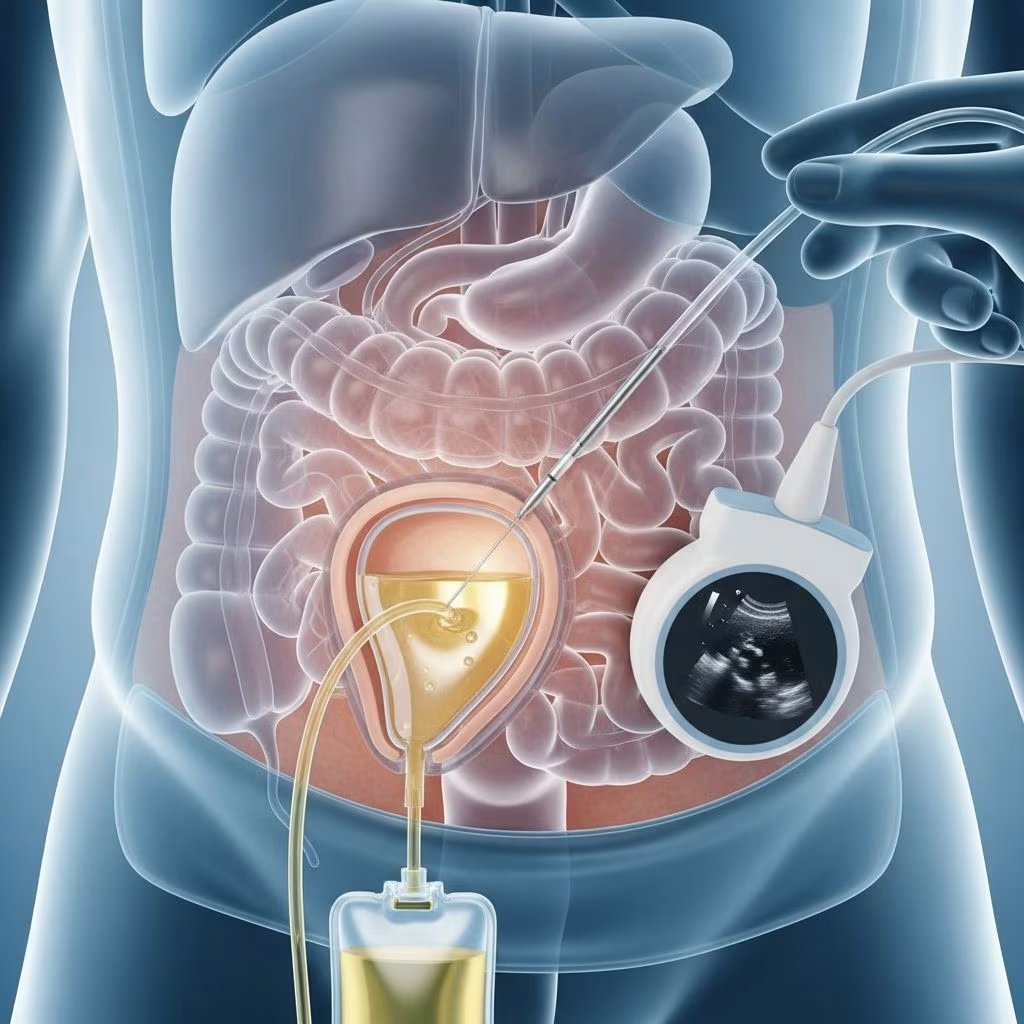
Understanding Abdominocentesis
Abdominocentesis, also referred to as paracentesis or peritoneocentesis, is a minimally invasive medical procedure designed to remove excess fluid from the abdominal cavity. The term originates from Greek terminology, with “abdomen” referring to the belly and “centesis” meaning to puncture or pierce. This procedure has become an essential diagnostic and therapeutic tool in modern medicine, particularly for patients experiencing abnormal fluid accumulation within the peritoneal cavity.
The procedure involves the insertion of a specialized needle or catheter through the abdominal wall to access the peritoneal space where fluid has accumulated. This fluid accumulation, known as ascites, can result from numerous underlying medical conditions ranging from liver disease to malignancies. Healthcare providers utilize abdominocentesis both to diagnose the underlying cause of ascites and to provide therapeutic relief from uncomfortable abdominal pressure and distension.
What is Ascites?
Ascites refers to the abnormal accumulation of fluid within the peritoneal cavity—the space between the two layers of the peritoneum, a membrane that lines the abdominal organs including the liver, stomach, kidneys, and intestines. While a small amount of peritoneal fluid normally exists to allow organs to move freely, ascites develops when excessive fluid collects in this space, often causing visible abdominal distension and significant discomfort.
Several underlying conditions can precipitate ascites development. Portal hypertension, commonly associated with cirrhosis and chronic liver disease, represents the most frequent cause in developed nations. Other causes include malignancy (particularly peritoneal mesothelioma and metastatic cancer), heart failure, kidney disease, malnutrition, and infections such as peritonitis or tuberculosis. The specific cause of ascites guides treatment decisions and determines whether diagnostic or therapeutic abdominocentesis is most appropriate.
Indications for Abdominocentesis
Healthcare providers recommend abdominocentesis for both diagnostic and therapeutic purposes, depending on the clinical situation and patient presentation.
Diagnostic Indications
Diagnostic abdominocentesis is performed to determine the underlying cause of ascites and rule out serious complications. Specific diagnostic indications include:
- Evaluating new-onset ascites to establish the underlying etiology
- Diagnosing spontaneous bacterial peritonitis (SBP) in patients presenting with fever, abdominal pain, or signs of infection
- Identifying metastatic cancer or malignant ascites
- Detecting infection, including abdominal tuberculosis or other peritoneal infections
- Assessing for blood in the peritoneal cavity following abdominal trauma
- Differentiating between portal hypertensive and non-portal hypertensive causes of ascites
Therapeutic Indications
Therapeutic abdominocentesis aims to relieve symptoms and improve quality of life for patients with ascites. Therapeutic indications include:
- Relieving abdominal pressure, pain, and distension causing patient discomfort
- Improving breathing difficulty (dyspnea) caused by upward pressure on the diaphragm
- Treating ascites that has become refractory to medical management, including diuretics and sodium restriction
- Removing fluid to allow better tolerance of other medical treatments
Pre-Procedure Preparation
Proper preparation ensures the procedure proceeds smoothly and safely. Patients should follow specific guidelines prior to their scheduled abdominocentesis.
Patients are typically instructed to empty their bladder immediately before the procedure, or a urinary catheter (Foley catheter) may be inserted to ensure complete bladder drainage. An empty bladder reduces the risk of accidental puncture during needle insertion. Patients should inform their healthcare provider about all current medications, particularly blood thinners such as warfarin or aspirin, as these may need temporary adjustment to reduce bleeding risk.
Baseline vital signs are recorded, and the patient’s abdomen is examined to assess fluid distribution and identify the optimal puncture site. The healthcare provider may order ultrasound imaging before the procedure to precisely locate the fluid collection and identify the safest insertion point, particularly important in patients with loculated ascites or previous abdominal surgery.
The Abdominocentesis Procedure
Patient Positioning
The patient is positioned supine (lying on their back) with the head elevated at 45 to 60 degrees, known as Fowler’s position. This positioning allows gravity to move ascitic fluid toward the lower abdomen and pelvis, creating a deeper fluid pocket and improving needle access. The elevated head position also enhances patient comfort and respiratory function during the procedure. In some cases, a wedge or pillow may be placed under one side of the body to mobilize fluid toward a dependent quadrant.
Site Selection and Preparation
The healthcare provider selects the puncture site carefully, typically in the left lower quadrant of the abdomen. This location is preferred because it features a thinner abdominal wall and greater likelihood of containing fluid. The selected area is cleansed thoroughly with an antiseptic solution such as chlorhexidine or povidone-iodine to eliminate surface bacteria and reduce infection risk.
Local Anesthesia Administration
A local anesthetic is infiltrated into the skin and subcutaneous tissues at the puncture site. This numbs the area and minimizes discomfort during needle insertion. The anesthetic typically takes several minutes to achieve full effect, allowing time for the medication to diffuse through the tissue layers.
Needle Insertion and Fluid Drainage
Under sterile technique, a large-bore needle with a plastic sheath is inserted through the abdominal wall into the peritoneal cavity. The needle typically measures 2 to 5 centimeters in length. For enhanced safety and accuracy, many practitioners utilize ultrasound guidance to visualize needle advancement in real-time and confirm proper positioning within the fluid collection. Once the needle reaches the ascitic fluid, a syringe or drainage tubing is attached to collect or drain the fluid.
The amount of fluid removed depends on the procedure’s purpose. For diagnostic procedures, small fluid samples (typically 20 to 50 milliliters) are collected for laboratory analysis. For therapeutic procedures aimed at symptom relief, larger volumes (ranging from 1 to several liters) may be drained. The typical procedure duration ranges from 20 to 45 minutes, though this varies based on fluid volume and drainage rate.
Catheter Placement for Ongoing Drainage
In cases where patients have rapidly re-accumulating ascites or require extended drainage, the healthcare provider may leave a tunneled peritoneal drainage catheter in place. This specialized catheter has one end positioned within the peritoneal cavity and tunnels through the abdominal wall, with the external end connected to a drainage bag. This setup allows patients to return home while fluid continues draining gradually, reducing the need for repeated procedures and improving quality of life.
Procedure Completion
Once adequate fluid has been obtained or drained, the needle is carefully withdrawn. The puncture site is cleaned and covered with a sterile bandage. Small puncture sites typically close naturally; however, larger openings may require suturing to ensure proper closure and healing.
Laboratory Analysis of Ascitic Fluid
When abdominocentesis is performed for diagnostic purposes, the collected fluid undergoes comprehensive laboratory analysis to identify the underlying cause of ascites. Standard testing includes:
- Cell counts: Red and white blood cell counts help identify infection, malignancy, or hemorrhage
- Albumin concentration: Used to calculate the serum-ascitic albumin gradient (SAAG), which helps differentiate portal hypertensive from non-portal hypertensive causes
- Total protein: Helps classify ascites as transudative or exudative
- Bacterial culture: Identifies bacterial infections including spontaneous bacterial peritonitis
- Cytology: Microscopic examination to detect malignant cells
- Glucose and lactate dehydrogenase (LDH): May indicate infection or malignancy
- Amylase: Elevated levels may suggest pancreatic pathology
Post-Procedure Care and Recovery
Recovery following abdominocentesis is typically rapid and uncomplicated. Most patients experience minimal discomfort after the procedure and can resume normal activities within 24 hours. Vital signs are monitored for a brief period following the procedure to ensure stability.
Patients are advised to keep the puncture site clean and dry for at least 24 hours. The bandage should remain in place until the site is fully healed. Most patients can eat and drink normally immediately after the procedure unless otherwise instructed by their healthcare provider.
It is important for patients to contact their healthcare provider immediately if they experience any concerning symptoms during recovery, including fever, persistent abdominal pain beyond mild soreness, increasing redness or drainage from the puncture site, persistent nausea or vomiting, or signs of infection.
Potential Complications
While abdominocentesis is generally considered a safe procedure, potential complications can occur. Patients should be aware of these risks:
- Infection: Peritonitis or localized infection at the puncture site can develop if sterile technique is compromised
- Bleeding: Puncture of blood vessels can cause abdominal bleeding, particularly in patients with coagulopathy or thrombocytopenia
- Organ perforation: The needle may inadvertently puncture bowel, bladder, or other abdominal organs
- Fluid leakage: Ascitic fluid may leak through the puncture site into surrounding tissues
- Electrolyte imbalance: Removal of large fluid volumes can affect electrolyte balance and kidney function
- Hypotension: Rapid fluid removal can cause a temporary drop in blood pressure
Ultrasound-guided abdominocentesis significantly reduces complication rates compared to landmark-based techniques, as real-time visualization allows the provider to avoid major blood vessels and organs.
Advantages of Abdominocentesis
Abdominocentesis offers numerous clinical benefits for patients with ascites:
- Provides definitive diagnostic information regarding the underlying cause of ascites
- Offers immediate symptomatic relief from abdominal pressure and discomfort
- Minimally invasive with rapid recovery and minimal complications
- Can be performed as an outpatient procedure
- Improves patient mobility and respiratory function
- Allows identification of serious complications such as spontaneous bacterial peritonitis
- Guides treatment decisions and helps optimize therapy
Frequently Asked Questions
Q: How long does the abdominocentesis procedure take?
A: The procedure typically takes between 20 to 45 minutes, depending on the volume of fluid being removed and technical factors such as fluid loculation or difficult anatomy.
Q: Is abdominocentesis painful?
A: No, the procedure should not be painful. Local anesthesia numbs the puncture site, and most patients experience only mild discomfort or pressure sensation during the procedure.
Q: Can I eat before abdominocentesis?
A: You should follow your healthcare provider’s specific instructions. Generally, light meals are acceptable, but avoid heavy meals immediately before the procedure.
Q: How quickly does fluid re-accumulate after abdominocentesis?
A: This varies significantly depending on the underlying cause of ascites. Some patients may not have re-accumulation for weeks or months, while others with rapidly progressive disease may require repeated procedures.
Q: Are there alternatives to abdominocentesis?
A: Conservative management with diuretics and sodium restriction is often attempted first. However, when these measures fail or rapid symptom relief is needed, abdominocentesis is the most effective option.
Q: Can I drive after the procedure?
A: Most patients can drive after abdominocentesis, though it is advisable to have someone accompany you home as a precaution, particularly if sedation was used.
Q: What should I do if the puncture site becomes infected?
A: Contact your healthcare provider immediately if you notice increasing redness, warmth, drainage, or fever. These may indicate infection requiring antibiotic treatment.
References
- Paracentesis — National Center for Biotechnology Information (NCBI), National Institutes of Health. 2024. https://www.ncbi.nlm.nih.gov/books/NBK435998/
- Paracentesis: What It Is, Procedure & Complications — Cleveland Clinic. 2024. https://my.clevelandclinic.org/health/procedures/paracentesis
- Paracentesis — Wikipedia. Last updated 2024. https://en.wikipedia.org/wiki/Paracentesis
- Abdominal Paracentesis — Mesothelioma Hub. 2024. https://mesotheliomahub.com/treatment/surgery/paracentesis/
- Ascitic Tap — InsideRadiology, Australian Society of Radiology. 2024. https://www.insideradiology.com.au/ascitic-tap/



