9 Ways Cats And Dogs Are Different: Key Insights For Pet Owners
Discover the key differences between cats and dogs to better understand your pet's needs.
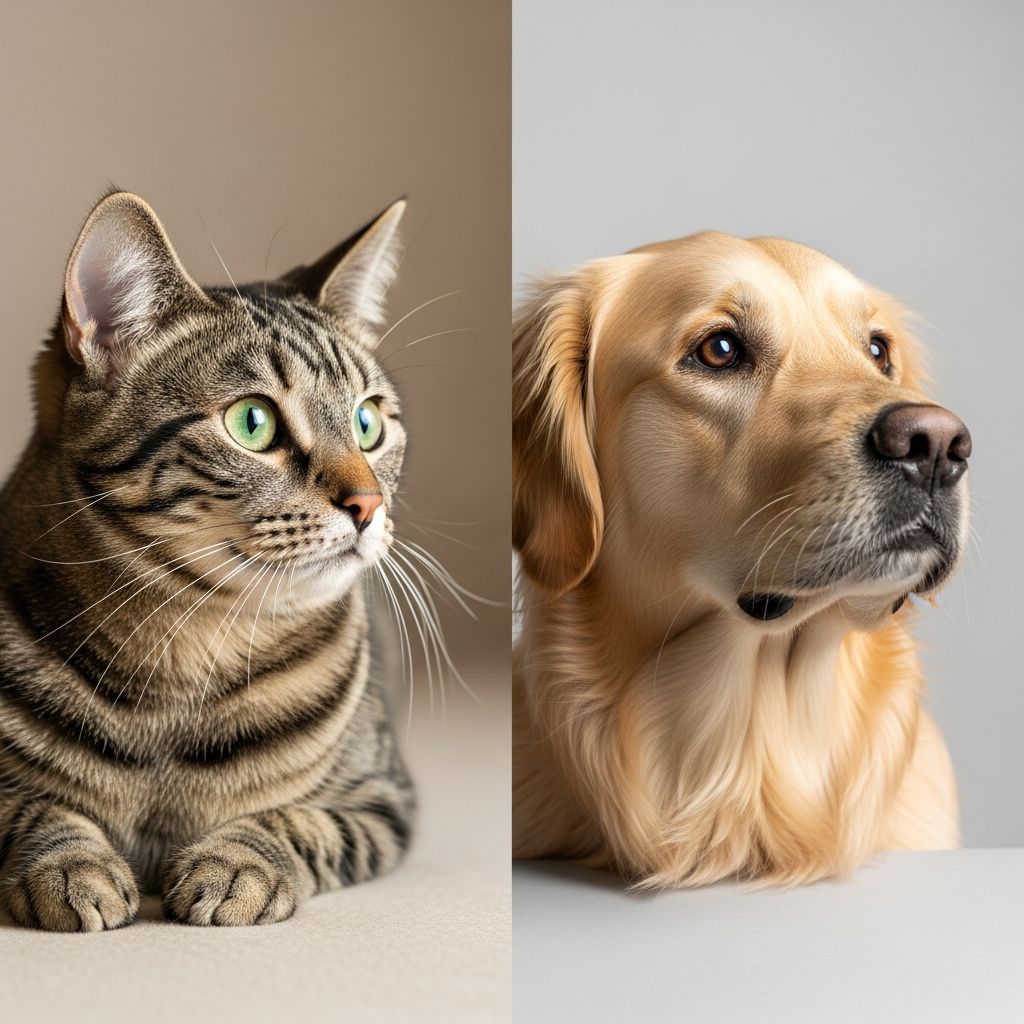
9 Ways Cats and Dogs Are Different
Cats and dogs are among the most popular pets worldwide, yet they are fundamentally different animals with distinct needs, behaviors, and characteristics. While many pet owners cherish both species, understanding their differences is crucial for providing appropriate care, training, and enrichment. Whether you’re a first-time pet owner or an experienced animal enthusiast, recognizing these differences will help you better meet your pet’s physical and emotional needs.
1. Dietary Requirements and Nutritional Needs
One of the most significant differences between cats and dogs lies in their dietary requirements. Dogs are omnivores and can thrive on a varied diet that includes both plant-based and animal-based proteins. In fact, dogs can maintain good health on a well-balanced vegetarian diet, provided it contains all necessary amino acids and nutrients. This flexibility makes feeding dogs relatively straightforward, as they can consume many human foods safely and benefit from diverse nutritional sources.
Cats, on the other hand, are obligate carnivores, meaning they require meat to survive and cannot be vegetarians. Cats need specific amino acids, particularly taurine, which is found primarily in animal tissue. Without adequate taurine, cats can develop serious health problems, including heart disease and vision issues. This fundamental dietary difference means that cat owners must be more selective about their pet’s food choices, ensuring that all meals contain appropriate animal-based proteins.
2. Distinct Communication Methods
Communication is another area where cats and dogs differ dramatically. Dogs primarily use barking, body language, and physical proximity to communicate with humans and other animals. They are pack animals by nature and rely on clear, audible signals to establish hierarchy and express their emotions. Dog barking can indicate excitement, alerting their owners to danger, seeking attention, or expressing anxiety.
Cats communicate through a more subtle and diverse range of signals. In addition to meowing—which adult cats primarily reserve for human communication—cats use purring to express contentment and as a territorial gesture. Cats also communicate through body language, including tail position, ear orientation, and whisker placement. A cat’s tail held high typically indicates confidence, while a puffed-up tail suggests fear or aggression. Cats may also use head bunting, slow blinks, and chirping sounds to convey different messages.
3. Thermoregulation and Panting Differences
Dogs and cats regulate their body temperature in different ways. Dogs rely heavily on panting to cool themselves down, as they have limited sweat glands located primarily on their paw pads. When a dog becomes overheated, panting allows them to expel heat through their respiratory system. This is why dogs often appear to be breathing heavily after exercise or on warm days.
Cats, conversely, do not pant like dogs. Instead, they rely on grooming and seeking cool environments to regulate their body temperature. Cats have more efficient cooling mechanisms through their skin and coat, and they spend significant time grooming themselves, which aids in temperature regulation. When cats do pant, it may indicate stress, illness, or overheating and should be addressed promptly by a veterinarian.
4. Social Structure and Pack Behavior
Dogs are inherently social animals that evolved from wolves and maintained their pack mentality. They naturally seek companionship, establish hierarchies within their groups, and thrive on interaction with other dogs and humans. This social nature makes dogs eager to please, responsive to training, and enthusiastic about spending time with their families. Dogs view their human families as part of their pack and often display loyalty and protective behaviors toward family members.
Cats are generally solitary animals, though they can form bonds with humans and other cats when properly socialized. Unlike dogs, cats do not have the same inherent need for pack structure and can be content living independently. However, this does not mean cats are aloof or uncaring. Research shows that cats form deep attachments to their owners and can experience separation anxiety. Cats simply express their affection differently than dogs, often showing love through subtle gestures like slow blinks, head bunting, and purring.
5. Activity Patterns and Sleep Cycles
Dogs are primarily diurnal animals, meaning they are active during the day and sleep at night, similar to humans. This alignment with human schedules makes dogs convenient companions for many households. Dogs are generally eager to go for walks, play fetch, and engage in activities during daylight hours.
Cats are crepuscular, meaning they are most active during dawn and dusk, and less active during midday and nighttime hours. This natural activity pattern can sometimes create challenges for cat owners, as cats may be ready to play or hunt during the early morning hours when their humans are sleeping. Understanding this biological difference helps pet owners provide appropriate playtime and enrichment activities that align with their cat’s natural rhythms.
6. Training Responsiveness and Learning Motivation
Dogs are highly responsive to training and motivation. Their pack mentality makes them eager to please their owners, and they can be trained using positive reinforcement, consistency, and patience. Dogs quickly learn commands, house rules, and behavioral expectations. Their natural desire to be part of their family structure makes them excellent candidates for obedience training, trick training, and service work.
Cats approach training differently. While cats are intelligent and capable of learning, they are motivated by different factors than dogs. Cats respond better to training when they perceive the activity as their own idea or when they receive rewards they genuinely desire, such as specific treats or play opportunities. Cats are less motivated by a desire to please their owners and more motivated by personal benefit. This does not mean cats cannot be trained, but it requires understanding their individual preferences and using appropriate motivation strategies.
7. Territorial Behavior and Marking
Both cats and dogs are territorial animals, but they display and defend their territory in different ways. Dogs mark territory through urine marking and may bark to alert others that an area belongs to their pack. When cats enter a dog’s territory, the dog may become defensive or aggressive, depending on their temperament and socialization.
Cats mark territory primarily through scent glands located on their face, body, and paws. They may also spray urine to establish territorial boundaries, particularly if they feel threatened or stressed. Interestingly, cats may purr as a territorial gesture when another cat enters their space, signaling peaceful intentions rather than aggression. Cats may also use head grooming rituals with other cats to establish social bonds within shared territories.
8. Health Considerations and Common Issues
Cats and dogs are susceptible to different health conditions. Dogs are prone to hip dysplasia, certain cancers, ear infections, and obesity. They require regular exercise to maintain healthy weight and cardiovascular function. Dogs also benefit from dental care and regular veterinary check-ups to prevent common issues.
Cats face different health challenges, including kidney disease, hyperthyroidism, diabetes, and lower urinary tract disease. Cats require indoor environments to protect them from accidents, diseases, and predators. Indoor cats need appropriate enrichment and exercise opportunities to prevent obesity and behavioral problems. The specific health considerations for each species require tailored preventive care and veterinary attention.
9. Independence vs. Dependency
Perhaps the most recognized difference between cats and dogs is their approach to independence versus dependency. Dogs are highly dependent on their owners for companionship, guidance, entertainment, and care. They suffer when left alone for extended periods and may develop separation anxiety. Dogs require regular interaction, exercise, and mental stimulation to remain happy and well-adjusted.
Cats are more independent and can tolerate longer periods alone than dogs. They can entertain themselves, use litter boxes without assistance, and groom themselves. However, research demonstrates that cats also experience separation anxiety and require enrichment and attention from their owners. The difference is that cats express their need for company more subtly and can manage brief absences better than dogs.
Understanding Individual Personality
While these differences provide a general framework for understanding cats and dogs, it’s important to remember that individual personality plays a significant role. Just as humans have unique characteristics, so do cats and dogs. Some dogs are less social than others, and some cats are more demanding of attention. Breed characteristics also influence behavior, but individual temperament and early socialization experiences shape each pet’s personality.
Frequently Asked Questions
Q: Can cats and dogs live together peacefully?
A: Yes, cats and dogs can coexist peacefully when they are properly introduced, socialized early, and given their own spaces. Success depends on individual personalities, breed characteristics, and careful management by their owners.
Q: Why do cats meow but dogs bark?
A: Adult cats primarily use meowing to communicate with humans, as meowing is not their natural communication method with other cats. Dogs bark as part of their pack communication and territorial behavior, which differs fundamentally from feline communication styles.
Q: Do cats need the same amount of exercise as dogs?
A: Cats need enrichment and exercise, but their activity patterns differ from dogs. Cats are crepuscular and may prefer shorter bursts of activity, while dogs often need longer, structured exercise sessions during the day.
Q: Can I feed my cat a dog food diet?
A: No, cats should not be fed dog food long-term. Cats require specific nutrients, particularly taurine, which is essential for their health and not adequate in most dog foods designed for omnivores.
Q: How can I tell if my cat is stressed or anxious?
A: Signs of stress in cats include hiding, changes in eating or litter box habits, excessive grooming, aggression, or unusual vocalizations. If your cat acts strangely after you return from vacation, they may be experiencing separation anxiety.
Key Takeaways
Understanding the differences between cats and dogs is essential for any pet owner. From their dietary requirements to their communication styles and social behaviors, these two species have evolved differently and have distinct needs. Dogs thrive on companionship, structure, and regular interaction with their families, while cats are more independent but still require enrichment and attention. Neither species is inherently superior—they are simply different, and recognizing these differences allows us to provide better care and build stronger bonds with our feline and canine companions. By respecting each animal’s unique nature and needs, we create happier, healthier pets and more fulfilling relationships with the animals we love.
References
- Why Do Cats Purr? Here’s What The Experts Say — Chewy Education. Accessed November 2025. https://www.chewy.com/education/cat/training-and-behavior/behavior-pet-facts-why-do-cats-purr
- Why Is My Cat Acting Strange After I Come Home From Vacation? — Chewy Education. Accessed November 2025. https://www.chewy.com/education/cat/training-and-behavior/why-is-my-cat-acting-strange-after-i-come-home-from-vacation
- Why Do Cats Meow? — Chewy Education — Chewy Education. Accessed November 2025. https://www.chewy.com/education/cat/training-and-behavior/why-do-cats-meow
- Cat Tail Language: 10 Secret Messages Your Cat Is Sending You — Chewy Education. Accessed November 2025. https://www.chewy.com/education/cat/training-and-behavior/cat-tail-language-what-your-cats-tail-says-about-her-mood
- Does My Dog Love Me? 7 Signs That Your Pup’s a Fan — Chewy Education. Accessed November 2025. https://www.chewy.com/education/dog/training-and-behavior/does-my-dog-love-me-2
- A Pet Parents’ Guide to First Aid for Dogs and Cats — Chewy Education. Accessed November 2025. https://www.chewy.com/education/dog/health-and-wellness/first-aid-for-dogs-cats
Similar Articles








Read full bio of Sneha Tete