

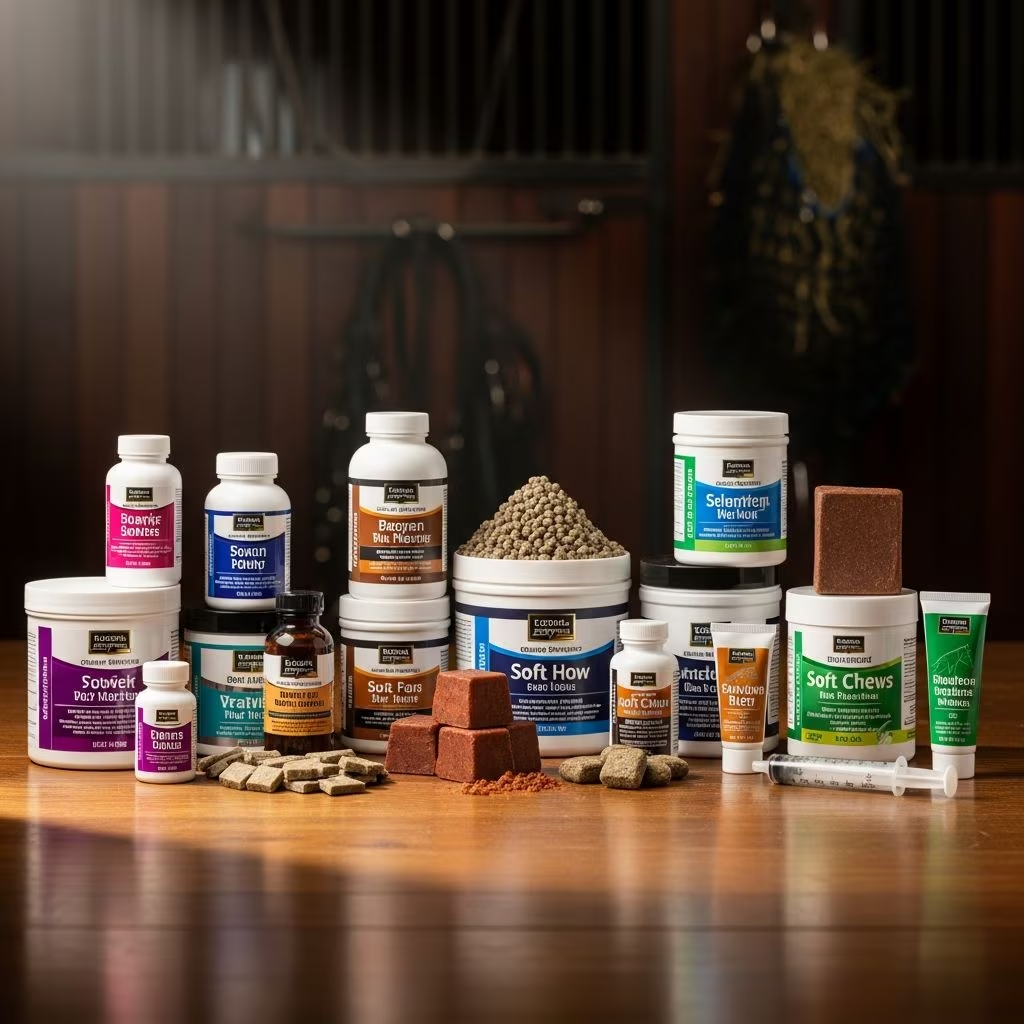
Understanding Horse Supplements and Their Importance
Horse supplements play a vital role in maintaining optimal health and performance in equine animals. These concentrated formulations come in various forms including powders, pellets, pastes, and liquids, each containing specific ingredients tailored to address individual horse needs. Whether your horse requires joint support, improved hoof quality, weight management, or enhanced coat condition, understanding the different types of supplements available can help you make informed decisions about your horse’s nutritional care. This comprehensive guide explores nine essential categories of horse supplements and their specific functions.
1. Joint Care Supplements
Joint health is crucial for horses of all ages and activity levels, particularly those engaged in athletic pursuits or senior equines experiencing age-related joint concerns. Joint care supplements are formulated to support cartilage health, reduce inflammation, and maintain mobility and flexibility in your horse’s joints.
Key Ingredients in Joint Supplements:
– Glucosamine: Supports cartilage formation and joint structure- Chondroitin sulfate: Helps maintain cartilage integrity and reduces cartilage breakdown- Hyaluronic acid: Provides lubrication for joints and supports synovial fluid production- MSM (Methylsulfonylmethane): Supports connective tissue and reduces inflammation- ASU (Avocado/Soybean Unsaponifiables): Helps maintain joint health and mobility- Yucca and devil’s claw: Natural anti-inflammatory ingredients- Vitamin C, ester C, collagen, and silica: Support collagen formation and joint structure
These supplements are particularly beneficial for performance horses, senior horses, and those recovering from joint stress or injury. Many horse owners report improved comfort and enhanced movement after incorporating joint supplements into their horses’ daily routines.
2. Hoof Care Supplements
Hoof health represents one of the most popular categories among horse owners seeking to improve their horses’ overall wellness. Horses with brittle, shelly feet that tend to chip or lose shoes frequently may benefit significantly from hoof care supplements designed to strengthen hoof structure and improve overall hoof quality.
Timeline for Results: Most hoof care supplements require consistent use for 6-12 months before noticeable improvement appears, as this timeline allows the hoof to grow out and demonstrate the benefits of improved nutrition.
Essential Hoof Supplement Ingredients:
– Biotin (Vitamin B7): The single most important vitamin for hoof health and strength- Lysine and methionine: Essential amino acids that support keratin formation- Threonine: Supports protein synthesis in hoof tissue- Zinc and copper: Minerals essential for hoof structure and integrity- Cobalt: Supports overall mineral balance- MSM: Contributes to connective tissue health in hooves- Omega-3 and omega-6 fatty acids: Support hoof health and overall coat condition
These supplements help address dietary deficiencies that often lead to poor hoof quality. Consistent supplementation, combined with proper farrier care and nutrition, can result in stronger, more resilient hooves that are less prone to chipping, cracking, and shoe loss.
3. Weight Gain Supplements
For horses classified as “hard keepers”—those with difficulty maintaining or gaining weight despite adequate forage intake—weight-building supplements provide concentrated calories in easily digestible forms. These supplements become particularly valuable when your veterinarian has ruled out underlying health issues.
Formulation Strategy: Weight gain supplements are formulated with high fat content to provide extremely concentrated calories, enabling horses to gain weight without consuming excessive forage volumes.
Common Weight Gain Supplement Ingredients:
– Vegetable fats and oils: Provide concentrated calories (9 calories per gram versus 4 per gram for carbohydrates)- Amino acids: Support muscle development alongside weight gain- Rice bran: Offers fat content and is highly palatable to horses- Flax meal: Provides omega fatty acids and additional calories
These supplements work synergistically with quality forage and grain to help hard keepers achieve and maintain healthy body condition scores. The high fat content not only supports weight gain but also contributes to improved coat quality and shine.
4. Skin and Coat Supplements
Skin and coat supplements enhance the appearance and health of your horse’s external integument, promoting glossy coats, healthy skin, and overall aesthetic appeal. Many of these supplements overlap with weight-building formulations but are typically fed in smaller quantities to target coat quality specifically.
Optimal Ingredients for Skin and Coat Health:
– Rice bran and flax seed: Provide essential fatty acids for coat shine- Chia seed: Offers omega-3 and omega-6 fatty acids- Soybean meal: Provides protein and fatty acids- Amino acids: Support hair and skin protein synthesis- Zinc and vitamin E: Support skin health and immune function- Biotin: Promotes healthy hair and skin growth- Yeast: Supports digestive health and skin condition
High-quality skin and coat supplements often contain multiple fat sources and micronutrients that work together to produce visible improvements in coat luster, skin condition, and overall appearance. These supplements are popular among show horses, breeding stock, and any horse owner seeking to maintain their animal’s optimal appearance.
5. Digestive and Gastric Supplements
Digestive health is foundational to overall equine wellness, as horses’ unique digestive systems require specific nutritional support. Gastric and digestive supplements address common issues including ulcers, digestive upset, and poor nutrient absorption.
Digestive Support Ingredients:
– Antacids: Help neutralize stomach acid and provide relief- Soluble fiber: Supports healthy digestion and gut function- L-glutamine: Amino acid supporting gut lining health- Collagen: Supports gastrointestinal tract integrity- Aloe: Natural soothing agent for the digestive tract- Sea buckthorn: Contains compounds supporting mucous membrane health- Licorice: Traditional herb supporting digestive comfort
These supplements prove particularly valuable for horses experiencing stress-related digestive issues, those in intense training, or horses with a history of gastric ulcers. Consistent use can improve feed efficiency, nutrient absorption, and overall digestive comfort.
6. Vitamin E Supplements
Vitamin E deficiency represents a common nutritional concern in horses, particularly those whose primary forage component consists of hay rather than fresh grass, or those engaged in intense training programs requiring elevated antioxidant support.
Health Concerns Associated with Vitamin E Deficiency:
– Equine Myofascial Disease (EMND)- Muscle weakness or muscle loss- Neurologic problems- Reduced immune function
Vitamin E supplementation proves especially critical for performance horses and those receiving primarily hay-based diets lacking fresh pasture access. Some formulations combine vitamin E with selenium, another common deficiency in horses, providing complementary nutritional support for muscle health and immune function.
7. Micronutrient and Mineral Supplements
Comprehensive micronutrient and mineral supplements ensure horses receive balanced quantities of essential trace minerals and vitamins that may be deficient in their primary diet. These balanced formulations support multiple body systems including bone health, immune function, and metabolic processes.
Important Minerals and Vitamins in Micronutrient Supplements:
– Selenium: Works with vitamin E for antioxidant protection- Zinc: Supports immune function and skin health- Copper: Essential for bone health and connective tissue- Manganese: Supports cartilage and bone formation- Cobalt: Supports B-vitamin synthesis- Organic trace minerals: Highly bioavailable mineral forms- B-vitamins: Support energy metabolism and nervous system function
These supplements prove particularly valuable for horses consuming grass hay or grain mixes that may not provide adequate mineral balance. Micronutrient supplements help prevent deficiency-related health issues and support optimal metabolic function.
8. Performance and Muscle Supplements
Horses engaged in athletic competition or intense training benefit from performance-focused supplements designed to support muscle development, energy metabolism, and recovery. These formulations typically emphasize amino acids and energy-supporting nutrients.
Performance Supplement Components:
– Lysine and essential amino acids: Support muscle protein synthesis- Rice bran oil: Provides concentrated energy- Acetyl-L-Carnitine: Supports energy metabolism and muscle function- Antioxidants: Support recovery and reduce exercise-induced stress
Performance supplements help competitive and athletic horses maintain lean muscle mass, support recovery from intense exercise, and optimize energy availability during training and competition.
9. Specialized Supplements for Metabolic Concerns
Horses with specific metabolic conditions such as insulin resistance (IR) or pituitary pars intermedia dysfunction (PPID) require specialized supplement formulations designed to support their unique nutritional needs while managing iron levels and supporting metabolic health.
Metabolic Support Ingredients:
– Balanced mineral and vitamin ratios: Optimized for metabolic support- Organic trace minerals: Enhanced bioavailability for compromised metabolism- Low NSC (non-structural carbohydrate) formulations: Support blood sugar management- Supporting nutrients for PPID management
These specialized supplements address the unique challenges metabolic horses face, helping owners manage their horses’ conditions through targeted nutritional support.
Choosing the Right Supplement for Your Horse
Selecting appropriate supplements requires considering your horse’s individual needs, age, activity level, current diet, and any specific health concerns. Consulting with your veterinarian before introducing new supplements ensures recommendations align with your horse’s complete health profile and current medications or treatments. Consider the supplement’s ingredient quality, the horse’s palatability preferences, and the delivery method that works best for your management situation.
Frequently Asked Questions About Horse Supplements
Q: How long does it take to see results from horse supplements?
A: Timeline varies by supplement type. Joint supplements may show benefits within 4-8 weeks, while hoof supplements require 6-12 months for noticeable improvement as the hoof grows out. Coat and skin supplements often show visible results within 6-8 weeks.
Q: Can I give my horse multiple supplements simultaneously?
A: Yes, but ensure careful ingredient management to avoid excessive mineral or vitamin levels. Many horses benefit from combining joint, hoof, and coat supplements for comprehensive health support. Always consult your veterinarian when combining multiple formulations.
Q: Are natural ingredients in supplements more effective than synthetic versions?
A: Effectiveness depends on bioavailability and formulation quality rather than natural versus synthetic origin. Many high-quality supplements use both natural and synthesized ingredients for optimal results.
Q: How should I store horse supplements?
A: Store supplements in cool, dry locations away from direct sunlight. Keep powdered supplements sealed tightly to maintain freshness. Check expiration dates and follow manufacturer storage recommendations for optimal potency.
Q: Can I stop giving supplements once my horse improves?
A: This depends on the supplement type and your horse’s condition. Joint and hoof supplements may require ongoing use for maintenance. Discuss long-term supplementation plans with your veterinarian to ensure continued benefits.
References
- 9 Types of Horse Supplements and Their Functions — Chewy. 2025. https://www.chewy.com/education/horse/feed-and-nutrition/9-types-of-horse-supplements
- Horse Supplements: Your Guide to Equine Supplement Care — PetMD. https://www.petmd.com/horse/horse-supplements-your-guide-equine-supplement-care
- List of Supplements for Horses | Equine Feed Database — Mad Barn. https://madbarn.com/feed-types/supplement/
- Guide to Equine Feed Supplements: Types, Benefits, and Usage — Equus Magazine. 2023-07-20. https://mynewhorse.equusmagazine.com/2023/07/20/guide-to-equine-feed-supplements-types-benefits-and-usage/
- Providing your horse vitamins and minerals — University of Minnesota Extension. https://extension.umn.edu/horse-nutrition/feeding-your-horse-ration-balancer
- Supplements and Your Horse: Navigating Needs, Myths, and Facts — Carrollton Equine. https://carrolltonequine.com/supplements-and-your-horse-navigating-needs-myths-and-facts/
- Horse Supplement Education Articles — SmartPak Equine. https://www.smartpakequine.com/learn-health/horse-supplement-education



