

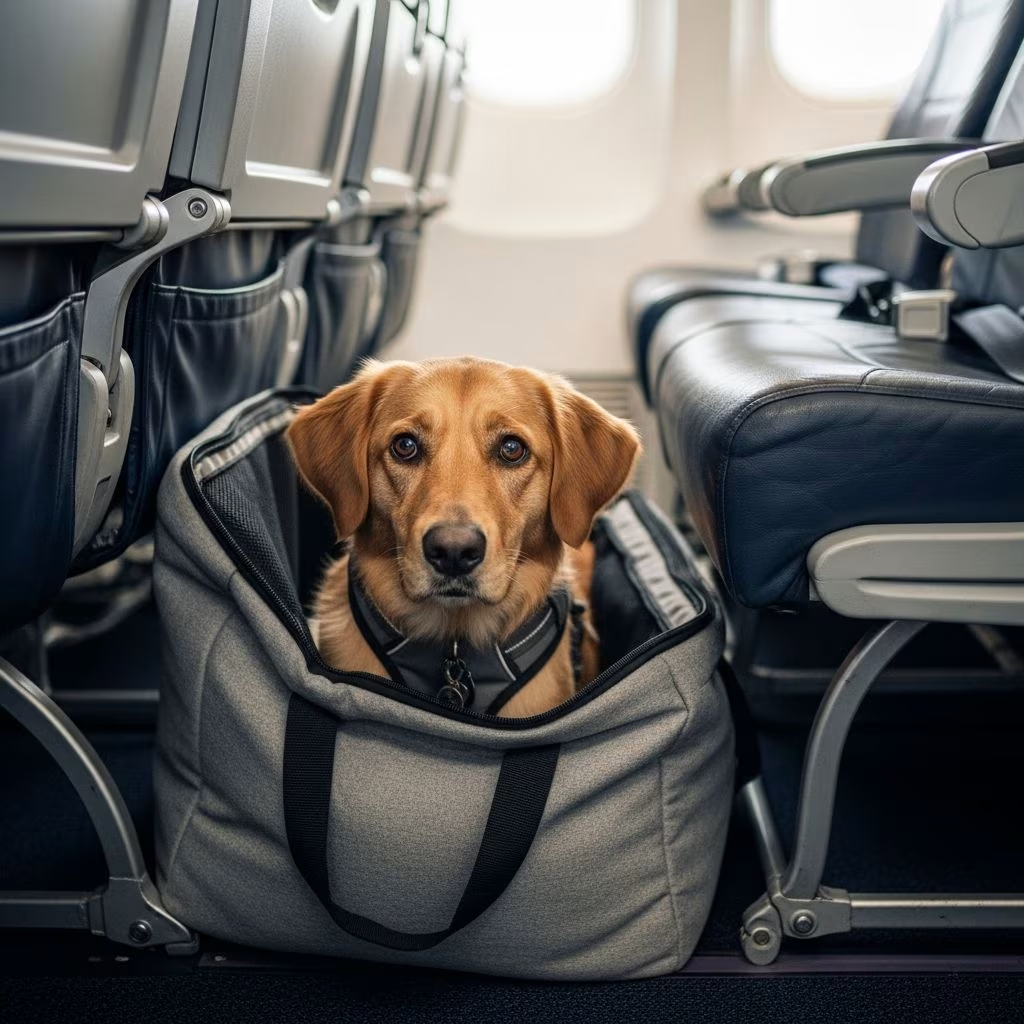
Air travel with your canine companion doesn’t have to be stressful or overwhelming. Whether you’re heading to visit family for the holidays, taking a vacation, or relocating to a new city, flying with your dog is entirely manageable when you’re properly prepared. In this comprehensive guide, we’ll reveal the nine secrets that professional pet travelers and airline experts use to ensure a smooth, comfortable journey for both dogs and their owners.
Prepare for Traveling with a Dog on a Plane
Secret 1: Know the Rules for Flying with a Dog
Before you book a single ticket, understanding your airline’s specific pet policies is absolutely critical. Every airline operates under different regulations, and these rules can significantly impact your travel plans and costs.
Charlie Hobart, public relations manager for United Airlines in Chicago, Illinois, emphasizes the importance of thorough research: “Review all the information in terms of the policies. What you need to do when you get to the airport, what needs to be done when you get on board the aircraft, and most importantly, what you should do to prepare your pet for the travel experience.”
Here’s what you need to know about general airline pet policies:
- Most airlines allow small dogs to travel in-cabin if they fit in an airline-approved carrier that can be stowed under the seat
- Dogs must typically weigh 20 pounds or less, including the carrier
- In-cabin pet fees generally range from $75 to $125, though some airlines charge differently
- Service dogs travel for free and are exempt from pet fees
- Emotional support animals must travel under regular pet policies, not as service animals, per Department of Transportation guidelines updated in August 2019
- Some airlines prohibit cargo pet transport entirely, including Southwest, Allegiant, Frontier, Jet Blue, and Spirit Airlines
- International flights have additional requirements and restrictions that vary by destination country
Take time to contact your specific airline directly. Regulations change frequently, and what was true last year may no longer apply. Ask about their current requirements for carrier dimensions, weight restrictions, health documentation, breed policies, and whether your dog needs a pet reservation in advance.
Secret 2: Book the Right (and Best) Seat
Seat selection plays a more important role in your dog’s comfort than many pet owners realize. Strategic seating can reduce your dog’s anxiety and make the flight more pleasant for you and your fellow passengers.
When booking your flight, request seats near the front of the cabin close to the galley or lavatories. This positioning offers several advantages:
- Less foot traffic and noise compared to mid-cabin or rear seating areas
- Easier access to bathroom facilities if you need to attend to your dog during layovers
- Reduced exposure to the continuous opening and closing of overhead bins
- Generally fewer people passing by, which means less stimulation and stress for your anxious pup
- Additional space to maneuver if needed during the flight
Avoid seats in the very back of the aircraft where engine noise is loudest, and skip middle seats where your dog’s carrier might feel cramped. Window seats can be ideal because you have a barrier from additional foot traffic. Always inform the airline at booking that you’re traveling with a pet so they can note this information and potentially accommodate your seating preferences when available.
Secret 3: Acclimate Your Dog to the Travel Carrier
This secret is perhaps the most crucial for ensuring your dog’s comfort and safety during flight. If your dog has never flown before, gradual carrier acclimation is non-negotiable.
“The most important thing is to acclimate your pet to that on-board experience,” Hobart explains. “They will likely be in that kennel for an extended period of time.” This preparation process should begin weeks before your scheduled flight, not days.
Carrier Acclimation Steps:
- Start by leaving the carrier open in your home with treats and toys inside, allowing your dog to explore voluntarily
- Gradually encourage your dog to spend short periods inside the carrier with the door open
- Progress to closing the door for brief moments while you’re present and nearby
- Take your dog in their airline-approved carrier for several long car drives before the flight
- Practice extended periods in the carrier at home, working up to the flight duration
- Create positive associations by offering treats and praise inside the carrier
- Never force your dog into the carrier or use it as punishment
The carrier itself must meet airline specifications. Most airlines require soft-sided carriers with dimensions around 18x14x8 inches, though these measurements vary by carrier. The carrier must be well-ventilated, leak-proof, and waterproof to contain accidents.
Additional Secrets for a Smooth Flight Experience
Secret 4: Complete All Health and Documentation Requirements
Medical documentation isn’t just bureaucratic hassle—it’s essential for your dog’s safety and your peace of mind while traveling. Airlines and destination countries have specific health requirements that must be satisfied before boarding.
Gather and organize the following documents:
- Current vaccination records, particularly rabies and any other vaccines required by your destination
- Health certificate from your veterinarian (required for international travel and some domestic routes)
- Any relevant medical forms that meet Department of Transportation criteria for service or emotional support animals
- Medications and dosing instructions if your dog requires regular medication
- Microchip information and registration details
- A photo of your dog in case of emergency
- Emergency contact information for veterinarians at both your origin and destination
Schedule a pre-flight veterinary check-up to confirm your dog is healthy enough for air travel. Ask your veterinarian if your dog is considered high-risk for health issues while flying, particularly if your dog is older, overweight, or has respiratory, heart, or joint conditions.
Secret 5: Keep Your Dog Safe at the Airport
The airport environment presents unique challenges and potential dangers for your dog. Proper airport safety protocols protect your pet from getting lost, stressed, or reacting negatively to unfamiliar situations.
Airport Safety Best Practices:
- Keep your dog on-leash or secured in their carrier throughout the entire airport
- Never allow your dog to roam freely, even in designated pet relief areas
- Use designated pet relief areas before security and between flights
- Keep your dog away from crowds and hustle and bustle as much as possible
- Avoid letting strangers pet or interact with your dog, as this can increase stress and anxiety
- Carry hand sanitizer to clean your hands after using pet relief areas and before handling food
- Stay alert to your dog’s stress signals: panting, whining, cowering, or refusing to move
Before your travel date, look up a map online of any airports where you might be spending time with your dog to scope out pet relief areas and plan your route accordingly.
Secret 6: Pack a Comprehensive Pet Travel Bag
Just as you wouldn’t travel without your own essentials, your dog needs a well-stocked travel bag. Professional pet travelers compare this to preparing a diaper bag for a small child—it contains everything needed for your dog’s health, comfort, and hygiene during travel.
Essential Items to Pack:
- Extra collar and leash (in case one gets damaged or lost)
- Dog poop bags and pee pads with cleaning supplies for accidents
- Portable water bowl for hydration between flights and at layovers
- Extra food supply (if your checked luggage gets lost)
- Your dog’s regular food to maintain digestive health
- Regular medications and a first-aid kit
- Favorite toys and bedding to reduce anxiety and provide comfort
- Treats for positive reinforcement and reward
- Vaccination records and health certificates
- Emergency contact information and your dog’s microchip details
- Recent photos of your dog
Pack these items in a dedicated, easily accessible bag so you can quickly locate what you need during layovers or emergencies.
Secret 7: Manage Your Dog’s Exercise and Bathroom Needs
Your dog’s exercise level and bathroom schedules significantly impact their behavior and stress levels during travel. Planning ahead ensures your dog arrives at the airport ready for confinement and experiences fewer accidents.
Before heading to the airport, provide your dog with regular exercise to tire them out appropriately. A well-exercised dog is more likely to remain calm and relaxed in their carrier during the flight. However, avoid excessive exercise immediately before departure, which could cause overheating or stress.
Establish a bathroom routine before security screening and use designated pet relief areas between flights. Some airports have dedicated pet relief parks with artificial grass and waste stations. Research these locations before arriving at the airport so you can plan your timeline accordingly.
Secret 8: Address Airline-Specific Policies and Restrictions
Beyond basic pet policies, airlines maintain carrier-specific rules about size, weight, breed restrictions, and cargo options. Understanding these nuances prevents costly mistakes and ensures smooth boarding.
| Airline | Pet Fee | Permitted Pets | Cargo Option | Max Carrier Size |
|---|---|---|---|---|
| Delta Airlines | $95 domestic / $150 international | Dogs, cats, birds | Yes | 18x11x11″ |
| Allegiant Air | $50 per carrier, per segment | Dogs, cats only | No | 18x14x8″ |
| Frontier Airlines | $99 | Dogs, cats, rabbits, guinea pigs, hamsters, birds | No | Varies |
| Spirit Airlines | $125 | Dogs, cats, birds | No | Varies |
| United Airlines | $150 | Dogs, cats | Limited | Varies |
Additionally, certain brachycephalic breeds—including Pugs, Boxers, Bulldogs, and Boston Terriers—should not fly in the cargo hold because they are at higher risk of breathing issues at altitude. These breeds should only travel in-cabin under your direct supervision.
Secret 9: Prepare for Your Destination
Your responsibilities don’t end when the plane lands. Proper preparation for your arrival ensures your dog transitions smoothly to their new temporary environment.
Before arriving at your destination, research and identify nearby veterinary clinics and emergency animal hospitals. Have their contact information readily available in case your dog becomes ill or injured during your stay. Additionally, look into pet-friendly accommodations, parks, and relief areas near your destination. This planning allows you to maintain your dog’s routine and provide appropriate exercise and bathroom breaks.
Frequently Asked Questions About Flying With Dogs
Q: Can all dog breeds fly on planes?
A: Most airlines allow all breeds in-cabin if they meet size and weight requirements. However, brachycephalic breeds (flat-faced dogs) face restrictions in cargo holds due to breathing difficulties at altitude. Service dogs are exempt from breed restrictions per updated Department of Transportation regulations.
Q: What size dog can fly in the cabin?
A: Generally, your dog and carrier must weigh 20 pounds or less combined, and the carrier must fit completely under the seat in front of you. Specific dimensions vary by airline but typically range from 18x14x8 to 18x11x11 inches. Your dog cannot sit in your lap—they must remain in the carrier for the entire flight.
Q: How much does it cost to fly with a dog?
A: In-cabin pet fees generally range from $50 to $150 per flight segment, depending on the airline. Service dogs fly free. Cargo rates vary significantly and are generally more expensive. Always confirm current fees with your airline before booking.
Q: Do I need a health certificate to fly with my dog domestically?
A: Most domestic flights don’t require health certificates, but you should carry current vaccination records. However, international flights typically require a health certificate from a veterinarian. Always check your specific airline and destination country requirements.
Q: Can emotional support animals fly for free?
A: No. Per Department of Transportation guidelines updated in August 2019, emotional support animals must travel under regular pet policies and pay standard pet fees. Only trained service animals are exempt from pet fees.
Q: How can I help my dog feel less anxious during the flight?
A: Proper carrier acclimation is the most important step. Practice having your dog spend extended time in their carrier before the trip. Exercise your dog before boarding, bring familiar toys and bedding, and consider consulting your veterinarian about calming options if your dog has severe anxiety.
Q: What should I do if my dog has an accident in their carrier?
A: Always pack absorbent pee pads, paper towels, hand sanitizer, and plastic bags. Use designated airport pet relief areas between flights. Some airlines provide guidance on managing accidents—contact them directly for their specific protocols.
Final Thoughts
Flying with your dog requires planning, preparation, and patience, but it’s entirely achievable with these nine secrets. By understanding airline policies, selecting appropriate seating, acclimating your dog to their carrier, managing health documentation, prioritizing airport and flight safety, packing essentials, maintaining exercise and bathroom routines, understanding airline-specific requirements, and preparing for your destination, you set yourself and your furry companion up for a successful journey. Start your preparations weeks in advance, communicate directly with your airline, and trust that you’re doing everything possible to make the experience comfortable and safe for your beloved pet.
References
- Tips to Road Trip with Dog: How to Travel With a Dog by Plane, Train and Automobile — Chewy. 2024. https://www.chewy.com/education/dog/general/tips-to-road-trip-with-dog
- The Complete Airline Pet Policy Guide for U.S. Airlines — Chewy. 2024. https://www.chewy.com/education/dog/general/complete-airline-pet-policy-guide-for-all-u-s-airlines
- How To Travel With a Dog Anywhere, According to Experts — Chewy. 2024. https://www.chewy.com/education/dog/general/how-to-travel-with-a-dog
- 9 Secrets for Traveling With a Dog on a Plane — Chewy. 2024. https://www.chewy.com/education/dog/general/9-secrets-for-traveling-with-a-dog-on-a-plane
- Your Guide to Traveling With a Dog Over the Holidays — Chewy. 2024. https://www.chewy.com/education/dog/pet-parenting/stress-free-tips-traveling-dog-holiday-season
- How To Fly With A Dog or a Cat — Chewy. 2024. https://www.chewy.com/education/dog/general/flying-with-pets



