

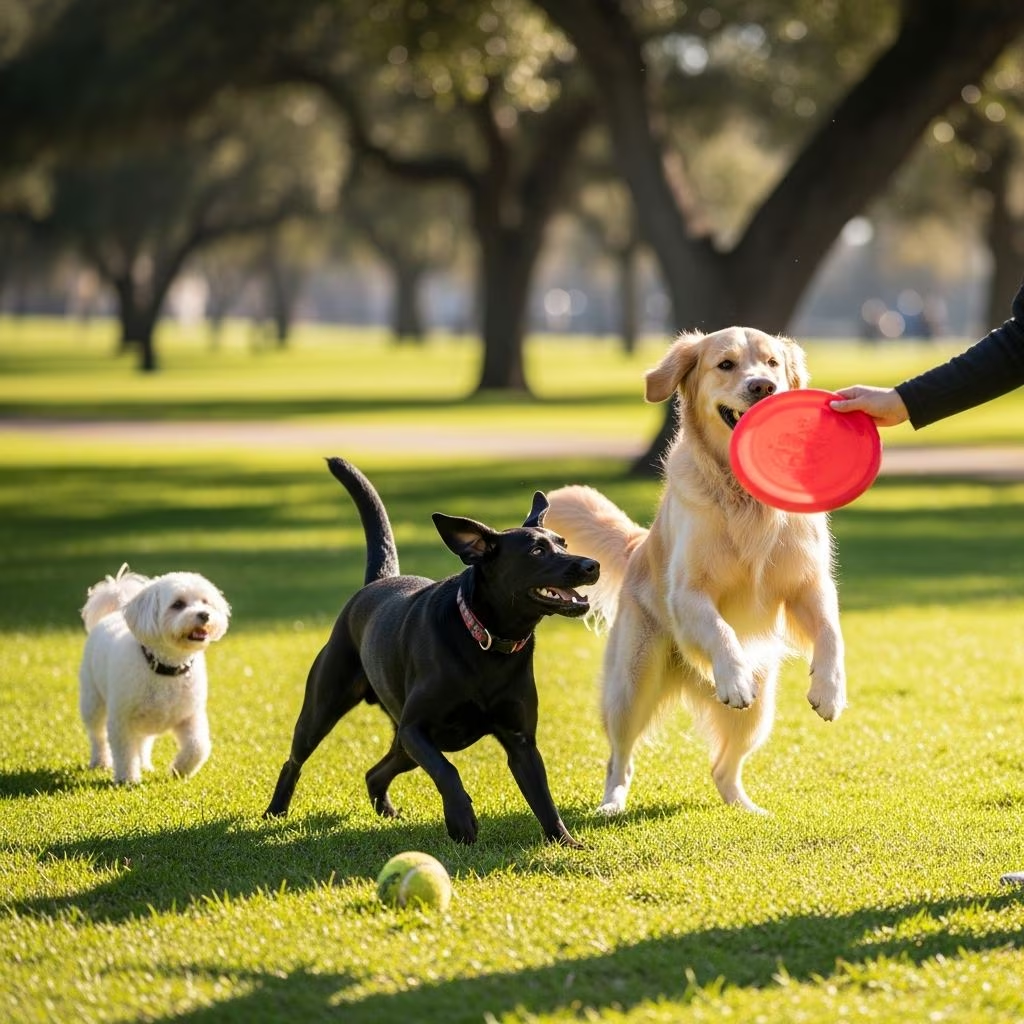
9 Essential Tips for Successful Dog Play Dates
Organizing a successful dog play date involves more than just throwing two dogs together and hoping for the best. Whether you’re introducing your dog to a new friend or planning regular play sessions, understanding the fundamentals of canine interaction can make the difference between a delightful experience and a stressful one. This comprehensive guide covers nine essential tips to ensure your dog’s play dates are safe, enjoyable, and beneficial for their social development.
1. Know What Your Dog Digs
The foundation of any successful play date starts with understanding your dog’s personality, preferences, and play style. Every dog has unique likes and dislikes when it comes to social interaction. Before arranging a play date, take time to observe how your dog naturally interacts with other dogs in various settings. Does your dog enjoy energetic, rough-and-tumble play, or do they prefer gentle, low-key interactions? Some dogs are social butterflies who love meeting new friends, while others are more reserved and selective about their playmates.
Understanding your dog’s temperament helps you avoid situations that could be stressful or overwhelming. If your dog shows signs of anxiety, aggression, or discomfort around other dogs, it’s crucial to address these behavioral issues before scheduling play dates. Look for positive indicators such as play bows, tail wagging at appropriate moments, and relaxed body posture. These signs suggest your dog is ready for social interactions. Conversely, if your dog displays growling, stiff posture, or avoidance behaviors, this indicates they may need more time or training before engaging in play dates.
2. Choose Players Wisely
Not all dogs are compatible playmates. Selecting the right companion for your dog is crucial for a positive experience. Consider factors such as size, age, energy level, and play style when choosing a potential playmate. A large, high-energy dog paired with a small, elderly dog could lead to injury or stress, regardless of good intentions from both owners.
When possible, arrange initial meetings with friends or family members whose dogs you know and trust. This controlled environment allows you to observe how the dogs interact before committing to regular play dates. Pay attention to whether the dogs’ play styles complement each other. A dog that enjoys wrestling needs a partner who enjoys the same intensity, while a gentle player may feel threatened by overly aggressive behavior. Age-appropriate matching is also important—puppies often play more gently than adult dogs and may be ideal playmates for younger dogs.
3. Pick a Neutral Location
Location plays a significant role in how dogs interact during play dates. Meeting on neutral territory where neither dog has territorial claims creates a more balanced dynamic. Dogs can exhibit territorial behavior in areas they’re very familiar with, which can lead to unnecessary conflict or protective posturing. A neutral location helps both dogs focus on the interaction rather than defending their space.
Ideal neutral locations include parks with open spaces, quiet neighborhood streets, or designated dog-friendly areas. Choose environments with interesting features like trees, grass, and objects to sniff. These environmental distractions help redirect focus and provide opportunities for natural dog behaviors. Avoid highly stimulating environments like busy downtown areas or crowded dog parks initially, as these may overwhelm dogs meeting for the first time.
4. Set Ground Rules and Establish a Routine
Before the play date begins, establish clear expectations and communication with the other dog’s owner. Discuss each dog’s behavioral tendencies, any health concerns, training commands they respond to, and what to do if tension arises. This conversation prevents misunderstandings and ensures both parties are working toward the same goal—a safe, enjoyable experience for both dogs.
Consider establishing a routine for play dates, such as meeting at the same location and time each week. Consistency helps dogs anticipate interactions and can reduce initial anxiety. It also allows you to gradually increase the duration and complexity of play sessions as both dogs become more comfortable with each other.
5. Let the Pups Set the Pace
One of the most challenging aspects of facilitating play dates is resisting the urge to manage and direct every interaction. While supervision is essential for safety, allowing dogs to explore and interact at their own pace is equally important. Dogs communicate through body language and their own play rituals, which they need to establish without constant human intervention.
After dogs have properly met and greeted each other, step back and observe rather than orchestrate the play. Offer praise and positive reinforcement when you notice appropriate play behaviors, but avoid hovering over them or constantly redirecting their actions. This approach allows dogs to develop social skills and confidence in their interactions. However, maintain enough attention to intervene quickly if any tension arises.
6. Monitor Body Language and Stress Signals
Understanding canine body language is essential for ensuring play dates remain positive. Healthy play typically involves play bows, relaxed facial expressions, reciprocal role-switching between who’s chasing and who’s being chased, and brief pauses between play sequences. Dogs often take breaks from intense play to reset and ensure the interaction remains enjoyable for both parties.
Warning signs that play is becoming too intense or uncomfortable include stiff body posture, persistent stalking, silent stares, tucked tails, ears pinned back, or repeated attempts to evade the other dog. If you notice these signals, calmly call the dogs apart, give them a break, and allow them to recover. It’s better to end a play session early than to allow tension to escalate into conflict. Always respect your dog’s individual comfort level and never force interaction.
7. Manage the Meeting Approach
The way dogs initially meet significantly impacts the success of the entire play date. Rather than allowing dogs to approach each other head-on, which can seem confrontational, consider walking both dogs parallel to each other along a path with interesting smells and sights. This “sniff walk” approach helps dogs acknowledge each other’s presence while their attention remains partially engaged with their surroundings.
As the dogs become more comfortable, allow brief moments where they can face each other and exchange sniffs. Feed treats to both dogs when they look at each other to reinforce positive associations. This conditioning helps dogs learn that the other dog’s presence predicts good things. If either dog seems uncomfortable during these initial meetings, maintain more distance and repeat the process over several sessions before advancing to closer interaction.
8. Supervise and Intervene Appropriately
Constant, active supervision is non-negotiable during play dates. You should always be present and aware of what’s happening between the dogs. However, there’s a difference between active supervision and micromanagement. Your goal is to intervene only when necessary to prevent injuries or escalating conflict, not to direct every moment of play.
Keep leashes handy or nearby for quick access if needed. If dogs begin showing signs of escalating tension, calmly call them apart using a pleasant voice. Separate them briefly, allow them to calm down, and then resume play if both dogs seem ready. If conflict occurs despite your efforts to manage it, end the play date for the day. Forcing continuation after a negative interaction can create long-term associations with stress.
9. Be Toy Savvy
Toys during play dates can add a fun dimension to canine interaction, but they also introduce potential conflicts. Not all dogs have solid impulse control around valued resources, and a toy can quickly become a point of contention. Before introducing toys, ensure both dogs have reliable training commands, particularly a solid “drop it” cue that they follow consistently.
When toys are introduced, watch carefully for signs of resource guarding such as stiff body posture over the toy, hovering over it protectively, or snapping at the other dog when they approach. If you notice these behaviors, remove the toy immediately to prevent escalation. For some dogs, it’s best to avoid toys during play dates altogether and save toy play for private sessions with their own owners. Alternatively, provide multiple identical toys so both dogs have their own, reducing competition and conflict.
Creating a Safe Play Date Environment
Beyond the nine main tips, creating an overall safe environment contributes to play date success. Ensure the location is securely fenced or otherwise contained so dogs cannot escape. Remove hazards such as debris, sharp objects, or toxic plants that could cause injury. Provide access to fresh water and shaded areas, especially during warm weather. Bring a first-aid kit in case minor scrapes or injuries occur.
Consider the health status of both dogs before play dates. Vaccinations should be current, and neither dog should be experiencing illness or injury. Inform the other dog’s owner of any health concerns, behavioral triggers, or medications your dog is taking. This transparency helps prevent potentially dangerous situations and demonstrates responsible pet ownership.
Building Successful Long-Term Friendships
Successful play dates often lead to lasting friendships between dogs. These relationships provide numerous benefits, including increased socialization, mental stimulation, and physical exercise. Regular play dates with compatible dogs can improve overall behavior and confidence in other dogs.
As dogs become more comfortable with each other, you can gradually extend play sessions and introduce new environments. However, always remember that every dog develops friendships at their own pace. Some dogs bond quickly over a few sessions, while others require weeks or months of repeated interactions before becoming truly comfortable with each other. Patience and consistency are key to building these beneficial relationships.
Frequently Asked Questions (FAQs)
Q: How do I know if my dog is ready for play dates?
A: Your dog should show positive, welcoming responses to other dogs, display relaxed body language in social situations, and have basic obedience skills. If your dog shows aggression, extreme fear, or anxiety around other dogs, consult a professional trainer before scheduling play dates.
Q: What age should puppies start having play dates?
A: Puppies can begin socialization and play dates once they’ve received their initial vaccinations, typically around 4-6 weeks of age. Always ensure both puppies are up-to-date on vaccinations before allowing them to interact.
Q: How long should a play date last?
A: Initial play dates should be relatively short, around 15-30 minutes, allowing dogs to interact without becoming overly tired or stressed. As dogs become more comfortable, you can gradually extend the duration based on their energy levels and comfort.
Q: What should I do if my dog gets injured during a play date?
A: Minor scrapes and bumps are normal, but more serious injuries require immediate attention. Clean minor wounds with water and apply a pet-safe disinfectant. For serious injuries, seek veterinary care promptly and consider whether future play dates with that particular dog are appropriate.
Q: Can older dogs have successful play dates?
A: Yes, older dogs can absolutely have successful play dates. The process may take longer, and you may need to match them with calmer, age-appropriate playmates. Go slowly, allow your older dog to set the pace, and prioritize their comfort throughout the introduction process.
Q: How often should I schedule play dates?
A: Frequency depends on your dog’s social needs, energy level, and the compatibility of the playmates. Some dogs thrive with weekly play dates, while others are satisfied with monthly interactions. Observe your dog’s behavior and adjust frequency based on their individual needs.
References
- How to Introduce Dogs so They’ll Be Besties for Life — Chewy Education. 2024. https://www.chewy.com/education/dog/training-and-behavior/doggie-play-date-etiquette-how-to-introduce-pets-successfully
- How to Socialize an Older Dog: Expert Trainer Tips — Chewy Education. 2024. https://www.chewy.com/education/dog/training-and-behavior/socializing-an-older-dog
- Your Essential Guide to Basic Dog Obedience Training — Chewy Education. 2024. https://www.chewy.com/education/dog/training-and-behavior/sit-stay-and-beyond-weve-got-the-essential-guide-to-basic-dog-obedience-training
- How To Socialize a Puppy — Chewtorials, YouTube. 2024. https://www.youtube.com/watch?v=eWC8JMyYh4A
- 6 Surprising Puppy Socialization Spots — Chewy Education. 2024. https://www.chewy.com/education/dog/training-and-behavior/training-pet-socialization-surprising-puppy-socialization-spots
- How to Socialize Your Puppy in 5 Easy Steps — Chewtorials, YouTube. 2024. https://www.youtube.com/watch?v=b4Pmn_sqtNg



