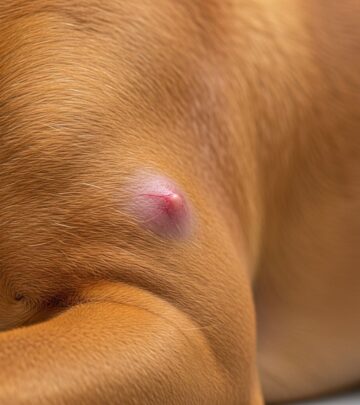
9 Cat Parasite Myths Debunked: Protect Your Feline Friend
Discover the truth about cat parasites and learn how to keep your feline friend safe year-round.

9 Cat Parasite Myths Debunked: Essential Facts Every Cat Owner Should Know
As a devoted cat owner, you want nothing more than to keep your feline companion healthy and happy. However, misinformation about cat parasites can leave you vulnerable to serious health threats. Many cat owners operate under false assumptions about parasite transmission, prevention, and the actual risk their pets face. Understanding the truth behind common cat parasite myths is crucial for providing proper care and protection for your beloved pet.
Parasites are a significant health concern for cats of all ages and lifestyles. Whether your cat spends all their time indoors, occasionally ventures outside, or roams freely, they face genuine parasite risks. The good news is that with accurate information and proper preventive care, you can significantly reduce these threats. Let’s explore nine critical myths about cat parasites and discover the facts that will help you make informed decisions about your cat’s health.
Myth 1: Cats Can’t Get Heartworm
One of the most dangerous misconceptions among cat owners is that heartworm only affects dogs. This myth has left countless cats vulnerable to a potentially fatal parasitic infection.
The Fact: Cats absolutely can contract heartworm, and the consequences are serious. Transmitted through the bite of an infected mosquito, heartworm in cats is difficult to diagnose, isn’t easily treatable, and can be fatal. Unlike dogs, where heartworm is more commonly detected and managed, cats show fewer obvious signs of infection, making early detection challenging.
Symptoms of heartworm in cats may include weakness, difficulty breathing, coughing and wheezing, vomiting, and anemia. Some infected cats show no signs at all, making prevention absolutely essential. If your cat becomes infected, treatment is complicated, expensive, and often ineffective. The best approach is prevention through regular veterinary checkups and discussing heartworm prevention options suitable for your cat’s lifestyle.
Myth 2: Indoor Cats Never Make Contact With the Outside World
Many cat owners believe that keeping their cats exclusively indoors provides complete protection from parasites. This false sense of security can leave indoor cats dangerously unprotected.
The Fact: Even indoor cats can come into contact with parasites. These parasites are remarkably resourceful and can hitchhike into your home in numerous ways. Parasites can enter through doors and windows, attach themselves to your clothing and shoes, or ride on your other pets. Fleas are especially resilient and can lay dormant in your home environment for months before jumping onto your cat.
Consider all the ways parasites might enter your home: you walk outside and pick up flea eggs or worm larvae on your shoes, you bring in contaminated soil on your clothing, or your dog comes inside after being outdoors and brings parasites with them. Even visiting friends and family members can inadvertently transport parasites into your home. This is why indoor cats still require year-round parasite prevention, not just during warmer months.
Myth 3: The Balcony Is an Extension of Your Indoor Space
Some cat owners allow their indoor cats access to balconies, thinking these semi-enclosed spaces are safe extensions of their home environment. However, balconies present significant parasite risks.
The Fact: Balconies, garages, screened windows, and even cat carriers expose your cat to the outside world and the parasites that live there. While these spaces might seem like controlled environments, they’re still connected to the outdoor world where parasites thrive. Mosquitoes can reach balconies, insects carrying parasites can venture into these areas, and your cat may have direct or indirect contact with parasite-carrying animals.
Additionally, contaminated soil can blow onto balconies, and parasites can survive in these outdoor-facing spaces. If your cat spends time on a balcony or in other semi-outdoor areas, they face similar parasite risks as cats with regular outdoor access. These spaces should be considered outdoor exposure when planning your cat’s parasite prevention strategy.
Myth 4: Your Cat’s Litter Box Is 100% Litter
A clean litter box is obviously important for your cat’s comfort, but many owners don’t realize how quickly litter boxes can become breeding grounds for parasites if not properly maintained.
The Fact: If not cleaned daily, intestinal parasites can establish themselves in your cat’s litter box. These parasites reproduce rapidly and can survive in the environment for extended periods. What’s worse, they can also infect humans who handle contaminated litter or fail to wash their hands properly.
Feces containing worm eggs or larvae create an ideal environment for parasite development and transmission. Your cat can become reinfected by exposure to these parasites in their own litter box, creating a continuous cycle of infection. Children and immunocompromised individuals face particular risk. Daily litter box cleaning is essential, combined with regular hand washing after handling litter or your cat. Wear gloves when cleaning litter boxes and dispose of waste properly to minimize parasite transmission risks.
Myth 5: Your Shoes Make the Perfect Pillow
While it’s endearing when your cat chooses your shoes as a napping spot, this innocent behavior exposes them to parasite risks you might not consider.
The Fact: The bottom of your shoes may harbor parasite eggs and larvae. Dirt and mud tracked in from outside can contain roundworm eggs, hookworm larvae, and other parasitic organisms. When your cat naps on your shoes or grooms themselves after contact with contaminated footwear, they may ingest these parasites.
This transmission route is particularly significant because it highlights how easily parasites move from outdoor environments into your home and onto your pets. Consider establishing shoe storage practices that keep contaminated footwear away from your cat’s favorite resting spots. Wash your shoes regularly, use shoe racks or closets to store them, and wipe your feet on entrance mats to minimize the parasites you bring inside your home. This simple practice can significantly reduce parasite transmission to your indoor cat.
Myth 6: Cat Carriers Count as Indoor Spaces
Cat carriers serve an important purpose in transporting your feline friend safely, but many owners don’t realize these carriers can expose cats to outdoor parasites.
The Fact: Most cat carriers have exposed ventilators, which means parasites can easily make their way inside. When you carry your cat in a carrier, they’re potentially exposed to mosquitoes carrying heartworm, parasites in the air, and contaminated environments you pass through. Additionally, if you reuse carriers without proper cleaning, parasites from previous trips can persist inside.
This exposure is particularly concerning during veterinary visits, trips to grooming facilities, or travel in vehicles. The carrier itself becomes a vector for parasite transmission. Clean carriers thoroughly between uses, consider using protective coverings over ventilation holes during outdoor transport, and schedule routine parasite prevention checkups with your veterinarian. Discuss your cat’s carrier exposure with your vet to ensure appropriate preventive measures.
Myth 7: Your Doggy Door Is Only Being Used By Your Doggy
If you have a doggy door for your dog’s convenience, you might not realize it’s also providing access to parasites and parasite-carrying pests.
The Fact: Doggy doors can be an open invitation to parasite-carrying pests, including fleas, rodents, and mosquitoes. These unwanted visitors can easily enter your home through the doggy door and expose your cat to parasites. Since cats love to chase or hunt these extra houseguests, infection is a real possibility.
Rodents are particularly problematic because they can carry multiple parasite types, including tapeworms, hookworms, and lungworms. When your cat hunts these rodents, they risk ingesting parasites. Fleas entering through the doggy door can infest both your dog and cat. Mosquitoes gaining entry increase heartworm exposure risk. Consider installing a pet door with selective access features that allow only your dog through, or restrict doggy door use during high-risk parasite seasons. Combine door management with comprehensive parasite prevention for all pets in your household.
Myth 8: A Little Dirt Can’t Hurt
Some cat owners encourage their indoor cats to play with potted plants, assuming minimal risk from exposure to soil. This assumption can have significant health consequences.
The Fact: Almost 15% of commercial potting soil may contain roundworm eggs. When your cat plays with potted plants and scatters dirt, they’re potentially scattering parasites throughout your home. Cats can ingest these parasite eggs while grooming their paws or through direct soil ingestion.
Roundworms are particularly concerning because they can be transmitted to humans, especially children who play on floors or put contaminated items in their mouths. Commercial potting soil, despite industry standards, frequently harbors parasitic organisms from its source materials. Keep potted plants out of reach of your cat, use plant stands or hanging planters, and wash your hands after handling plants or soil. If your cat has spent time around potted plants, discuss deworming protocols with your veterinarian.
Myth 9: You Don’t Need Parasite Prevention if You Can’t See Worms
The absence of visible worms doesn’t mean your cat is parasite-free. This dangerous myth prevents many cat owners from implementing necessary preventive measures.
The Fact: Even if your cat has contracted worms, you often won’t see the worms themselves because they’re living in your cat’s intestines. You might notice small, white worm segments or eggs in your cat’s feces, but these are often microscopic and too small to spot with the naked eye. The absence of visible parasites absolutely does not mean your cat is protected.
Many infected cats show no external signs of illness whatsoever. They may appear healthy and active while harboring significant parasite burdens. Meanwhile, their feces contaminate your home environment, exposing you, your family, and other pets to parasites. Professional veterinary examination, fecal testing, and routine preventive treatments are necessary to identify and prevent parasitic infections. Regular deworming as recommended by your veterinarian is essential, even if you never see evidence of parasites.
Additional Parasite Prevention Considerations
Beyond debunking these myths, cat owners should understand several key principles of effective parasite prevention. Year-round protection is necessary, not just during warm months, because parasites can survive indoors where heating systems create warm environments. Different parasites require different prevention strategies, so discuss your cat’s specific needs with your veterinarian based on their lifestyle, local parasite prevalence, and health status.
Kittens deserve special attention because they can contract intestinal worms from their mother’s milk and are more vulnerable to parasites. Begin your kitten’s parasite prevention program from a young age with your veterinarian’s guidance. Regular veterinary checkups allow for parasite screening and discussion of prevention options suited to your individual cat.
Frequently Asked Questions
Q: Can humans contract parasites from cats?
A: Yes, many parasites that infect cats can be transmitted to humans. Roundworms and hookworms are of particular concern. Always wash your hands after handling your cat, cleaning the litter box, or playing in soil. Teach children proper hygiene when handling pets.
Q: How often should I give my cat parasite prevention treatment?
A: This depends on your cat’s specific situation and the products recommended by your veterinarian. Most cats benefit from year-round prevention with treatments administered monthly or as directed. Discuss the ideal schedule for your cat’s lifestyle and health status.
Q: Can I use my dog’s parasite prevention on my cat?
A: Never use dog medication on cats without explicit veterinary approval. Cats and dogs process medications differently, and products safe for dogs can be lethal for cats. Always use species-appropriate medications at the correct dosage for your cat’s weight and age.
Q: What signs might indicate my cat has parasites?
A: Signs include diarrhea, vomiting, weight loss, a dull coat, lethargy, visible worms or segments in feces, and abdominal distension. However, many infected cats show no obvious signs, making regular preventive treatment and veterinary checkups essential.
Q: Are there indoor cat breeds less susceptible to parasites?
A: No cat breed is immune to parasites. Breed doesn’t determine parasite risk; rather, lifestyle, prevention practices, and environmental exposure do. All cats, regardless of breed, require appropriate parasite prevention.
References
- Worms in Dogs and Cats: Myths vs. Facts — Elanco Animal Health. 2024. https://mypetandi.elanco.com/au/parasites/worms-dogs-and-cats-myths-vs-facts
- 9 Cat Parasite Myths — VCA Animal Hospitals. 2024. https://vcahospitals.com/shop/home/articles/9-cat-parasite-myths
- 7 Cat Parasite Myths You Shouldn’t Believe — Petbarn. 2024. https://www.petbarn.com.au/petspot/cat/medical-vet-services-cat/7-cat-parasite-myths-shouldnt-believe/
- Debunking Common Myths About Parasites — DVM360. 2024. https://www.dvm360.com/view/debunking-common-myths-about-parasites
- A Beginner’s Guide to Fighting Off Cat Parasites — Boehringer Ingelheim. 2024. https://www.boehringer-ingelheim.com/in/animal-health/companion-animals/pets/beginners-guide-fighting-cat-parasites
- Parasite Myth: Cats Don’t Get Ticks — Companion Animal Parasite Council. 2024. https://capcvet.org/videos/parasite-myth-cats-dont-get-ticks/
Similar Articles








Read full bio of medha deb