

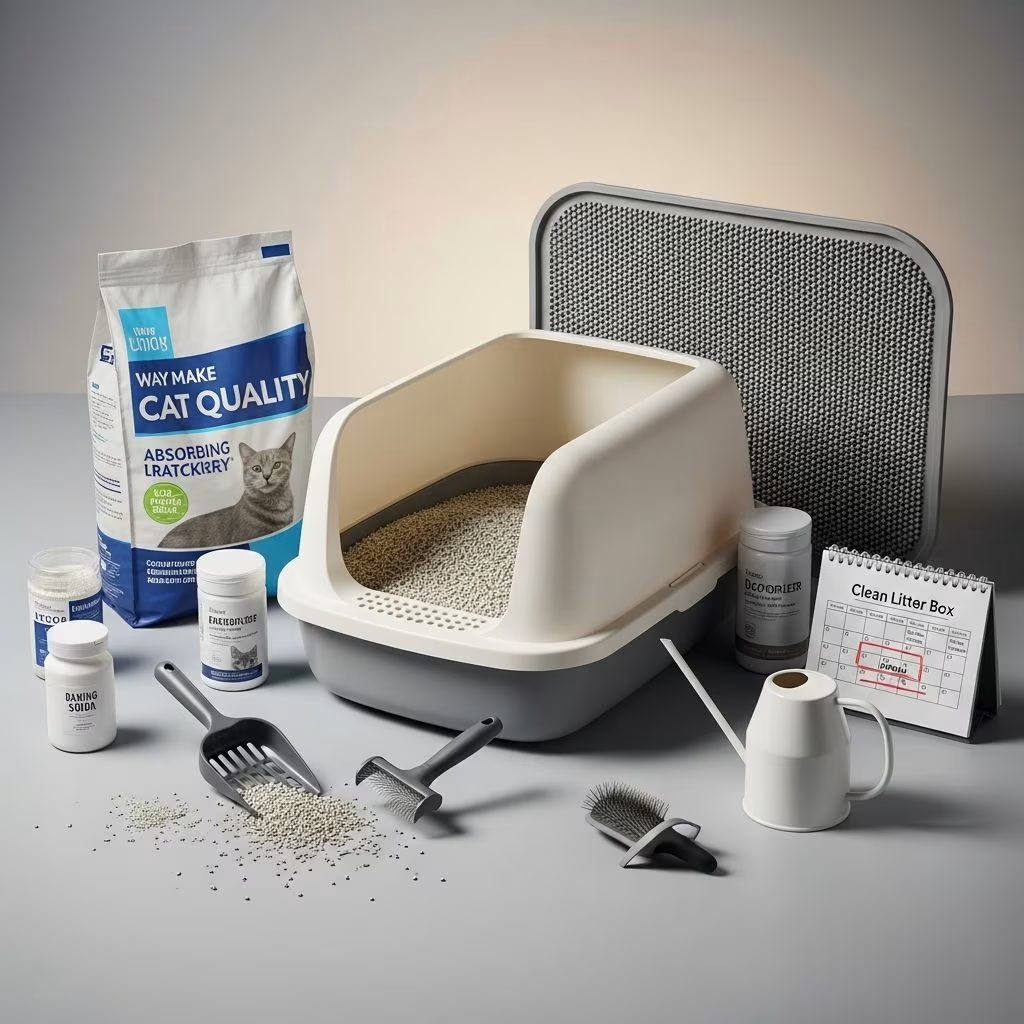
8 Ways to Make Your Cat Litter Last Longer
Cat litter is one of the regular expenses of cat ownership, and for many pet parents, finding ways to make it stretch further is a practical concern. Whether you have one cat or a multi-cat household, the cost of litter can add up quickly. Fortunately, there are numerous strategies you can implement to extend the life of your cat litter without compromising your feline friend’s comfort or the cleanliness of their litter box. By making smart choices about litter type, maintenance habits, and litter box setup, you can significantly reduce how often you need to purchase new litter while maintaining optimal hygiene standards.
1. Choose Clumping Litter for Maximum Longevity
One of the most effective ways to make your cat litter last longer is to switch to clumping litter if you haven’t already. Clumping litter offers a significant advantage over non-clumping varieties: it allows you to remove only the soiled portions rather than replacing the entire litter box contents. This targeted removal means the clean litter remains in the box longer, substantially extending the time between complete litter changes.
Clumping litters work by forming solid clumps around urine and feces, making them easy to scoop out. This mechanism not only extends litter life but also keeps your litter box fresher and more hygienic. When you use non-clumping litter, you must dump the entire box and refill it once or twice weekly, depending on your cat’s usage and the number of cats in your home. With clumping litter, you can often go a week or longer between complete changes by simply scooping daily.
Many cats also prefer clumping litter because it maintains a cleaner litter box environment. Cats are sensitive to smells and prefer not to walk over urine-soaked litter, so the superior odor control and cleanliness of clumping litter can encourage better litter box habits while extending the litter’s usable life.
2. Use Natural or Eco-Friendly Litter Options
Natural cat litters offer impressive longevity compared to traditional clay options. These litters are made from sustainable, biodegradable materials such as corn, cassava, wood, grass, paper, wheat, and walnuts. Beyond their environmental benefits, many natural litters demonstrate exceptional durability when maintained properly.
For example, high-quality corn and cassava-based litters form solid clumps on contact and can last well over a month in a two-cat household when scooped daily. Wood-based litters like Ökocat Super Soft can last up to seven weeks with regular scooping, making them among the longest-lasting options available. Grass litters are also notably dust-free and perform similarly to clay litter in terms of longevity while being gentler on cats with respiratory sensitivities.
While natural litters may have a higher per-pound cost initially, their superior longevity often means lower overall monthly expenses. When calculating the true cost of litter, consider how long a bag lasts rather than just the upfront price. A pricier litter that lasts seven weeks may be more economical than a cheaper option that needs replacement every two weeks.
3. Scoop Your Litter Box Daily
Daily scooping is perhaps the most fundamental practice for extending litter longevity. By removing clumps and solid waste each day, you eliminate odor-causing bacteria and prevent ammonia buildup that degrades litter quality. Even the highest-quality litter will deteriorate quickly if waste accumulates.
Establish a routine of scooping your cat’s litter box at least once daily, preferably at the same time each day. This consistent maintenance keeps the litter fresher, prevents unpleasant odors from developing, and allows you to detect any health issues early through changes in your cat’s waste. Daily scooping transforms litter that might otherwise need replacement in two weeks into litter that remains acceptable for four or more weeks.
To make scooping more effective, use a quality litter scoop that thoroughly removes clumps. Ensure you’re scooping below the surface to remove all soiled litter, not just the visible clumps. Some pet parents use two scoops—one for clumps and one for finer particles—to ensure thorough cleaning.
4. Optimize Your Litter Box Size and Depth
The size of your litter box and the depth of litter you maintain significantly impact how long litter lasts. A larger litter box allows better distribution of your cat’s waste, preventing concentrated areas of saturation that can compromise litter quality. The ideal litter box is typically 1.5 times the length of your cat’s body.
Maintain an appropriate litter depth, generally two inches for clumping litter and three inches for non-clumping varieties. A two-inch depth of quality natural litter in a large litter box can remain fresh for over a month with daily scooping in a two-cat household. However, if your litter box is too small or you use insufficient litter depth, waste will saturate the available litter more quickly, requiring more frequent replacements.
Additionally, ensure your litter box is large enough that your cat has adequate space to bury waste naturally. Cats prefer spacious boxes where they can move around comfortably, and this preference helps distribute their waste more evenly, extending litter life.
5. Invest in an Automatic or Self-Cleaning Litter Box
While the upfront cost is higher, automatic self-cleaning litter boxes can significantly extend litter longevity and ultimately save money over time. These innovative systems automatically remove waste after your cat uses the box, maintaining a continuously fresh litter environment without waiting for your daily scoop.
Self-cleaning boxes like the Whisker Litter-Robot 4 and ScoopFree systems use mechanical or scooping mechanisms to remove clumps immediately after use. By eliminating waste more thoroughly and frequently than manual scooping, these boxes keep the remaining litter fresher longer. Some disposable tray systems last 20-30 days for a single cat, compared to 7-14 days for traditional boxes.
An automatic litter box can extend the usable life of litter by 50 to 100 percent in many households. While the device itself costs between $300 and $600, the savings in litter purchases over several years often offset this initial investment, particularly for multi-cat households.
6. Monitor and Control Humidity Levels
Environmental humidity directly affects litter performance and longevity. High humidity causes litter to absorb moisture from the air, becoming saturated faster and losing its odor-control effectiveness. Conversely, very low humidity can cause litter to dry out excessively and create dust.
Keep your litter box area in a well-ventilated space with moderate humidity levels, ideally between 30 and 50 percent. If your home tends to be humid, consider using a dehumidifier near the litter box area, or ensure excellent air circulation through windows or ventilation fans. In very dry climates, you might sprinkle a small amount of baking soda in the litter to help control odors without adding moisture.
Avoid placing litter boxes in basements or bathrooms where humidity tends to be higher, as these environments accelerate litter degradation. Instead, choose well-ventilated areas like laundry rooms with windows or utility closets with adequate air flow.
7. Add Litter Additives Strategically
Certain litter additives can extend litter life by enhancing odor control and moisture absorption without compromising your cat’s comfort. Baking soda is a natural, safe additive that neutralizes odors effectively. Sprinkle a thin layer of baking soda on top of your litter or mix it throughout when you do your weekly litter maintenance.
Some specialty litter additives are designed to enhance clumping ability, improve moisture absorption, or provide additional odor control. However, use these cautiously and introduce them gradually to ensure your cat doesn’t react negatively. Many cats are sensitive to changes in their litter environment, so any new additive should be introduced slowly and monitored for acceptance.
Avoid overly fragranced additives, as most cats prefer unscented litter. Excessive scents can actually deter cats from using the box, defeating the purpose of extending litter life. Stick to simple, effective additives like baking soda that enhance performance without overwhelming your cat’s sensitive nose.
8. Use Multiple Litter Boxes Strategically
The classic recommendation is to have one litter box per cat plus one extra. This setup distributes waste across multiple boxes, preventing any single box from becoming overwhelmed and saturated too quickly. When waste is spread across multiple boxes, each individual box’s litter lasts significantly longer.
For example, a two-cat household with two litter boxes will see each box last substantially longer than the same household with only one shared box. This is because each cat has adequate space and fresh litter, and waste isn’t concentrated in one location. Placing boxes in different areas of your home also encourages cats to use them consistently, ensuring more even distribution of waste.
If space is limited, consider placing boxes on different levels of your home or in different rooms. This strategy not only extends litter life but also reduces litter box aversion issues and makes it easier for each cat to access a clean box when needed.
Comparing Litter Types and Longevity
| Litter Type | Clumping Ability | Typical Longevity | Dust Level | Cost |
|---|---|---|---|---|
| Clay (Clumping) | Excellent | 2-3 weeks | High | Low to Medium |
| Natural Corn/Cassava | Excellent | 4+ weeks | Minimal | Medium to High |
| Wood-Based | Very Good | 5-7 weeks | Very Low | Medium to High |
| Grass | Good | 3-4 weeks | Minimal | Medium |
| Crystal/Silica | Non-clumping | 3-4 weeks | Low | Medium |
Frequently Asked Questions
Q: How often should I completely change my cat’s litter?
A: With clumping litter and daily scooping, you can typically change the litter completely once weekly, though high-quality natural litters may last two to four weeks. With non-clumping litter, complete changes should occur one to two times weekly, or more frequently in multi-cat households.
Q: Is it safe to mix different types of cat litter?
A: While mixing litters can sometimes work, it’s generally not recommended as it may compromise clumping ability and create unpredictable results. If you want to switch litter types, do so gradually by mixing increasing amounts of the new litter with the old over several weeks.
Q: Can natural litter really last longer than clay litter?
A: Yes, many natural litters, particularly wood and corn-based varieties, last significantly longer than traditional clay litter when maintained properly. Some premium natural litters can last five to seven weeks compared to two to three weeks for clay litter.
Q: What’s the most cost-effective way to extend litter life?
A: Daily scooping is the most cost-effective strategy, as it requires no additional investment beyond a quality scoop. Combining daily scooping with clumping litter provides the next best cost-benefit ratio for extending litter longevity.
Q: Do automatic litter boxes really help litter last longer?
A: Yes, automatic litter boxes can extend litter life by 50 to 100 percent by removing waste more thoroughly and frequently than manual scooping. However, they require significant upfront investment and ongoing maintenance.
Q: How can I tell if my cat litter has gone bad?
A: Signs that litter needs replacement include persistent ammonia odor, visible saturation or clumping throughout the box, or your cat avoiding the box. Trust your nose—if you can smell strong odors, your cat will find them even more unpleasant.
Q: Are dust-free litters better for extending longevity?
A: Dust-free litters don’t necessarily last longer, but they do maintain better air quality and performance. Natural litters tend to be both dust-free and longer-lasting than traditional clay options.
References
- The 5 Best Natural Cat Litters in 2025, Tested and Reviewed — Business Insider. 2025-06-01. https://www.businessinsider.com/guides/pets/best-natural-cat-litter
- Clumping Cat Litter: Best Clumping Kitty Litter — Chewy. 2025. https://www.chewy.com/b/clumping-cat-litter-10658
- 10 Best Cat Litters, According to Cat Parents — Chewy. 2025. https://www.chewy.com/education/cat/training-and-behavior/best-cat-litter
- Cat Litter: Best Kitty Litter & Reviews — Chewy. 2025. https://www.chewy.com/b/litter-411
- The Benefits of a Self-Cleaning Litter Box — Chewy. 2025. https://www.chewy.com/education/cat/general/the-advantages-of-a-self-cleaning-litter-box



