8 Things We Do That Really Confuse Our Dogs
Discover the everyday human habits that baffle your dog and learn how to communicate better for a happier, healthier bond.

Dogs are incredibly attuned to us, but our human habits often send mixed signals that leave them puzzled. Understanding these confusions can transform your relationship, making interactions clearer and more joyful. This article breaks down eight common behaviors we exhibit that baffle our canine companions, backed by behavioral science.
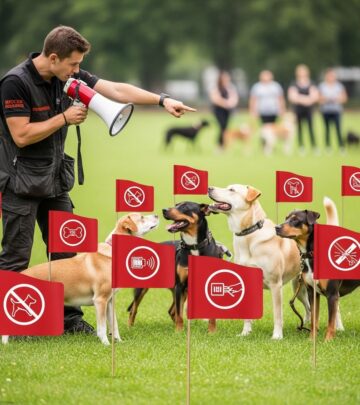
1. Yelling at Our Dogs for Being Dogs
It’s natural for dogs to bark, jump, or chew—behaviors rooted in their instincts. Yet, when we yell “No!” or “Bad dog!” in a loud, angry tone, it confuses them deeply. Dogs don’t connect the scolding to their action, especially if it’s delayed. They interpret the volume and tone as play invitations or threats, not corrections.
Research shows dogs process human voices for emotional content over words. A harsh tone registers as arousal, prompting more of the undesired behavior. Instead, use calm, consistent redirection. Reward quiet moments with treats to reinforce desired actions positively.
- Why it confuses: Loud voices mimic excited play signals.
- Better approach: Whisper commands and use body language.
- Pro tip: Time rewards within 3 seconds of good behavior for clear association.
2. Pointing at Something and Expecting Them to Fetch It
Humans point to direct attention, but dogs often stare at our pointing finger instead of the object. This stems from evolutionary differences: wolves, their ancestors, rarely point, and dogs prioritize human faces. Studies confirm dogs follow human gestures only after extensive training.
To teach pointing, start close: point at a toy inches away with exaggerated motion, then reward retrieval. Gradually increase distance. Use verbal cues like “Look!” alongside gestures for reinforcement.
| Common Mistake | Dog’s Interpretation | Training Fix |
|---|---|---|
| Pointing vaguely | Stares at hand | Exaggerate arm extension |
| No reward | No motivation | Treat on success |
| High expectations | Frustration | Start simple, build up |
3. Hugging Our Dogs
Hugging feels loving to us, but many dogs find it restraining and stressful. Their body language—lip licking, yawning, averted gaze—signals discomfort. In the wild, embracing signals dominance or threat. A study found 81% of dogs showed stress when hugged by owners.
Respect their space: opt for pats on the chest or side. Watch for frozen posture or whale-eye (whites showing). Train tolerance gradually with high-value treats during short hugs, but never force it.
- Signs of stress: Tense muscles, ears back, panting.
- Alternatives: Side-by-side leaning, gentle strokes.
4. Staring Directly Into Their Eyes
Eye contact builds trust in humans, but dogs perceive prolonged staring as a challenge or threat. This triggers freeze, flee, or fight responses. Wolves avoid direct stares to prevent conflict.
Build positive associations: briefly meet eyes, then look away while treating. Use soft blinks to signal friendliness. This fosters security without intimidation.
5. Being Inconsistent with Rules
One day jumping is okay, the next it’s not—this inconsistency breeds anxiety. Dogs thrive on predictability. Mixed messages from family members compound confusion.
Hold family meetings to align rules. Use clear cues: sit for attention every time. Consistency builds confidence; inconsistency erodes it.
Example: If no table scraps ever, enforce it. Dogs learn faster with uniform responses.
6. Using Baby Talk or Sing-Song Voices Excessively
While dogs respond to high-pitched tones, overdoing it dilutes serious commands. They struggle distinguishing “Good boy!” from “Sit!” in the same voice.
Reserve upbeat tones for praise, neutral for commands. This clarity improves obedience. Studies show varied intonation aids comprehension.
7. Punishing Them After the Fact
Dogs live in the moment; scolding hours later for a chewed shoe confuses them. They associate punishment with your presence, not the crime.
Prevent issues: crate when alone, provide chews. Positive reinforcement trumps punishment. Data confirms delayed corrections increase fear.
| Myth | Reality |
|---|---|
| Rub nose in mess | Causes fear, not learning |
| Yell at past act | Associates you with bad |
| Physical correction | Damages trust |
8. Assuming They Understand Our Emotions Perfectly
Dogs read tone and body language well but miss sarcasm or complex feelings. Crying might elicit concern, but yelling in joy confuses.
Be overt: pair words with actions. Stay calm during stress to avoid escalating theirs. Training enhances emotional sync.
Why These Confusions Matter
Clear communication prevents behavioral issues like anxiety or aggression. Understanding canine perspective fosters empathy. Experts emphasize training based on science, not myths.
Implement changes gradually. Track progress in a journal. Consult professionals for persistent problems.
Frequently Asked Questions (FAQs)
Q: Why does my dog ignore my pointing?
A: Dogs focus on faces/hands naturally. Train with proximity and rewards for better results.
Q: Is hugging ever okay for dogs?
A: Some tolerate it if conditioned young. Watch stress signals and respect boundaries.
Q: How long until consistency shows results?
A: 2-4 weeks with daily practice. Patience is key.
Q: What if yelling worked before?
A: Short-term suppression; long-term confusion/fear. Switch to positive methods.
Q: Do all dogs hate staring?
A: Most find it intense. Use soft gazes for bonding.
References
- Breed Does Not Equal Behavior—Here’s Why — Kinship. 2023-10-15. https://www.kinship.com/dog-behavior/breed-behavior-study
- The Kinship Between Cats and Dogs — Petworks. 2024-05-20. https://www.petworks.com/articles/the-kinship-between-cats-and-dogs/
- 13 Common Dog Behavior Myths Overheard at Dog Parks — Kinship. 2023-08-12. https://www.kinship.com/dog-behavior/common-dog-behavior-myths
- The Myth of the ‘Friendly’ Dog: Why Boundaries Matter — Kinship UK. 2024-02-28. https://www.kinship.com/uk/dog-lifestyle/friendly-dog-myth
- The Truth Behind Common Myths About Dogs — Kinship UK. 2023-11-05. https://www.kinship.com/uk/dog-behaviour/dog-myths
- Top 10 Myths About Canine Behavior — CattleDog Publishing. 2022-07-10. https://cattledogpublishing.com/blog/top-10-myths-about-canine-behavior/
- Common Misconceptions About Dog Behavior — The Pup Hub. 2024-01-18. https://thepuphub.com/common-misconceptions-about-dog-behavior/
Similar Articles








Read full bio of medha deb