

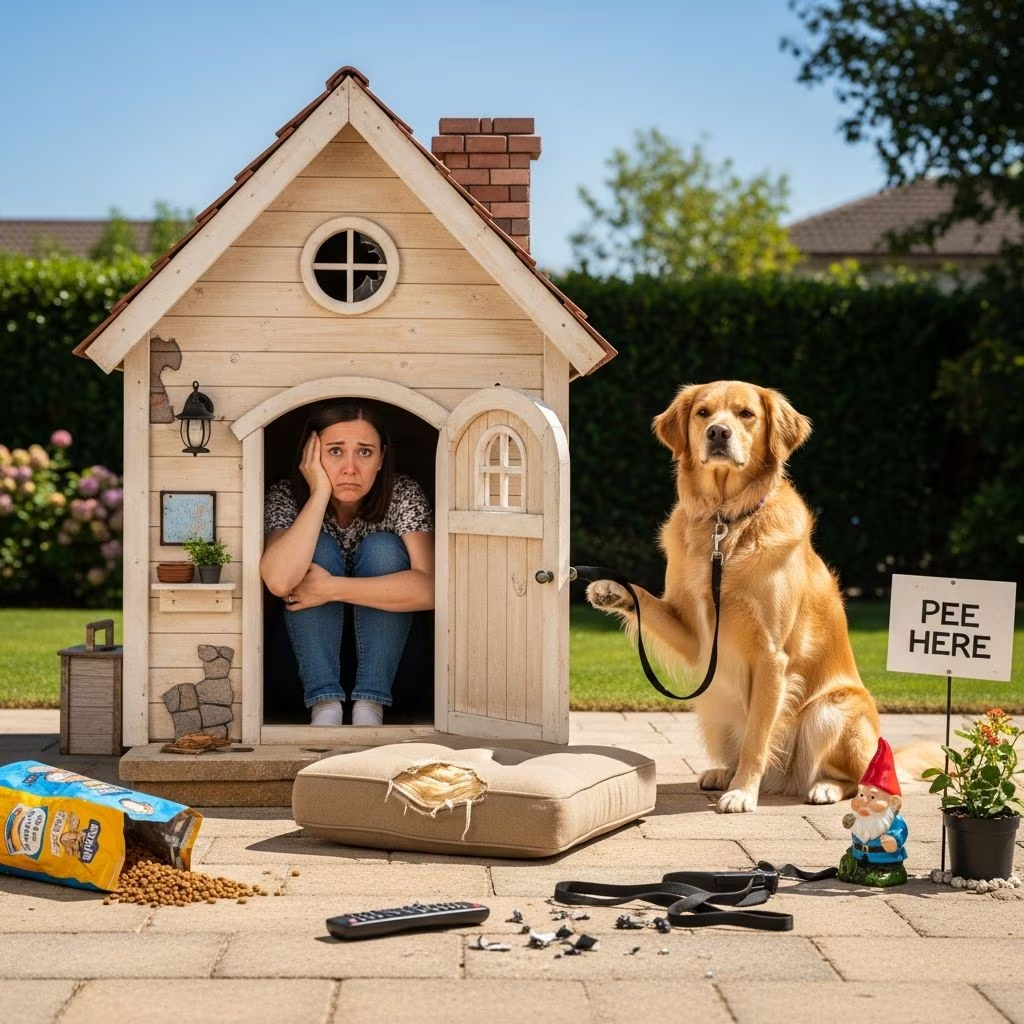
8 Things Dog Parents Do That Can Land Them in the Dog House
Being a dog parent comes with tremendous responsibility and countless rewarding moments. However, even well-intentioned pet owners often make mistakes that can negatively impact their dog’s behavior, health, and overall wellbeing. Whether you’re a first-time dog owner or have had dogs for years, it’s easy to fall into patterns that unintentionally create problems. Understanding these common mistakes is the first step toward becoming a better dog parent and creating a harmonious household with your furry companion.
1. Taking Good Behavior for Granted
One of the most significant mistakes dog parents make is overlooking good behavior while focusing heavily on problems. It’s natural to concentrate on what your dog does wrong—jumping on guests, pulling on the leash, or barking excessively. However, this approach can be counterproductive. When you ignore positive behaviors, your dog doesn’t receive the reinforcement they need to continue behaving well.
Instead of only addressing unwanted behaviors, actively acknowledge and reward your dog when they’re doing the right thing. Praise your dog for sitting calmly, walking politely on a leash, or greeting visitors appropriately. This positive reinforcement is far more effective than punishment and helps build a stronger bond between you and your pet. By celebrating good behavior, you create more of it, leading to a happier and better-behaved dog.
2. Believing Your Dog “Knows Better”
Many dog parents interpret unwanted behavior as deliberate disobedience or stubbornness. This misunderstanding stems from attributing human emotions and reasoning to dogs. Your dog doesn’t jump on guests out of spite, pull on the leash to annoy you, or steal food because they’re being naughty. Dogs operate based on reinforcement history and learned patterns, not moral awareness or intentional misbehavior.
When your dog exhibits problematic behavior, it’s because that behavior has been rewarded or reinforced in some way, whether intentionally or accidentally. Understanding this fundamental difference shifts your perspective from punishment to training. Frame behavioral issues as learning opportunities rather than character flaws. This mindset opens the door to effective training solutions and helps you address the root cause of the behavior rather than just punishing the symptom.
3. Rewarding Unwanted Behaviors Without Realizing It
One of the most frustrating yet easily fixable mistakes dog parents make is unintentionally reinforcing unwanted behaviors. You might say you don’t reward jumping, yet you pet your dog to calm them down when they jump. You might try to soothe a barking dog by pulling them closer, essentially reinforcing their barking. These seemingly innocent actions teach your dog that the unwanted behavior works and gets them what they want—your attention.
Reinforcement isn’t about your intentions; it’s about what your dog experiences as a consequence of their behavior. If jumping results in petting, your dog will jump more. If barking gets them closer to you, they’ll bark more. The key is to be mindful of what you’re rewarding. Ignore jumping until your dog sits, then reward the sitting. Don’t give attention to barking; instead, wait for quiet moments to engage with your dog. This conscious approach to reinforcement prevents you from accidentally training behaviors you don’t want.
4. Misunderstanding What Socialization Really Means
Many dog parents believe socialization simply means having their dog meet as many other dogs as possible. This common misconception can actually create more problems than it solves. True socialization involves controlled exposure to a variety of environments, sounds, surfaces, people, and—yes—other dogs, but in a structured and positive way.
Allowing your dog to freely interact with every dog they encounter, especially in chaotic settings like busy dog parks, can lead to reactivity, fear, and insecurity. Quality matters far more than quantity when it comes to socialization. Expose your dog to different experiences gradually and positively, ensuring they feel safe and confident. Allow controlled interactions with well-behaved dogs and friendly people rather than overwhelming your pet with constant new faces. This thoughtful approach to socialization builds genuine confidence and resilience in your dog.
5. Not Giving Your Dog Enough Time to Adjust to New Environments
Dogs, like humans, need time to acclimate to new environments. When you bring your dog to a new place and immediately expect them to perform cues, greet people, or behave perfectly, you’re setting them up for failure. If your dog doesn’t have time to settle in and process their surroundings, they’ll likely remain on edge, anxious, and unable to focus on anything except taking in their new surroundings.
When visiting a new location, resist the urge to rush. Stop and give your dog time to look around and sniff. This exploration helps them feel more comfortable and in control of the situation. You can tell if your dog has fully acclimated by watching their body language. If they’re looking around intently and seem tense, they’re still processing the environment. Once they relax and show interest in interacting with you, you can begin asking for cues and engaging in activities. This patience prevents stress-related behavioral issues and helps your dog build positive associations with new places.
6. Expecting Your Dog to “Grow Out Of” Problem Behaviors
A common misconception among dog parents, especially first-time owners, is that puppies will naturally mature past problematic behaviors. Unfortunately, this isn’t how dogs work. Dogs grow into patterns, not out of them. If your young dog practices jumping, pulling on the leash, barking at windows, or resource guarding, those behaviors strengthen with each repetition, becoming more ingrained habits.
The longer a behavior is repeated and practiced, the more difficult it becomes to eliminate. A puppy who pulls on the leash will develop stronger pulling habits as they grow and gain weight. A young dog who jumps will become a 70-pound jumping adult. Early intervention and course correction are always easier than trying to undo months or years of practiced unwanted behaviors. Don’t wait for maturity to solve behavioral problems; address them proactively through consistent training and management.
7. Failing to Establish Consistent Rules and Structure
Many dog parents bring their new dog home, unleash them, and let them figure out the household rules on their own. Then when the dog does something the owner decides is “bad,” they’re punished for not reading minds. This lack of structure and clarity confuses dogs and makes training nearly impossible.
Dogs thrive with clear boundaries and consistent rules. Before your dog even arrives home, decide what behaviors you want to encourage and which you want to discourage. Will your dog be allowed on the furniture? Can they beg at the table? Will they sleep in your bedroom? Once you establish these rules, everyone in the household must enforce them consistently. If one person allows jumping while another discourages it, your dog will continue jumping because they know it works with at least one person. Consistency across all household members is crucial for your dog to understand expectations and behave appropriately.
8. Not Recognizing Fear and Anxiety as Underlying Issues
Dog parents often mislabel fearful or anxious behavior as stubborn, willful disobedience. If your dog won’t walk on a certain street, refuses to greet other dogs, or won’t respond to cues in public places, your first instinct might be to label them as stubborn. However, these behaviors frequently indicate fear or anxiety rather than defiance.
Misidentifying fear as stubbornness leads to inappropriate training methods and can worsen the problem. Punishing a fearful dog doesn’t address their emotional state; it often intensifies their fear. Instead, recognize fear signals such as tucked tails, pinned back ears, avoidance, and freezing. When you understand that your dog’s problematic behavior stems from fear or anxiety, you can address the underlying emotional issue rather than just the behavior. Work with a positive reinforcement trainer to help your dog overcome their fears through gradual exposure and confidence-building exercises.
Common Mistakes Summary
| Mistake | Impact | Solution |
|---|---|---|
| Taking good behavior for granted | Dog doesn’t learn what you want | Actively reward positive behaviors |
| Blaming your dog for knowing better | Ineffective punishment-based training | Frame as learning issues, not character flaws |
| Accidentally rewarding bad behavior | Unwanted behaviors increase | Be mindful of what gets attention |
| Misunderstanding socialization | Reactivity and insecurity develop | Quality controlled interactions over quantity |
| Rushing in new environments | Anxious, unfocused behavior | Give your dog time to adjust |
| Expecting dogs to outgrow problems | Behaviors become deeply ingrained | Address issues early through training |
| Lacking consistent rules | Confusion and inconsistent behavior | Establish and enforce clear boundaries |
| Missing fear and anxiety signals | Worsened behavioral and emotional problems | Recognize fear and address root causes |
Frequently Asked Questions About Dog Parenting Mistakes
Q: How long does it take for a dog to adjust to a new home?
A: Dogs typically need 3-4 weeks to adjust to a new home and feel comfortable. Some dogs may take longer, depending on their background and personality. During this transition period, maintain patience and consistency while your dog learns the household rules and routines.
Q: What’s the best way to correct unwanted behavior?
A: The most effective approach is positive reinforcement combined with management. Reward the behaviors you want to see more of, prevent access to situations that trigger unwanted behaviors, and redirect your dog toward appropriate alternatives. Punishment-based methods are less effective and can damage your relationship with your dog.
Q: How often should I praise my dog for good behavior?
A: Consistently reward good behavior, especially when learning new skills. As your dog becomes more reliable with a behavior, you can gradually reduce the frequency of rewards. However, continue occasional random rewards to maintain strong behaviors and keep your dog motivated.
Q: Can adult dogs learn new behaviors?
A: Yes, absolutely. Dogs of any age can learn new behaviors and break old patterns. However, it may take longer to change deeply ingrained habits in adult dogs compared to young puppies. Patience, consistency, and positive reinforcement are key to success at any age.
Q: What should I do if my dog shows signs of fear in public?
A: Never force your dog into feared situations. Instead, work with a certified professional dog trainer or behaviorist to gradually help your dog build confidence. Use positive reinforcement and create distance from the fear trigger until your dog is ready to move closer. This process, called desensitization, takes time but produces lasting results.
Q: How can I get my family members to be consistent with rules?
A: Have a family meeting to discuss and agree on household rules for the dog. Write them down and post them somewhere visible as a reminder. Explain how inconsistency confuses dogs and undermines training efforts. When everyone understands the “why” behind consistency, they’re more likely to follow through.
Final Thoughts on Becoming a Better Dog Parent
Being a responsible dog parent requires awareness, commitment, and a willingness to learn. The eight mistakes discussed above are extremely common, but they’re also completely preventable once you understand them. By taking good behavior seriously, recognizing that your dog operates on reinforcement rather than spite, avoiding accidental rewards, properly socializing your dog, allowing adjustment time, addressing issues early, maintaining consistent rules, and recognizing fear, you’ll dramatically improve your dog’s behavior and overall quality of life.
Remember that every dog is an individual with unique personality traits, fears, and learning styles. What works for one dog might need adjustment for another. If you find yourself struggling with any behavioral issues, don’t hesitate to reach out to a certified professional dog trainer or veterinary behaviorist. They can provide personalized guidance specific to your dog’s needs. With patience, consistency, and a positive approach, you can avoid these common pitfalls and build a strong, harmonious relationship with your canine companion.
References
- The 2 Most Common Mistakes Dog Owners Make (and How to Fix Them) — Dogs Trust Daily, Dr. Ian Dunbar. 2025-11-28. https://www.dogstardaily.com/blogs/dr-ian-dunbar/2-most-common-mistakes-dog-owners-make-and-how-fix-them
- Five Rookie Mistakes First-Time Dog Owners Make (and How to Avoid Them) — USA Dog Behavior. 2025-11-15. https://www.usadogbehavior.com/blog/2025-11-15-five-rookie-mistakes-first-time-dog-owners-make-and-how-to-avoid-them
- Top 10 Mistakes New Dog Owners Make — Naturewatch Foundation. 2025-11-28. https://naturewatch.org/top-10-mistakes-new-dog-owners-make/
- 12 Common Mistakes New Dog Owners Make — Mucho Do About Doodles. 2025-11-28. https://muchadoaboutdoodles.com/12-mistakes-dog-owners-make/
- I’m a Vet, These Are the 7 Most Common Mistakes Dog Owners Make — Hello Magazine, Dr. Catherine Burke, PDSA. 2025-11-28. https://www.hellomagazine.com/healthandbeauty/mother-and-baby/715825/vet-reveals-common-mistakes-dog-owners-make/
- Mistakes Dog Owners Make — Champion of My Heart. 2025-11-28. https://championofmyheart.com/mistakes-dog-owners-make/



