

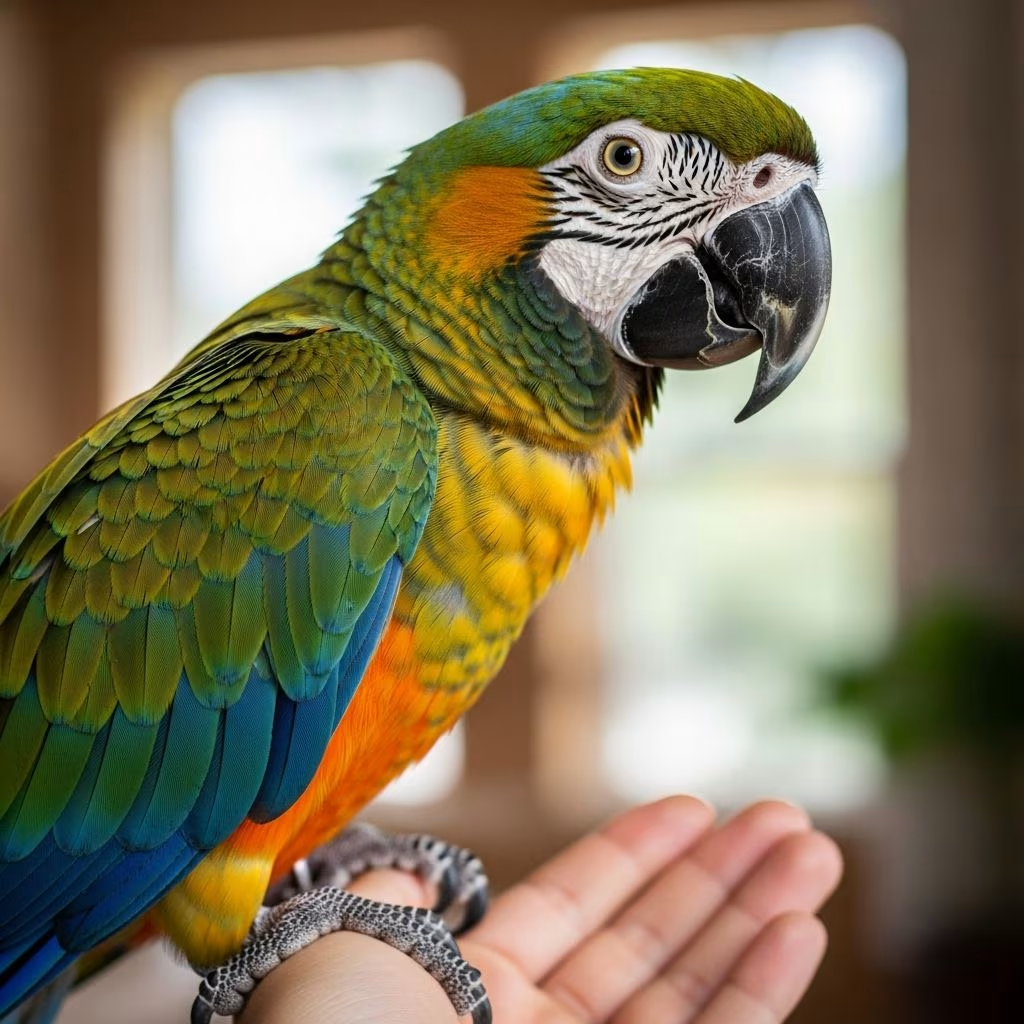
Adopting a pet bird is an exciting and rewarding decision, but it requires careful consideration and planning. Birds are intelligent, social creatures that can live for decades, making them a significant long-term commitment. Before bringing a feathered friend into your home, it’s essential to ask the right questions of rescue organizations, shelters, or breeders. This comprehensive guide walks you through eight critical questions that will help you make an informed decision and ensure a smooth transition for both you and your new avian companion.
1. What Costs Does Your Group Cover for Fostering or Adopting a Bird?
One of the first questions you should ask any bird adoption organization is what expenses they cover as part of the adoption or fostering process. Understanding the financial aspects of bird ownership is crucial for preparedness.
Key cost considerations include:
- Veterinary care and initial health checks
- Bird cage setup and housing materials
- Food and nutritional supplements
- Transportation costs
- Microchipping and identification
- Behavioral assessment and training
- Emergency medical care
Many reputable organizations include some or all of these services in their adoption fees, which can help offset the initial investment. Be sure to ask for a detailed breakdown of what’s included and what expenses you’ll be responsible for after adoption. Some rescues may also offer ongoing support and guidance, which can be invaluable as you acclimate your new pet to their home.
2. Can You Tell Me About the Bird’s History and Background?
Understanding your prospective bird’s background is essential for successful adoption. Each bird has a unique history that may affect its behavior, socialization level, and specific needs.
When inquiring about a bird’s history, ask about:
- Where the bird was previously housed
- Whether it was hand-raised or wild-caught
- Its age and sex (if known)
- Any behavioral issues or quirks
- Previous living situations and why it was surrendered
- Current health status and medical history
- Its personality and temperament traits
Birds with troubled pasts may require extra patience, specialized care, and gradual socialization. Understanding these details helps you prepare mentally and practically for your new companion. Organizations with transparent records demonstrate their commitment to making successful matches between birds and their forever families.
3. What Dietary and Nutritional Requirements Does This Species Have?
Different bird species have vastly different dietary needs, and providing proper nutrition is fundamental to your bird’s health and longevity. Ask the adoption organization for specific information about your bird’s species and individual preferences.
Important dietary questions include:
- What does this species typically eat in the wild?
- What commercial pellets or seeds does the bird currently consume?
- Are there any foods that are toxic or should be avoided?
- Does the bird prefer fresh fruits and vegetables, and which ones?
- How often should the bird be fed?
- Does the bird have any food allergies or sensitivities?
- Should dietary supplements be provided?
- What is the proper ratio of seeds, pellets, and fresh food?
Proper nutrition prevents obesity, malnutrition, and various health conditions. Your adoption organization should provide detailed feeding guidelines and recommend a veterinarian who specializes in avian care to ensure your bird receives optimal nutrition throughout its life.
4. What Level of Socialization and Handling Does the Bird Require?
Birds are highly social animals with varying needs for interaction and companionship. Understanding your potential bird’s socialization requirements is crucial for meeting its behavioral and emotional needs.
Ask about:
- How many hours of social interaction the bird needs daily
- Whether the bird prefers one-on-one interaction or can live in a multi-bird environment
- Any specific handling preferences or sensitivities
- Whether the bird is hand-tamed and comfortable being held
- How the bird behaves with strangers or new people
- Whether the bird requires flight time outside its cage
- What types of toys and enrichment activities the bird enjoys
Some species, like African Grey Parrots and Macaws, require extensive daily interaction and mental stimulation. Other species may be more independent. Honestly assessing your lifestyle and availability is essential to ensure you can meet your bird’s social and emotional needs.
5. What Veterinary Care Has the Bird Already Received?
Medical history provides valuable insight into your bird’s current health status and future care needs. Request comprehensive veterinary records from the adoption organization before finalizing the adoption.
Essential veterinary information includes:
- Dates and results of recent health examinations
- Any illness or injury history and treatments provided
- Vaccination records (if applicable to the species)
- Parasite screening and treatment history
- Wing clipping or grooming services performed
- Any ongoing medications or supplements
- Recommended follow-up care or treatments
- Recommendations for establishing care with a new veterinarian
After adoption, schedule an appointment with an avian veterinarian within the first week to establish a relationship and conduct a baseline health assessment. Bring all medical records to this appointment so your veterinarian has complete information about your bird’s health history.
6. Are There Any Behavioral Issues or Challenges I Should Know About?
Honest communication about behavioral challenges helps ensure a successful match. Some birds may exhibit behaviors such as screaming, aggression, feather plucking, or other issues that require specific management strategies.
Important behavioral questions include:
- Does the bird scream excessively, and if so, what triggers it?
- Is the bird aggressive toward people or other birds?
- Does the bird have a history of feather plucking or self-injury?
- What is the bird’s comfort level with new environments?
- Does the bird have any anxiety or fear-related behaviors?
- How does the bird behave during cage cleaning or routine care?
- What training or behavior modification techniques have been successful?
Understanding these issues allows you to prepare appropriate environmental modifications, establish behavioral management plans, and decide whether you’re equipped to handle the bird’s specific needs. Many behavioral issues stem from improper care, and with patience and proper management, they can be significantly improved.
7. What Happens if the Adoption Doesn’t Work Out?
A reputable bird adoption organization should stand behind their placements and offer support if the adoption doesn’t work as expected. Understanding their policies provides peace of mind and demonstrates their commitment to the bird’s welfare.
Key questions about contingency plans:
- Will the organization take the bird back if the adoption doesn’t work out?
- Is there a trial period before the adoption is finalized?
- What is the refund or fee adjustment policy?
- How long after adoption can the bird be returned?
- Will the organization provide guidance if behavioral problems arise?
- Is there ongoing support available after adoption?
- What happens to the bird if it’s returned?
Trustworthy organizations typically have return policies that are in the bird’s best interest. They understand that sometimes matches don’t work out, and they’d rather have the bird returned than see it suffer in an unsuitable home. This commitment to the bird’s wellbeing is a hallmark of ethical adoption practices.
8. What Ongoing Support and Resources Will You Provide?
Adopting a bird is the beginning of a journey, not the end. A quality adoption organization provides ongoing support, resources, and guidance to help ensure long-term success and bird wellness.
Ask about available resources such as:
- Post-adoption consultations and behavioral support
- Training resources for teaching commands or tricks
- Nutritional guidance and diet planning assistance
- Veterinary referrals and health-related recommendations
- Community forums or support groups for bird owners
- Emergency contact information and crisis support
- Updates on bird behavior or training techniques
- Mentorship from experienced bird caregivers
Organizations that provide comprehensive post-adoption support demonstrate their investment in your success as a bird owner. This ongoing relationship can be invaluable, especially for first-time bird parents navigating the complexities of avian care and behavior.
Frequently Asked Questions About Bird Adoption
Q: How much does it typically cost to adopt a bird?
A: Bird adoption fees vary widely depending on the species, age, and location, but typically range from $50 to several hundred dollars. The fee often includes initial veterinary care, behavioral assessment, and sometimes cage setup supplies. Larger species like macaws or African greys may have higher adoption fees than smaller birds like budgies or cockatiels.
Q: What is the average lifespan of a pet bird?
A: Bird lifespans vary significantly by species. Small birds like budgies live 5-10 years, while larger parrots can live 20-50 years or more. African Greys and some macaws have been known to live 60+ years, making them a lifelong commitment comparable to adopting a child.
Q: Do I need a special license to own a pet bird?
A: In most areas, you don’t need a special license for common pet birds like budgies, cockatiels, or most parrot species. However, some regions have restrictions on certain species, and endangered birds are protected by federal law. Check with your local wildlife department to ensure you’re compliant with local regulations.
Q: Can birds be left alone, and for how long?
A: Most pet birds should not be left alone for extended periods. Social species require daily interaction and may develop behavioral problems if isolated. Generally, birds can be left alone for a day or two if provided adequate food, water, and enrichment, but longer absences require a pet sitter or boarding arrangements.
Q: Are there bird species that are better for beginners?
A: Yes, some species are more suitable for first-time bird owners. Budgies, cockatiels, and small finches are often recommended for beginners due to their smaller size, lower maintenance requirements, and more moderate social needs. Larger parrots require more experience and commitment.
Q: How can I prevent behavioral problems in my adopted bird?
A: Prevent behavioral issues by providing proper nutrition, adequate social interaction, environmental enrichment, regular veterinary care, and consistent training. Understanding your specific bird’s needs and providing an appropriate living environment are key factors in promoting good behavior and overall wellbeing.
Q: Should I adopt multiple birds or just one?
A: This depends on the species and your experience level. Some species are highly social and do well in pairs or small groups, while others are territorial and prefer living alone. Research your specific species’ social requirements and consult with the adoption organization for recommendations based on the individual bird’s personality.
Q: What should I have ready before bringing my bird home?
A: Before adoption, prepare a proper-sized cage, perches, toys, food and water dishes, the appropriate diet, and a designated safe space in your home. Identify a veterinarian, bird-proof your home, and arrange your schedule to provide necessary social interaction and care.
Preparing for Bird Adoption Success
Adopting a pet bird is a wonderful opportunity to provide a loving home for a creature in need while enriching your own life with companionship and joy. By asking these eight essential questions before adoption, you’ll be well-equipped to make an informed decision, prepare your home and lifestyle appropriately, and establish a strong foundation for a lasting relationship with your feathered friend.
The key to adoption success lies in honest communication with the adoption organization, thorough preparation, realistic expectations, and a genuine commitment to meeting your bird’s physical, social, and emotional needs. Whether you’re adopting a colorful macaw, a chatty parrot, or a cheerful budgie, the time and effort you invest in asking the right questions upfront will pay dividends in the years of companionship and joy that follow.
Remember that reputable adoption organizations share your commitment to the bird’s wellbeing and are happy to answer these questions thoroughly. Their detailed responses indicate their professionalism and dedication to making successful matches. By partnering with these organizations and approaching bird adoption thoughtfully, you’re taking the first step toward a rewarding experience that benefits both you and your adopted avian companion.
References
- 8 Important Questions to Ask When Adopting a Pet Bird — Chewy. 2024. https://www.chewy.com/education/bird/general/8-questions-to-ask-when-adopting-a-pet-bird
- How to Adopt a Dog: Practical Tips for Adopting a New Dog — Chewy. 2024. https://www.chewy.com/education/dog/new-dog/how-to-adopt-a-dog-what-you-need-to-know
- Pet Bird Care & Tips | Guide to Happy, Healthy Birds — Chewy. 2024. https://www.chewy.com/education/bird
- The Parrot Institute: Understanding Parrot Behavior and Needs — World Parrot Trust. 2023. https://www.worldparrottrust.org
- Avian Veterinary Care Standards — Association of Avian Veterinarians. 2023. https://www.aav.org



