

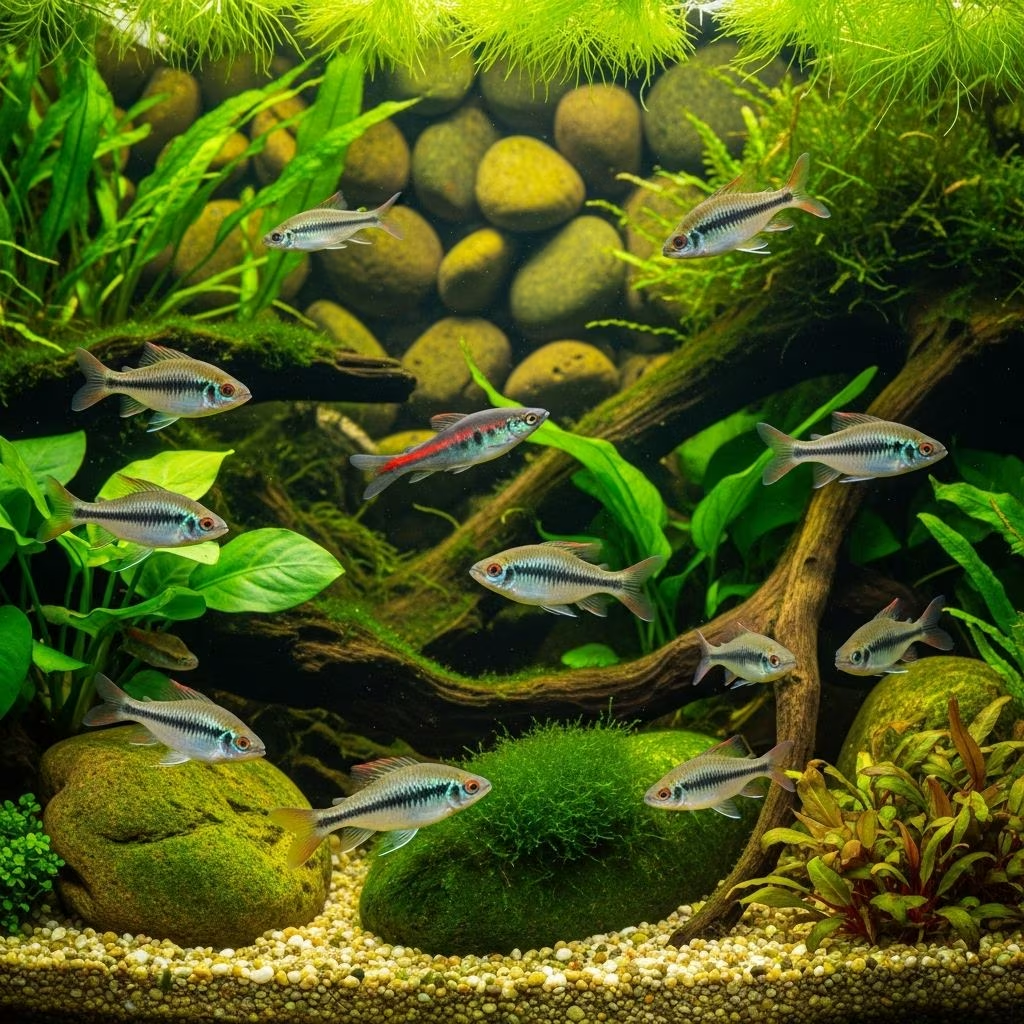
8 Algae-Eating Fish for Your Freshwater Tank
Maintaining a clean and healthy freshwater aquarium can be challenging, especially when algae growth becomes overwhelming. While regular tank maintenance is essential, introducing algae-eating fish into your aquarium provides a natural and efficient solution to keep algae populations under control. These specialized fish not only help maintain water quality but also add visual interest and diversity to your tank. Whether you’re dealing with pesky green water, stubborn black beard algae, or general algae buildup, there’s likely an algae-eating fish perfect for your specific needs and tank setup.
Why Algae-Eating Fish Matter
Algae growth is a natural occurrence in any aquarium environment. While some algae is beneficial for your tank’s ecosystem, excessive growth can block light from reaching plants, reduce oxygen levels, and create an unsightly appearance. Algae-eating fish offer several advantages over chemical treatments or constant manual cleaning. They work continuously throughout the day, consuming algae from surfaces you might miss. Additionally, many algae-eating species are peaceful community fish that coexist well with other inhabitants, making them an excellent addition to established tanks.
1. Siamese Algae Eater (Crossocheilus oblongus)
Overview: The Siamese Algae Eater is widely regarded as one of the most effective algae-eating fish available in the aquarium hobby. Growing to approximately 6 inches in length, this species is particularly adept at consuming various algae types, including the stubborn black beard algae that resists many other cleaners. Their downturned mouths are perfectly designed for grazing on hair algae and other fuzzy algae varieties.
Key Benefits:
- Exceptional at controlling multiple algae types, including black beard and hair algae
- Active and peaceful temperament makes them ideal community fish
- Relatively easy to care for with minimal special requirements
- Juveniles are particularly enthusiastic algae consumers
Care Requirements: Siamese Algae Eaters thrive in temperatures between 72-82°F and prefer tanks with plenty of hiding spaces and algae-covered surfaces to graze on. They are more active in planted tanks where algae naturally accumulates.
2. Bristlenose Plecostomus (Ancistrus spp.)
Overview: Unlike their larger cousins that can grow to enormous sizes, Bristlenose Plecos remain relatively small, typically reaching 3-5 inches in length. These hardy fish feature distinctive whisker-like tentacles on their snouts, giving them a unique and appealing appearance. They excel at cleaning glass surfaces and decorations, making them excellent for maintaining tank aesthetics.
Key Benefits:
- Excellent for smaller aquariums compared to common plecos
- Outstanding at cleaning glass, rocks, and decorative items
- Hardy and adaptable to various water conditions
- Distinctive appearance with prominent bristles
Care Requirements: Bristlenose Plecos are nocturnal and appreciate driftwood in the tank, which they use for both grazing and shelter. They prefer slightly acidic to neutral water and do well in temperatures ranging from 72-82°F.
3. Otocinclus Catfish (Otocinclus spp.)
Overview: Also known as otos or dwarf suckermouth catfish, Otocinclus species are among the smallest algae-eating fish available, typically reaching just 2 inches in length. Their diminutive size and peaceful nature make them perfect for smaller tanks and densely planted aquariums where larger fish might cause damage.
Key Benefits:
- Ideal for nano and small aquariums
- Gentle and non-aggressive toward other tank inhabitants
- Perfect for planted tanks without damaging delicate vegetation
- Extremely effective at cleaning algae from plant leaves and glass
Care Requirements: Otocinclus catfish are social creatures and should be kept in groups of at least 4-6 individuals for optimal behavior. They prefer well-established tanks with stable water parameters and abundant algae growth for continuous grazing.
4. Amano Shrimp (Caridina multidentata)
Overview: While technically not a fish, Amano Shrimp have earned their place as exceptional algae eaters in the freshwater aquarium hobby. These clear-brown dwarf shrimp reach approximately 2 inches in length and are renowned for their ability to tackle challenging algae types, including black beard algae and hair algae.
Key Benefits:
- Highly effective at eating diverse algae varieties
- Peaceful and suitable for community tank environments
- Assist with detritus cleanup and general tank maintenance
- Minimal bioload on the aquarium system
Care Requirements: Amano Shrimp work most effectively in groups of at least four individuals. They require consistent feeding when algae is scarce, as they’re more motivated to consume algae when food is limited. Tank mates should be carefully selected to avoid predatory fish that may view shrimp as snacks.
5. Siamese Flying Fox (Epalzeorhynchos kalopterus)
Overview: Often confused with the Siamese Algae Eater, the Siamese Flying Fox is a distinct species equally capable of controlling problematic algae, particularly black beard algae. These fish are visually striking, featuring a torpedo-shaped body and distinctive black stripe running along their length. Growing to approximately 6 inches, they’re active and interesting to observe.
Key Benefits:
- Exceptionally effective at controlling stubborn black beard algae
- Active and engaging fish to watch throughout the day
- Suitable for larger community tank setups
- Hardy and adaptable to various aquarium conditions
Care Requirements: Siamese Flying Fox can become territorial as they mature, particularly toward other bottom-dwelling fish. They prefer tanks with plenty of hiding places and should be monitored to ensure compatibility with existing tank mates.
6. Twig Catfish (Farlowella spp.)
Overview: Twig Catfish are masters of camouflage, with elongated bodies that remarkably resemble aquatic twigs and branches. This unique appearance makes them fascinating aquarium inhabitants while their feeding habits make them effective algae controllers. They specialize in consuming algae from plant surfaces and decorative items.
Key Benefits:
- Distinctive and aesthetically interesting appearance
- Excellent at cleaning algae from plant leaves and decorations
- Peaceful temperament suitable for community tanks
- Specialized feeding behavior targets specific algae types
Care Requirements: Twig Catfish are somewhat delicate and require well-established tanks with stable water parameters. They thrive in temperatures between 72-82°F and appreciate plenty of vegetation and hiding spots within the aquarium.
7. Chinese Algae Eater (Gyrinocheilus aymonieri)
Overview: Chinese Algae Eaters are efficient and hardy algae consumers, making them popular choices for many aquarium keepers. These fish are particularly good at tackling tough, stubborn algae that other species might struggle with. However, they require careful consideration regarding tank size and compatibility.
Key Benefits:
- Excellent at removing tough and persistent algae growth
- Hardy and highly adaptable to various water conditions
- Active and interesting to observe in the aquarium
- Reliable algae control with minimal care requirements
Care Requirements: Chinese Algae Eaters can become territorial as they mature, particularly toward other bottom-feeding species. They are best suited for larger tanks where they have adequate space and minimal competition for territory. Regular monitoring ensures they’re not harassing other tank inhabitants.
8. Molly Fish (Poecilia spp.)
Overview: Molly fish are versatile livebearing species that offer dual benefits: efficient algae consumption and beautiful coloration. With their flat, grasping jaws and seemingly endless appetites, they constantly graze on algae found throughout the aquarium. The aquarium hobby has developed numerous color morphs, patterns, and fin types to choose from.
Key Benefits:
- Highly effective algae eaters with voracious appetites
- Available in numerous attractive color variations and patterns
- Peaceful and active community fish
- Easily breed in home aquariums if desired
Care Requirements: Mollies are adaptable fish that tolerate a range of water conditions and temperatures. They prefer slightly alkaline water and benefit from the addition of aquarium salt, though freshwater varieties exist. They’re easy to care for and make excellent choices for beginning aquarists.
Choosing the Right Algae-Eating Fish for Your Tank
Selecting the appropriate algae-eating fish depends on several factors unique to your aquarium setup. Consider your tank size, existing fish species, specific algae problems you’re experiencing, and your care capability level. Smaller tanks benefit from diminutive species like Otocinclus catfish or small plecos, while larger aquariums can accommodate bigger species like Siamese Algae Eaters or Chinese Algae Eaters.
Understanding the specific algae types plaguing your tank is equally important. Black beard algae requires species like Siamese Algae Eaters or Flying Fox, while diatoms respond well to Otocinclus catfish or Hillstream loaches. Hair algae succumbs readily to most specialized algae eaters, but Amano Shrimp are particularly effective options.
Tank Compatibility Considerations
Most algae-eating fish are peaceful community inhabitants, but some species develop territorial behaviors as they mature. Research your specific choices thoroughly before purchasing to ensure compatibility with your existing fish population. Some species may require cooler water temperatures, while others prefer warmer environments. Matching temperature and water chemistry requirements prevents stress and ensures optimal algae-eating performance.
Supplemental Feeding and Care
While algae-eating fish are efficient cleaners, they shouldn’t rely solely on algae as their nutritional source. Supplementing with high-quality algae wafers, blanched vegetables, and specialized pellets ensures proper nutrition and longevity. As algae decreases and fish mature, their natural food sources diminish, making supplemental feeding increasingly important for maintaining health and vigor.
Frequently Asked Questions
Q: Can I use only algae-eating fish without manual tank maintenance?
A: While algae-eating fish significantly reduce algae growth, they shouldn’t completely replace regular tank maintenance. Manual cleaning, water changes, and filter maintenance remain essential for overall aquarium health and water quality.
Q: How many algae-eating fish should I add to my tank?
A: The number depends on your tank size, algae levels, and specific species. Start with one or two and observe results before adding more. Overcrowding with algae eaters can lead to competition and stress.
Q: Do algae-eating fish require special lighting?
A: No special lighting is required specifically for algae eaters, though they benefit from standard aquarium lighting that creates algae growth for grazing. Most prefer some shaded areas for resting during daytime hours.
Q: What temperature do most algae-eating fish prefer?
A: Most tropical algae-eating fish thrive in temperatures between 72-82°F, though some species tolerate cooler conditions. Always research your specific species’ temperature requirements before purchase.
Q: Can algae-eating fish survive in planted tanks?
A: Yes, many algae-eating fish thrive in planted tanks. Species like Otocinclus catfish and Amano Shrimp are particularly well-suited for planted aquariums without damaging delicate vegetation.
Q: How long do algae-eating fish live?
A: Lifespan varies by species, ranging from 3-10 years or more with proper care. Plecos can live exceptionally long, sometimes exceeding 15-20 years in optimal conditions.
References
- 10 Best Algae Eating Fish For Freshwater Fish Tanks — Charterhouse Aquatics. 2024. https://charterhouse-aquatics.com/blogs/help-guides/10-best-algae-eating-fish-for-freshwater-fish-tanks
- 10 Best Algae Eaters to Help Clean Your Freshwater Aquarium — Aquarium Co-op. 2024. https://www.aquariumcoop.com/blogs/aquarium/algae-eaters



