

7 Ways to Slow Your Dog’s Eating for Better Health
Many dog owners face a common challenge: their beloved pets eat their meals at lightning speed. While it might seem harmless, fast eating can lead to serious health complications including gastric dilatation and volvulus (GDV), a potentially fatal condition especially prevalent in large and giant dog breeds. Additionally, rapid eating increases the risk of obesity and digestive issues. The good news is that there are numerous practical strategies pet owners can employ to help their dogs eat more mindfully and safely.
Understanding Why Dogs Eat Fast
Before implementing solutions, it’s important to understand the root cause of your dog’s speedy eating habits. Dogs may eat quickly due to anxiety, boredom, learned behavior, or simply because they are highly food motivated. Some dogs compete with other household pets for food, creating a sense of urgency. Others might be eating an exceptionally calorie-dense food that limits portion volume, or they may only receive one meal per day, leaving them ravenous when food appears. Identifying the underlying cause will help you choose the most effective solution for your pet.
Method 1: Scatter Feeding on the Floor
One of the simplest and most effective methods to slow down your dog’s eating is scatter feeding. Rather than placing all kibble in a bowl, scatter your dog’s food across the kitchen floor, patio, or yard grass. This approach forces your dog to spend time searching for and picking up individual pieces rather than gulping down a full bowl in seconds. Dogs naturally enjoy this foraging behavior, which mimics their ancestral hunting instincts and provides mental stimulation alongside physical activity.
Method 2: Use a Slow Feeder Bowl
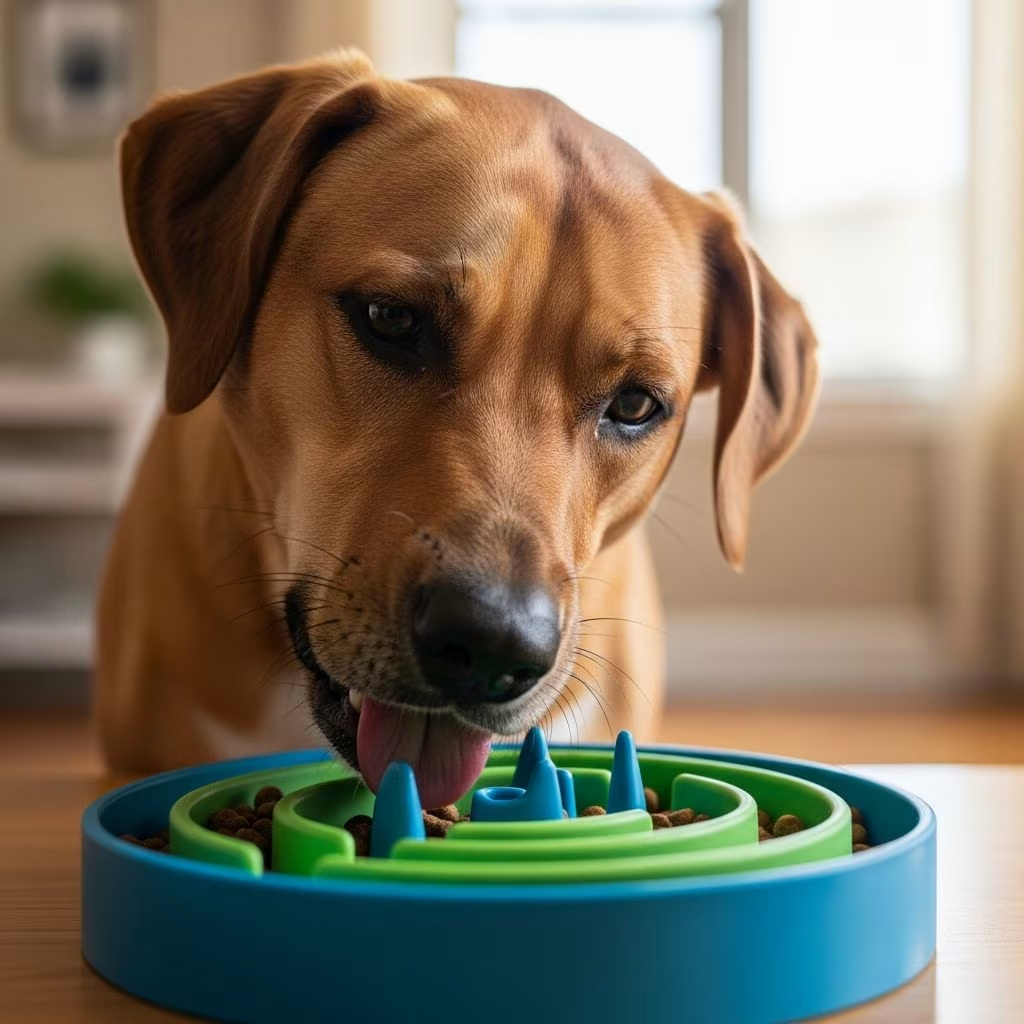
Slow feeder bowls are specially designed dishes with built-in obstacles, mazes, or grids that spread food throughout the bowl and create barriers your dog must navigate to reach their meal. These bowls force your pet to nose around the dish to extract food, significantly reducing eating pace. The design makes it physically impossible for dogs to consume large quantities rapidly, naturally encouraging mindful eating habits.
Popular slow feeder options include the Outward Hound Fun Feeder Interactive Dog Bowl, Mr. Peanut’s Non-Skid Stainless Steel Slow Feeder, Omega Paw Stainless Steel Portion Pacer, and Platinum Pets Olympic Diner Elevated Slow Bowl. When selecting a slow feeder, ensure it’s appropriate for your dog’s size and eating style, as some determined fast eaters may attempt to flip or manipulate the bowl.
Method 3: DIY Slow Feeder Solutions
If you prefer budget-friendly alternatives, you can create your own slow feeder by placing large, clean rocks or a brick in your dog’s regular food bowl. These objects must be too large for your dog to swallow and should be thoroughly cleaned before use. The rocks or brick serve the same function as a commercial slow feeder by forcing your dog to work around obstacles to access their kibble. This simple DIY approach is an excellent starting point before investing in specialized equipment.
Method 4: Implement Food-Dispensing Toys
Food-dispensing toys offer an engaging way to slow eating while providing mental enrichment. These toys come in various styles and mechanisms. Some function as puzzles requiring dogs to rotate a slotted top or slide doors to reveal small food portions. Others roll or wobble, dispensing kibble when positioned correctly. Certain styles, like hollow rubber toys stuffed with canned food and frozen, require extensive chewing and licking to access meals.
Food-dispensing toys serve dual purposes: they slow consumption significantly and combat boredom, particularly beneficial for high-energy breeds like Border Collies that were bred to hold jobs and appreciate mental challenges. The KONG Classic is an excellent example of this type of toy and can be filled with your dog’s twice-daily food allotment.
Method 5: Divide Daily Meals Into Smaller Portions
If your dog shows signs of ravenous hunger, consider restructuring their feeding schedule. Instead of offering a single large meal, divide your dog’s daily food into 2-4 smaller meals spaced throughout the day. This approach prevents your dog from arriving at mealtime in a state of extreme hunger, which often triggers rapid eating behavior.
For dogs eating excessively calorie-dense food, switching to lower-calorie, higher-fiber options may help them slow down naturally. A larger volume of less-dense food often results in more measured consumption patterns. Additionally, maintaining consistent feeding times helps regulate your dog’s appetite and eating behavior.
Method 6: Separate Multi-Pet Households During Feeding
In homes with multiple pets, dogs may feel competition for food, triggering rapid eating behavior. Feeding your pets in separate rooms eliminates this perceived competition and allows each dog to eat at their natural pace without stress or anxiety. This simple environmental adjustment can dramatically reduce fast-eating habits in competitive eaters and creates a calmer feeding environment for all household pets.
Method 7: Use Automatic and Programmable Feeders
Modern technology offers automated solutions for portion control. Programmable pet feeders like the PetSafe Healthy Pet Simply Feed allow you to customize portion sizes and dispense meals up to 12 times per day. These feeders eliminate the need for manual portioning and ensure consistent meal timing throughout the day. Some models can be controlled remotely via smartphone applications, providing flexibility for busy pet owners.
Automatic feeders work exceptionally well for dogs that eat too quickly, as they naturally limit portion size per feeding cycle. This technology removes the burden of manual portion management while supporting slow, consistent eating patterns that aid digestion and weight management.
Behavioral Approaches to Slow Eating
Beyond physical tools and feeding schedule adjustments, behavioral training can address fast eating at its source. Dr. Clare Rathjens of Tranquility Veterinary Services recommends removing the food bowl entirely from the equation. Instead, use your dog’s regular kibble as treats throughout the day while working on basic commands, rewarding calmness, or teaching tricks. This transforms mealtime into training sessions and prevents the automatic rapid-consumption response triggered by a full bowl.
Another behavioral technique involves hiding individual kibbles around your home while your dog waits, then sending them on a treasure hunt to find their meal. This mimics natural foraging instincts and distributes food consumption throughout extended periods, providing mental stimulation and physical activity simultaneously.
Health Benefits of Slowing Your Dog’s Eating
The importance of addressing fast eating extends beyond convenience. Slowing your dog’s eating pace offers substantial health advantages. Dogs that eat too quickly swallow excessive air, increasing their risk for gastric dilatation and volvulus (GDV), a life-threatening emergency where the stomach fills with gas and potentially twists. This condition disproportionately affects large and giant dog breeds and can be fatal without immediate veterinary intervention.
Slower eating also improves digestion efficiency, allowing dogs’ digestive systems adequate time to process food properly. Additionally, eating at a measured pace helps dogs recognize satiety signals more effectively, supporting weight management efforts. With 30-50% of dogs in the United States classified as obese, implementing strategies to slow eating provides meaningful prevention against obesity-related health complications.
Important Considerations When Implementing Changes
When implementing any method to slow your dog’s eating, maintain awareness of your pet’s overall caloric intake. The goal is to slow eating pace, not reduce nutrition. Ensure your dog continues consuming the appropriate amount of food necessary to maintain a healthy body weight. Dr. Coates emphasizes that you want to slow your dog down while maintaining their enthusiasm for meals—the objective is never to frustrate your dog to the point where they refuse to eat.
If your dog has underlying medical conditions, anxiety disorders, or behavioral issues contributing to fast eating, consult with your veterinarian or a professional dog trainer to develop a comprehensive management plan. What works for one dog may not be ideal for another, so personalization based on your individual pet’s needs remains essential.
Frequently Asked Questions
Q: Why is it important to slow down my dog’s eating?
A: Fast eating poses serious health risks including gastric dilatation and volvulus (GDV), a potentially fatal condition in large dogs. Slower eating also improves digestion, supports weight management, and allows dogs to recognize fullness cues more effectively.
Q: What’s the fastest way to implement slow feeding?
A: The quickest solution is scatter feeding—simply spread your dog’s kibble across the floor instead of using a bowl. This requires no equipment investment and works immediately. Alternatively, place rocks in the food bowl for an instant DIY slow feeder.
Q: Are slow feeder bowls suitable for all dog breeds?
A: Yes, slow feeder bowls come in various sizes suitable for small, medium, and large breeds. However, some determined fast eaters may attempt to flip or manipulate them, so individual temperament matters. Consult the manufacturer’s guidelines for your dog’s specific size.
Q: Can food-dispensing toys replace regular meals?
A: Food-dispensing toys should contain your dog’s regular meal portions—not serve as supplementary treats. They’re excellent for portion control, mental enrichment, and slowing consumption while maintaining proper daily caloric intake.
Q: How many meals per day should I feed my fast-eating dog?
A: If your dog is ravenously hungry, consider dividing daily food into 2-4 smaller meals spaced throughout the day. This prevents extreme hunger at mealtime, which triggers rapid eating. Consult your veterinarian about the ideal feeding schedule for your dog’s age and size.
Q: Will slowing my dog’s eating help with weight loss?
A: Yes, slower eating helps dogs feel fuller and more satisfied, supporting weight management efforts. Combined with appropriate portion control and increased exercise, slow-feeding methods are effective components of healthy weight loss programs.
Q: What if my dog has multiple pets to compete with at feeding time?
A: Feed your pets in separate rooms to eliminate competition and reduce the urgency dogs feel around food. This simple environmental adjustment often significantly reduces fast-eating behavior while creating a more peaceful feeding environment.
Conclusion
Addressing your dog’s fast-eating habits requires understanding the underlying causes and selecting appropriate solutions for your individual pet. Whether you choose scatter feeding, slow feeder bowls, food-dispensing toys, meal portioning, behavioral training, or automated feeders, the goal remains consistent: promoting slower, healthier eating patterns that protect your dog’s long-term wellness. Most importantly, consult with your veterinarian or a professional trainer to develop a customized approach suited to your dog’s unique needs, personality, and health status. By implementing these strategies, you’ll help your beloved pet enjoy meals more mindfully while significantly reducing the risk of serious health complications associated with rapid food consumption.
References
- How to Get Dogs to Eat Slower — PetMD, Dr. Jennifer Coates, DVM. 2015-08-XX. https://www.petmd.com/blogs/nutritionnuggets/dr-coates/2015/august/how-get-dogs-eat-slower-33018
- How To Help Your Dog Lose Weight — Chewy. 2025-11-XX. https://www.chewy.com/education/dog/training-and-behavior/how-to-help-dog-lose-weight
- Speed Up Your Pet’s Weight Loss With A Slow Feeder — Chewy Editors. 2025-11-XX. https://www.chewy.com/education/dog/food-and-nutrition/speed-pets-weight-loss-slow-feeder
- Does Your Fast Eater Need a Slow Feeder Bowl? — Chewy, Leah McCormack. 2025-11-XX. https://www.chewy.com/education/dog/food-and-nutrition/does-your-fast-eater-need-a-slow-feeder-bowl
- How Often Should You Feed A Dog? — Chewy. 2025-11-XX. https://www.chewy.com/education/dog/food-and-nutrition/how-often-should-you-feed-a-dog



