

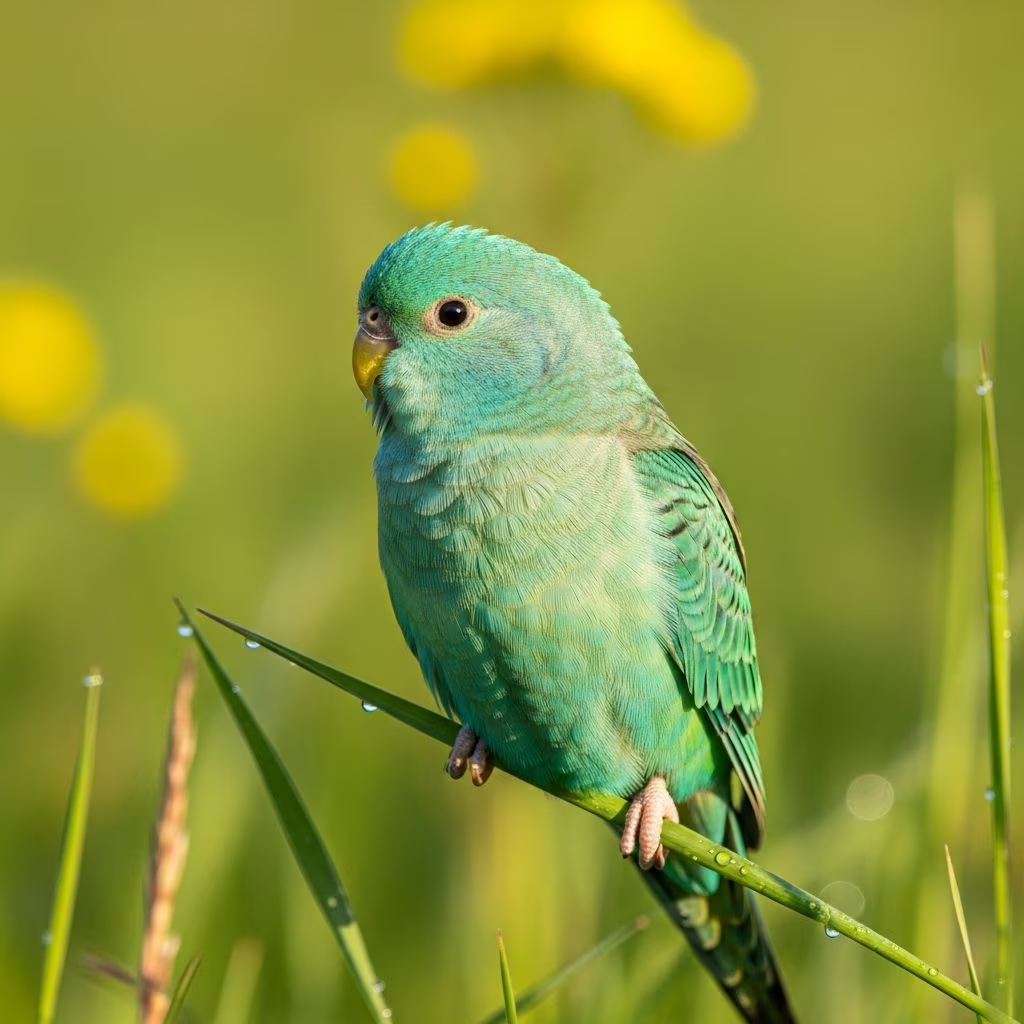
7 Things You Must Know About Grass Parakeets
Grass parakeets, scientifically known as Neophema, are delightful and relatively small parrots that make excellent pets for bird enthusiasts seeking a quieter, more manageable companion compared to larger parrot species. These charming birds originate from Australia and possess distinctive characteristics that set them apart from other parakeet varieties. Understanding the fundamental requirements and behavioral traits of grass parakeets is essential for anyone considering bringing one into their home or for current owners seeking to optimize their care practices.
Native to the Australian landscape, grass parakeets have adapted to thrive in environments that reflect their natural habitat. Their compact size, gentle temperament, and relatively long lifespan make them increasingly popular among avian enthusiasts worldwide. However, successful ownership requires knowledge of their specific housing needs, dietary requirements, social behaviors, and breeding considerations. This comprehensive guide explores seven critical aspects of grass parakeet care that every potential or current owner should understand.
1. Housing and Cage Requirements
Providing appropriate housing is fundamental to your grass parakeet’s health and happiness. These birds require spacious environments that allow for adequate movement and exercise, which directly impacts their physical and mental well-being. The minimum cage size for a single grass parakeet should be at least 18 inches wide, 18 inches deep, and 24 inches tall, though larger enclosures are always preferable and recommended for pairs or multiple birds.
When selecting a cage, horizontal space is particularly important as it facilitates wing stretching and short flights within the enclosure. Bar spacing should be no wider than half an inch to prevent potential injuries or accidental escapes. Grass parakeets are ground-loving birds by nature, so they appreciate cages that provide both vertical and horizontal space for their natural behaviors.
Cage placement is equally critical to your bird’s comfort and safety. Position the cage in a draft-free area away from direct sunlight, which can cause overheating and stress. Kitchens should be avoided entirely, as cooking fumes and non-stick cookware can release harmful toxins. While grass parakeets enjoy being near family activity and observing household routines, they also require quiet time for rest and sleep. A balance between social engagement and peaceful rest periods contributes significantly to their overall health and longevity.
For breeding purposes, cages should be elevated at least 90 centimeters above ground level to provide a sense of security and protection. Tiered cage systems with bottom cages at floor level should be avoided, as constant views of human legs and exposure to drafts can cause unnecessary stress to breeding birds.
2. Social Behavior and Housing Preferences
Grass parakeets display unique social behaviors that differ notably from other parakeet species. These birds are happiest when kept as a single bonded pair in a large flight cage or housed in a spacious community aviary alongside other peaceful, compatible bird species. Unlike some parakeet varieties that thrive as solitary pets, grass parakeets genuinely benefit from the companionship of their own kind.
When housing multiple birds together, careful consideration must be given to compatibility and available space. A large community aviary allows grass parakeets to express natural behaviors such as foraging, flying, and social interaction. The peaceful nature of grass parakeets makes them suitable companions for other docile bird species, though aggressive or territorial birds should be avoided.
If you choose to keep a single bird, regular human interaction and enrichment become even more critical to prevent loneliness, boredom, and associated behavioral problems such as feather plucking or screaming. Providing toys, perches of varying diameters, and opportunities for supervised out-of-cage flight helps maintain mental stimulation and physical health.
3. Dietary Requirements and Nutrition
A properly balanced diet forms the cornerstone of grass parakeet health and longevity. These small birds require high-quality nutrition that mimics what they would consume in their natural Australian habitat. The foundation of their diet should consist of a quality seed mix specifically formulated for grass parakeets or budgerigars, supplemented with fresh fruits and vegetables.
Grass parakeets benefit from a varied diet including:
- High-quality seed mix as the primary food source
- Sprouted seeds with enhanced nutritional value
- Fresh leafy greens such as kale and spinach
- Fresh vegetables including broccoli and grated carrot
- Fresh fruits such as apples (without seeds), pears, bananas, and grapes
- Millet sprays as occasional treats
- Limited sunflower seeds due to their high fat content
In the wild, grass parakeets consume mainly seeds, grasses, fruits, berries, and insects. They particularly enjoy seeding grasses, chickweed, smooth sow thistle, oats, and wheat in the green stage. Calcium and vitamin supplements are beneficial, especially for breeding hens and supporting overall feather and digestive health. Cuttlebone and mineral blocks should always be available to help maintain beak health and provide essential nutrients.
Fresh water must be provided daily and checked regularly throughout the day to ensure cleanliness and prevent bacterial buildup. Water should be chlorine-free and changed frequently to maintain hygiene standards. During breeding season, egg food and soaked oats should be provided just before and during this reproductive period to support energy demands and egg production.
4. Pellets versus Seed Diet
Modern avian nutrition has introduced commercially formulated pellets specifically designed to meet grass parakeet dietary requirements. A wide variety of high-quality pellet options now exists on the market, and many grass parakeets are successfully maintained on an all-pellet diet with excellent results. Pellets provide consistent, complete nutrition with balanced vitamins, minerals, and proteins without the nutritional inconsistencies sometimes found in seed-only diets.
However, grass parakeets have evolved eating seeds and naturally enjoy the foraging behavior associated with consuming whole seeds. Many experts recommend a combination approach: using pellets as the primary food source while supplementing with fresh produce and limited seeds to provide dietary variety and engage natural foraging instincts. This balanced approach ensures complete nutrition while allowing birds to express natural feeding behaviors.
When transitioning a grass parakeet to pellets, the process should be gradual to prevent digestive upset. Introduce pellets alongside existing seed and fresh foods, gradually increasing pellet portions over several weeks. Individual birds may have preferences for certain pellet brands or styles, so experimentation may be necessary to find the option your bird finds most palatable.
5. Behavioral Characteristics and Temperament
Grass parakeets are known for their peaceful, gentle temperament and quiet demeanor compared to larger parrot species. These characteristics make them excellent pets for individuals who appreciate birds but prefer quieter companions. Their calm nature allows them to coexist peacefully with other gentle bird species in community aviaries, though aggressive species should be avoided.
These birds are intelligent and curious, with personalities that develop and deepen over time with consistent human interaction. Whether hand-reared or parent-reared, grass parakeets can become quite tame and develop bonds with their human caregivers. However, they require regular socialization and mental stimulation to prevent behavioral problems and maintain psychological well-being.
Enrichment is essential for grass parakeets to prevent boredom, which can lead to destructive behaviors. Rotating toys regularly, providing climbing opportunities, and offering supervised out-of-cage flight time all contribute to psychological health and contentment. These birds also appreciate bathing opportunities, with many preferring to bathe in shallow dishes, even their water bowls, or on wet foliage.
6. Wing Feather Trimming Considerations
A critical decision for grass parakeet owners involves whether to trim wing feathers. Experts generally recommend keeping grass parakeets in full flight rather than trimming wing feathers, and this recommendation warrants careful consideration. The reasoning behind this guidance relates to the bird’s unique physical characteristics and natural behaviors.
Grass parakeets possess disproportionally short legs and small feet that are not well-suited for extensive climbing and perching like larger parrot species. Their diminutive beaks are not strong enough to maintain a firm grip on anything larger than a toothpick, limiting their climbing capabilities. These birds are ground-loving by nature, and a wing-trimmed grass parakeet often ends up on the ground where it can easily be overlooked and stepped on, or injured by household pets such as dogs or cats.
Maintaining full flight capability allows grass parakeets to escape potential dangers, avoid obstacles, and express natural behaviors. Full flight also facilitates exercise, which contributes to cardiovascular health and weight management. If safety concerns exist regarding free flight in the home, housing the bird in a large flight cage or aviary provides a secure environment where natural flight behaviors can be expressed safely. Supervised out-of-cage flight time in a bird-proofed room offers another compromise option.
7. Breeding Information and Considerations
Grass parakeets breed readily in captivity under appropriate conditions, making them suitable for experienced breeders or those interested in breeding programs. Most Neophemas begin breeding when they reach one year of age. Understanding breeding requirements and responsibilities is essential before attempting to breed these birds.
A recommended nest-box size for breeding grass parakeets measures 15 centimeters square with a height of 25 centimeters. To make the nest-box more attractive, darker, and draft-proof, breeders often attach a piece of hollow branch to the entrance, mimicking natural nesting cavities found in the birds’ native habitat. Wood shavings, particularly those from compressed pet litter packages, should be placed on the nest-box bottom to a depth of approximately 4 centimeters.
The typical clutch size ranges from four to six eggs, sometimes more, depending on the individual bird and environmental conditions. Incubation is performed solely by the female and typically lasts 18 to 19 days, usually commencing with the second egg. Chicks are brooded closely for approximately ten days and should be ringed with size L rings (4.3mm) for identification purposes.
Young birds fledge and leave the nest at approximately 30 days of age. Some females lay a second clutch immediately or even before the first clutch fledges. The nest-box should be removed immediately after the young from the second nest fledge, or if the first eggs failed, to prevent the female from attempting to nest again during the critical molting period.
During breeding season, proper nutrition becomes even more critical. Supplemental egg food and soaked oats provide essential nutrients for breeding females and developing chicks. Breeding cages must be properly positioned and maintained to reduce stress and create conditions that encourage successful breeding.
Health and Maintenance
Maintaining optimal health requires regular cage cleaning, proper nutrition, and routine veterinary care. Cages should be cleaned weekly with food and water dishes washed daily. Grass parakeets produce relatively large droppings for their size, necessitating more frequent cage maintenance than some other bird species.
Nail care is important, as these birds’ nails can become long and sharp. Regular pedicures using appropriate bird nail clippers help maintain comfortable perching and prevent overgrowth. Clipping services are available through veterinary clinics if you are uncomfortable performing this task yourself.
Bathing should be offered three to five times weekly, as these birds enjoy water and benefit from regular cleaning. Misting with a spray bottle or providing a shallow bird bath accommodates their bathing preferences while maintaining feather health and hygiene.
Frequently Asked Questions
Q: What is the average lifespan of a grass parakeet?
A: With proper care, diet, and environmental conditions, grass parakeets typically live 10-15 years or longer, making them a long-term commitment requiring dedication to their wellbeing.
Q: Can grass parakeets be housed with other bird species?
A: Yes, grass parakeets are peaceful birds that can thrive in community aviaries with other gentle, compatible species. Aggressive or territorial birds should be avoided to prevent conflict and stress.
Q: Are grass parakeets loud compared to other parrots?
A: Grass parakeets are relatively quiet birds compared to larger parrot species, making them suitable for apartment living or homes where noise is a concern. They produce soft chirps and calls rather than loud screeches.
Q: Do grass parakeets require special lighting?
A: While natural sunlight is beneficial for these birds’ health and circadian rhythms, direct cage placement in front of windows should be avoided. Provide natural light while protecting the cage from direct sun exposure that could cause overheating.
Q: What vegetables are safe for grass parakeets?
A: Safe vegetables include leafy greens (kale, spinach), broccoli, grated carrot, and other fresh produce. Introduce new foods gradually and remove any uneaten portions daily to prevent spoilage and bacterial growth.
Q: Should I provide a cuttlebone for my grass parakeet?
A: Yes, cuttlebone and mineral blocks should always be available to provide essential calcium and minerals while helping maintain beak health through natural grinding behavior.
References
- Grass Parakeets (Neophema) Fact Sheet — Northern Parrots. Accessed November 28, 2025. https://www.northernparrots.com/blog/grass-parakeets-neophema-fact-sheet/
- Bourke Parakeet Care Sheet — Creature Comforts Pet Store. Accessed November 28, 2025. https://www.ccpetstore.com/
- 7 Things You Must Know About Grass Parakeets — Chewy Education. Accessed November 28, 2025. https://www.chewy.com/education/bird/parakeet/7-things-you-must-know-about-grass-parakeets
- Parakeet Care Guide: Housing, Diet & Enrichment — Clyde’s Animal Clinic. Updated August 8, 2025. https://clydesanimalclinic.com/2025/08/08/parakeet-care-guide-housing-diet-enrichment/
- Budgie Care — Chicago Exotics Animal Hospital. Accessed November 28, 2025. https://www.exoticpetvet.com/budgie-care.html
- Bourke’s Parrot: Care Guide for Peaceful Grass Parakeets — Pets4Homes. Accessed November 28, 2025. https://www.pets4homes.co.uk/pet-advice/bourkes-parrot.html
- Scarlet-Chested Parakeet Personality, Food & Care — Lafeber. Accessed November 28, 2025. https://lafeber.com/pet-birds/species/scarlet-chested-parakeet/



