

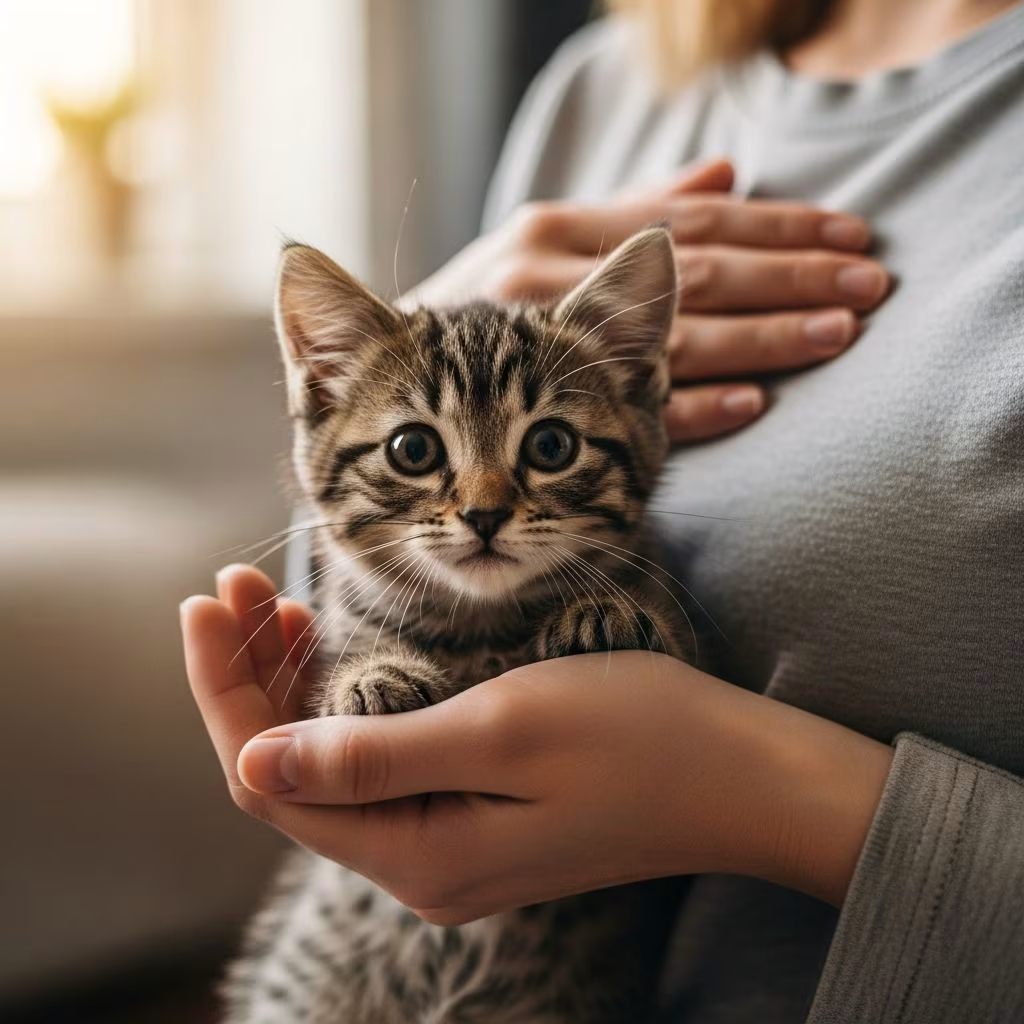
7 Things to Do When Raising a Kitten
Bringing a new kitten into your home is an exciting adventure filled with adorable moments and playful antics. However, raising a healthy, well-adjusted kitten requires dedication, knowledge, and preparation. Understanding the fundamentals of kitten care during their critical early months sets the foundation for a happy, balanced adult cat. Whether you’re a first-time kitten parent or an experienced cat owner, these seven essential practices will help you navigate the rewarding journey of raising your feline companion.
1. Start With Proper Nutrition
Nutrition is the cornerstone of your kitten’s development. During their first year, kittens experience rapid growth and require specially formulated food that supports this critical developmental stage. Feeding your kitten the right diet ensures they receive essential nutrients like taurine, choline, and high-quality proteins necessary for muscle development, brain function, and overall health.
When selecting food for your new kitten, prioritize high-quality options with complete and balanced nutrition according to AAFCO (Association of American Feed Control Officials) standards. Many veterinarians recommend offering a combination of wet and dry food, as wet food provides additional hydration—a crucial benefit since many kittens don’t drink enough water on their own. The higher water content in wet food helps maintain proper kidney function and urinary tract health.
Feeding frequency depends on your kitten’s age. Very young kittens require multiple small meals throughout the day, while older kittens can transition to fewer, larger meals as they grow. Consult with your veterinarian to determine the appropriate feeding schedule and portion sizes for your kitten’s age and weight.
2. Schedule Regular Veterinary Care
Professional veterinary care is non-negotiable when raising a healthy kitten. Your kitten’s first veterinary visit should occur within the first few days of bringing them home. During this initial appointment, your veterinarian will conduct a comprehensive health examination, assess your kitten’s overall condition, and establish a vaccination and preventive care schedule.
Kittens require a series of vaccinations during their early months to protect against serious diseases. Your veterinarian will typically recommend vaccines for feline distemper, feline leukemia, and rabies. Additionally, your vet should test your kitten for feline leukemia virus (FeLV) and feline immunodeficiency virus (FIV) at their first visit to ensure they remain healthy.
Beyond vaccinations, discuss flea and tick prevention with your veterinarian. These parasites can cause serious health problems, and your vet can recommend the safest products for your kitten’s age and weight. Planning for spaying or neutering is also important; most veterinarians recommend this procedure between four and six months of age to prevent unwanted litters and reduce certain health risks.
3. Socialize Your Kitten
Socialization during the kitten’s early months is critical for developing a confident, well-adjusted adult cat. Proper socialization involves gently exposing your kitten to various people, animals, environments, sounds, and experiences they’ll likely encounter throughout their lives. This exposure helps prevent fear and aggression issues later in adulthood.
The socialization window for kittens is relatively short, typically occurring between two and seven weeks of age. During this period, kittens are naturally curious and more receptive to new experiences. Gentle handling should begin around two to four weeks of age, introducing soft touches, holding, belly stroking, light petting, and brushing. These early handling experiences also prepare your kitten for future veterinary examinations and grooming procedures.
Introduce your kitten to different people, including children, adults of various ages, and visitors. Allow them to interact with other pets in a controlled, supervised manner. Expose them to various sounds, textures, and environments within your home. Provide enriching toys and experiences that stimulate their mind and body. Positive early socialization experiences create a foundation for a cat that’s comfortable in diverse situations and less prone to anxiety or behavioral problems.
4. Establish Litter Box Training
Most kittens naturally instinctively use litter boxes, but proper setup and maintenance ensure consistent success. Provide at least one litter box per kitten, plus one additional box (so two boxes for one kitten, three for two kittens, and so on). Place litter boxes in accessible locations away from their food and water bowls—cats naturally prefer to eliminate away from their eating areas.
Choose a litter box that’s appropriately sized for your kitten. It should be large enough for them to comfortably turn around and dig. For younger kittens, consider starting with a shallow litter box (a small cookie sheet works well) to make entry easier. Use unscented, dust-free litter, as strong scents and dust can deter kittens from using the box.
Maintain cleanliness by scooping the litter box daily and performing complete litter changes weekly. Kittens are more likely to use a clean litter box consistently. If accidents occur, don’t punish your kitten; instead, gently place them in the litter box to reinforce the correct behavior. Use enzymatic cleaners specifically formulated for pet accidents to eliminate odors that might encourage future mishaps in the same location.
5. Provide Environmental Enrichment and Play
Kittens are bundles of energy with natural hunting and play instincts. Providing appropriate outlets for these behaviors prevents destructive tendencies and keeps your kitten mentally and physically stimulated. Offer a variety of toys that cater to different play styles and interests.
Interactive hunting toys—such as wand toys, laser pointers, and toys designed to be chased—engage your kitten’s natural predatory instincts and provide excellent exercise. Rotate toys regularly to maintain novelty and interest. Puzzle feeders and treat-dispensing toys stimulate their problem-solving abilities while providing mental enrichment.
Environmental enrichment extends beyond toys. Provide vertical spaces like cat trees, wall-mounted shelves, and climbing structures. These elevated perches satisfy your kitten’s climbing instincts and provide safe observation points. Scratching posts and scratchers protect your furniture while allowing your kitten to engage in natural scratching behavior—essential for claw health and territorial marking.
Interactive play sessions with you strengthen your bond with your kitten while providing necessary exercise. Dedicate time daily to play, using toys that encourage running, pouncing, and climbing. Even brief play sessions of 10-15 minutes several times daily significantly impact your kitten’s well-being.
6. Implement Grooming and Dental Care
Establishing grooming routines early helps your kitten become comfortable with handling and maintenance activities. Regular brushing removes loose hair, prevents matting, and reduces hairballs. Veterinarians recommend daily brushing for optimal coat health, though several times per week is beneficial. During grooming sessions, gently examine your kitten’s skin for any abnormalities.
Nail trimming should begin early—even as young as four weeks old—to acclimate your kitten to paw handling. Regular trims, ideally weekly, prevent overgrowth, reduce the risk of ingrown nails, and minimize scratches to furniture and skin. Start with brief sessions to build your kitten’s comfort with the process.
Dental care often gets overlooked but is crucial for long-term health. Begin dental care early by introducing a toothbrush and cat-safe toothpaste. Aim to brush your kitten’s teeth several times per week, gradually building to daily brushing as they become comfortable. Early dental habits prevent tartar buildup, gum disease, and tooth loss later in life.
7. Kitten-Proof Your Home
Creating a safe environment protects your curious kitten from potential hazards while protecting your home from damage. Kittens are naturally inquisitive and may explore dangerous areas if given the opportunity.
Secure cabinets and toxic substances: Install baby locks on cabinets, especially those containing cleaning chemicals, medications, and other toxic substances. Store all hazardous materials securely out of reach. Many common household items—including certain plants, cleaning products, and human medications—are toxic to cats.
Close toilet lids: Curious kittens can slip and fall into open toilets and potentially drown. Keep all toilet lids closed when not in use and consider installing toilet lid locks if you have young children or multiple kittens.
Manage human food: While some human foods are safe for cats, many can cause gastrointestinal upset or serious toxicity. Store all human food securely away from your kitten’s reach. Avoid offering human food treats until your kitten reaches adulthood.
Inspect screens and doors: Ensure all screens are in good condition with no holes or tears your kitten could squeeze through. Check door seals to prevent your kitten from escaping outdoors.
Block appliance access: Keep your kitten away from dangerous appliances including blenders, water heaters, furnaces, and washing machines. These pose burn, entrapment, and injury risks.
Secure electrical cords: Cover or secure electrical cords to prevent chewing-related electrocution injuries.
Remove choking hazards: Keep small objects, string, yarn, rubber bands, and plastic bags out of reach, as kittens may swallow these items, causing serious digestive blockages.
Essential Supplies Checklist
Before bringing your kitten home, gather these essential supplies:
| Item | Purpose | Notes |
|---|---|---|
| High-quality kitten food | Proper nutrition and development | Complete and balanced with taurine and choline |
| Food and water bowls | Feeding and hydration | Shallow, wide bowls prevent whisker irritation |
| Litter box and litter | Bathroom facility | Unscented, dust-free litter; appropriate size for kitten |
| Cat bed or cozy shelter | Safe sleeping space | Kittens sleep 16-18 hours daily |
| Toys (variety) | Play and enrichment | Interactive, puzzle, and hunting toys |
| Scratching posts | Natural scratching outlet | Protects furniture and maintains claw health |
| Cat carrier | Safe transport | Essential for vet visits and travel |
| Grooming supplies | Coat and claw maintenance | Brush, nail clippers, toothbrush, and toothpaste |
| ID collar and tag | Identification if escaped | Include your contact information |
| Enzymatic cleaner | Accident cleanup | Specifically formulated for pet messes |
Frequently Asked Questions
Q: When should I bring my kitten to the vet for the first time?
A: Schedule your kitten’s first veterinary visit within the first few days of bringing them home. This allows the vet to perform a health check, establish a vaccination schedule, and answer any initial care questions you may have.
Q: How often should I feed my kitten?
A: Very young kittens (under 8 weeks) require feeding four times daily. Kittens aged 8 weeks to 6 months should eat three times daily. After 6 months, most kittens can transition to twice-daily feeding. Always follow your veterinarian’s specific recommendations based on your kitten’s age and weight.
Q: Is it safe to give my kitten treats?
A: Yes, kittens can have treats once they’re fully weaned and eating solid food, around 8 to 10 weeks old. Choose protein-based treats to support growth and development. Limit treats to no more than 10 percent of your kitten’s daily caloric intake to prevent nutritional imbalances.
Q: When can kittens start using catnip?
A: Most kittens don’t respond to catnip until 6 months to 1 year of age. Wait until your kitten reaches this age before introducing catnip toys or treats.
Q: How do I know if my kitten is getting enough water?
A: Kittens need approximately 2 ounces of water per 2.5 pounds of body weight daily. Provide fresh water in clean bowls. Feeding wet food in addition to dry kibble helps ensure adequate hydration, as many kittens don’t drink enough water independently.
Q: What age should I spay or neuter my kitten?
A: Most veterinarians recommend spaying or neutering kittens between 4 to 6 months of age. This procedure prevents unwanted litters and reduces the risk of certain health conditions and behavioral problems. Consult your veterinarian about the ideal timing for your specific kitten.
Q: How can I prevent my kitten from scratching furniture?
A: Provide appropriate scratching posts and scratchers throughout your home, placed near areas where your kitten naturally scratches. Use nail caps as a temporary solution, and trim nails regularly. Redirect your kitten to scratching posts when they scratch furniture, and reward them for using appropriate scratching surfaces.
Q: What should I do if my kitten has an accident outside the litter box?
A: Don’t punish your kitten. Instead, gently place them in the litter box to reinforce the correct behavior. Clean accidents thoroughly with enzymatic cleaners to remove odors that might encourage future mishaps in the same location. Ensure you have enough litter boxes (one per kitten plus one extra) and keep them clean.
References
- New Kitten Checklist: 11 Things Your New Kitten Needs — Chewy. 2024. https://www.chewy.com/education/cat/new-cat/new-kitten-checklist
- What to Feed Kittens: Kitten Feeding Guide for Every Lifestage — Chewy. 2024. https://www.chewy.com/education/cat/food-and-nutrition/what-to-feed-kittens
- How to Socialize a Kitten: An Expert Guide to Introducing Your Cat — Chewy. 2024. https://www.chewy.com/education/cat/training-and-behavior/how-to-socialize-a-kitten
- How Much To Feed a Kitten — Chewy. 2024. https://www.chewy.com/education/cat/new-cat/how-much-to-feed-your-kitten
- New Cat and Kitten Product Checklist — Chewy. 2024. https://www.chewy.com/education/cat/new-cat/new-cat-product-checklist-for-every-life-stage
- Association of American Feed Control Officials (AAFCO) — Official AAFCO Standards for Pet Food. 2024. https://www.aafco.org



