

7 Surprising Facts About Dog Kisses You Should Know
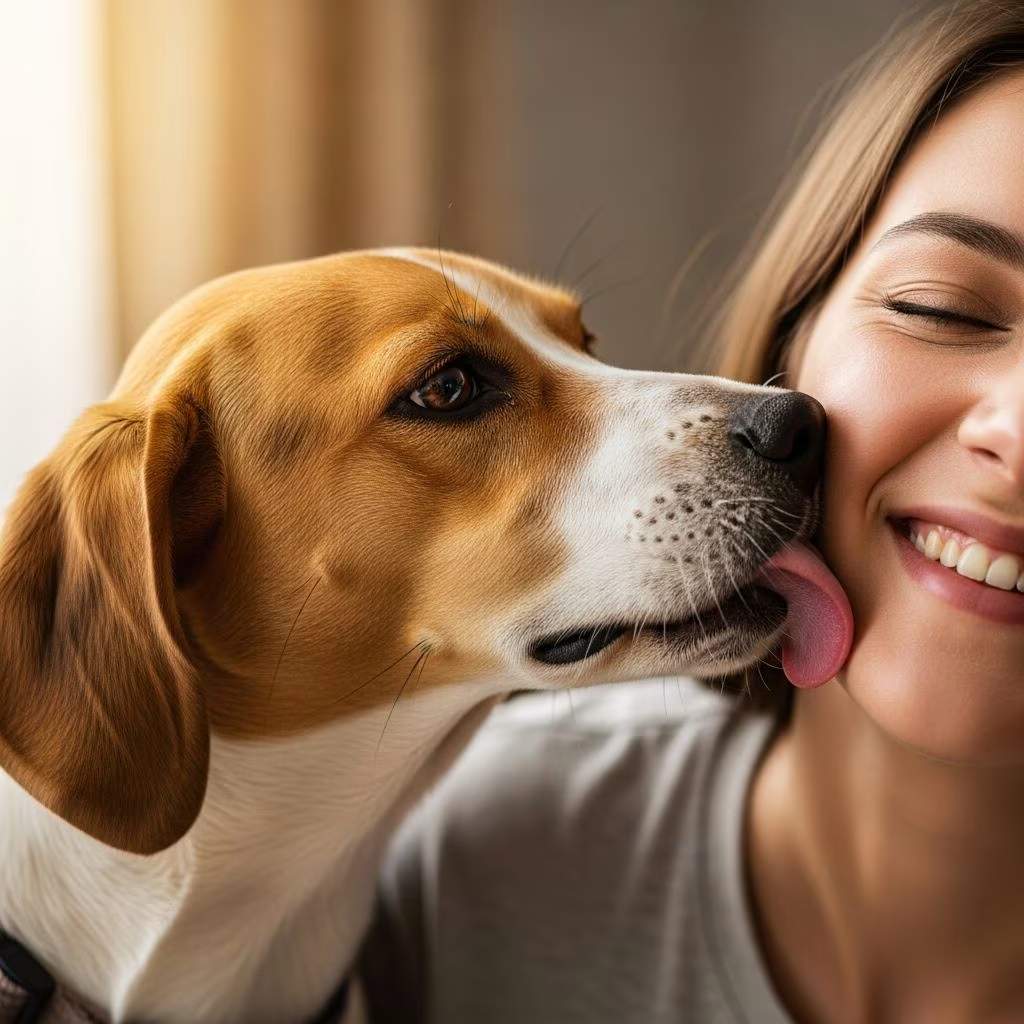
When your dog leans in and gives you wet, enthusiastic licks on your face, it’s more than just an adorable moment—it’s a complex form of communication rooted in canine biology and behavior. Dog kisses are one of the most beloved interactions between pets and their owners, yet many dog parents don’t fully understand what these kisses mean or why their furry companions engage in this behavior. Understanding the science and psychology behind dog kisses can deepen your appreciation for your pet’s affection and help you recognize what your dog is trying to tell you.
Fact 1: Dog Kisses Are a Sign of Affection and Bonding
One of the most fundamental truths about dog kisses is that they’re a genuine expression of love and attachment. When your dog licks your face or gives you gentle kisses, they’re communicating that they care about you and want to strengthen your bond. This behavior traces back to puppyhood, when mother dogs lick their puppies to clean them and show nurturing care. As adult dogs, they transfer this maternal instinct to their human family members, viewing you as part of their pack.
Research has demonstrated that when dogs lick their owners, both the dog and the human experience a release of oxytocin, often called the “love hormone.” This biochemical response is the same one that bonds human parents to their babies, indicating that the emotional connection between dogs and humans is deeply rooted in our biology. When your dog gives you kisses, they’re not just showing surface-level affection—they’re actually triggering a neurochemical reaction that strengthens your emotional bond.
Fact 2: Dog Kisses Serve as a Greeting Ritual
Dogs are creatures of habit and ritual, and kissing is a significant part of how they greet people they care about. When you come home after being away, your dog’s enthusiastic licking is their way of saying, “I missed you!” and expressing excitement about your return. This greeting ritual is a natural canine behavior that shows your dog recognizes you as an important member of their social group.
According to certified applied animal behaviorists, when dogs lick a person, especially as a greeting, it is a sign of affection. This behavior becomes particularly intense after separations because your dog is reestablishing the bond and reassuring themselves that you’re safe and back in their territory. The intensity of the greeting kiss is often proportional to how much your dog has missed you.
Fact 3: Dog Kisses Can Indicate Empathy and Comfort
Perhaps one of the most touching facts about dog kisses is that they can be a sign of empathy. Research has shown that dogs are capable of recognizing when their humans are upset or distressed, and they often respond by offering comfort through licking. When you’ve had a difficult day and your dog licks away your tears or licks your face, they’re not just reacting to salt on your skin—they’re genuinely trying to comfort you.
Studies published in peer-reviewed animal behavior research have demonstrated that some dogs lick humans when trying to comfort them, a behavior consistent with empathy and concern. If you’ve noticed your dog becoming especially licky when you’re sad, anxious, or upset, this is your pup’s way of showing they care about your emotional wellbeing. This remarkable ability to sense and respond to human emotions is one of the reasons dogs have earned their reputation as humanity’s best friend.
Fact 4: Curiosity Drives Much of Dogs’ Licking Behavior
While affection is a major driver of dog kisses, curiosity plays an equally important role. Dogs explore the world primarily through their senses, especially smell and taste. Just as humans use their hands to touch and pick up objects, dogs use their mouths to investigate their environment and the people in it.
When your dog licks you, they’re gathering information about where you’ve been, what you’ve been doing, and even which other dogs you might have petted. Your dog’s nose is extraordinarily sensitive, and when they lick you, they’re supplementing their sense of smell with taste to create a more complete picture of your day. That innocent lick might be your dog’s way of saying, “Tell me everything—where have you been, and who have you been with?”
Fact 5: Licking Can Be an Attention-Seeking Behavior
Not all dog kisses are born from pure affection or curiosity. Sometimes, your dog’s licking is actually a learned behavior designed to get your attention. Dogs are intelligent social creatures that quickly learn which behaviors elicit responses from their humans. If you squeal, laugh, or react enthusiastically when your dog licks you, they learn that licking is an effective way to engage you in interaction.
Even negative attention can reinforce licking behavior. If you respond to your dog’s licking by saying “stop it!” or waving your arms, your dog may interpret this as engagement and excitement rather than disapproval. From your dog’s perspective, any reaction is better than no reaction, so they continue the behavior to maintain your attention. Understanding this attention-seeking component is important for dog owners who want to manage or redirect excessive licking.
Fact 6: Understanding When Dog Kisses Become Excessive
While occasional dog kisses are adorable and healthy, there is a point at which licking can become excessive and potentially problematic. According to veterinary behaviorists, a canine kiss on the cheek is fine every now and then, but licking should not be so frequent or intense that it becomes a bother or interferes with daily activities.
Excessive licking can indicate underlying health issues such as anxiety, obsessive-compulsive disorder, skin allergies, or parasites. If your dog is constantly licking themselves, you, or objects around the house, it may be time to consult your veterinarian. A vet can rule out medical conditions and help determine whether the behavior is psychological. In some cases, excessive licking may also indicate that your dog needs more mental stimulation or physical exercise.
Fact 7: Dog Kisses Reveal the Strength of Your Bond
Perhaps the most significant fact about dog kisses is that they serve as a reliable indicator of the quality of your relationship with your pet. Dogs are selective about who they give affection to, and the frequency and enthusiasm of your dog’s kisses can tell you a lot about how your dog feels about you. A dog that regularly gives you gentle kisses is expressing trust, security, and love.
Research using MRI scans has shown that the part of a dog’s brain linked to positive emotions lights up most when dogs smell their owner’s scent, more than any other smell they’re exposed to. This suggests that your dog is actively thinking about you positively and experiencing genuine comfort and joy in your presence. Your dog’s kisses are a window into their inner emotional world and their assessment of you as a safe, beloved member of their family.
The Science Behind Dog Saliva and Health Considerations
Beyond the emotional aspects of dog kisses, there are some interesting scientific facts about dog saliva worth considering. Dog saliva contains compounds with potential antibacterial and antiviral properties, which is why dogs instinctively lick their wounds. However, while these properties are beneficial in moderation, excessive licking can prevent proper wound healing and should be managed by pet owners and veterinarians.
It’s important to note that despite some beneficial compounds in dog saliva, human mouths contain different bacteria than dog mouths, so while dog kisses are generally safe, excessive contact with dog saliva on open wounds or near your mouth should be minimized.
Managing Your Dog’s Kissing Behavior
If you enjoy your dog’s kisses, there’s no reason to discourage the behavior entirely. However, if you’d like to reduce excessive licking or teach your dog to give kisses on command, there are several strategies you can employ:
- Redirect attention to toys or other activities when your dog begins excessive licking
- Use positive reinforcement to reward calm behavior rather than licking episodes
- Avoid enthusiastic reactions to licking, as this can reinforce the behavior
- Provide adequate physical exercise and mental stimulation to reduce anxiety-driven licking
- Consult a professional dog trainer if licking becomes unmanageable
The Connection Between Dog Kisses and Overall Pet Health
While dog kisses are wonderful expressions of affection, they can sometimes signal health concerns. For instance, excessive licking of the face or other body parts might indicate skin allergies, parasites, or other health conditions. Additionally, if your dog’s breath is noticeably bad when they give kisses, this could signal dental disease or other underlying health issues that warrant a veterinary visit.
Bad breath in dogs is most commonly caused by plaque and tartar buildup on teeth, which releases byproducts containing stinky sulfur compounds. Maintaining your dog’s dental health through regular brushing and professional cleanings can ensure that their kisses remain fresh and pleasant while also protecting their overall health.
Frequently Asked Questions About Dog Kisses
Q: Why does my dog lick my face when I cry?
A: Your dog is likely responding to your emotional distress with empathy and concern. Dogs can sense when their humans are upset and often attempt to comfort them through licking. This behavior demonstrates that your dog genuinely cares about your emotional wellbeing.
Q: Is it safe to let my dog lick my face?
A: Generally, occasional dog kisses on the face are safe and are a normal part of bonding with your pet. However, it’s wise to avoid allowing your dog to lick your mouth or open wounds. If you have concerns about hygiene or health, consult your veterinarian.
Q: What does it mean if my dog doesn’t lick me?
A: Not all dogs express affection through licking. Some dogs show love through other behaviors such as leaning against you, maintaining eye contact, following you around, or wagging their tails. Every dog has a unique personality and communication style.
Q: How can I stop my dog from licking me excessively?
A: You can redirect the behavior by offering toys or treats, avoid rewarding licking with attention, ensure your dog gets adequate exercise, and maintain a consistent routine. If excessive licking persists, consult your veterinarian to rule out medical or anxiety-related causes.
Q: Do all dog breeds lick as a form of affection?
A: While licking is a common canine behavior, individual dogs and breeds show affection differently. Some breeds are known for being more affectionate and licky, while others may prefer different forms of interaction. Genetics, socialization, and individual personality all play roles in how dogs express affection.
Q: Can dog kisses transmit diseases to humans?
A: While dog saliva does contain bacteria, the risk of disease transmission through occasional dog kisses is very low for healthy individuals. People with compromised immune systems should exercise more caution. Maintaining good hygiene and keeping your dog’s vaccinations current further reduces any potential risks.
Q: Why does my dog lick other dogs?
A: Dogs lick each other as a sign of affection and social bonding. However, licking can also indicate submission or deference, especially if accompanied by other submissive body language. The context and body language of the licking dog will help you determine the meaning.
Conclusion
Dog kisses are far more than just adorable moments in your relationship with your pet. They represent a complex interplay of canine biology, emotion, communication, and bonding. Whether your dog’s kisses are expressions of pure love, curiosity, or attention-seeking, they all reflect the deep connection between humans and their canine companions. By understanding the science and meaning behind dog kisses, you can better appreciate these moments and ensure you’re responding to your dog’s needs appropriately. The next time your pup leans in for a kiss, know that they’re likely communicating something meaningful about how much you matter to them.
References
- Does My Dog Love Me? 7 Signs That Your Pup’s a Fan — Chewy. https://www.chewy.com/education/dog/training-and-behavior/does-my-dog-love-me-2
- Why Do Dogs Lick You? Is This Normal? — Chewy. https://www.chewy.com/education/dog/training-and-behavior/why-do-dogs-lick-you
- 8 Gross Things Your Dog Does (And Why) — Chewy. https://www.chewy.com/education/dog/training-and-behavior/behavior-pet-facts-8-gross-things-your-dog-does-why
- Why Are Dogs A Man’s Best Friend? — Chewy. https://www.chewy.com/education/dog/general/dog-actually-best-friend
- How to Get Rid of Your Dog’s Bad Breath for the Freshest of Kisses — Chewy. https://www.chewy.com/education/dog/health-and-wellness/how-to-get-rid-of-bad-dog-breath-for-the-freshest-of-kisses



