

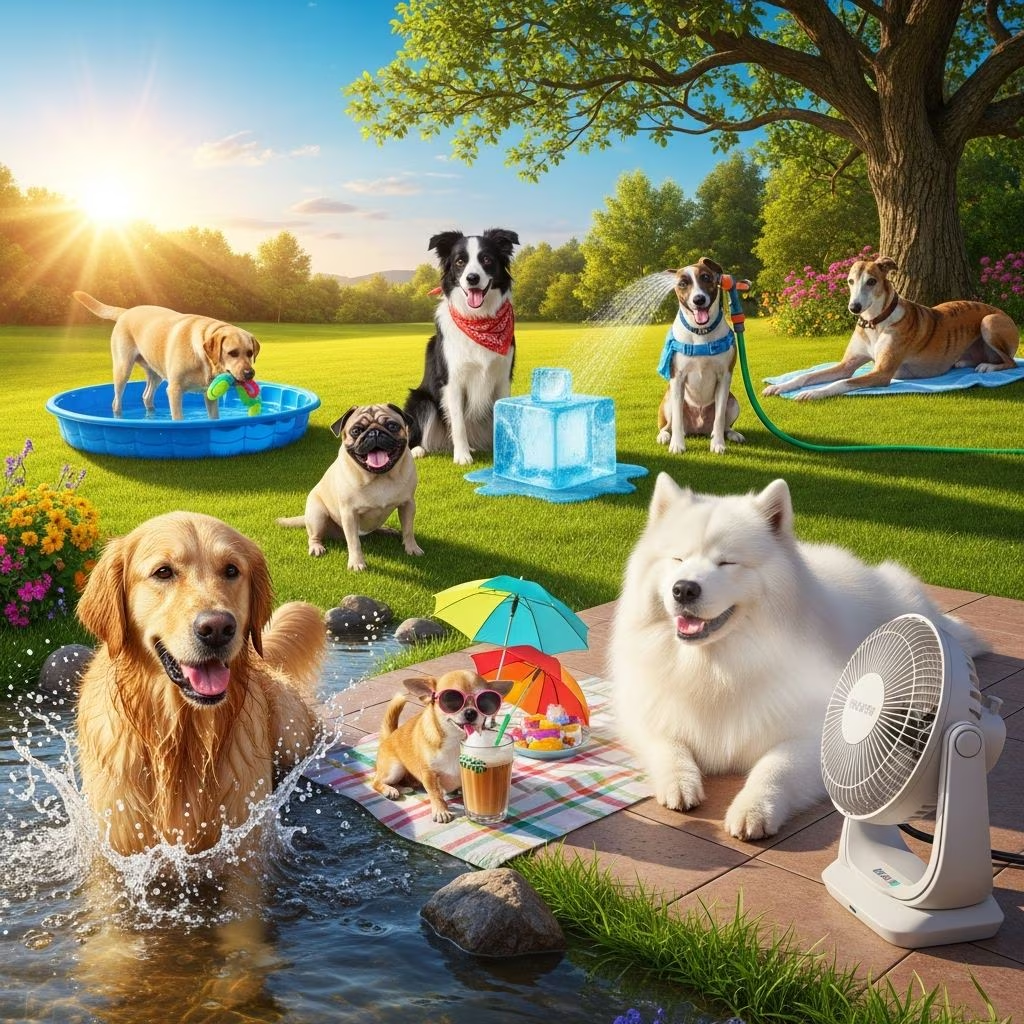
As temperatures rise and summer arrives, many dog owners find themselves searching for ways to keep their furry companions cool and comfortable. While some dogs are naturally equipped to handle the scorching heat of summer, others struggle significantly when the mercury climbs. Understanding which breeds are built for warm weather and learning how to protect all dogs during hot months is essential for responsible pet ownership. This comprehensive guide explores seven dog breeds that thrive in summer conditions and provides expert advice for keeping any dog safe during the hottest season of the year.
Understanding Heat-Tolerant Dog Breeds
Not all dogs are created equal when it comes to handling summer heat. Certain breeds have evolved over centuries in warm climates, developing physical characteristics that make them naturally resistant to high temperatures. These heat-tolerant breeds typically have shorter coats, leaner builds, and efficient cooling systems that allow them to maintain comfortable body temperatures even when the weather outside is sweltering.
In contrast, breeds with thick double coats, flat faces, or heavier builds struggle significantly in hot weather. Understanding your dog’s breed characteristics and heat tolerance is the first step in ensuring their safety and comfort throughout the summer season. Some dogs are simply not designed to spend extended periods in direct sunlight or extreme heat, and their owners must take extra precautions to keep them cool.
The Science of Heat Tolerance in Dogs
Dogs have a limited ability to regulate body temperature compared to humans. While humans can sweat across their entire body, dogs can only cool themselves through panting and the limited sweating that occurs through their paw pads. This fundamental difference means that heat management is critical for canine health and safety.
Humidity plays a particularly important role in how effectively dogs can cool themselves. When humidity levels are high, panting becomes less effective at evaporating moisture, making it harder for dogs to shed excess body heat. This is why heat index—a combination of temperature and humidity—matters more than air temperature alone when determining whether conditions are safe for outdoor dog activities.
Heat Index Guidelines for Dog Safety
According to veterinary experts, specific heat index ranges help determine safe outdoor conditions for dogs:
- 60°-64°F: Safe for all dogs
- 65°-69°F: Safe for small and medium dogs; potentially moderate risk for some large breeds
- 70°-75°F: Unlikely risk for small and medium dogs; moderate risk for large breeds or at-risk dogs
- 76°-80°F: Potentially unsafe for all dogs; moderate to high risk for larger dogs
- Above 80°F: Significant risk for all dogs, especially vulnerable breeds
Generally, temperatures above 89°F put most dogs at risk of heat stroke, and outdoor activities should be avoided when temperatures reach 90°F or higher.
Seven Dog Breeds That Thrive in Summer Heat
1. The Vizsla: The Velcro Dog of Summer
Vizslas are lean, athletic dogs with short, smooth coats that make them excellent candidates for hot weather. Their light-colored, thin coat provides minimal insulation, allowing heat to dissipate quickly from their bodies. These energetic companions were originally bred in Hungary for hunting in warm climates, and their physiology reflects this heritage. Vizslas love outdoor activities and can handle extended play sessions in warm weather better than many other breeds.
2. The Weimaraner: Gray Ghost of the Summer
With their distinctive silver-gray coat and lean, muscular build, Weimaraners are naturally equipped for summer activity. Their short, dense coat, while providing protection from the sun, does not trap excessive heat like double-coated breeds. These athletic dogs were bred for hunting in warm European climates and maintain high energy levels throughout summer. They thrive when given opportunities for regular exercise in appropriate conditions.
3. The Rhodesian Ridgeback: African Heat Champion
Rhodesian Ridgebacks were specifically bred to hunt lions in the African heat, making them one of the most heat-tolerant breeds available. Their short, dense coat reflects sunlight effectively, and their body structure is optimized for warm climates. These dogs can handle higher temperatures than most other breeds and actually prefer warmer weather. Their heat tolerance comes from centuries of selective breeding in one of the world’s hottest regions.
4. The Boxer: Muscular Heat Handler
Boxers possess short, fine coats and lean, athletic builds that make them relatively heat-tolerant compared to other large breeds. Their breeding history and physiology allow them to handle warm weather reasonably well. However, despite their heat tolerance, Boxers still require careful monitoring during extreme heat and should follow summer safety guidelines to prevent overheating.
5. The Pharaoh Hound: Desert-Born Canine
The Pharaoh Hound traces its ancestry back to ancient Egypt, where dogs were bred to function in desert heat. These sleek, lean dogs have minimal body fat and short coats that shed heat efficiently. Their ancient lineage and evolution in hot climates make them naturally suited to summer conditions. They maintain comfort in temperatures that would stress less heat-adapted breeds.
6. The Miniature Pinscher: Small But Heat-Ready
Don’t let their small size fool you—Miniature Pinschers are surprisingly heat-tolerant dogs. Their short coat, lean build, and high energy levels mean they can handle warm weather activity. These compact dogs were bred to hunt rats in warm German climates and have inherited physical traits that support heat tolerance. Small dogs generally recover from overheating more quickly than larger breeds, though all dogs require proper precautions in extreme heat.
7. The Basenji: Africa’s Barkless Wonder
The Basenji, originating from Central Africa, represents the pinnacle of heat adaptation in domestic dogs. These dogs were bred to hunt in African heat and maintain exceptional heat tolerance. Their short coat, lean physique, and efficient thermoregulation make them ideal for hot climates. Basenjis actually prefer warm weather and often struggle in cold climates, making them natural summer companions.
Essential Summer Safety Tips for All Dogs
Timing Your Walks Strategically
One of the most important strategies for summer dog safety is timing outdoor activities appropriately. Avoid walking your dog during peak heat hours, typically between 10 a.m. and 4 p.m. when the sun is strongest. Instead, schedule walks for early morning, before 8 a.m., or evening, after 7 p.m., when outdoor surfaces and air temperatures are cooler. This simple adjustment significantly reduces your dog’s risk of paw burns and heat-related illness.
Protecting Paw Pads from Hot Surfaces
Asphalt, concrete, and sand can become dangerously hot in summer, reaching temperatures 40-60°F hotter than the air temperature. If it’s 75°F outside, pavement could reach 125°F, which can damage your dog’s paws in as little as 60 seconds. Before taking your dog on walks, place the back of your hand on the pavement. If you cannot comfortably keep your hand there for 5-7 seconds, the surface is too hot for your dog’s paws.
When hot pavement is unavoidable, consider these alternatives:
- Walk on grass or shaded areas along your route
- Visit parks with grass paths instead of cement walkways
- Use public school running tracks if available to the public
- Choose dog-friendly beaches or lakes for swimming on extremely hot days
- Invest in breathable dog booties to protect paws during necessary outdoor time
Hydration and Water Access
Keeping your dog properly hydrated is crucial during summer months. Always carry fresh water during walks and provide frequent drinking opportunities. Leave water bowls in shaded outdoor areas if your dog spends time outside. Proper hydration helps maintain body temperature regulation and prevents dehydration-related health issues.
Providing Adequate Shade and Shelter
Ensure your dog has constant access to shade while outdoors. Trees, umbrellas, and covered structures all provide relief from direct sunlight. Shade not only helps regulate body temperature but also protects your dog’s skin from sunburn. During the hottest parts of the day, consider keeping your dog indoors in air-conditioned spaces.
Recognizing Signs of Overheating
Understanding the warning signs of heat-related illness is essential for all dog owners. Early signs of overheating include:
- Excessive or rapid panting
- Heavy drooling
- Bright red, blue, or bruised gums
- Dry or sticky gum tissue
- Weakness or lethargy
- Vomiting
- Disorientation or confusion
- Seeking shade persistently
If you notice any of these signs, move your dog to a cool location immediately, offer water, and apply cool, wet cloths to their feet, head, and belly. If symptoms persist, contact your veterinarian immediately.
Special Considerations for Heat-Sensitive Breeds
Even among heat-tolerant breeds, certain factors can increase heat sensitivity. Puppies, senior dogs, overweight dogs, and those with underlying health conditions require extra precautions regardless of breed. Flat-faced breeds like Bulldogs, Pugs, and Boston Terriers struggle significantly with heat because their facial structure makes breathing more difficult, which impairs their cooling efficiency.
When temperatures soar above 80°F, limit outdoor time for all dogs. Consider these temperature-based guidelines for outdoor activity:
- Below 70°F: Normal outdoor activity is safe
- 70-80°F: Provide frequent breaks and water
- 80-90°F: Only short, leashed walks recommended
- 90°F and above: Outdoor time limited to brief potty breaks only
Summer Cooling Strategies
Using Dog Booties and Protective Gear
High-quality dog booties protect paws from hot pavement while allowing breathability. When introducing booties to your dog, follow a gradual acclimation process. Start by showing your dog the booties and offering treats, then touch their feet with the booties followed by treats. Practice putting booties on and removing them, rewarding your dog each time. Gradually increase how long the booties stay on during positive sessions. This approach helps your dog become comfortable with protective gear without stress.
Water-Based Activities
Swimming and water-based play provide excellent cooling opportunities during summer. Dog-friendly beaches, pools, and lakes offer ideal environments for hot-weather exercise. Water activities allow dogs to enjoy physical activity while maintaining cool body temperatures. Always supervise water play and ensure your dog exits the water before exhaustion sets in.
Indoor Exercise Alternatives
When outdoor temperatures become dangerous, move exercise activities indoors. Consider enrolling your dog in indoor training classes, agility courses, or fitness facilities during peak heat hours. Mental stimulation games inside air-conditioned spaces provide necessary enrichment while avoiding heat exposure.
Prevention Is Better Than Treatment
Heat-related illness in dogs is almost always preventable when proper precautions are taken. By understanding your specific dog’s heat tolerance, following temperature guidelines, protecting paws from hot surfaces, ensuring adequate hydration, and recognizing early warning signs of overheating, you can keep your canine companion safe and comfortable throughout the summer season.
Never leave your dog unattended in parked cars, as interior temperatures can become lethal within minutes. Avoid applying sunscreen not designed for dogs, and never shave double-coated breeds, as their coats actually provide insulation that helps prevent overheating.
Frequently Asked Questions
Q: Which dog breeds handle summer heat best?
A: Breeds originating from warm climates such as Rhodesian Ridgebacks, Basenjis, Pharaoh Hounds, Vizslas, and Weimaraners have the best heat tolerance. These breeds have short coats, lean builds, and efficient cooling systems.
Q: At what temperature is it too hot to walk my dog?
A: When temperatures exceed 90°F or heat index reaches above 80°F, avoid walking most dogs. Use the hand test on pavement—if you cannot hold your hand there for 5-7 seconds comfortably, it is too hot for your dog’s paws.
Q: How can I protect my dog’s paws from hot pavement?
A: Walk during cooler hours, choose grass or shaded paths, use dog booties, or check pavement temperature with your hand before walks. Never walk on hot asphalt or concrete.
Q: What are the first signs my dog is overheating?
A: Early warning signs include excessive panting, heavy drooling, bright red gums, weakness, and seeking shade. Move your dog to cool areas immediately and contact your vet if symptoms persist.
Q: Can I leave my dog outside in summer?
A: Yes, but only with constant access to shade, fresh water, and during cooler hours. Never leave dogs in direct sun or in parked vehicles. Bring heat-sensitive dogs indoors during peak heat hours.
Q: Should I shave my dog’s coat for summer?
A: No, double-coated breeds should not be shaved. Their coat actually provides insulation that helps regulate body temperature. Shaving can increase overheating risk and expose skin to sunburn.
Q: How much water should my dog drink in summer?
A: Provide fresh water constantly and encourage frequent drinking during outdoor activities. The amount varies by dog size, activity level, and temperature. Monitor your dog’s water intake and adjust based on their thirst cues.
References
- 7 Tips for Protecting Your Dog’s Paws from Heat, Including Hot Pavement — Chewy. 2024. https://www.chewy.com/education/dog/pet-parenting/protect-pets-paws-heat
- When Is It Too Hot to Walk Your Dog Outside? — Stella & Chewy’s. 2024. https://www.stellaandchewys.com/blogs/articles/walking-dogs-in-hot-weather
- 10 Tips for Walking Dogs in Hot Weather — Chewy. 2024. https://www.chewy.com/education/dog/training-and-behavior/tips-for-walking-your-dog-in-the-summer
- 8 Breeds that Need Special Summer Care — Chewy. 2024. https://www.chewy.com/education/dog/general/behavior-breeds-8-breeds-that-need-special-summer-care
- 15 Dog Breeds That Can’t Handle the Summer Heat — Chewy. 2024. https://www.chewy.com/education/dog/general/dog-breeds-that-cant-handle-the-summer-heat
- 9 Signs of Overheating in Dogs and How To Cool Them Down — Chewy. 2024. https://www.chewy.com/education/dog/health-and-wellness/overheating-in-dogs
- How to Prevent Heatstroke and Heat Exhaustion in Dogs — Chewy. 2024. https://www.chewy.com/education/dog/health-and-wellness/how-to-prevent-heat-stroke-and-heat-exhaustion-in-dogs



