

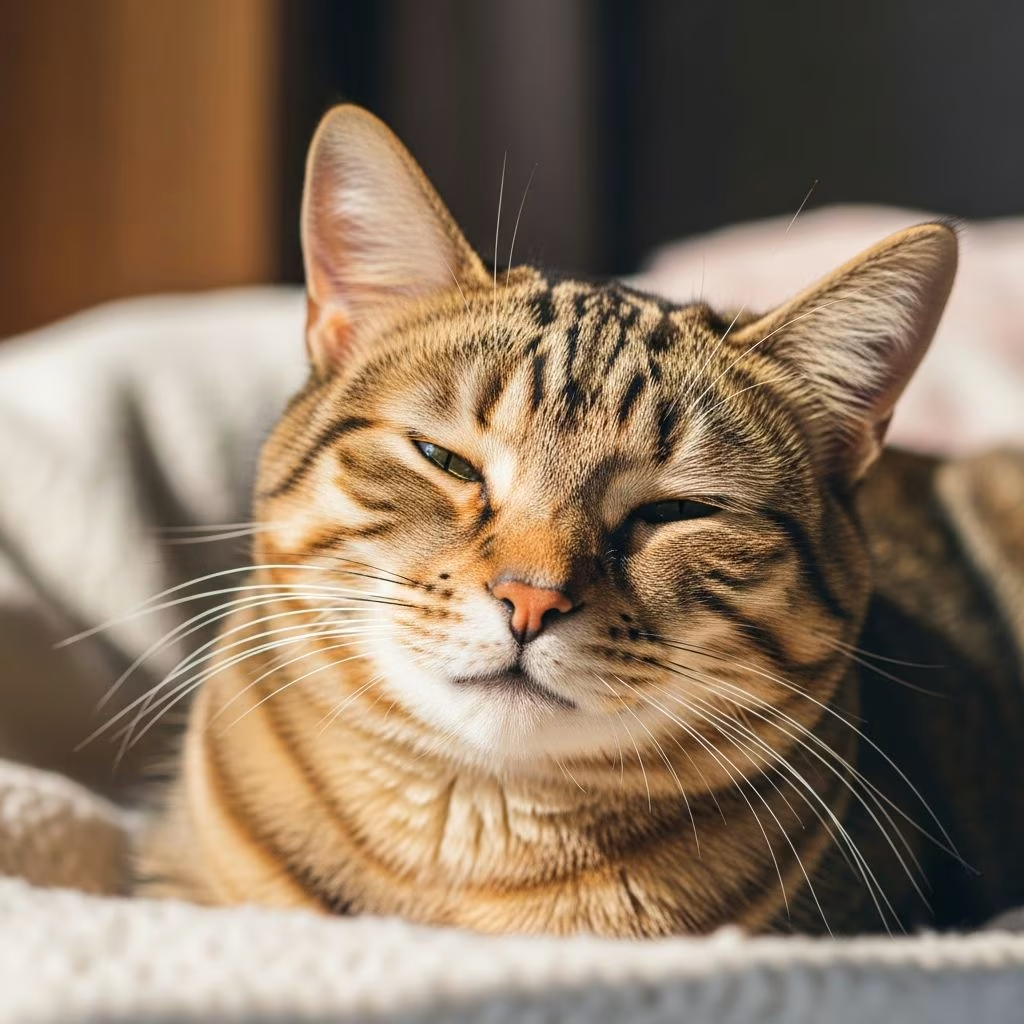
7 Signs of a Happy Cat: Know Your Feline Friend
As a cat owner, one of the greatest joys is knowing that your feline companion is truly happy and content. Unlike dogs, cats don’t wear their emotions on their sleeves, which can sometimes make it challenging to understand their emotional state. However, cats do communicate their happiness through subtle yet distinctive signs. Understanding these indicators helps you build a stronger bond with your pet and ensure they’re living their best life. Whether you’re a new cat parent or a seasoned feline enthusiast, learning to recognize these seven signs of a happy cat will give you valuable insights into your pet’s well-being.
1. Purring: The Classic Sign of Contentment
Purring is perhaps the most recognizable and beloved sign of a happy cat. When your cat emits that characteristic rumbling sound, it’s almost always an indication of contentment and pleasure. This behavior is so ingrained in feline communication that kittens begin purring just days after birth as a way to communicate with their mothers that they’re safe and secure.
While purring typically signals happiness, it’s important to note that cats may occasionally purr when they’re stressed, frightened, or even in pain. However, when your cat is curled up next to you in a relaxed posture, purring softly, you can be confident that they’re expressing genuine contentment and affection toward you. The warmth, proximity, and relaxed demeanor that accompany purring all point to a genuinely happy cat.
Encouraging purring can be as simple as spending quality time with your cat, offering gentle strokes, and creating a calm environment where they feel safe and loved.
2. Kneading (Making Biscuits): A Sign of Deep Comfort
Kneading, affectionately known as “making biscuits,” is another unmistakable sign of feline happiness and contentment. When your cat pushes their paws alternately in and out against a soft surface—whether it’s a blanket, your lap, or your chest—they’re exhibiting a behavior that dates back to their earliest days as kittens.
This comforting motion mimics the way kittens massage their mother’s body while nursing, and it’s deeply associated with security, safety, and maternal comfort. When adult cats knead, they’re essentially reliving that sense of security and expressing their contentment. The fact that your cat chooses to knead in your presence or on your body is a tremendous compliment—it means they associate you with safety and comfort.
Kneading is often accompanied by purring, creating a double signal that your cat is in a state of bliss. If your cat kneads regularly, you’re doing an excellent job providing a secure, loving home.
3. Slow Blinks: The Cat Kiss of Affection
One of the most endearing and heartwarming signs of a happy cat is the slow blink, often referred to as the “cat kiss.” When your cat makes direct eye contact with you and then slowly closes and opens their eyes, they’re communicating love and trust in a distinctly feline way.
This behavior is rooted in cat communication—in the feline world, maintaining a hard stare is considered threatening or confrontational. By slowly closing their eyes while looking at you, your cat is essentially saying, “I trust you completely, and I’m not threatened by you.” It’s a vulnerable gesture that demonstrates genuine affection.
To reciprocate this gesture and strengthen your bond, simply slow blink back at your cat. Make eye contact, then slowly close and open your eyes while looking at them. Most cats will respond positively to this exchange, further deepening your connection.
4. Upright Tail with a Hook or Quiver: A Happy Signal
A cat’s tail is like a barometer of their emotional state, and an upright tail is one of the clearest indicators of happiness. When your cat approaches you with their tail held straight up in the air, usually with a slight curve or hook at the end, they’re essentially waving a flag that says, “I’m happy to see you!”
A tail that quivers or vibrates slightly while held upright indicates especially heightened happiness and excitement. This enthusiastic tail position often accompanies other friendly behaviors like rubbing against your legs, head butting, and purring. Some cats even develop a distinctive tail vibration when they’re particularly pleased or excited about something.
In contrast, a tail that’s puffed up, tucked between the legs, or thrashing from side to side indicates stress, fear, or aggression. Learning to read your cat’s tail language is a fundamental skill for understanding their emotional state at any given moment.
5. Head Butting and Cheek Rubbing: Scent Marking Affection
When your cat rubs their head against you or head-butts you gently, they’re not just showing affection—they’re also marking you as part of their family and territory. Cats have scent glands located on the sides of their faces, and by rubbing these glands against you, they’re leaving their scent as a sign of bonding and ownership.
This behavior, combined with your cat’s friendly and curious demeanor, indicates a truly happy cat. The fact that your cat feels comfortable enough to approach you and engage in this intimate scent-marking behavior demonstrates that they trust you and consider you part of their social group.
Head butts and cheek rubs are particularly meaningful because they represent your cat’s choice to interact with you on their own terms. When your cat initiates this contact, they’re actively seeking your companionship and expressing their contentment with your presence.
6. Playfulness and Engagement: A Vibrant Spirit
Happy cats are playful cats. Whether they’re attacking a hanging feather toy, chasing a toy mouse down the hall, or engaging in interactive play with you, a cat’s willingness to play is a strong indicator of their overall well-being. Stressed or unhappy cats tend to hide, withdraw, and show little interest in play or interaction.
Playfulness serves multiple purposes in a cat’s life. It provides essential physical exercise, mental stimulation, and an outlet for their natural hunting instincts. A happy cat with a strong play drive is typically a healthy cat that’s mentally engaged and emotionally satisfied.
To encourage play and maintain your cat’s happiness, provide a variety of toys and activities that appeal to their hunting instincts. Rotate toys regularly to prevent boredom, and set aside dedicated playtime each day. Interactive play with toys on strings or wands can be particularly engaging and strengthens the bond between you and your feline companion.
7. Affectionate Behavior and Physical Closeness: Seeking Your Company
Perhaps one of the most gratifying signs of a happy cat is their desire to be near you and show affection through physical contact. A content cat may sleep on you, curl up in your lap, lick you, or simply choose to be in the same room as you throughout the day. These behaviors demonstrate trust, comfort, and genuine fondness for your company.
While cats are more solitary animals than dogs, a happy, well-socialized cat tends to be more social and less timid or aggressive than a stressed cat. The level of affection varies from cat to cat—some cats prefer lap sits and cuddles, while others enjoy being near you without necessarily being on your lap. Respecting your individual cat’s preferences while appreciating whatever affection they do offer is key to understanding and supporting their happiness.
In multi-cat households, you may also notice happy cats grooming each other, sleeping near one another, or engaging in friendly play. These behaviors indicate that your cats are content with their living situation and social relationships.
Understanding Additional Body Language Cues
Beyond the seven primary signs, several other body language indicators can help you assess your cat’s emotional state. A happy cat typically displays a relaxed posture, stretching out long and even showing vulnerable areas like their belly. Forward-facing ears that are alert and attentive indicate engagement and curiosity rather than the pinned-back ears that signal stress or anger.
Your cat’s eyes also communicate volumes—relaxed, soft eyes combined with slow blinks indicate contentment, while dilated pupils or wide eyes may suggest stress or overstimulation. A cat that grooms regularly and maintains good grooming habits in front of you is displaying both confidence and contentment.
Environmental Factors That Support Cat Happiness
Creating an environment that supports your cat’s happiness is essential for their overall well-being. Cats can experience stress, and they thrive in environments with plenty of room, toys, perches, windows for bird watching, comfortable sleeping areas, and multiple food, water, and litter box stations. Providing environmental enrichment, particularly for indoor cats, increases physical activity and mental stimulation while preventing behavioral issues.
Consider these environmental enhancements:
- Multiple vertical spaces and cat trees for climbing and surveying territory
- Window perches for observing outdoor activity
- Variety of toys that appeal to hunting instincts
- Quiet spaces where cats can retreat when they need solitude
- Interactive toys and puzzle feeders for mental engagement
- Regular interaction and playtime with their human companions
Recognizing Signs of an Unhappy Cat
Understanding what happiness looks like in cats also means recognizing signs of stress or unhappiness. Unhappy or anxious cats tend to hide, avoid interaction, and refuse to play. They may eliminate outside the litter box, display aggression, or show excessive grooming behaviors. If you notice sudden changes in your cat’s behavior, appetite, or litter box habits, consult with your veterinarian to rule out underlying health issues.
The key difference between a happy and unhappy cat often comes down to their willingness to engage with you and their environment. Happy cats are curious, playful, and actively seek interaction on their own terms.
Building and Maintaining Your Cat’s Happiness
Understanding the seven signs of a happy cat gives you the tools to create an environment where your feline friend can truly thrive. Spend quality time with your cat, provide opportunities for play and exploration, maintain a calm and predictable routine, and respect their individual personality and preferences.
Remember that every cat is unique—some are more affectionate and vocal than others, while some prefer independence balanced with occasional interaction. The most important thing is to observe your individual cat and learn what makes them content. When you see that upright tail, hear that purring motor, and receive a slow blink, you’ll know you’re doing everything right.
Frequently Asked Questions (FAQs)
Q: Why does my cat purr when they seem upset?
A: While purring typically indicates happiness, cats may occasionally purr when stressed, frightened, or experiencing pain as a self-soothing mechanism. Always consider the full context of your cat’s behavior and body language. If you notice this pattern frequently, consult your veterinarian.
Q: Does a cat that doesn’t sit on my lap mean they’re unhappy?
A: Not necessarily. Every cat has different comfort levels with physical affection. Some cats prefer being near you without being on your lap. A cat showing other signs of happiness—like purring, slow blinks, and engaging in play—is still a content cat, even if they’re not a lap cat.
Q: How often should I play with my cat to keep them happy?
A: Aim for at least 15-30 minutes of interactive play daily, broken into multiple sessions if your cat prefers. Young cats and highly active breeds may need more. Observe your cat’s energy levels and adjust accordingly.
Q: What should I do if my cat suddenly stops showing signs of happiness?
A: Sudden changes in behavior, playfulness, or affection can indicate health issues, stress, or environmental changes. Schedule a veterinary check-up to rule out medical problems, and consider any recent changes in your home that might be causing stress.
Q: Can cats be happy living indoors?
A: Yes, indoor cats can be very happy when provided with adequate environmental enrichment, including toys, climbing structures, window perches, and interactive play with their owners. The key is creating a stimulating environment that meets their physical and mental needs.
Q: Is a cat that hisses or swats unhappy?
A: Hissing and swatting are typically defensive behaviors indicating fear or overstimulation rather than unhappiness per se. A cat displaying these behaviors may be stressed or uncomfortable. Give them space and try to identify what’s triggering the defensive response.
References
- Is My Cat Happy? — Arm & Hammer. Accessed November 28, 2025. https://www.armandhammer.com/en/articles/is-my-cat-happy
- Is My Cat Happy? — PetMD. Accessed November 28, 2025. https://www.petmd.com/cat/behavior/is-my-cat-happy
- The Telltale Signs of a Happy Cat — Michelson Found Animals. Accessed November 28, 2025. https://www.foundanimals.org/telltale-signs-happy-cat/
- Is My Cat Happy? 10 Signs to Look For — Rover.com. Accessed November 28, 2025. https://www.rover.com/blog/is-my-cat-happy/
- Is Your Kitty Content? 6 Signs of a Happy, Healthy Cat — Belton Vet Clinic. Accessed November 28, 2025. https://www.beltonvetclinic.com/services/cats/blog/your-kitty-content-6-signs-happy-healthy-cat
- Cat Body Language — Cats Protection. Accessed November 28, 2025. https://www.cats.org.uk/help-and-advice/cat-behaviour/cat-body-language



