6 Ways to Naturally Freshen Your Dog’s Breath

Bad breath in dogs is more common than many pet owners realize, and it can be quite frustrating. Whether your furry friend has just woken up or has been playing outside all day, unpleasant doggy breath can make close interactions less enjoyable. Fortunately, there are numerous natural remedies and preventative measures you can implement to keep your dog’s breath fresh and their mouth healthy. Understanding the causes of bad breath and learning effective solutions will help you maintain your pet’s oral hygiene without resorting to expensive veterinary treatments or harsh chemicals.
Understanding the Causes of Bad Dog Breath
Before diving into solutions, it’s important to understand what causes bad breath in dogs. The most common culprit is poor oral hygiene, which leads to plaque and tartar buildup on teeth. Bacteria thrive in these deposits, producing foul-smelling compounds. Other causes include dental disease, gum inflammation, digestive issues, and certain medical conditions. If your dog’s bad breath is accompanied by symptoms like excessive drooling, difficulty eating, or swollen gums, it’s crucial to consult your veterinarian to rule out underlying health issues. However, for general breath freshening and oral health maintenance, natural remedies can be highly effective and safe for regular use.
1. Coconut Oil: Nature’s Breath Freshener
Coconut oil stands out as one of the most effective natural remedies for dog bad breath. This versatile ingredient contains lauric acid and other compounds with powerful antibacterial and antiviral properties that help combat the bacteria responsible for foul-smelling breath. When applied to your dog’s teeth and gums, coconut oil creates an inhospitable environment for harmful microorganisms while also reducing plaque and tartar buildup.
How to Use Coconut Oil:
- Add approximately one teaspoon of coconut oil to your dog’s daily food
- Rub a small amount directly onto your dog’s teeth and gums
- Mix it into homemade dog treats for a tasty and beneficial snack
- Apply it as a natural toothpaste by massaging it along the gum line
Many dogs enjoy the taste of coconut oil, making it an easy supplement to incorporate into their daily routine. Start with small amounts to allow your dog’s digestive system to adjust, and watch for any signs of digestive upset. The added benefit is that coconut oil also promotes a shiny, healthy coat, making it a win-win supplement for your pet’s overall wellness.
2. Parsley and Mint: Herbal Breath Fighters
Fresh herbs like parsley and mint have been used for centuries to freshen breath in both humans and animals. These remarkable plants are rich in chlorophyll, a natural compound known for its deodorizing and breath-freshening properties. Additionally, parsley contains antimicrobial agents and anti-inflammatory compounds that support gum health, while mint aids in digestion—a key factor in maintaining fresh breath from the inside out.
How to Incorporate Herbs:
- Chop fresh parsley or mint finely and sprinkle small amounts over your dog’s food
- Mix herbs into homemade dog treats for a flavorful boost
- Create an herbal infusion by steeping fresh herbs in water and adding a small amount to your dog’s water bowl
- Use fresh herbs as occasional treats your dog can chew on
Always use fresh herbs rather than dried varieties, as fresh herbs retain more of their beneficial compounds and chlorophyll content. Start with small quantities—just a pinch or two over their food—and observe how your dog responds. Most dogs tolerate these herbs well, and you’ll likely notice fresher breath within a few days of consistent use.
3. Crunchy Fruits and Vegetables: Natural Dental Cleaners
One of the simplest ways to naturally clean your dog’s teeth is through crunchy fruits and vegetables. The mechanical action of chewing these foods helps scrape away plaque and tartar buildup, much like a natural toothbrush. Carrots, apples, and celery are excellent options that combine dental benefits with nutritional value.
Best Choices for Dental Health:
- Carrots: Low in calories and excellent for scraping teeth clean
- Apples: Rich in vitamin C and natural sugars that dogs enjoy (remove seeds first)
- Celery: Crunchy texture that promotes chewing and saliva production
- Green beans: Nutritious and gentle on sensitive mouths
When offering these treats, always cut them into appropriate bite-sized pieces to prevent choking hazards. Avoid toxic fruits and vegetables such as grapes, onions, and avocados. You can offer these crunchy treats as occasional snacks or incorporate them into your dog’s regular meal routine. The combination of chewing action and the natural compounds in these foods creates an effective defense against bad breath and dental disease.
4. Yogurt and Probiotics: Supporting Digestive Health
A healthy digestive system is fundamental to fresh breath. Probiotics help balance the bacteria in your dog’s gut, reducing the fermentation and odor production that can lead to unpleasant breath. Plain yogurt is an excellent natural source of probiotics and can be easily incorporated into your dog’s diet.
Using Yogurt for Breath Freshness:
- Add one to two teaspoons of plain, unsweetened yogurt to your dog’s daily food
- Offer plain yogurt as an occasional treat
- Mix yogurt with other safe fruits or vegetables for added flavor and nutrition
- Consider probiotic supplements specifically formulated for dogs if your pet is lactose intolerant
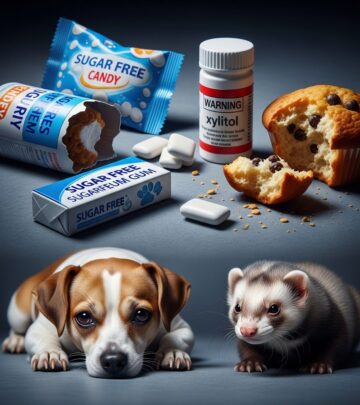
It’s crucial to use only plain yogurt without added sugars, artificial sweeteners, or fruity flavors. Xylitol, an artificial sweetener found in some yogurt products, is toxic to dogs and must be avoided at all costs. Watch your dog for signs of lactose intolerance, such as digestive upset or diarrhea, and adjust portions accordingly. Many dogs benefit significantly from regular probiotic supplementation, experiencing improved digestion and fresher breath within two to three weeks.
5. Apple Cider Vinegar and Lemon Juice: Acidic Breath Fighters
Apple cider vinegar and lemon juice contain natural acids that combat the bacteria responsible for bad breath. The malic and acetic acids in these liquids create an unfavorable environment for harmful microorganisms while also helping to reduce plaque buildup on teeth. Additionally, these ingredients are natural sources of essential minerals like calcium, potassium, and magnesium.
Application Methods:
- Add one-half teaspoon of apple cider vinegar or lemon juice to your dog’s water bowl
- Mix into wet food for dogs that don’t drink flavored water
- Use diluted solutions to prevent any potential digestive upset
- Rotate between apple cider vinegar and lemon juice for variety
Start with small amounts and gradually increase the quantity as your dog’s system adapts. This natural remedy works best when used consistently over several weeks. Always use raw, unpasteurized apple cider vinegar when possible, as it retains more beneficial compounds. Fresh lemon juice works similarly, though some dogs may be more receptive to the apple cider vinegar flavor.
6. Dental Chews and Toys: Interactive Teeth Cleaning
Dental chews and specially designed toys serve a dual purpose: they keep your dog entertained while simultaneously cleaning their teeth. These products are specifically formulated to promote chewing action that naturally removes plaque and tartar buildup. Certain rubber toys can even be filled with dog toothpaste or treats to enhance their cleaning benefits.
Types of Dental Products:
- Rawhide bones: Excellent for plaque removal (supervise chewing time)
- Dental chew toys: Specifically designed texture for teeth cleaning
- Kong toys: Can be filled with toothpaste or treats for enhanced benefits
- Natural chew treats: Made with breath-freshening ingredients
When selecting dental chews, look for products made with natural ingredients and avoid those with artificial colors, flavors, or preservatives. Supervise your dog while they’re using these products, especially rawhide bones, which should be removed once they become soft or overly chewed. Regular use of dental chews, combined with other natural remedies, provides comprehensive oral care and helps maintain fresh breath between brushing sessions.
Additional Tips for Maintaining Fresh Dog Breath
Beyond the six main remedies, several other practices can support your dog’s oral health and breath freshness. Regular brushing with dog-specific toothpaste remains the gold standard for dental care, ideally performed several times per week. Ginger tea, made by steeping fresh ginger slices in hot water and cooling before offering to your dog, can help if bad breath stems from digestive issues or upset stomach. Green tea blended with coconut oil and applied to the gum line offers additional antimicrobial benefits.
When to Consult Your Veterinarian
While natural remedies are excellent for maintaining oral hygiene and freshening breath, certain situations warrant professional veterinary attention. If your dog’s bad breath is accompanied by other symptoms such as excessive drooling, difficulty eating, bleeding gums, tooth loss, or behavioral changes, schedule a veterinary appointment promptly. These signs may indicate dental disease, infection, or other underlying health conditions that require professional treatment. Additionally, if your dog’s breath doesn’t improve after consistently using natural remedies for several weeks, professional evaluation is recommended.
Frequently Asked Questions (FAQs)
Q: How long does it take to see results from natural breath remedies?
A: Most natural remedies show noticeable improvements in breath freshness within one to two weeks of consistent use. However, more significant improvements in dental health may take three to four weeks. Results vary depending on the severity of the bad breath and your dog’s individual response to the remedies.
Q: Can I use all six remedies at the same time?
A: Yes, you can combine multiple remedies for enhanced benefits. For example, you might add coconut oil to food, sprinkle parsley over meals, offer crunchy vegetable treats, and provide dental chew toys. However, introduce new remedies gradually to ensure your dog tolerates them well and to avoid digestive upset.
Q: Are these remedies safe for all dog breeds and ages?
A: Most natural remedies are safe for dogs of all breeds and ages, but individual sensitivities exist. Puppies and senior dogs may require smaller portions. Always consult your veterinarian before introducing new supplements, especially if your dog has existing health conditions or takes medications.
Q: Can bad breath indicate a serious health problem?
A: Yes, persistent bad breath can sometimes indicate dental disease, oral infections, kidney problems, or diabetes. If natural remedies don’t improve your dog’s breath or if accompanied by other symptoms, professional veterinary evaluation is essential.
Q: How often should I use these natural remedies?
A: Most remedies are safe for daily use. Coconut oil, herbs, and probiotics can be incorporated into your dog’s regular routine. Dental chews can be offered several times weekly, while fruits and vegetables can be occasional treats. Consistency is key to maintaining fresh breath.
Q: Is professional teeth brushing necessary if I use natural remedies?
A: While natural remedies significantly help, professional dental care remains important. Veterinary dental cleanings remove tartar buildup that home care cannot address and help prevent serious dental disease. Use natural remedies as complementary care alongside professional dental maintenance.
References
- How to Keep Your Dog’s Breath Smelling Fresh Everyday — HICC Pet. Accessed November 28, 2025. https://hiccpet.com/blogs/dogs/how-to-keep-your-dogs-breath-smelling-fresh-everyday1
- 4 Natural Remedies for Your Dog’s Bad Breath — Bethel Pet Hospital. Accessed November 28, 2025. https://www.bethelpethospital.com/blog/4-natural-remedies-for-your-dogs-bad-breath
- 6 Natural Remedies to Stop Stinky Dog Breath — Healthy Smiles Pet. Accessed November 28, 2025. https://healthysmiles.pet/blog/stop-stinky-dog-breath
- Say Goodbye to Stinky Dog Breath: Natural Foods for Fresh Pet Breath — Pet Method DFW. Accessed November 28, 2025. https://www.petmethoddfw.com/blog/say-goodbye-to-stinky-dog-breath-natural-foods-for-fresh-pet-breath
- Natural Remedies for Bad Breath in Dogs — Anasazi Animal Clinic. Accessed November 28, 2025. https://anasazivet.com/natural-remedies-for-bad-breath-in-dogs/
- How to Get Rid of Bad Dog Breath: 10 Creative Ways to Tame it — Chagrin Falls Pet Clinic. July 5, 2024. https://www.chagrinfallspetclinic.com/2024/07/05/get-rid-of-bad-dog-breath/
Similar Articles







Read full bio of medha deb