

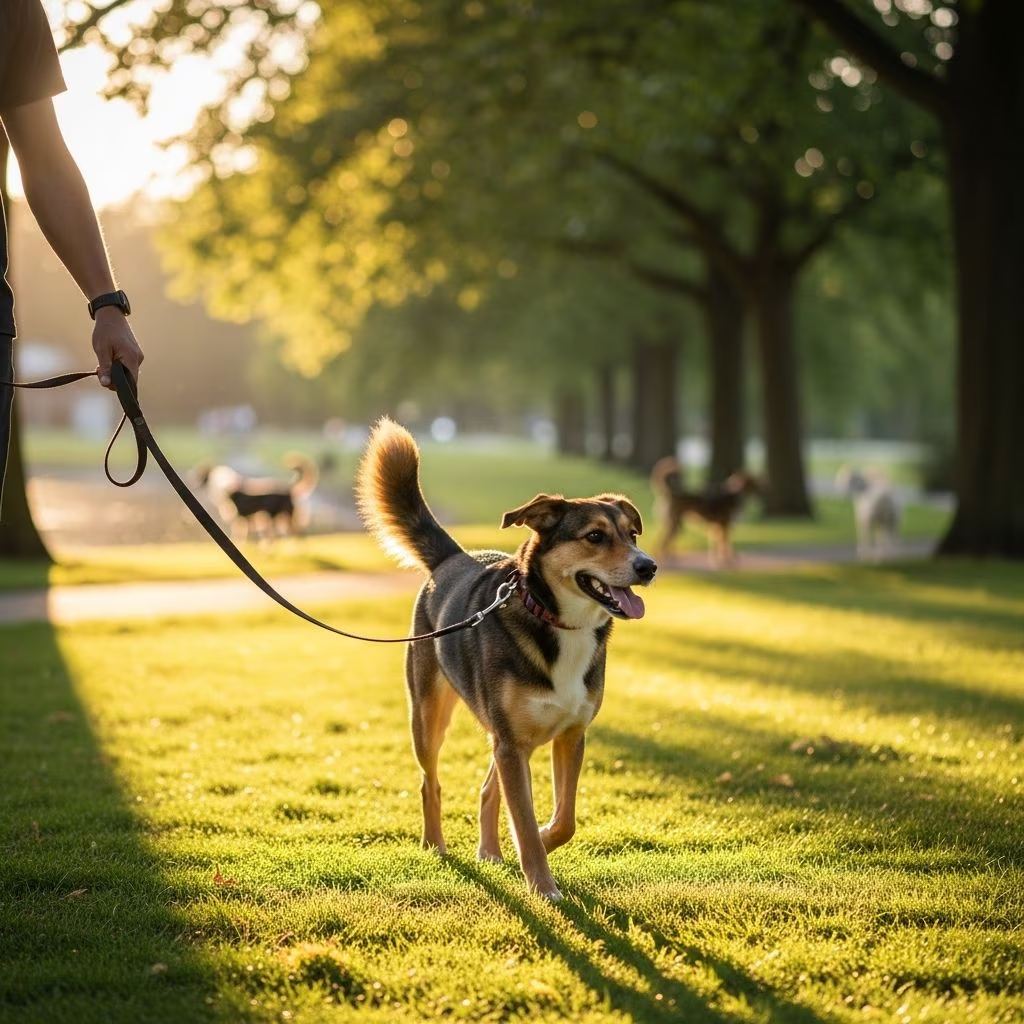
Understanding Canine Confidence and Fear
Building confidence in a dog starts with understanding the root cause of their shyness or fearfulness. Before implementing any training techniques, it’s essential to observe your dog’s body language carefully. Dogs communicate their emotional state through physical signals that are often quite obvious to attentive owners. Signs of fear include a tucked tail, ears pulled back, avoidance behaviors, shaking, and attempts to hide. These behaviors are clear indicators that your dog is experiencing anxiety or fear in specific situations.
A board-certified veterinary behaviorist explains that determining whether your dog is naturally shy or genuinely fearful is the first critical step in the confidence-building process. This distinction matters because it affects which techniques will be most effective. A naturally shy dog may simply have an introverted personality, while a fearful dog is experiencing genuine anxiety that impacts their quality of life and requires intervention. Understanding this difference helps you tailor your approach appropriately and set realistic expectations for your dog’s progress.
1. Try Exposure Management
Exposure management is one of the most effective techniques for rewiring your dog’s brain and changing their emotional response to feared stimuli. While the term sounds complex, the concept is straightforward: you help your dog associate something they fear with something they love, typically treats or positive experiences.
Consider a practical example: if your dog is afraid of skateboards, begin by placing a stationary skateboard on the floor with high-value treats sprinkled on it. Your dog will naturally investigate and discover that the skateboard is actually a source of positive experiences. This begins to shift their perception of the object from “scary thing” to “treat dispenser.”
Once your dog is comfortable with the stationary skateboard, gradually introduce movement. Start by moving the skateboard just one inch while treats remain on top. As your dog becomes less fearful of minimal movement, gradually increase the motion until it mimics real-life scenarios with someone actually riding it.
The key to successful exposure management is the combination of three elements:
– Controlled stimulus management (preventing your dog from constantly practicing the fearful response)- Gradual reintroduction of the feared stimulus in manageable increments- Positive association through high-value treats like small cheese pieces or boiled hot dog
This technique effectively reprograms your dog’s automatic response by teaching them: “It’s not that big, it’s not that scary, it’s not that close, it’s not that loud.” The repeated pairing of the feared object with positive experiences gradually changes their emotional reaction.
2. Find an Environment Where the Dog Can Be Successful
Creating an environment where your dog can experience success is crucial for building confidence. This means carefully controlling the context and circumstances in which you work with your dog, starting with low-pressure situations where success is virtually guaranteed.
Successful experiences build momentum and positive associations with learning and trying new things. When your dog experiences repeated wins in a supportive environment, they develop belief in their own abilities and become more willing to attempt challenging tasks. This positive cycle of success reinforces confidence and encourages your dog to take healthy risks in their training and social interactions.
Choose quiet, familiar spaces for initial training sessions. Minimize distractions and external stressors that could overwhelm your dog. As your dog gains confidence and skills, you can gradually introduce more challenging environments. This graduated approach ensures your dog isn’t discouraged by premature exposure to difficult situations.
3. Take Up Agility Training
Agility training serves as an excellent confidence-building tool, though many people underestimate its psychological benefits. While agility involves teaching your dog to complete specific tasks—such as jumping over poles, running through tunnels, or navigating weaves—the true value lies in the trust and confidence your dog develops through the process.
Agility training functions as a sophisticated trust exercise between you and your dog. Your dog learns to take cues from you, trust your guidance, and discover that following your instructions leads to success. As your dog hears “do what I told you, and it’s awesome,” they build positive associations with taking direction and attempting new challenges.
By successfully completing new obstacles and tasks, your dog begins to develop faith in their own abilities. This expanded sense of capability transfers to other areas of their life. Your dog learns that they can handle things and overcome issues they once perceived as insurmountable obstacles. The confidence gained through agility training often generalizes to other challenging situations in your dog’s daily life.
4. Don’t Forget Obedience Training
Obedience training provides multiple benefits for building canine confidence, though many owners focus only on the behavioral control aspects. Beyond teaching basic commands like sit, lay down, and come, obedience training creates a communication system between you and your dog.
Developing Clear Communication
Through obedience training, you establish a shared language using both verbal commands and body language signals. This communication system allows you to guide your dog toward appropriate behaviors, especially when they’re feeling fearful or anxious. When your dog understands what you’re asking and knows how to respond correctly, they feel more secure and capable.
Building Trust and Safety
Obedience training strengthens the trust bond between you and your dog. When your dog gains trust in you, they feel safer in their environment and more willing to take reasonable risks. A dog who trusts their owner’s guidance is more likely to attempt new experiences and face challenging situations with confidence that you won’t lead them into danger.
With a foundation in obedience training, you’ll be able to direct your dog more effectively, even when they’re feeling worried or anxious. Commands become tools for reassurance and guidance, helping your dog navigate situations that once triggered fear responses.
5. Pair Your Dog With Another Confident Dog
For many dogs, spending time with another well-adjusted, confident dog can significantly boost their own confidence. Dogs learn by observation and modeling, often picking up behaviors and attitudes from their canine companions. A dog who observes another dog calmly handling a situation may think, “I’ve got to try this—it looks like fun.”
This peer modeling is particularly effective because it comes from a source your dog relates to. Watching another dog successfully navigate a situation provides both a behavioral template and implicit reassurance that the situation is manageable. The confidence of an experienced dog can be contagious.
When introducing your shy dog to another dog, ensure the other dog is genuinely confident and has a calm temperament. Avoid pairing your fearful dog with an anxious or reactive dog, as this could reinforce negative associations. The goal is to expose your dog to positive examples of confidence and relaxed behavior.
Complementary Strategies for Building Confidence
Gradual Socialization
Socialization should proceed at your dog’s pace, never forcing interactions. Allow your dog to determine the speed and extent of exposure to new people, animals, and environments. This approach, called desensitization, involves gradually introducing your dog to situations that previously triggered fear responses. Over time, repeated exposure in controlled, positive contexts reduces your dog’s reactive response.
Consistent Routine and Predictability
A predictable daily routine significantly reduces anxiety and builds confidence. When your dog knows what to expect regarding feeding times, walks, and playtime, they feel more secure and in control. This sense of predictability creates a foundation of comfort that supports confidence building in other areas.
Regular Exercise and Mental Stimulation
Physical exercise and mental enrichment reduce overall stress and anxiety in dogs. Regular walks, play sessions, and interactive puzzle toys help burn nervous energy and provide outlets for natural behaviors. A well-exercised dog is generally calmer and better able to focus on training and social interactions.
Positive Reinforcement Over Punishment
Never use punishment or negative reinforcement with fearful or shy dogs, as this typically increases anxiety and undermines confidence building. Instead, focus exclusively on positive reinforcement using high-value rewards like treats, praise, and play. This approach creates positive associations with brave behaviors and new experiences.
When to Seek Professional Help
These confidence-building techniques are most effective for dogs who are only mildly fearful or naturally shy. If your dog’s fear is severe, or if you don’t see progress after consistent effort, professional help is warranted. A certified dog trainer or veterinary behaviorist can provide individualized assessment and tailored strategies designed for your specific dog’s needs.
Severe anxiety or phobias may require the expertise of a professional, particularly if your dog shows signs of regression or fails to improve with standard training approaches. Look for professionals with substantial experience specifically in working with anxious and fearful dogs, and verify their certifications and training philosophy.
Important Considerations and Timeline
Building confidence in dogs requires patience and consistency. The old adage “practice makes perfect” applies directly to canine confidence building. Your dog won’t transform overnight, and expecting quick results can lead to frustration that your dog will sense.
Remember that patience is not passive; it means maintaining calm emotional control throughout the process. Dogs are highly sensitive to their owner’s emotional state and can pick up on frustration, anxiety, or impatience. Modeling calm, confident behavior for your shy dog demonstrates that there’s nothing to fear and provides a stable foundation for their confidence growth.
If you find yourself becoming frustrated, take a break and resume training at a different time. Your emotional state directly impacts your dog’s ability to learn and progress. Consistency matters more than intensity—regular short training sessions are more effective than sporadic intense efforts.
Frequently Asked Questions
Q: How long does it take to build a shy dog’s confidence?
A: Timeline varies depending on the severity of your dog’s shyness or fearfulness, their age, and how consistently you implement training techniques. Some dogs show improvement within weeks, while others require months of consistent work. Patience and consistency are more important than speed.
Q: Can a naturally shy dog ever become fully confident?
A: Shyness is often an innate personality trait. You don’t need to completely transform your naturally shy dog—they’re likely happy as they are. However, if shyness is accompanied by anxiety or is limiting their quality of life, you can help them become more comfortable in challenging situations.
Q: What treats should I use for confidence building?
A: Use high-value treats that your dog finds genuinely motivating. Small pieces of cheese, boiled hot dog, or specially-formulated training treats work well. The treat should be something your dog gets excited about, not just their regular kibble.
Q: Can I use punishment to correct fearful behaviors?
A: No, punishment will increase anxiety and undermine confidence building. Always use positive reinforcement and rewards for brave behaviors. Punishment-based approaches can intensify fear and create additional behavioral problems.
Q: Should I force my shy dog to interact with other dogs?
A: Never force interactions. Instead, allow your dog to set the pace for socialization. Forcing uncomfortable situations can exacerbate shyness and increase anxiety. Voluntary, gradual exposure is far more effective.
Q: What if my dog regresses after showing improvement?
A: Regression can happen, especially if your dog experiences a traumatic event or if you move too quickly in training progression. Return to basics, slow down the training process, and consider consulting a professional behaviorist if regression is significant or persistent.
References
- 6 Tips for Boosting Your Dog’s Confidence — Chewy.com. 2024. https://www.chewy.com/education/dog/training-and-behavior/training-training-tips-6-tips-for-boosting-your-dogs-confidence
- 8 Ways To Help a Shy or Reserved Dog Gain Confidence — Chewy.com. 2024. https://www.chewy.com/education/dog/training-and-behavior/reserved-dog
- Your Essential Guide to Basic Dog Obedience Training — Chewy.com. 2024. https://www.chewy.com/education/dog/training-and-behavior/sit-stay-and-beyond-weve-got-the-essential-guide-to-basic-dog-obedience-training



