

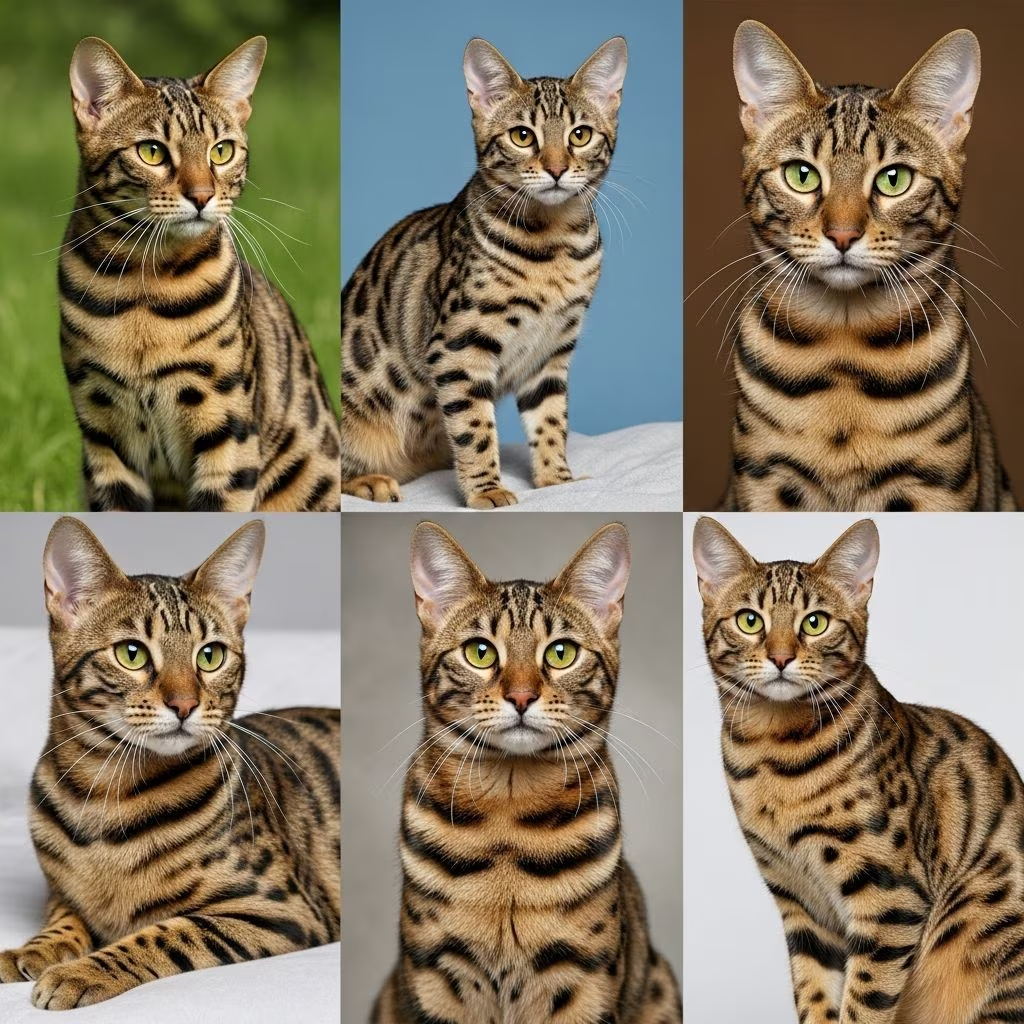
Spotted cat breeds captivate feline enthusiasts with their wild appearance and distinctive coat patterns. From sleek Bengals to charming Ocicats, these exotic-looking companions offer unique personalities and care requirements. Whether you’re drawn to their striking markings or vibrant temperaments, understanding each breed’s characteristics helps determine if they’re the right fit for your household.
Bengal Cat: Athletic Jungle Companion
The Bengal stands out as one of the most visually striking spotted cat breeds, appearing as if they belong in the jungle. Don’t let their wild appearance fool you—despite their muscular, athletic build and graceful agility, Bengals are actually quite affectionate with their human families. These cats combine strength with elegance, making them captivating companions for active households.
Bengal cats possess exceptional intelligence and curiosity, traits that demand constant engagement. They have high energy levels and a fun-loving, playful side that requires a home matching their dynamic nature. These felines love to play with virtually anything and can easily become bored without adequate mental and physical stimulation. Owners should expect an interactive, engaging pet that thrives on activity and attention.
Physical Characteristics
- Muscular, athletic body structure
- Spotted or marbled coat patterns
- Powerful build with graceful movement
- Sleek, jungle-like appearance
Care Requirements
Bengals require ample space and daily exercise to maintain their physical health and mental well-being. Interactive play sessions, climbing structures, and puzzle toys help channel their energy productively. Regular veterinary check-ups ensure they remain healthy, and a nutritious diet supports their active lifestyle.
Egyptian Mau: Elegant Green-Eyed Beauty
The Egyptian Mau holds the distinction of being one of the most recognizable spotted cat breeds, instantly identifiable by its striking features. The breed’s most prominent characteristic is its distinctive spotted coat, which appears in three accepted colors: silver, bronze, and smoke. Pale silver fur tipped in black creates an elegant foundation for their randomly scattered spots.
Perhaps even more captivating than their coat are the Egyptian Mau’s large, round gooseberry-green eyes that seem to express constant surprise and wonder. These cats also display distinctive facial markings, including an ‘M’ shape on the forehead and ‘mascara’ lines across the cheeks. The banded tail ends with a dark tip, while the pale belly features dark spots resembling miniature ‘vest buttons.’
Temperament and Personality
Despite their exotic appearance suggesting aloofness, Egyptian Maus are exceptionally family-oriented and loyal companions. Those fortunate enough to own an Egyptian Mau recognize the breed’s remarkable intelligence, sensitivity, and deep attachment to their loved ones. These cats form very strong bonds with their families and thrive in calm, loving environments.
The Egyptian Mau’s sensitive nature means sudden loud noises easily startle them. Homes with particularly noisy environments or rambunctious children may cause these delicate cats stress. For this reason, Maus make ideal companions for single individuals, older people, or quiet households where they can relax without constant disruption.
| Characteristic | Detail |
|---|---|
| Lifespan | 10-15 years |
| Size | Medium |
| Coat Colors | Bronze, Silver, Smoke |
| Temperament | Shy, Gentle, Loyal, Sensitive |
| Coat Texture | Silky (smoke) or Dense/Resilient (silver, bronze) |
Ocicat: Accidental Wild Beauty
The Ocicat represents a fascinating breed story, created accidentally in the 1960s when an American breeder attempted to produce Siamese cats with Abyssinian color patterns. Instead, this enchanting breed emerged with spotted patterns remarkably similar to the wild ocelot, earning it the distinctive name ‘Ocicat.’ The breed’s spotted coat gives it the unmistakable look of a small wildcat despite being entirely domestic.
These cats display a short, smooth, satiny coat featuring 12 recognized colors, all showcasing dark thumbprint-shaped spots on a light background. Like their Abyssinian ancestors, Ocicats possess an agouti coat, meaning each hair contains multiple color bands. This creates their distinctive spotted appearance where color bands converge.
Social and Playful Nature
Ocicats are confident, friendly, playful, and highly intelligent cats that thrive in interactive homes. Their social nature means they enjoy the company of children and other pets, making them excellent family additions. These active and curious felines benefit tremendously from climbing structures and interactive toys that prevent boredom.
While independent enough to entertain themselves, Ocicats may experience separation anxiety if left alone for extended periods. Consistent companionship and interaction keep these engaging cats happy and emotionally balanced. Their moderate grooming needs and nutritious diet requirements make them relatively straightforward to maintain.
| Attribute | Information |
|---|---|
| Lifespan | 15-18 years |
| Size | Medium |
| Coat Colors | Multiple colors |
| Temperament | Confident, Friendly, Playful, Intelligent |
| Coat Pattern | Spotted (thumbprint-shaped) |
Savannah Cat: Exotic African Elegance
The Savannah cat represents an exceptionally striking breed featuring an unusually long neck, tall ears, and powerful athletic frame compared to typical domestic cats. These large, beautiful felines combine wild aesthetics with domestic companionship, creating a unique breed appealing to experienced cat owners seeking something extraordinary.
Savannah cats display bold, distinctive markings characteristic of their wild ancestry. Their active nature demands substantial daily interaction and exercise. These intelligent, interactive cats thrive in households capable of providing mental and physical stimulation matching their exceptional energy levels and curiosity.
Care Considerations
Savannah cats require experienced owners understanding their specialized behavioral and physical needs. Early and thorough socialization proves vital for managing their unique characteristics and ensuring they develop into well-adjusted family members. Their high energy and wild traits mean they’re best suited to owners prepared for active engagement and outdoor activities.
Regular grooming maintains their coat’s health and appearance, while consistent veterinary visits monitor their overall wellness. These cats need ample space to roam, climb, and exercise to prevent destructive behaviors resulting from boredom or frustration.
Serengeti Cat: Vocal and Affectionate Spotted Beauty
The Serengeti cat, named after the famous African plains, displays striking spotted markings in widely spaced random patterns. Their coats come in various shades including golden brown, grey, and even solid black. Remarkably, even the solid black Serengetis sport barely visible ghost spots adding to their visual intrigue.
One of the Serengeti’s defining characteristics is their exceptional vocality. Like Bengal cats, they love communicating with their owners and expressing needs through loud, distinctive meows. Despite their vocal nature, these cats maintain docile, affectionate, and friendly temperaments, forming quick and strong bonds with their families.
Striking Features and Temperament
Serengetis display several distinctive physical characteristics beyond their spotted coats. Their gold or amber eyes and large, round-tipped ears contribute to their self-assured, alert appearance. Though initially shy with strangers, these playful, curious cats bond rapidly with their families and love receiving affection and hugs throughout the day.
These active cats thrive in households offering plenty of interaction and mental stimulation. Climbing opportunities and enriching environments keep them engaged and satisfied. Providing a balanced diet and regular health checks ensures these beautiful cats enjoy long, healthy lives.
Pixie-Bob Cat: Loyal Bobcat Look-Alike
The Pixie-Bob represents a burly, muscular cat breed closely resembling the wild bobcat of the Pacific Northwest. Despite their fierce wild appearance and brown, tawny, or reddish-brown coloring with distinctive spots, Pixie-Bobs are genuinely affectionate toward their families and devoted companions.
What makes this active and intelligent feline particularly special is their dog-like loyalty and trainability. Pixie-Bobs can learn to fetch and even walk on leashes, traits unusual among cat breeds. Their combination of wild aesthetics with domestic companionship and loyalty creates an appealing option for families seeking unique, engaging pets.
Personality and Care Needs
Pixie-Bobs are easygoing, friendly, and active cats that bond strongly with their owners. Their medium to large size and muscular build require ample space and regular exercise. These intelligent felines enjoy interactive play and mental stimulation preventing boredom.
Prospective owners should research reputable breeders, as the Pixie-Bob remains relatively rare outside the United States. Regular veterinary check-ups, appropriate grooming for their coat type, and a nutritious diet support their health and longevity. Their rarity and unique characteristics make them somewhat specialized in terms of care requirements.
Comparative Overview of Spotted Cat Breeds
| Breed | Size | Temperament | Energy Level | Vocality | Best For |
|---|---|---|---|---|---|
| Bengal | Medium to Large | Affectionate, Playful, Curious | Very High | Moderate | Active Families |
| Egyptian Mau | Medium | Shy, Loyal, Sensitive | Moderate | Low | Quiet Homes, Singles |
| Ocicat | Medium | Friendly, Social, Intelligent | High | Moderate | Interactive Families |
| Savannah | Large | Athletic, Intelligent, Aloof | Very High | Moderate | Experienced Owners |
| Serengeti | Medium | Vocal, Affectionate, Friendly | High | Very High | Interactive Homes |
| Pixie-Bob | Medium to Large | Loyal, Playful, Dog-like | High | Low to Moderate | Devoted Families |
General Care Guidelines for Spotted Cat Breeds
Most spotted cat breeds require similar foundational care approaches, though individual personalities create specific needs. Understanding these general guidelines helps ensure your spotted cat thrives in your home.
Grooming and Coat Maintenance
Spotted breeds typically feature short coats requiring moderate grooming. Regular brushing helps remove loose hair, prevents matting, and reduces hairball ingestion. Most breeds benefit from monthly nail trimming, ear cleaning, and dental care routines supporting overall health.
Exercise and Mental Stimulation
Nearly all spotted cat breeds possess high energy levels requiring daily activity. Interactive play sessions, climbing structures, scratching posts, and puzzle toys provide essential physical exercise and mental engagement. Cats left without adequate stimulation may develop behavioral problems or become destructive.
Nutrition and Health Monitoring
A balanced, nutritious diet tailored to each cat’s age and activity level supports optimal health. Regular veterinary check-ups help identify potential health issues early. Some breeds may be prone to specific conditions, making professional monitoring especially important.
Frequently Asked Questions About Spotted Cat Breeds
Q: Are spotted cat breeds good with children?
A: Most spotted breeds, including Ocicats and Bengals, adapt well to family life with children. However, Egyptian Maus prefer quieter environments. Supervision and early socialization ensure positive interactions between cats and children.
Q: Do all spotted cats have the same temperament?
A: No, temperaments vary significantly. Bengals and Serengetis are highly vocal and playful, while Egyptian Maus are shy and sensitive. Understanding individual breed characteristics helps match cats to appropriate households.
Q: How much exercise do spotted breeds need?
A: Most require 1-2 hours of daily interactive play and activity. Savannahs and Bengals need particularly high activity levels, while Egyptian Maus require moderate exercise in calm environments.
Q: Are spotted cat breeds hypoallergenic?
A: While no cat breed is completely hypoallergenic, some spotted breeds produce fewer allergens. Individual reactions vary, so spend time with the breed before committing to ownership.
Q: What’s the average lifespan of spotted cat breeds?
A: Most spotted breeds live 10-18 years with proper care. Ocicats tend toward the longer end (15-18 years), while Egyptian Maus typically live 10-15 years. Genetics, diet, and healthcare significantly influence lifespan.
Q: Can spotted cat breeds live in apartments?
A: Many can adapt to apartment living with sufficient vertical space, climbing structures, and daily interaction. However, highly active breeds like Savannahs and Bengals benefit greatly from access to outdoor space or larger homes.
Q: How much do spotted cat breeds typically cost?
A: Prices vary significantly by breed, breeder reputation, and location. Expect to invest more in rare breeds like Pixie-Bobs and Savannahs compared to more common breeds. Always purchase from reputable breeders ensuring healthy, well-socialized kittens.
Choosing Your Perfect Spotted Companion
Selecting the right spotted cat breed depends on your lifestyle, living situation, and preferences. Active families seeking engaging companions might prefer Bengals or Ocicats. Those desiring vocal, interactive cats may find Serengetis ideal. Quieter households would better suit sensitive Egyptian Maus. Experienced owners prepared for specialized care might embrace the challenge and rewards of Savannah ownership.
Regardless of breed selection, commitment to proper care, regular veterinary attention, and consistent interaction ensures these beautiful spotted cats enrich your life with their unique personalities and stunning appearance. Take time researching breeds, visiting breeders, and spending time with representatives of your chosen breed before making your final decision.
References
- 6 Spotted Cat Breeds — YouTube. Accessed 2025-11-28. https://www.youtube.com/watch?v=yn8EfYmxh4g
- 9 Spotted Cat Breeds (With Info & Pictures) — Hepper Pet Resources. Accessed 2025-11-28. https://articles.hepper.com/spotted-cat-breeds/
- Six Spotted Cat Breeds: Exotic Looks & Care Guide — Pets4Homes. Accessed 2025-11-28. https://www.pets4homes.co.uk/pet-advice/six-spotted-cat-breeds.html



